
Average Cost Per Plate Wedding Catering: 2026 Guide
Wedding catering is one of the largest parts of your wedding budget, and the average cost per plate in the United States is about $80 per guest for a standard catering experience. A practical 2026 planning range is $40 to $150 per person for food, with full packages that include drinks, staff, rentals, and service fees reaching $200 or more per guest.
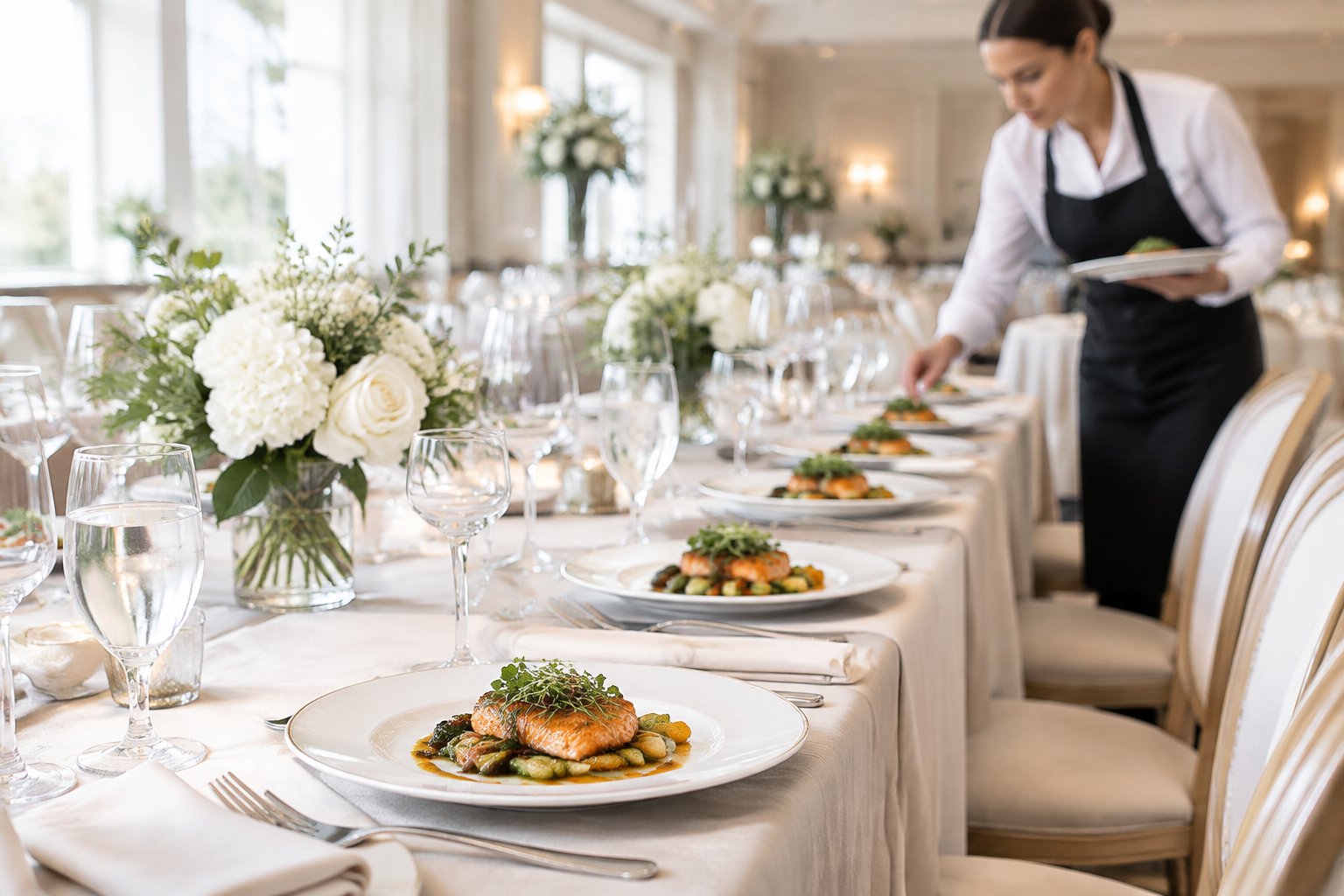
Your final wedding catering prices will reflect your guest count, menu, service format, venue, date, and bar package. A 100-person buffet with beer and wine will land in a very different range from a 150-person plated dinner with premium proteins and a full open bar.
Set your food and beverage target early, then request itemized quotes that show every fee. If you want help comparing options for your celebration, explore how to choose the right wedding caterer before signing a contract.
What Does Wedding Catering Cost Per Plate?
Wedding catering costs about $40 to $150 per person for food in 2026, with an $80-per-guest national planning average for a standard reception package. Alcohol, staffing, rentals, taxes, and service charges can raise the final catering cost per person.
Your guest count multiplies nearly every part of the bill. A caterer might quote $80 per plate, yet the invoice can rise after you add a bar, cake service, rentals, and a service fee.
Use a wedding catering calculator for an early estimate, then replace it with a written quote based on your venue and menu.
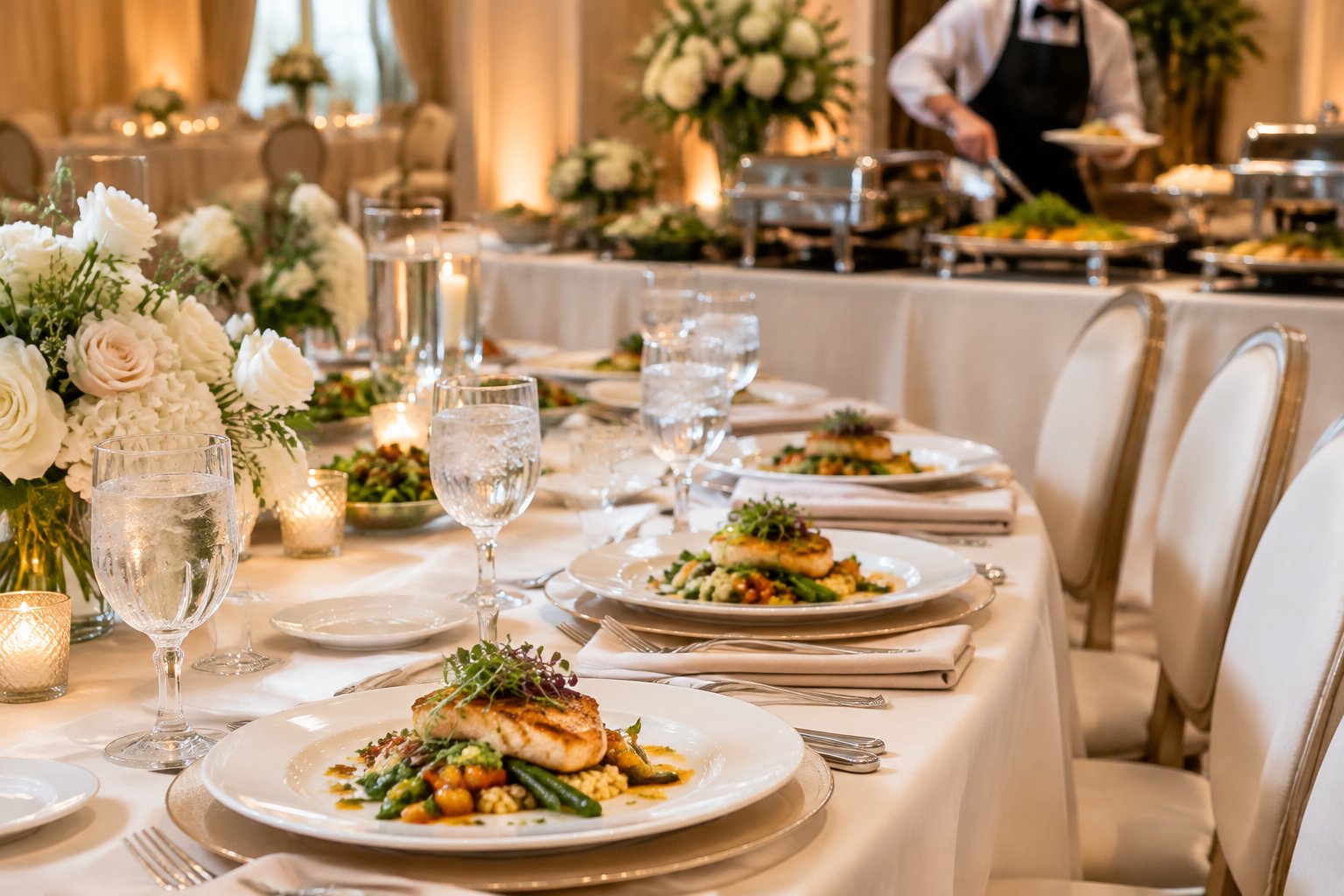
Typical 2026 Per-Guest Price Ranges
Use these ranges for early wedding budget planning:
| Catering format | Food cost per guest | Common inclusions |
|---|---|---|
| Food truck | $15–$40 | Main meal and basic service |
| Cocktail-style | $35–$70 | Passed hors d’oeuvres and stations |
| Basic buffet | $40–$65 | Entrées, sides, and self-service |
| Family-style | $50–$120 | Shared platters at each table |
| Food stations | $45–$75 | Multiple self-serve stations |
| Plated dinner | $65–$150 | Individual courses and table service |
A simple menu with seasonal ingredients sits near the lower end. A formal meal with several courses, premium seafood, steak, or chef-led stations reaches the upper end.
Food-Only vs. All-In Reception Pricing
Food-only pricing covers the wedding food itself and sometimes basic non-alcoholic beverages. All-in reception pricing adds labor, beverages, glassware, flatware, linens, setup, breakdown, service charges, tax, and gratuity.
For planning, reserve $80 to $150 per guest for food and service, then add bar costs when alcohol is separate. An open bar can add $10 to $50 per person, depending on whether you choose beer and wine, a full bar, or premium spirits.
Ask whether the quote includes the service charge. A fee of 18% to 22% is common, and sales tax applies according to your state and local rules.
Quick Estimates by Guest Count
Multiply your estimated price per guest by the guaranteed guest count:
- 50 guests at $80: $4,000
- 100 guests at $80: $8,000
- 150 guests at $80: $12,000
- 200 guests at $80: $16,000
Small weddings can carry higher per-person prices because caterers set minimum charges for labor and equipment. Large weddings can qualify for volume pricing, though they also require more staff, serving equipment, and bar capacity.
How Service Style Changes the Price
A basic buffet usually costs less than plated service because it requires fewer servers and less individual plate preparation. Food stations and food trucks offer flexible guest experiences, with pricing shaped by the number of stations, cooking labor, travel, and equipment.
Your service style also changes the reception timeline and floor plan. A plated dinner keeps guests seated and gives you tight control over courses, while buffet catering and stations encourage movement and mingling.
Basic Buffet and Buffet-Style Catering
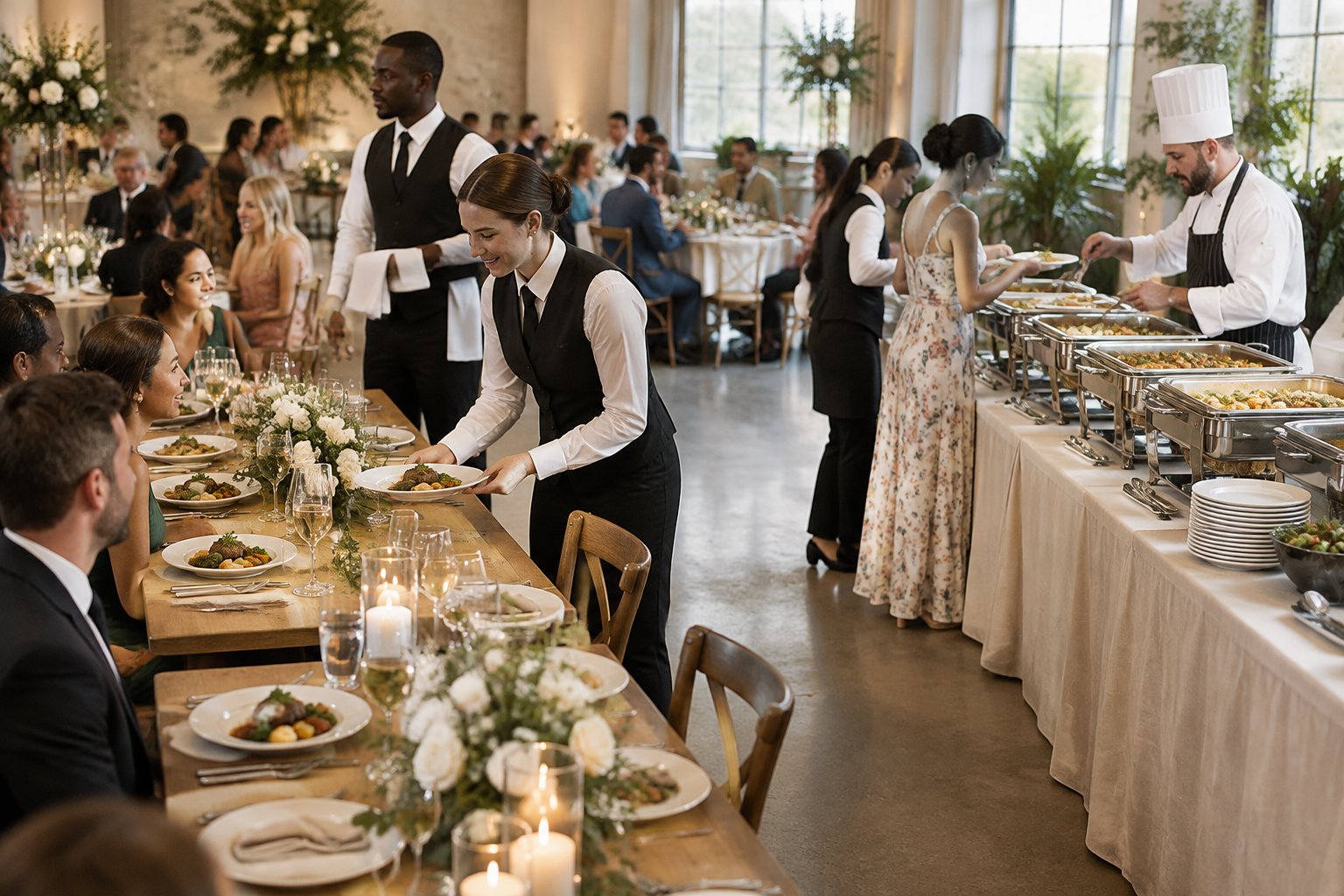
A basic buffet costs about $40 to $65 per guest for food. Guests serve themselves from a central display while staff replenishes dishes, manages portions, and clears tables.
Buffet-style catering gives you menu variety and makes dietary accommodations easier to display with labels. Plan enough space for the line, use two service points for a large guest count, and ask whether the caterer provides attendants for carving or portion control.
Plated Dinner and Formal Plated Service
A plated dinner costs about $65 to $150 per person for food and service. Staff delivers each course to the table, clears used plates, and coordinates the meal with speeches and reception events.
The higher price reflects added kitchen coordination, table service, and staffing. Collect entrée selections with RSVPs, record allergies clearly, and confirm how the team handles guests who change their meal choice.
Food Stations, Action Stations, and Interactive Food Stations
Food stations cost about $45 to $75 per guest, with chef-attended action stations reaching higher prices. Pasta, carving, taco, sushi, and dessert stations spread guests around the room and offer several choices.
Interactive food stations add cooking labor and equipment when a chef prepares each serving to order. Limit the number of stations and choose options that share ingredients to keep the menu efficient.
Food Truck Wedding and Cocktail-Style Service
A food truck wedding costs about $15 to $40 per person, while cocktail-style service with substantial hors d’oeuvres commonly runs $35 to $70 per guest. These formats suit relaxed receptions, outdoor venues, brunches, and celebrations built around mingling.
Confirm travel fees, power needs, weather plans, serving time, and guest capacity. Cocktail service must provide enough food for the event length, especially when you are not serving a seated dinner.
What Is Included in a Catering Quote?
A wedding catering package often includes food, basic beverage service, staff, and setup, while rentals, cake service, bar upgrades, and extra labor may appear as separate charges. Two quotes with the same per-plate price can produce very different final totals.
Read each line of the catering quotes carefully. Ask the caterer to mark every item as included, optional, or excluded so your wedding catering budget reflects the full cost.
Food and Beverage Service
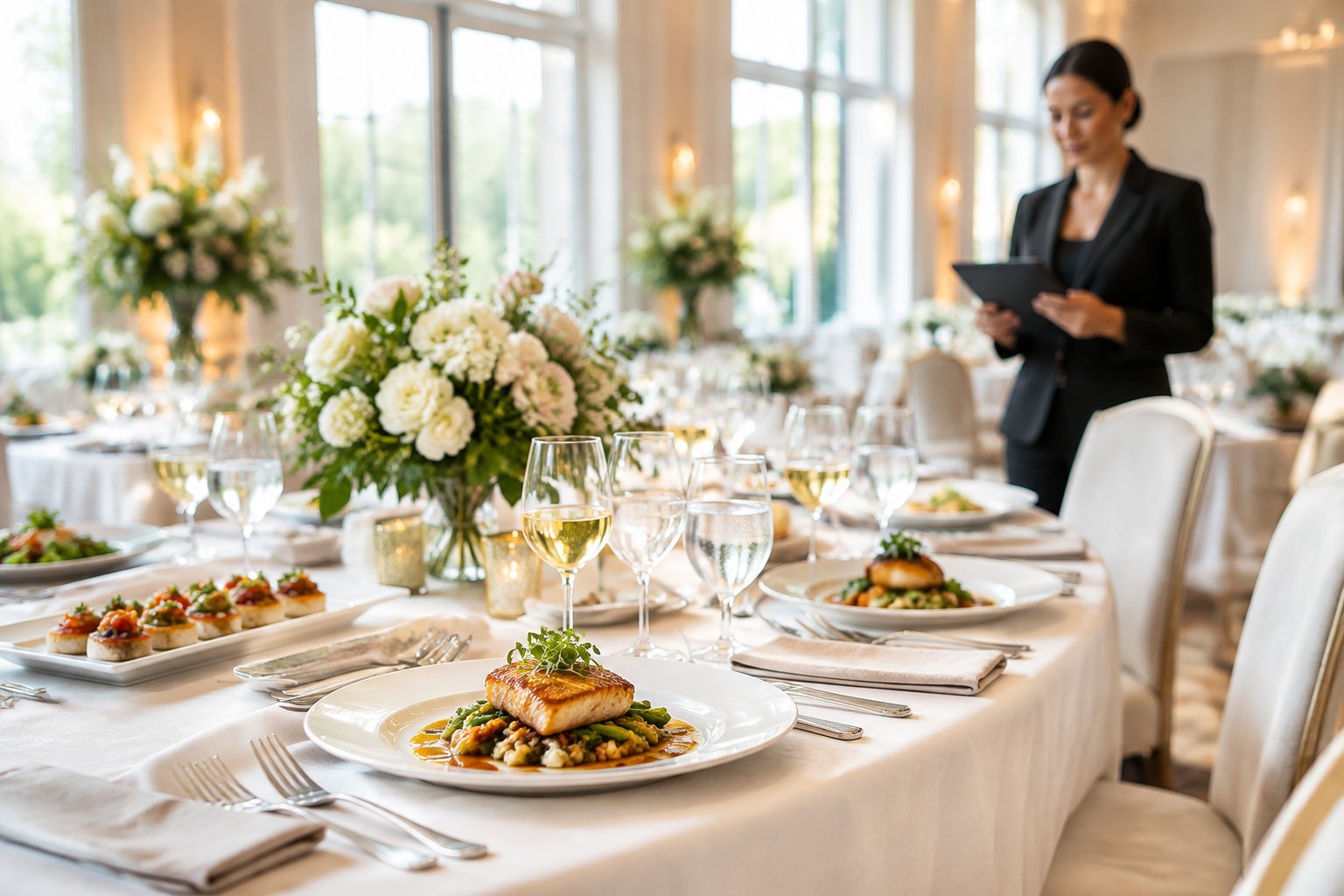
The food portion may include appetizers, hors d’oeuvres, entrées, side dishes, desserts, and late-night snacks. Beverage service might cover water, coffee, tea, lemonade, soft drinks, or alcoholic beverages.
Ask whether the package includes a menu tasting, children’s meals, vendor meals, champagne service, and replenishment during the reception. Alcohol is frequently priced separately, especially when you choose a full open bar or premium open bar.
Service Staff, Waitstaff, and Vendor Meals
Staffing may include an event manager, chefs, servers, bartenders, and cleanup workers. Plated service requires more waitstaff because each guest receives individual table service.
Photographers, DJs, planners, and other vendors need meals during the reception. Request a lower-priced vendor meal option when available, and confirm whether staff meals are already included in the quote.
Rentals, Setup, and Breakdown
Some wedding catering packages include standard glassware, flatware, plates, serving pieces, and linens. Specialty items such as chargers, upgraded china, glassware, furniture, or portable kitchen equipment can add rental charges.
Confirm who handles delivery, setup, buffet presentation, table clearing, trash removal, and breakdown. A remote venue can also add transportation or kitchen fees.
Wedding Cake and Cake-Cutting Charges
Your caterer might provide the wedding cake, serve a cake from another bakery, or coordinate with your dessert vendor. A cake-cutting fee commonly ranges from $1 to $8 per slice, depending on the caterer and service level.
Ask whether the fee covers cutting, plating, garnishing, serving, and cleanup. A dessert station can cost about $5 to $11 per person, while a traditional cake often costs $3 to $8 per slice.
Which Choices Raise or Lower Your Per-Plate Cost?
Your menu, venue, date, and bar selection create the largest changes in per-plate pricing. Seasonal menus, local ingredients, a weekday wedding, and a limited bar can reduce spending while keeping the meal welcoming.
Dietary accommodations belong in the first menu conversation. Build inclusive dishes into the main menu when possible, then price separate meals for guests with severe allergies or special preparation needs.
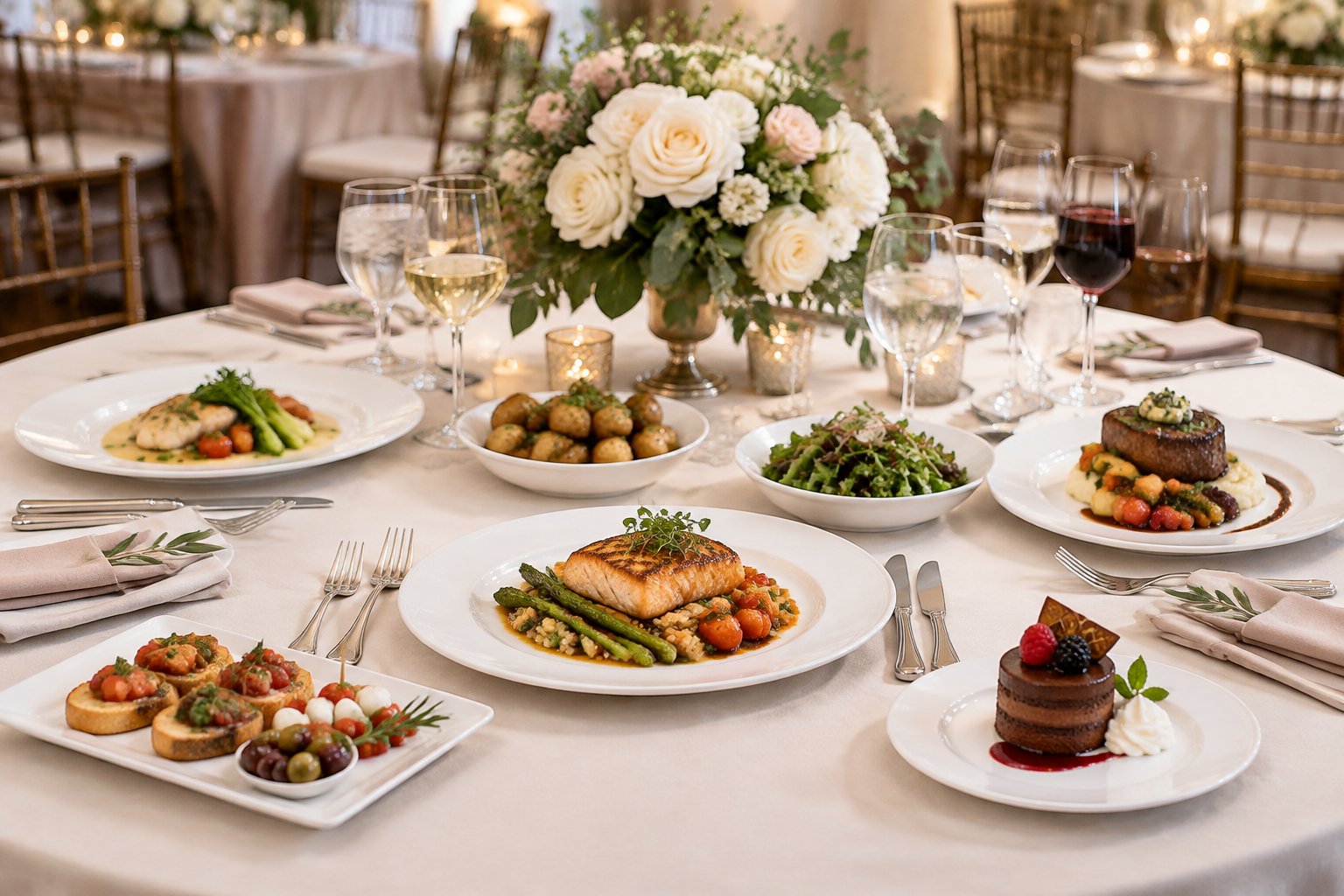
Menu Selection, Premium Proteins, and Dietary Accommodations
Chicken, pork, pasta, grains, and seasonal vegetables help control the wedding food cost. Filet, lobster, specialty seafood, imported ingredients, and multi-course menus raise the price.
Premium ingredients can add substantially to each plate. Vegan, gluten-free, dairy-free, and allergen-safe meals also require planning, separate preparation, or dedicated ingredients, so include accurate counts in your quote.
Venue Type, Location, and In-House Catering
A city venue, destination wedding, or remote property often carries higher labor, delivery, lodging, and rental costs. A hometown wedding with an accessible kitchen can support a lower catering cost per person.
In-house catering might simplify rentals and logistics, though the venue can require exclusive use of its culinary team. Outside caterers may face kitchen fees, preferred-vendor rules, insurance requirements, or corkage fees.
Wedding Season and Date Selection
Saturday evenings during peak wedding season command the strongest demand. A weekday wedding, Friday event, Sunday reception, brunch, or off-season date can open more affordable menu and staffing options.
Ask whether your date qualifies for a seasonal or off-peak rate. A hometown wedding also reduces travel-related charges compared with a destination celebration.
Bar Packages and Corkage Fees
A full open bar provides beer, wine, spirits, mixers, and cocktails, while a premium open bar adds top-shelf brands. A limited open bar can focus on beer and wine, and a cash bar passes drink charges to guests.
Bar pricing commonly ranges from $10 to $50 per guest. If your venue permits outside alcohol, review corkage fees before choosing a BYO plan. Corkage fees can apply per bottle, along with bartender, glassware, and service charges.
How to Compare Caterers Without Budget Surprises
Compare the full event total, not only the advertised wedding catering cost per person. A fair comparison uses the same guest count, menu scope, service style, rental list, bar plan, taxes, and labor assumptions.
Invite each wedding caterer to quote the same reception details. Give the wedding planner and caterers your venue rules, schedule, floor plan, and expected guest needs.
Use a Like-for-Like Quote Comparison
Create one worksheet with these lines:
- Food and hors d’oeuvres
- Beverage service
- Service staff and bartenders
- Vendor meals
- Rentals
- Setup and breakdown
- Menu tasting
- Cake service
- Delivery and travel
- Service fee
- Sales tax
- Gratuity
Check whether each caterer prices children, vendors, and late-night snacks separately. A lower food price can lose its advantage after rental or labor charges are added.
Ask About Fees, Taxes, and Overtime
Ask the caterer to show the service fee as a dollar amount and percentage. Confirm whether gratuity is included, recommended, or added separately.
Request the overtime rate for servers, bartenders, chefs, and rental equipment. Ask about delivery, staffing minimums, cake cutting fee, corkage fee, cleanup, and venue-required charges before you compare totals.
Confirm Details Before Signing the Catering Contract
Your catering contract should state the date, venue, guest guarantee deadline, menu, service style, staffing plan, bar package, rentals, payment schedule, cancellation policy, and final price formula.
Confirm how the contract handles guest-count changes, dietary accommodations, weather plans, alcohol rules, and overtime. Keep every promise about inclusions and fees in writing.
How to Keep Wedding Catering Costs Manageable
The most effective budget wedding catering plan combines an accurate guest count, a seasonal menu, value-focused service, and a controlled bar package. These choices reduce the largest cost drivers while preserving a complete reception meal.
Start with the amount you can spend, then work backward to a per-person limit. If catering is $8,000 for 100 guests, a $80 food target leaves less room for staffing, tax, rentals, and alcohol than an $80 all-in target.
Make Guest Count Decisions Early
Every guest affects food, beverages, rentals, staffing, and table setup. Set a clear invitation list, track RSVPs closely, and give the caterer the most accurate final guarantee allowed by the contract.
Ask about minimum charges before reducing your guest count. A smaller reception can carry a higher per-person rate when the caterer must cover fixed labor and equipment costs.
Build a Budget-Friendly Menu
Choose seasonal ingredients and local ingredients that your caterer can source efficiently. A basic buffet with flavorful chicken, pork, pasta, grains, or vegetables can offer variety without the cost of several premium proteins.
Use stationary appetizers, a smaller display cake with sheet cake for serving, and naturally inclusive dishes to reduce labor. Request portion guidance so you order enough food without paying for excessive quantities.
Choose Value-Focused Service and Bar Options
Buffet catering and selected food stations reduce table-service labor and give guests menu choices. A hybrid format, such as a plated salad followed by a buffet entrée, provides structure while controlling staffing needs.
Offer a limited bar with beer, wine, or one signature cocktail. Add coffee, tea, water, lemonade, and other non-alcoholic beverages so every guest has appealing choices. A cash bar or carefully planned BYO service can reduce the host’s alcohol bill when your venue permits it, though you should price corkage and bartender fees first.