
Average Cost Wedding Photographer: Prices and Packages
For most U.S. couples, the average cost of a wedding photographer falls between $2,500 and $6,500, with many full-day packages landing near $3,000 to $4,000. Your final wedding photography cost depends on coverage hours, location, experience, editing, staffing, and the products included.
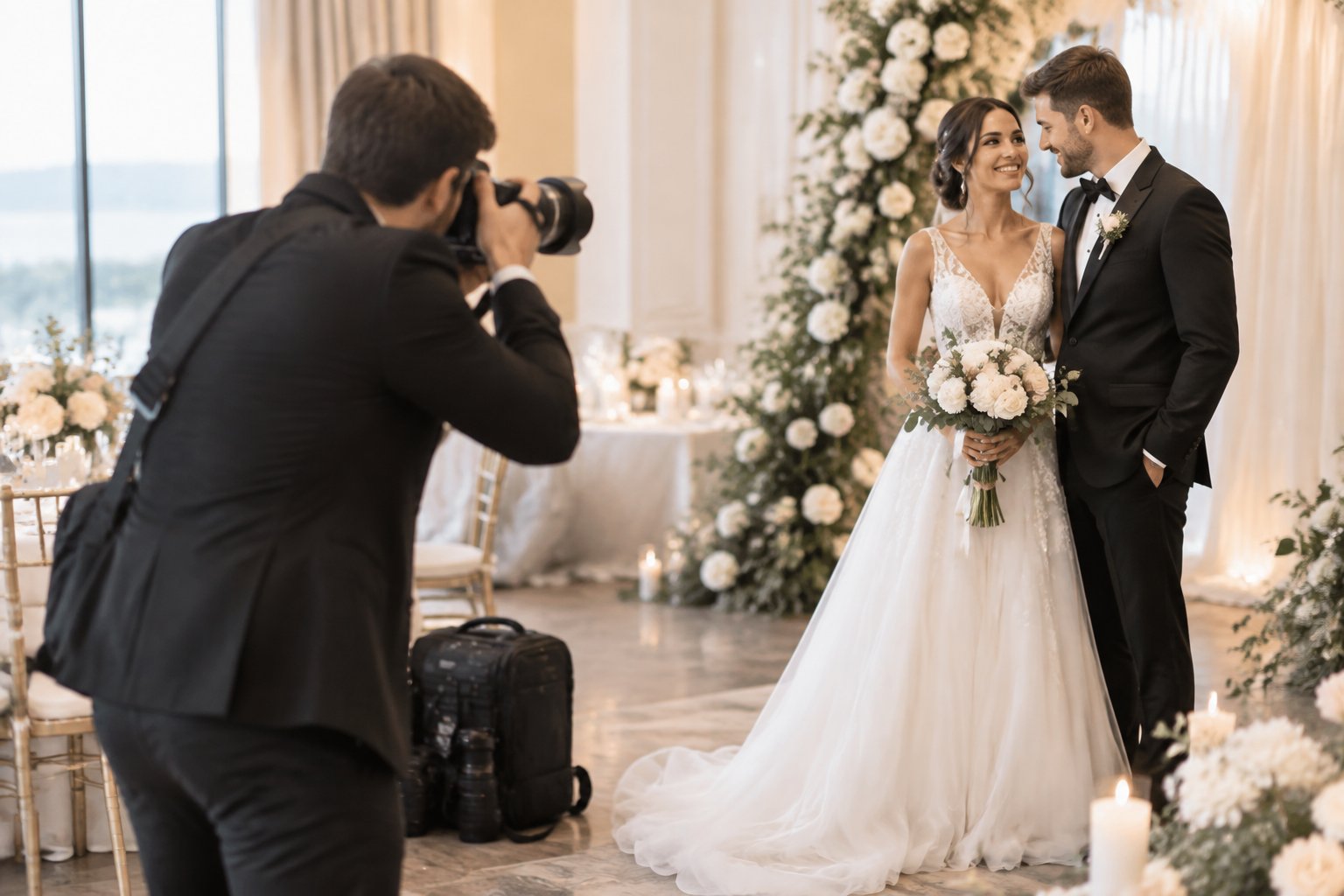
A smaller ceremony with four to six hours of coverage may cost about $1,000 to $2,500. An established professional wedding photographer offering eight to ten hours, a second photographer, an engagement session, and an album can charge $5,000 to $10,000 or more in major cities.
Set your photography budget beside your guest count and wedding priorities, then request complete quotes from photographers whose style fits your day. Booking early through a trusted wedding photography resource gives you more choice for popular dates.
What Will You Typically Pay in the U.S.?
You will typically pay $2,500 to $6,500 for a professional wedding photographer in the U.S., with entry-level coverage near $1,000 and luxury services reaching $10,000 or more. Package prices provide a clearer comparison than an hourly figure because they include planning, shooting, editing, delivery, and sometimes physical products.

A Useful National Benchmark and Why Sources Differ
A practical national benchmark for 2026 is about $3,000 to $4,000 for a standard wedding photography package. That range may include six to eight hours of coverage, one photographer, edited digital images, and an online gallery.
Published wedding photography prices differ because each source counts different services. One survey may measure the amount couples paid, while a pricing guide may show advertised package rates. Location, taxes, albums, second photographers, and travel fees also change the total.
WeddingWire listings can help you see local wedding photographer prices, though each listing requires a close review of coverage and deliverables. Compare complete package details before treating any national average as a quote for your date.
Typical Price Ranges by Experience Level
| Photographer level | Common price range | What you may receive |
|---|---|---|
| New or part-time | $1,000–$2,500 | Four to six hours, one photographer, digital gallery |
| Established | $2,500–$6,000 | Six to eight hours, edited gallery, planning support |
| Experienced or premium | $5,000–$10,000+ | Eight to ten hours, team coverage, albums or fine-art products |
| Luxury or destination | $10,000+ | Multi-day service, tailored products, travel support |
Experience affects more than the number of weddings a photographer has photographed. You are also paying for backup equipment, business insurance, reliable file handling, timeline support, and the ability to work in changing light and fast-moving moments.
What an Hourly Rate Can and Cannot Tell You
Wedding photographer cost per hour commonly falls between $200 and $500, though local markets and experience create a wider range. You can explore wedding photographer hourly pricing when you need short coverage for an elopement or courthouse ceremony.
An hourly price does not represent the photographer’s full workload. Your quote may include consultation time, travel, equipment preparation, culling, post-production editing, gallery setup, insurance, and album design. A four-hour package at $2,000 may provide more value than an hourly quote that excludes editing or delivery.
Ask whether the rate includes:
- Continuous coverage or separate time blocks
- Edited images and the delivery format
- Overtime pricing
- Travel within the service area
- A second shooter
- Gallery hosting and download access
What Changes the Final Quote?
Your final wedding photographer cost rises with expensive locations, peak dates, longer coverage, larger celebrations, added staff, complex editing, and travel. Two photographers with similar portfolios can quote different amounts because their service models and included work differ.
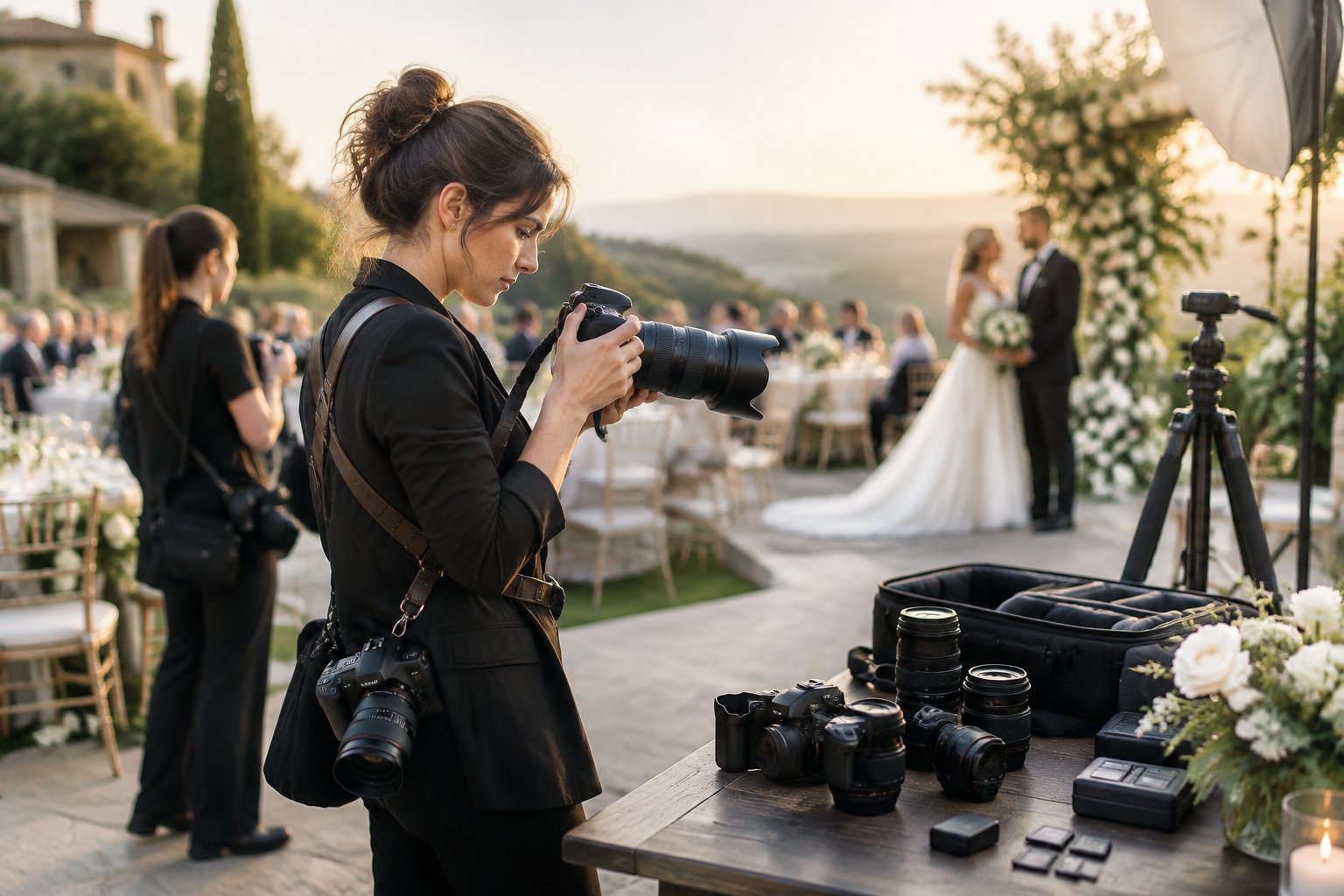
A useful quote shows each cost driver in plain language. Check the hours, team size, delivery promise, travel policy, and product list before comparing totals.
How Geographic Location and Peak Dates Affect Rates
Geographic location has a strong effect on wedding photography pricing. Major metropolitan areas such as New York, Los Angeles, San Francisco, and Miami often have higher operating costs and higher wedding photographer rates than smaller markets.
Peak wedding season also affects availability and price. Saturdays in late spring, summer, and early fall attract heavy demand. A Friday, Sunday, weekday, or off-season date can give you more choices and may support a lower quote.
A destination wedding photographer may add airfare, lodging, rental cars, meals, assistant travel, and travel-day fees. Request a written travel estimate so the quoted package reflects the full expense.
How Coverage Hours, Guest Count, and Staffing Add Up
Coverage hours determine how much of your day receives professional attention. A short package may document the ceremony and portraits. Eight to ten hours can include getting ready, details, first look, ceremony, family photos, reception events, and dancing.
Guest count affects the work required for group photos, room coverage, and family combinations. A large guest list also makes a second shooter more useful. While one photographer focuses on the ceremony entrance, the second photographer can capture reactions, preparation, and guests in another area.
Ask how much each extra hour costs and whether overtime is billed in full-hour blocks. Confirm whether the second photographer is included for the entire booking or only for selected portions of the day.
Why Style, Experience, and Editing Matter
Wedding photography styles shape the amount of planning and editing involved. Documentary coverage may focus on natural moments, while editorial work may require more direction, lighting, and detailed retouching. Fine-art processing can also add time after the wedding.
Experience helps a photographer manage dim reception rooms, harsh sunlight, tight timelines, and changing weather. Post-production editing then turns a large set of camera files into a consistent collection of finished images.
Ask to see a full wedding gallery in the style you want. A social media portfolio shows highlights; a complete gallery reveals consistency across preparation, ceremony, family portraits, reception lighting, and dance-floor images.
What Should a Photography Package Include?
A complete wedding photography package should state the coverage hours, photographer count, edited image delivery, online gallery, editing timeline, rights, travel terms, and every included product. A clear list lets you compare wedding photography packages without guessing what the headline price leaves out.

Package value comes from the full service, not the number of hours alone. Read the deliverables beside the price and mark each item you would otherwise need to purchase separately.
Core Deliverables to Confirm Before Comparing Packages
Check these details in writing:
- Coverage hours and the start and end points
- One photographer or a second photographer
- Approximate number of edited images
- Color correction, black-and-white edits, and retouching
- Private online gallery and download period
- Sneak peek timing and full gallery delivery date
- Engagement session details
- Timeline consultation and planning support
- Travel radius and extra-mile fees
- Overtime rate and payment schedule
An engagement session may also be called an engagement photo session or engagement shoot. It gives you time to learn how your photographer directs posing and helps you create engagement photos for announcements, invitations, or a wedding website.
Popular Add-Ons and Their Usual Value
Add-ons help when they match your plans. Drone photography creates aerial views where venue rules, weather, and local laws permit it. Rehearsal dinner photography documents an important pre-wedding event, especially when many relatives and friends attend.
Bridal portraits provide a separate time for dress, hair, makeup, and details. A photo booth rental creates guest entertainment and informal images. A wedding videographer adds motion, voices, music, and ceremony audio, so compare that service separately from photography.
Common physical upgrades include:
- A wedding album or wedding photo album
- Parent albums for family gifts
- Canvas prints or framed wall art
- Extra coverage hours
- Same-week previews
- Additional retouching
- A USB drive for physical delivery
Ask whether an add-on includes design, shipping, taxes, and revisions.
Photo Rights, Galleries, and Physical Keepsakes
A print release usually gives you personal permission to download, print, and share your finished images. It does not transfer copyright or provide commercial use rights. Ask whether social media sharing is allowed and whether the photographer requires credit.
Confirm the gallery’s storage period and download process. A USB drive can serve as an extra copy, while an online gallery makes sharing easier for family and guests. Keep at least two backups after downloading your files.
Albums and prints have different quality levels, sizes, paper types, and cover materials. Ask for sample products and a clear deadline for ordering. Raw files are a separate policy, so have the photographer state whether they are included, available for purchase, or excluded.
How Much of Your Wedding Budget Should Go to Photos?
Plan to allocate about 10% to 12% of your wedding budget to photography, then raise or lower that share according to how strongly you value images and printed keepsakes. A $30,000 wedding budget places that starting range at roughly $3,000 to $3,600 before albums, travel, or special coverage.
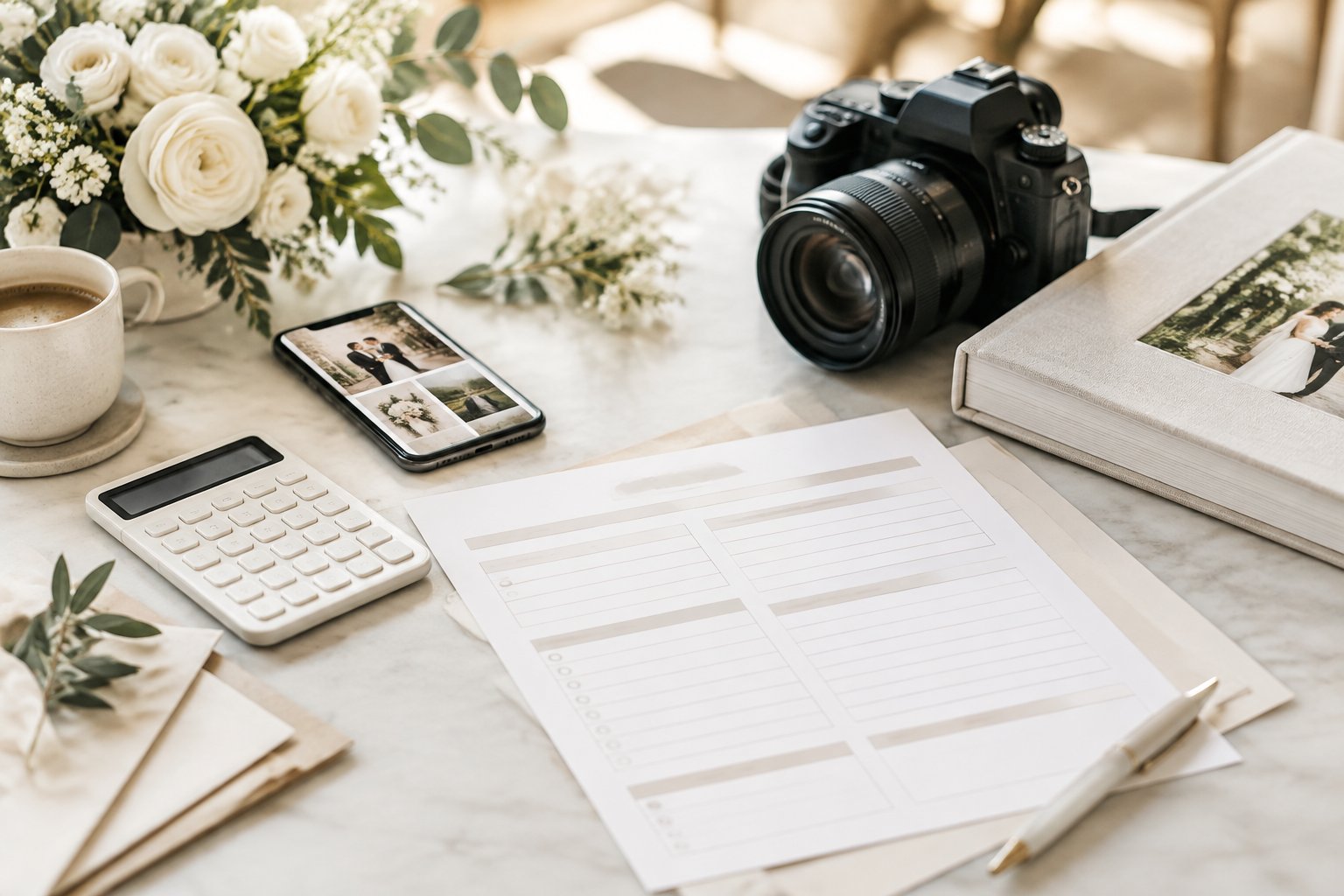
Your wedding expenses should reflect your priorities. Couples who care deeply about family history, portraits, or candid storytelling may reserve 14% to 16%. Couples planning a brief ceremony may choose a shorter package and direct more money toward the venue, food, or entertainment.
Setting a Budget Based on Your Priorities
Start with the moments you want preserved. Write down whether you care most about preparation, family portraits, ceremony reactions, reception dancing, a wedding album, or coverage of several locations.
Then match your priorities to hours and staffing. A small wedding with one location may need four to six hours. A large celebration with separate preparation spaces and a long reception may need eight to ten hours plus a second photographer.
Keep product costs separate in your worksheet. Include the base package, engagement session, album, parent album, travel fees, taxes, overtime, and any photo booth rental you plan to add.
Smart Ways to Reduce Costs Without Missing Key Moments
You can reduce wedding photography cost by adjusting the schedule and package design:
- Choose a weekday, Friday, Sunday, or off-season date.
- Hold preparation, ceremony, and reception at one venue.
- Book six to eight hours around the moments you value most.
- Choose digital delivery and add an album later.
- Ask for a shorter engagement session.
- Use one photographer for an intimate guest count.
- Review package inclusions before paying for add-ons.
Protect the parts of the day that cannot be recreated. Cutting preparation photos may save money, though it also removes images of details, family interactions, and the anticipation before the ceremony. Ask for a custom quote built around your timeline.
When a Second Photographer Is Worth the Expense
A second shooter earns the added cost when your wedding has separate preparation locations, a large guest list, a tight schedule, or several events happening at once. The second photographer can cover the partner getting ready, capture guest reactions, and provide another angle during portraits and the ceremony.
One photographer can suit an intimate wedding with one location and a simple timeline. Ask how many hours the second photographer works, whether they are an employee or associate, and who edits their images.
Clarify whether the second photographer is included in the package or priced as an upgrade. Also confirm that the lead photographer remains responsible for the final gallery and contract.
How to Compare Photographers and Book With Confidence
Choose the professional wedding photographer whose full galleries, communication, contract, and coverage plan fit your wedding, then compare total package value instead of the starting price. A polished portfolio attracts attention, while a detailed agreement protects your expectations.
Compare photographers using the same questions about hours, images, staffing, editing, products, travel, and delivery. Save each quote with the date it was issued because prices and availability can change.
How to Evaluate Portfolios, Reviews, and Full Galleries
Look for a consistent wedding photography style across complete galleries. Review preparation rooms, indoor ceremonies, family groups, flash reception images, outdoor portraits, and candid moments. Check skin tones, focus, exposure, composition, and how the photographer handles difficult light.
Read reviews for details about communication, punctuality, timeline help, professionalism, and gallery delivery. WeddingWire profiles can help you organize local options, though direct conversations and full galleries provide more useful detail.
Ask who will photograph your wedding. Some studios show the lead photographer’s work while assigning an associate to the event. Confirm that the person you hire will be present and that a backup plan exists for illness or emergencies.
Questions to Ask Before You Sign
Ask each photographer:
- Who photographs the wedding, and how many people attend?
- How many continuous coverage hours are included?
- What happens if the timeline runs late?
- How many edited images should you expect?
- When will you receive a preview and full gallery?
- Is an engagement session included?
- What editing and retouching are included?
- Do you receive a print release?
- Are albums, parent albums, or USB drives included?
- What travel fees apply outside the service area?
- Are vendor meals required?
- What backup equipment and file protection do you use?
Vendor meals should appear in the quote or contract so you know whether they are part of your wedding expenses.
Contract Terms and Day-Of Planning Details
Your wedding photography contract should name the couple, date, venue, coverage hours, photographer, package price, payment schedule, cancellation terms, postponement policy, image delivery, editing timeline, rights, travel fees, and liability terms.
Check the retainer amount and the date when the remaining balance is due. Read the replacement-photographer policy and ask how the studio handles equipment failure, severe weather, venue restrictions, or an emergency.
Give your photographer the final timeline, family photo list, venue rules, parking information, and planner contact. A destination wedding photographer also needs travel schedules, lodging details, permit requirements, and meal arrangements. Put every agreed change in writing before the wedding day.