
Average Groom Wedding Band Cost: What to Expect
The average groom wedding band cost is about $600 to $800, with many everyday men’s wedding bands landing between $400 and $1,000. A simple alternative-metal ring may cost less than $500, while wider gold bands, platinum, diamonds, and custom craftsmanship can push the price above $1,500.
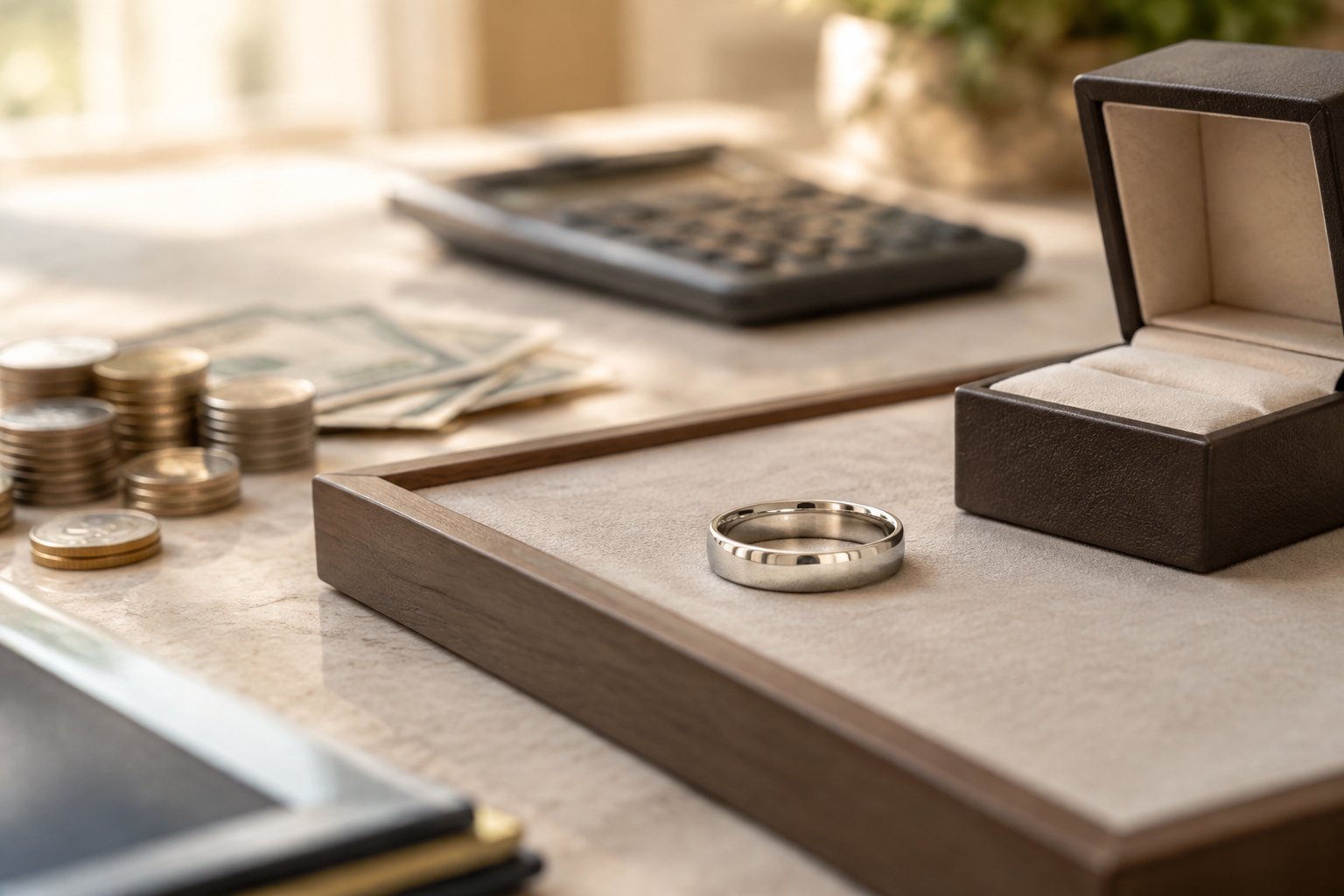
Your wedding band cost depends on the metal, width, weight, finish, gemstones, and brand. A practical budget starts with how you use your hands each day, then balances comfort, durability, style, and the rest of your wedding expenses. You can also review this guide on how much should a man’s wedding ring cost before setting your spending limit.
Choose a ring that fits your life and your budget, then compare options with a trusted jeweler before you pay.
What Most Grooms Actually Spend
Most grooms spend about $600 to $800 on a men’s wedding band, with a common retail range of $400 to $1,000 for a solid everyday ring. Simple metals sit below that range, while platinum, gemstones, and custom work raise the wedding ring cost.
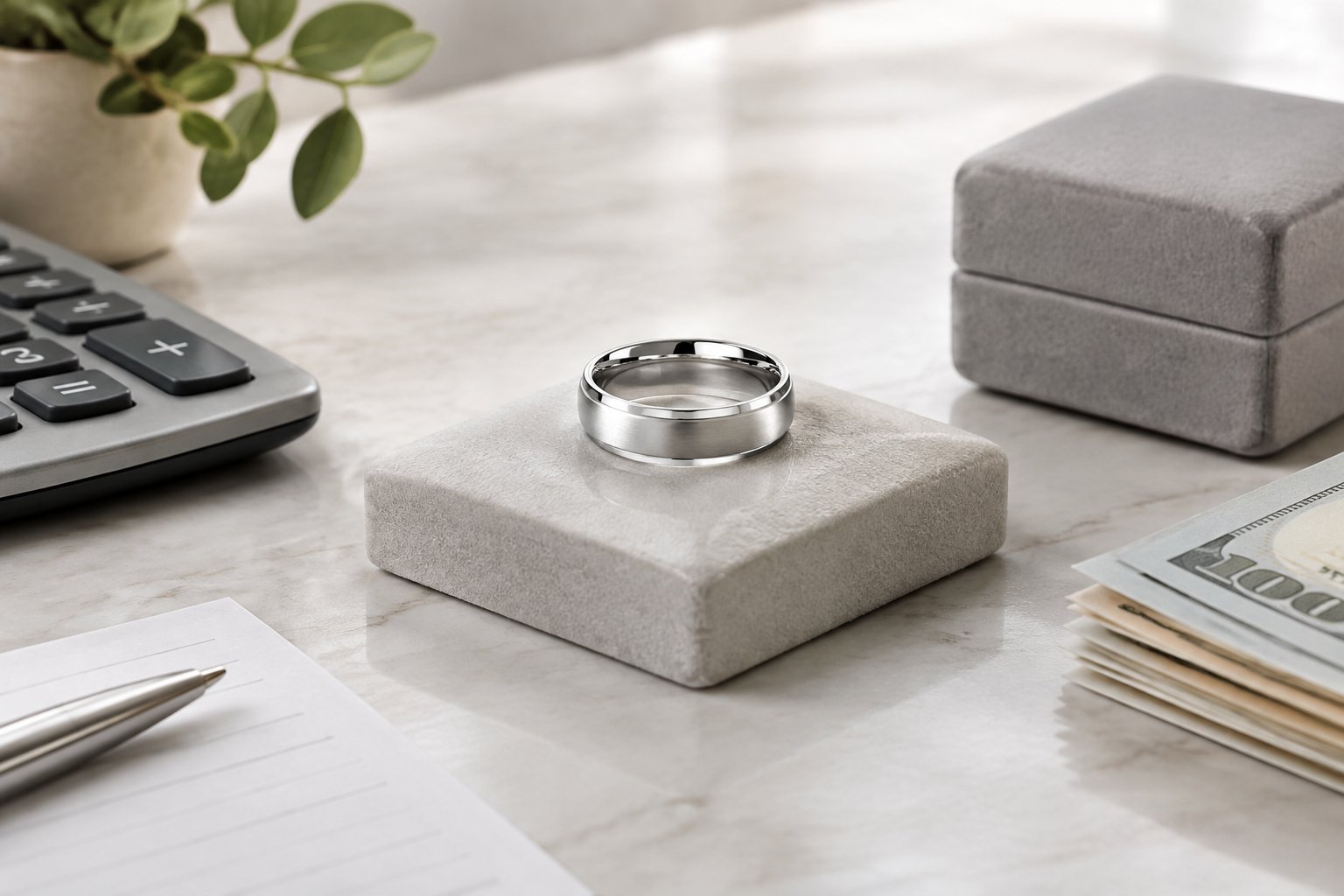
Published figures vary because retailers count different ring styles, metals, and price points. A survey average may include discounted purchases, while a luxury retailer may report prices from a higher-end customer base.
Your size and chosen band width also affect the final amount.
A Realistic Price Range for Everyday Bands
A plain men’s wedding band often falls into these ranges:
- Under $300: Stainless steel, titanium, tungsten, silver, and very slim gold styles
- $300 to $700: Basic 14k gold, wider alternative-metal rings, and upgraded finishes
- $700 to $1,500: Heavier gold bands, platinum entry styles, diamond accents, and designer options
- $1,500 and above: Platinum, eternity band designs, extensive gemstones, and custom work
A simple 14k gold band offers a popular balance of price, appearance, and durability. Tungsten and titanium provide lower-cost choices for daily wear, although their resizing options differ from gold.
Why Published Averages Can Differ So Widely
An average wedding band cost combines purchases from very different shoppers. One groom may buy a $200 tungsten ring, while another chooses a $2,000 platinum band with diamonds. Both purchases influence the reported average.
Retail pricing also reflects labor, brand position, seasonal discounts, and whether the ring is made to order. Check the exact metal purity, gram weight, width, stone details, and included services before comparing two prices.
How a Groom’s Ring Fits Into the Total Wedding Ring Cost
Your band is one part of the total wedding ring cost for both partners. Many couples spend about $1,100 to $1,800 for a pair of everyday bands, while diamond, platinum, or custom designs can raise the combined total.
Decide whether you will buy each other’s rings, split the cost, or use one shared budget. A clear plan helps you choose a comfortable price without tying the purchase to an outdated spending rule.
How Metal Choice Changes the Price
Metal sets the starting price of a wedding band, and 14k gold often gives you the strongest balance of cost and durability. Platinum costs more because it is dense and rare, while tungsten and titanium offer lower-cost choices for certain lifestyles.
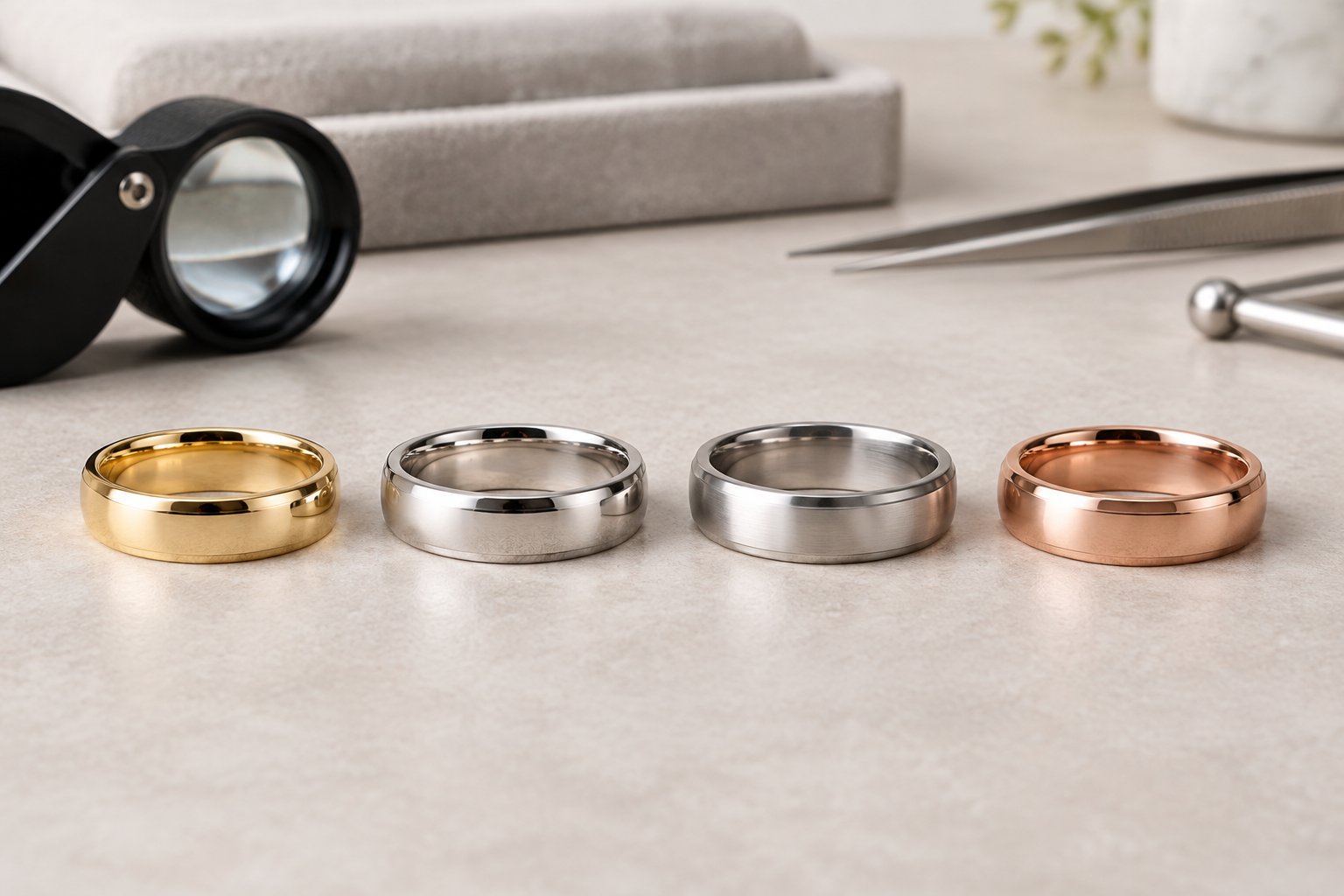
Karat level, density, color, and construction all affect the amount you pay. Consider your work, skin sensitivity, preferred color, and plans for resizing before choosing a metal.
14K Gold vs. 18K Gold
14k gold contains more alloy and less pure gold than 18k gold. That added alloy gives 14k gold strong everyday durability and a lower price, making it a common choice for wedding bands.
18k gold has a richer color and higher gold content. It costs more and feels softer during daily wear, so it suits you if purity and color matter more than maximum resistance to scratches.
White gold, yellow gold, and rose gold can have similar prices at the same karat and weight. White gold may need periodic rhodium plating to maintain its bright finish.
Alternative Metals for Lower-Cost Daily Wear
Tungsten, titanium, stainless steel, and ceramic offer modern styles at prices that often start below gold. Titanium feels light, while tungsten feels dense and has strong scratch resistance.
Check the care and resizing policy before buying. Some alternative-metal rings have limited resizing options, so accurate finger measurement becomes especially important.
When Platinum Commands a Premium
Platinum often costs $1,500 or more for a men’s band, depending on width, weight, and design. Its density gives a substantial feel, and its naturally white color does not rely on plating.
You also pay for its rarity and the extra metal required to make a ring of equal size. Platinum suits you if you want a premium, hypoallergenic material and plan to wear the ring for decades.
The Cost and Look of Rose Gold
Rose gold gets its warm pink color from copper mixed with gold. Its price usually follows the karat, weight, and design more closely than the color itself.
14k rose gold offers a durable, accessible option for daily wear. 18k rose gold has a softer, richer tone and a higher gold content, which increases the price.
Design Details That Raise or Lower the Total
A plain, well-made band keeps your wedding band cost lower, while width, gemstone coverage, and custom craftsmanship create the largest design-based increases. Small changes in surface finish have a lighter effect on price than extra metal or stones.
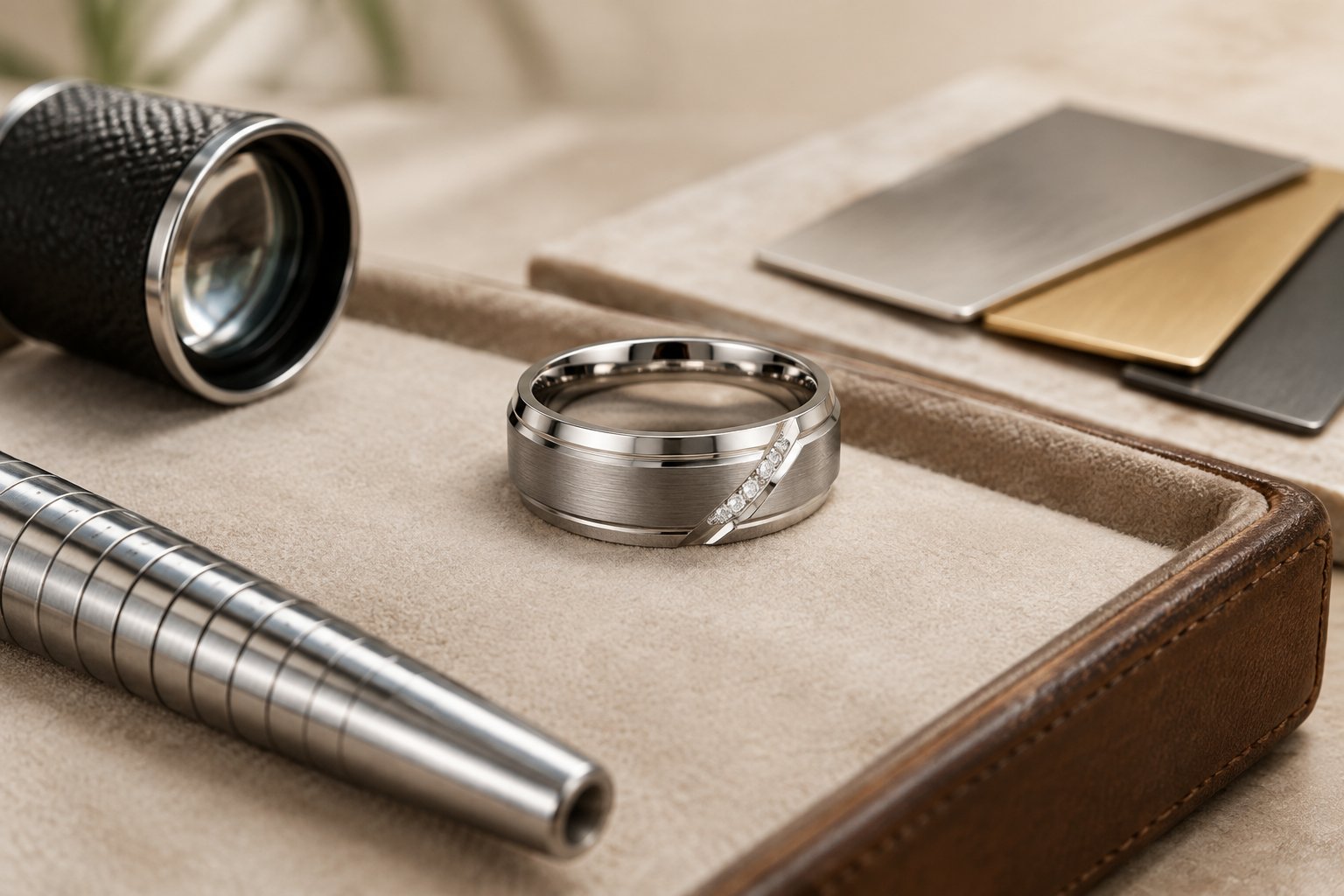
Think about how the ring will feel during work, exercise, and sleep. A striking design still needs a comfortable profile and enough durability for your routine.
Band Width, Weight, and Profile
A wider or thicker band uses more metal, so it costs more. A 6mm or 8mm band can cost noticeably more than a slim 4mm design in the same metal.
Weight also changes the price and feel. A comfort-fit interior adds shaping and polish, while a flat profile creates a cleaner, modern look. Try several widths before ordering because finger shape affects comfort.
Diamonds, Gemstones, and Eternity Band Styles
Gemstones create one of the largest price increases after metal. The total carat weight, stone quality, setting method, and number of stones all affect the final price.
A half-pavé or channel-set band places stones across part of the ring. An eternity band carries stones around the full circumference, which requires more gems and labor. Lab-grown diamonds can reduce the gemstone portion of the cost compared with natural diamonds.
Sapphires, rubies, and other colored gems add personality and may fit a lower budget than diamonds of a similar visual size.
Engraving, Inlays, and Custom Work
Basic engraving adds a modest charge, while hand engraving, mixed metals, wood inlays, meteorite details, and contoured shapes require more labor. Custom design fees also cover planning, modeling, revisions, and specialized production.
Ask for a written quote that separates the metal, stones, labor, engraving, and delivery. This makes it easier to remove one feature if the price moves beyond your limit.
Why Craftsmanship Matters Beyond the Metal Price
Craftsmanship affects how evenly the ring is finished, how securely stones are set, and how smoothly the interior meets your skin. Quality work also includes clean edges, consistent polish, and a strong soldered or welded construction.
Ask who makes the ring, what inspection it receives, and how repairs are handled. A lower price has less value when a loose stone or rough edge creates an early repair bill.
How to Set a Comfortable Ring Budget
Set your wedding band budget at an amount you can pay without debt, then reserve enough for a durable metal, accurate sizing, and future care. For many couples, $500 to $1,000 provides a broad selection of attractive everyday men’s wedding bands.

Start with your full wedding budget and your long-term savings goals. Then choose the features that matter most, such as metal color, width, comfort, or gemstone detail.
Budget Tiers From Under $500 to Premium Designs
- Under $500: Tungsten, titanium, stainless steel, silver, and slim 14k gold styles
- $500 to $1,000: Many 14k gold bands, heavier alternative metals, and selected diamond-accent designs
- $1,000 to $2,000: Wider gold, platinum entry styles, designer bands, and stronger gemstone details
- Above $2,000: Heavy platinum, full eternity designs, elaborate custom work, and premium natural gemstones
Treat these ranges as planning points. Ring size, metal weight, sales, and retailer pricing can move a particular style outside its usual tier.
When to Spend More for Long-Term Wear
Spend more when a higher price solves a clear daily-wear need. Platinum may suit sensitive skin, while a heavier gold band may work better if you want a substantial feel and plan to wear it continuously.
Extra spending also makes sense for a ring you intend to pass down. Prioritize strong construction, a useful warranty, and a design you will enjoy wearing before paying for decorative details.
Ways to Save Without Sacrificing Quality
Choose 14k gold for a durable precious-metal option, reduce the band width, or select a half-stone design instead of a full eternity band. Lab-grown diamonds and colored gemstones can also lower the stone budget.
Shop during legitimate promotions, compare the same specifications across retailers, and ask whether resizing or engraving is included. Keep an emergency margin for taxes, shipping, and future adjustments.
Where to Buy and What to Check Before Paying
A reputable local jeweler gives you direct help with sizing and inspection, while an established online retailer can offer broad selection and clear specifications. Compare the full purchase terms, not just the ring’s displayed price.
Online Retailers vs. a Local Jeweler
Online shopping makes it easy to filter by metal, width, size, and price. Look for detailed product specifications, customer service contact information, secure payment, and a clear return policy.
A local jeweler lets you try different widths and profiles before ordering. You can also discuss resizing, maintenance, engraving, and custom work face to face.
Ask for a written quote that lists the metal purity, ring weight when available, stone details, taxes, and delivery date.
What to Compare in Warranty and Resize Policies
Check whether the warranty covers manufacturing defects, loose stones, polishing, or structural repairs. Confirm how long coverage lasts and whether regular inspections are required.
Read the resizing terms closely. Gold and platinum are often easier to resize than tungsten or titanium, and some retailers charge for sizing changes, shipping, or replacement rings.
How Brilliant Earth Pricing Fits Into the Market
Brilliant Earth lists men’s wedding bands across a broad range, with many couples selecting bands around $1,300 to $1,800. Its prices reflect choices such as metal, width, gemstone accents, and design detail.
Use those listings as a reference for premium retail pricing. Compare the same specifications with a local jeweler or another established retailer before deciding that a higher price reflects better craftsmanship.
Why Alibaba Listings and Unverified Marketplaces Need Extra Care
Alibaba and other large marketplaces include listings with very different standards for metal purity, stone quality, sizing, and after-sale service. A low displayed price may leave important details unclear.
Request hallmarks, material certificates, close-up specifications, and a complete return policy before paying. Verify who handles defects, resizing, import charges, and delivery problems.
A ring that lacks reliable documentation creates more purchase risk, especially when durability and long-term wear are your priorities.