
Average Men’s Wedding Band Cost: 2026 Price Guide
In the United States, the average men’s wedding band cost in 2026 is about $600 to $1,500, with many buyers spending near $1,000 for a solid-gold band. Simple titanium or tungsten styles can cost under $500, while platinum, wider gold rings, diamond accents, and custom work can push the price above $2,500.
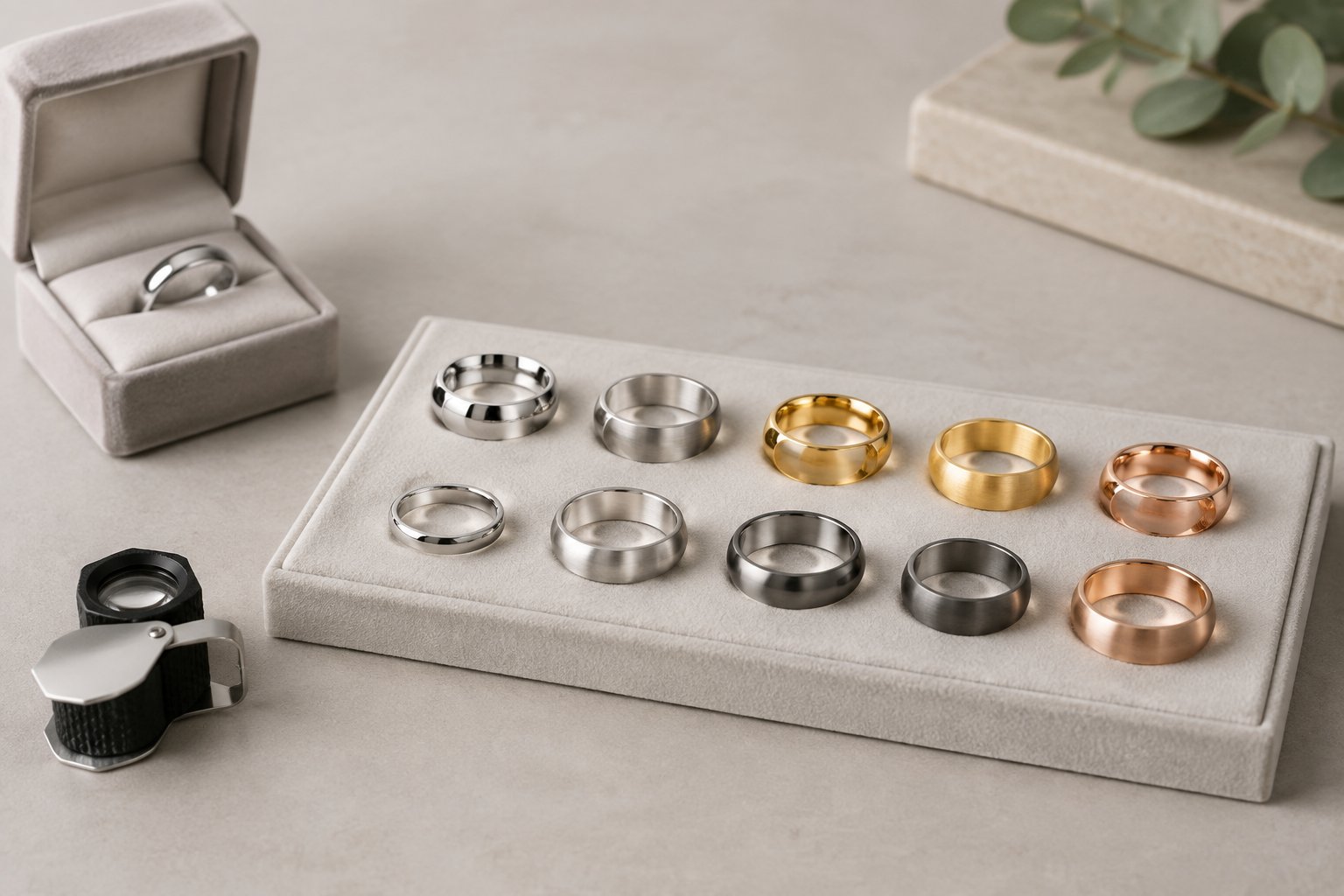
Your budget should reflect how you plan to wear the ring, the metal you prefer, and the features you want. A plain band for daily use needs a different budget from a wide platinum ring with gemstones. Set your target range first, then compare rings with similar widths, weights, warranties, and service terms.
What Is a Realistic 2026 Spending Range?
A realistic 2026 wedding band cost falls between $300 and $1,500 for many men, with premium designs reaching several thousand dollars. The price range grows as you move from alternative metals into precious metals, heavier profiles, and detailed finishes.
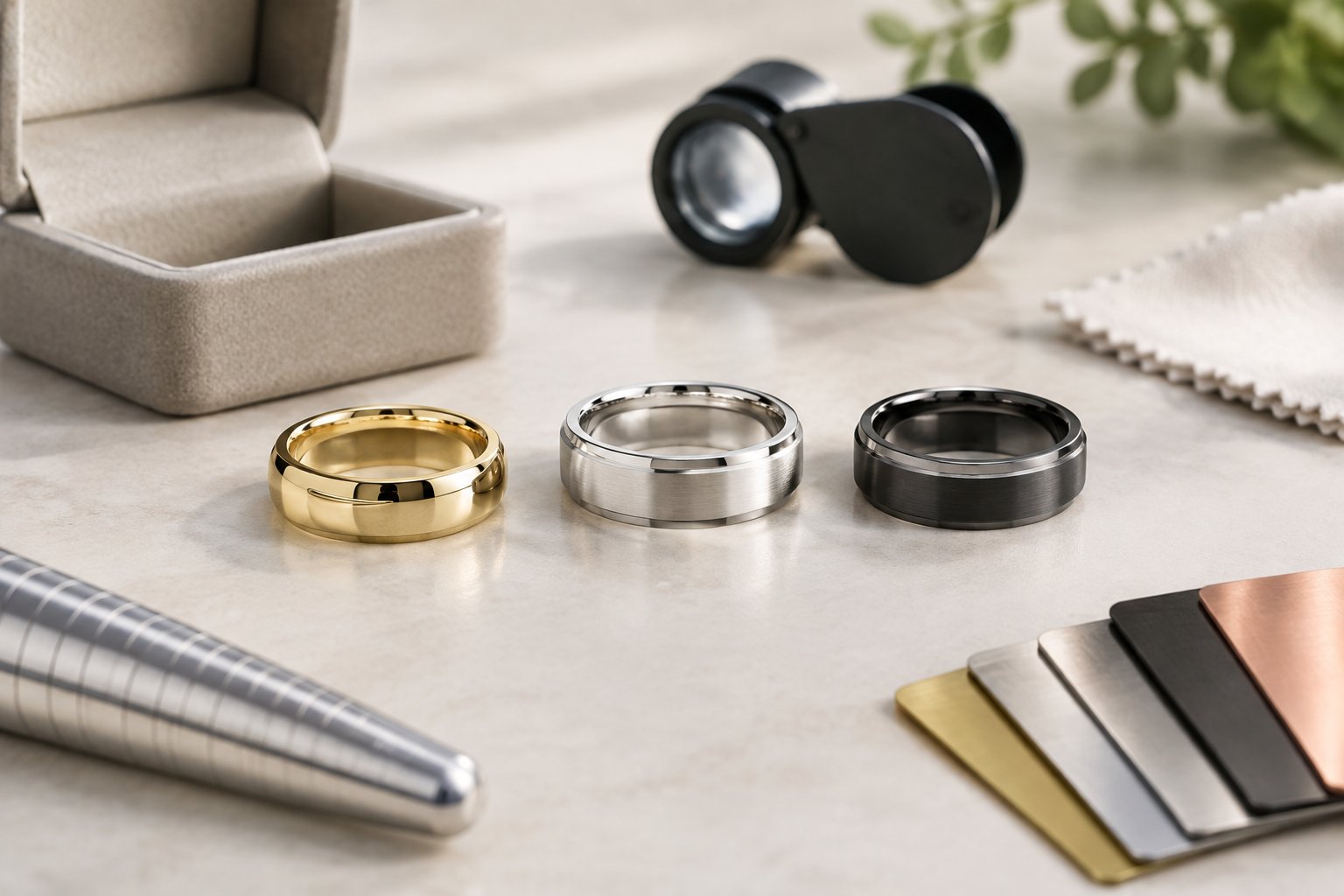
Why the Average and Median Tell Different Stories
The average cost of men’s wedding band prices can rise sharply when a small number of luxury purchases enter the data. A few platinum rings with diamonds can pull the average upward, even when many shoppers choose bands below that figure.
The median shows the middle purchase in a group. It can provide a more useful picture of what a typical buyer spends because high-priced custom rings have less influence on the result. Retail reports also differ by store type, location, metal mix, and whether discounts are included.
What Most Buyers Can Expect at Each Budget
- Under $300: Basic titanium, tungsten, stainless steel, silicone, or narrow sterling silver bands.
- $300 to $600: More refined alternative metals, simple 10k or 14k gold styles, and some comfort-fit designs.
- $600 to $1,000: A broad selection of plain 14k gold bands, select 18k gold styles, and detailed alternative-metal rings.
- $1,000 to $1,500: Heavier gold bands, wider profiles, premium finishes, and small diamond accents.
- Above $1,500: Platinum, substantial 18k gold, custom work, larger diamond accents, and designer collections.
How Metal Choice Changes the Price
Metal choice creates the largest shift in wedding band cost because it affects material value, weight, durability, and manufacturing work. Gold and platinum sit at the premium end, while titanium, tungsten, and other alternative metals provide lower-cost options.
14K Gold vs. 18K Gold
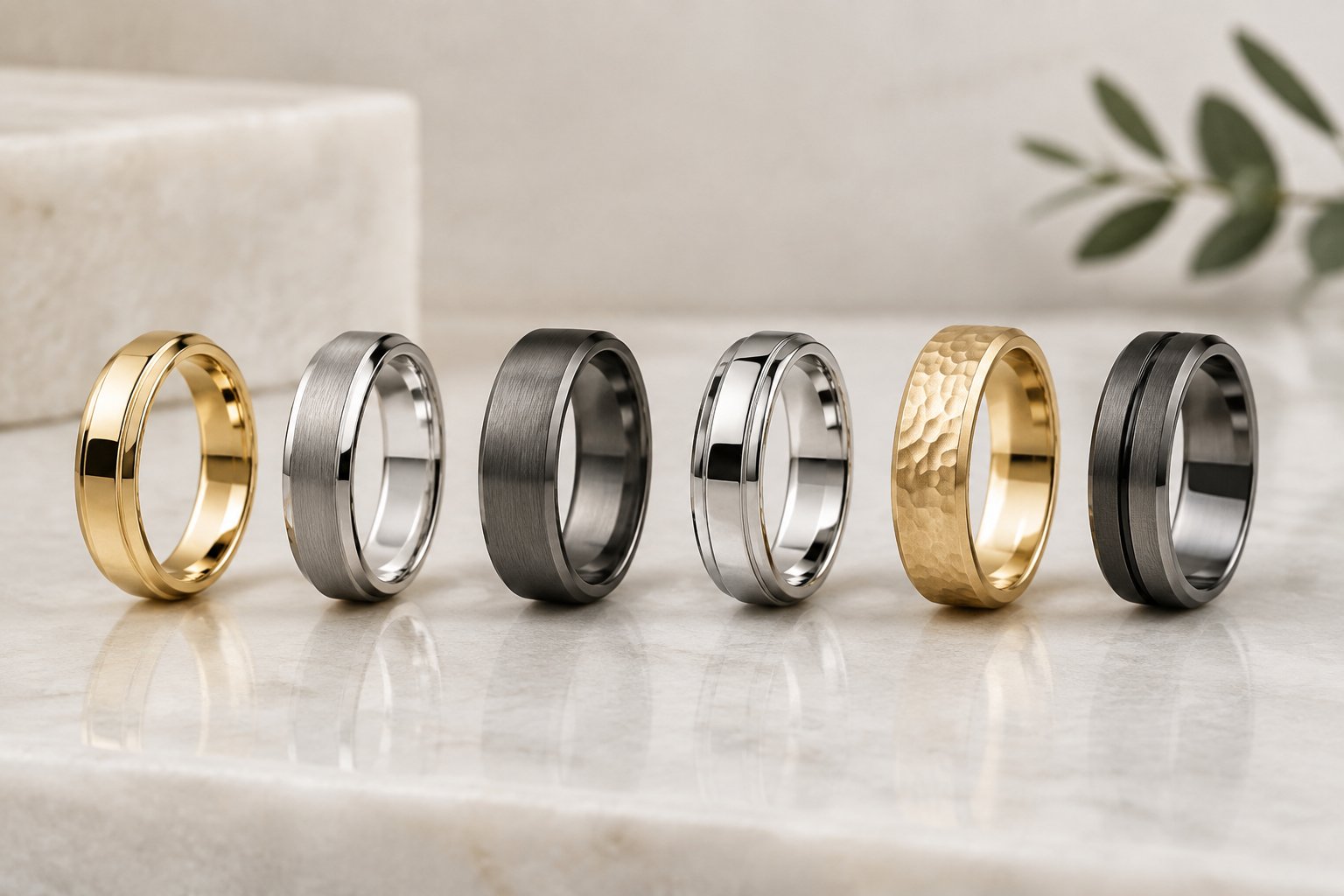
A 14k gold band contains more alloy and less pure gold than an 18k gold band. That makes 14k gold harder and more affordable for daily wear, while 18k gold offers a richer color and higher gold content.
A plain 14k gold ring often falls near the lower or middle part of the precious-metal range. An 18k gold band costs more when its weight and width are comparable. Wider rings require more metal, so a 7mm or 8mm band can cost much more than a 4mm or 5mm version.
White Gold, Yellow Gold, and Rose Gold
Yellow gold shows the natural warm color associated with gold. Rose gold gets its pink tone from copper in the alloy. White gold uses pale alloys and receives a bright rhodium coating.
The gold color itself has less effect on price than karat, weight, width, and construction. A white gold ring also carries a future rhodium-plating cost, which keeps its surface bright as the coating wears.
Titanium, Tungsten, and Other Alternative Metals
A titanium wedding band offers low weight, a modern look, and strong resistance to everyday wear. Titanium rings often cost less than gold and feel comfortable if you prefer a lighter band.
Tungsten carbide feels dense and resists scratches. Cobalt chrome, stainless steel, ceramic, and silicone add more choices across different price points. These alternative metals work well when you want a durable style with a controlled budget.
Check the care and service policy before buying. Some alternative metals have limited repair options, and their fit may require replacement if your finger size changes.
When Platinum Is Worth the Premium
Platinum costs more because it is dense, naturally white, and commonly used in a high-purity form. Its weight gives a substantial feel, and its color does not rely on rhodium plating.
Choose platinum when you want a premium heirloom ring, have a preference for its weight, or want a naturally white precious metal. A plain platinum band can exceed the price of a similar 14k or 18k gold band before width, engraving, or stones are added.
Which Design Details Raise the Final Price?
Width, metal weight, gemstones, and custom craftsmanship can raise the final price faster than a basic style change. A plain narrow band stays close to the material cost, while a heavy ring with diamond accents and hand-finished details enters a higher range.
How Ring Width and Weight Affect Cost
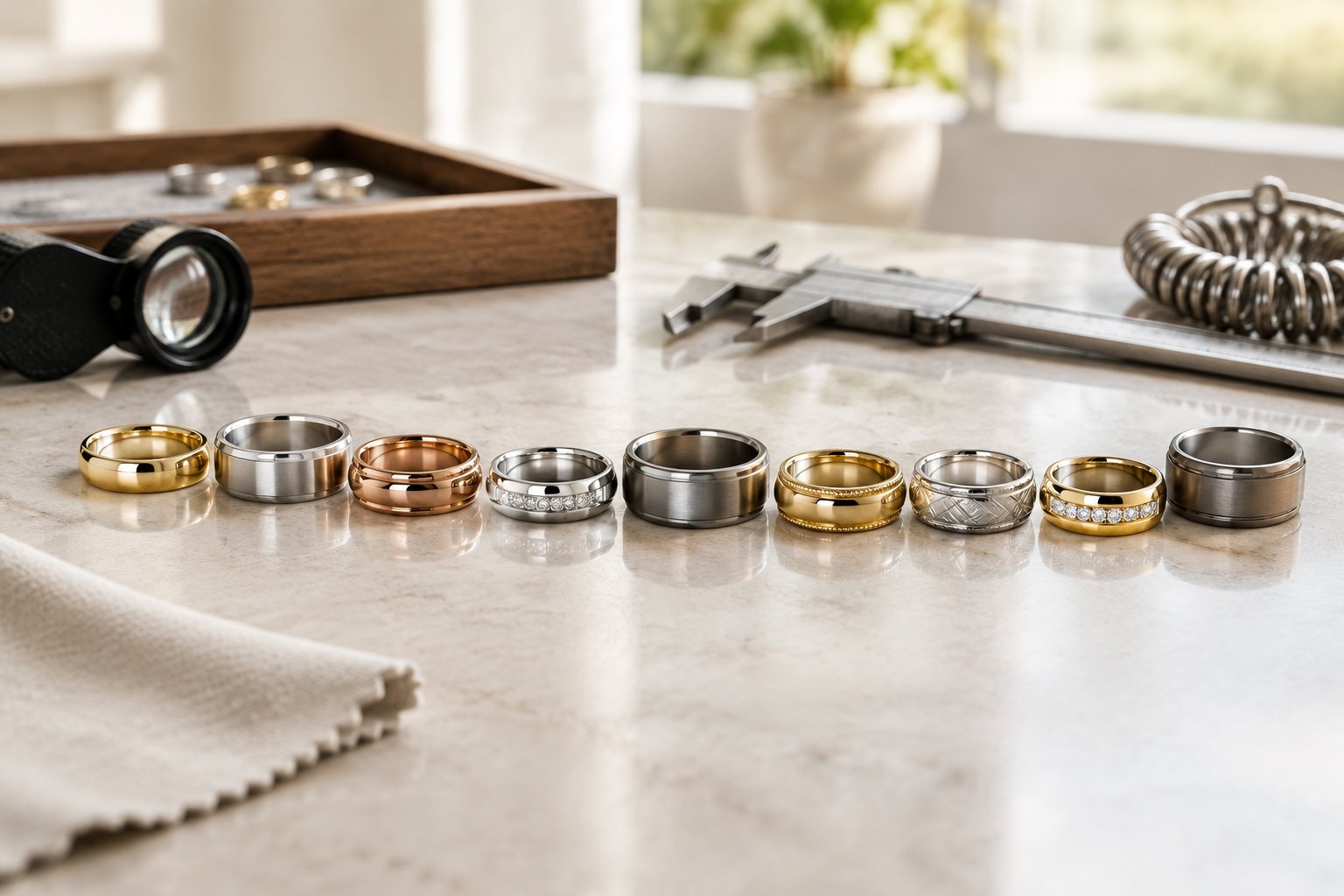
A wider band uses more metal and takes more time to form and finish. A 6mm ring costs more than a similar 4mm ring when the alloy, size, and design match.
Your finger size also affects material weight. A larger size requires more metal, while a thick comfort-fit profile adds volume inside the band. Ask for the ring’s width, thickness, and approximate gram weight when comparing prices.
The Cost of Diamond Accents and Lab-Grown Diamonds
Diamond accents add cost through the stones, setting work, and extra finishing. Small channel-set or flush-set stones create a modest increase, while a full row of diamonds or larger stones can move a band into the premium range.
Lab-grown diamonds offer another price path. They have the same basic crystal structure as mined diamonds, while their pricing reflects a different supply chain. Compare total carat weight, color, clarity, setting security, and the grading report when two rings look similar.
Engraving, Inlays, and Custom Work
Basic machine engraving may add a small fee. Hand engraving, custom symbols, special lettering, and interior fingerprint designs require more labor.
Wood, meteorite, carbon fiber, ceramic, and colored stone inlays create a distinct appearance. They also add construction steps and affect future repairs. Custom sizing and one-off designs carry higher labor charges and may have different return terms.
Polished, Hammered, and Textured Finishes
A polished finish gives a smooth, reflective surface and is common on classic bands. A hammered finish adds small dimples that create a handcrafted look. Other textured finishes include brushed, satin, sandblasted, and milgrain details.
Finish pricing depends on the ring’s construction and the amount of handwork. A basic brushed surface may cost little more than polish, while a complex pattern or artisan finish increases labor.
What Does Each Budget Buy?
Your budget determines the metal, weight, finish, and customization available across men’s wedding bands. You can find wearable designs at every price level, with 14k gold and premium alternative metals covering much of the middle range.
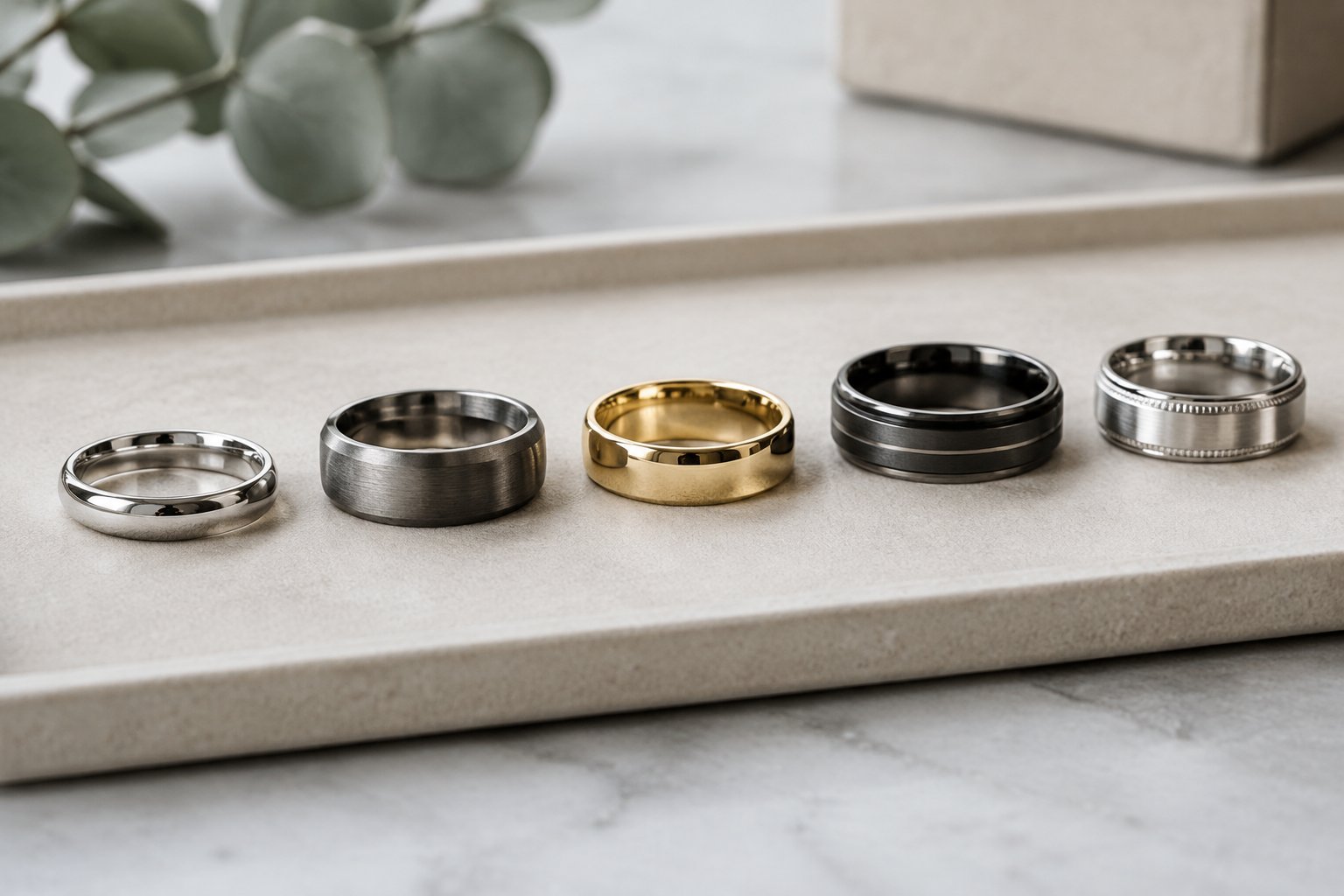
Options Under $500
This range includes titanium wedding band styles, tungsten carbide, stainless steel, silicone, ceramic, and some narrow gold bands. You can also find polished, brushed, hammered, and two-tone designs.
Focus on accurate sizing, a comfortable interior profile, and a clear warranty. If you choose an alternative metal, confirm how the seller handles damage, exchanges, and a future size change.
Choices From $500 to $1,500
This range offers the widest selection. You can compare plain 14k gold, selected 18k gold, heavier alternative metals, mixed-metal designs, and bands with small diamond accents.
At this price, examine the ring’s gram weight and thickness. A lower-priced wide band may contain less metal than a narrower ring from a higher-priced collection. Compare the same specifications before treating a price difference as a bargain.
Premium Bands Above $1,500
Premium bands include substantial 18k gold, platinum, designer styles, custom work, and more visible diamonds. Complex inlays, hand engraving, unusual profiles, and heavier widths can raise the cost further.
Ask for details about stone grades, metal purity, production time, insurance value, and repair coverage. A premium purchase deserves a service plan that matches its price.
Where Should You Buy a Wedding Band?
An online retailer can offer broad selection and clear pricing, while a local jeweler provides hands-on fitting and personal service. Compare the ring specifications and the after-sale terms before choosing where to buy.
Online Retailers vs. a Local Jeweler
Online shopping makes it easy to filter by metal, width, size, finish, and price. Product pages can also show multiple views and customization options. Build extra time into your order for sizing, shipping, and possible exchanges.
A local jeweler lets you feel different metals, compare widths on your hand, and discuss fit with a professional. An independent jeweler may also adjust a design or arrange custom work around your budget.
Blue Nile, James Allen, and Brilliant Earth
Blue Nile offers online wedding-band shopping with filters for metal, style, and price. James Allen is known for detailed product views that help you inspect ring designs before ordering. Brilliant Earth offers wedding bands in precious metals, alternative metals, and designs with natural or lab-grown stones.
Review each retailer’s current policies for sizing, returns, engraving, shipping, warranties, and stone documentation. Promotions can change the final price, so save the full checkout terms with your order details.
Independent Jewelers, Jared, Etsy, and Manly Bands
Independent jewelers provide a direct conversation about metal weight, fit, repairs, and custom details. Jared offers a broad retail selection and in-store service options.
Etsy includes many small makers, so inspect seller reviews, material descriptions, sizing instructions, and return policies carefully. Manly Bands focuses on men’s wedding bands across classic metals, alternative metals, and distinctive inlay designs.
How to Compare Prices Beyond the Sticker
Use this checklist when comparing two rings:
- Metal type and karat
- Ring width, thickness, and gram weight
- Natural or lab-grown stones
- Included engraving and sizing
- Shipping, taxes, and return fees
- Warranty, repairs, and future exchanges
- Insurance documentation and appraisal availability
A $700 ring with free sizing and strong repair coverage may carry a lower long-term cost than a $600 ring with paid exchanges and limited service.
How Do Resizing and Maintenance Affect Long-Term Value?
Resizing and maintenance can add from a small service fee to a significant repair bill, depending on the metal and design. Include fit protection, cleaning, plating, warranty coverage, and replacement limits when calculating long-term value.
Why a Lifetime Size Exchange Matters
A lifetime size exchange gives you a path to a new size if your finger changes. This benefit is valuable for a ring you expect to wear every day, especially when the original design cannot be resized easily.
Read the conditions closely. Some policies cover one exchange, while others require the ring to remain free of engraving, damage, or heavy wear. Confirm whether shipping and the price difference for a new ring are included.
Can Titanium and Other Alternative Metals Be Resized?
Titanium rings and many other alternative-metal bands cannot be resized through standard cutting and soldering methods. A seller may provide an exchange program or offer a replacement in a new size.
Gold and platinum bands provide more traditional resizing options, although stones, intricate patterns, full-circle designs, and inlays can limit the work. Get the sizing policy in writing before ordering an alternative-metal ring.
Rhodium Plating and White-Gold Upkeep
White gold receives rhodium plating to create a bright white surface. Daily wear gradually affects that coating, so you may need periodic replating. Service prices vary by jeweler and ring design.
Clean white gold with mild soap, warm water, and a soft brush. Remove the ring during harsh chemical exposure and ask your jeweler to inspect the setting if the band includes stones.
Warranty, Returns, and Repair Costs
A warranty can cover manufacturing defects, while routine scratches, accidental damage, lost stones, and normal wear may fall outside its terms. Returns can also change after engraving or custom work.
Keep your receipt, appraisal, warranty documents, and care instructions together. Ask about resizing, polishing, rhodium plating, stone tightening, shipping, and deductible charges before purchase. These details help you estimate the ring’s cost after the wedding day.