
Average Price for Wedding Flowers: 2026 Cost Guide
For most U.S. couples, the average price for wedding flowers in 2026 is about $2,800, with many weddings falling between $2,500 and $5,000. Smaller celebrations with personal flowers and a few arrangements may cost less than $2,000, while full-service floral design with arches, premium blooms, and installation can reach $7,500 or more.
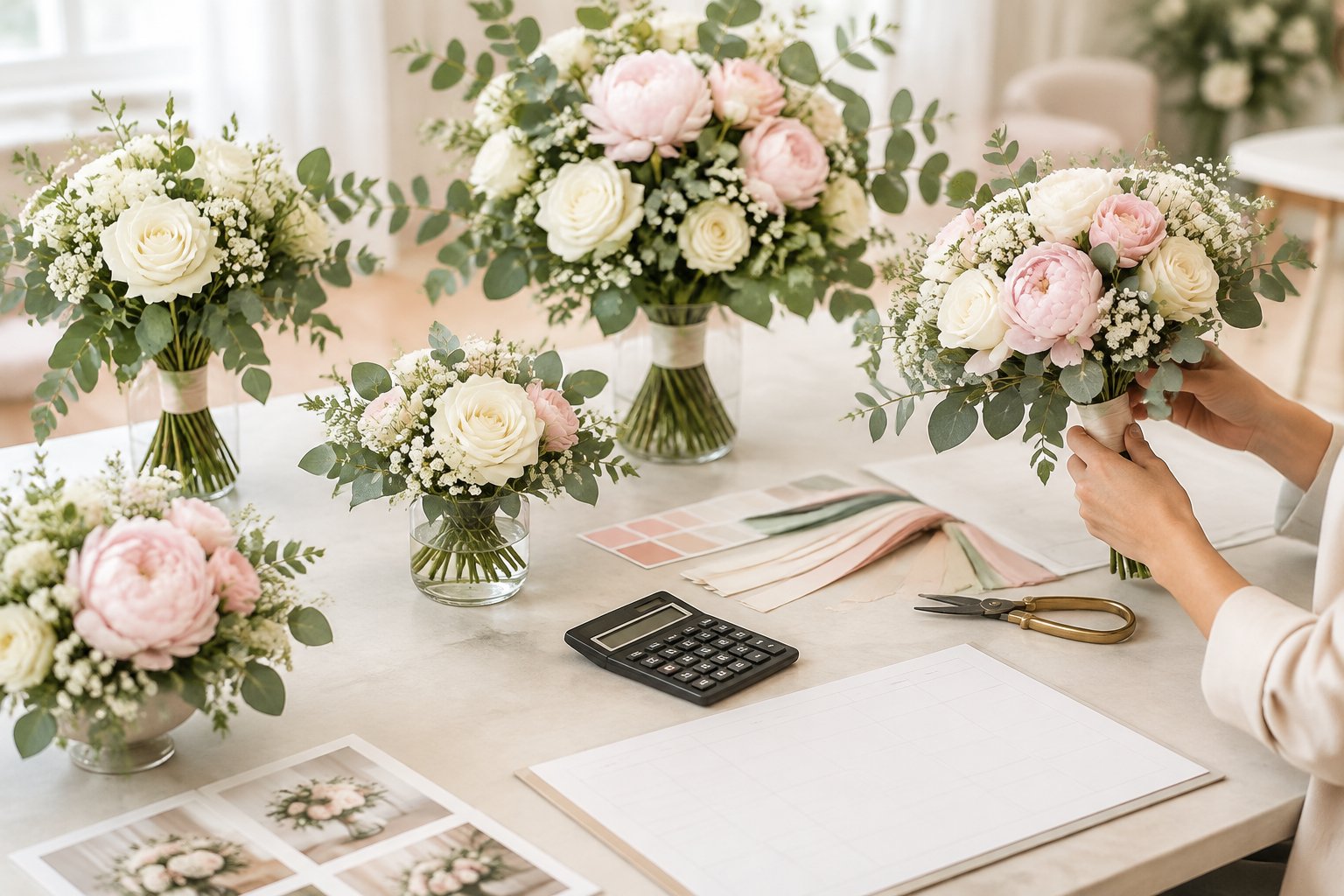
Your final wedding flower costs will reflect your guest count, venue, date, flower choices, arrangement sizes, and the amount of labor required. Set your floral budget early, choose the moments you want guests to notice, and ask your florist for a quote that lists every service.
Then you can adjust the design with confidence before booking.
The 2026 Cost Range at a Glance
A practical 2026 wedding flower budget is $2,500 to $5,000 for many U.S. weddings, with about $2,800 serving as a useful national planning figure. Smaller floral plans can start near $300 for an elopement, while large celebrations with extensive installations can exceed $10,000.
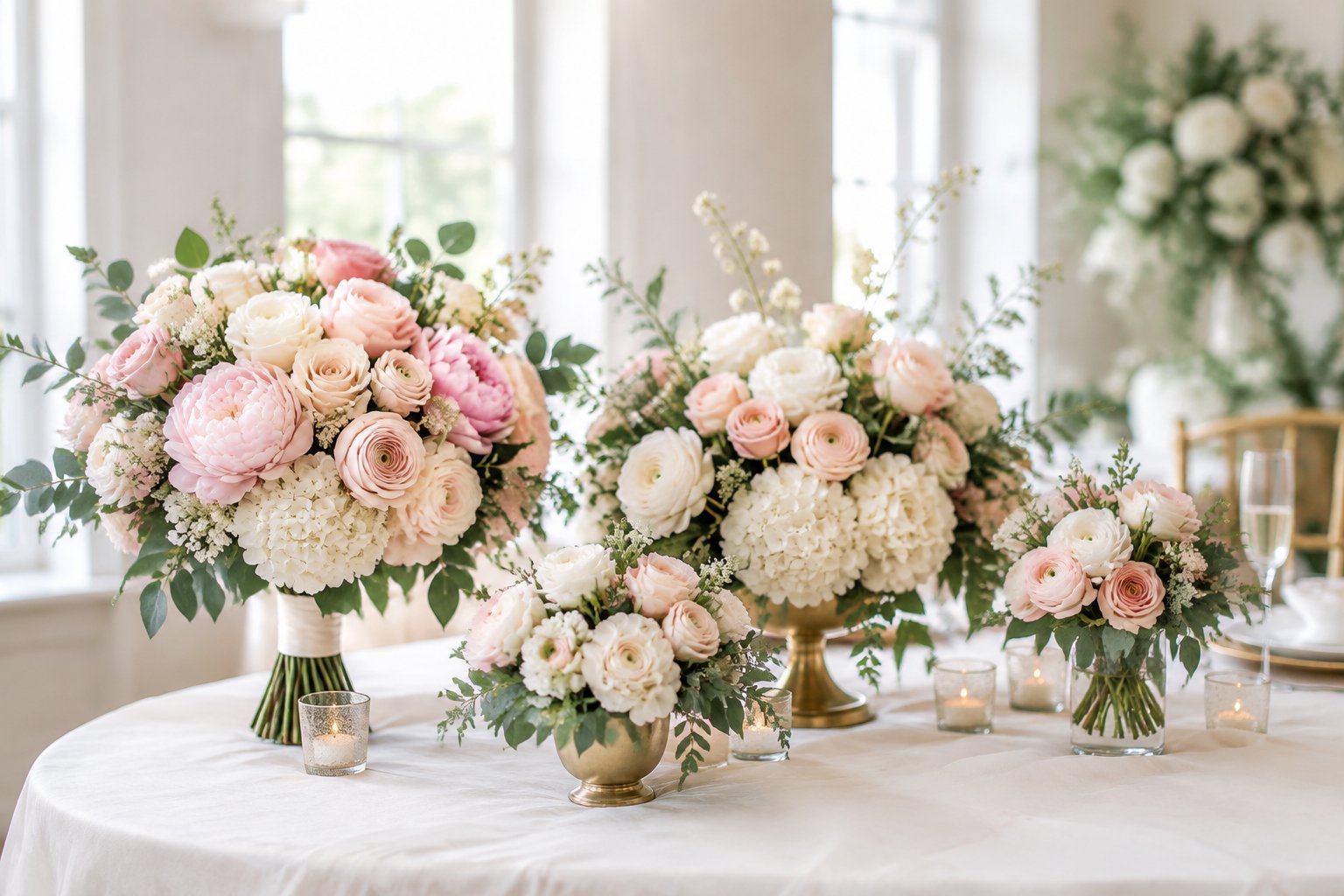
Your floral budget should match the role flowers play in your day. Personal flowers and table designs create a polished look within a moderate budget.
Ceremony structures, hanging designs, and flower-filled reception spaces move the wedding flower cost into a higher range.
What Is the Typical Spend for Different Budget Levels?
| Floral plan | Approximate budget | What it may include |
|---|---|---|
| Elopement or courthouse wedding | $300–$1,500 | Bouquet, boutonniere, and small accents |
| Intimate wedding under 50 guests | $1,500–$4,500 | Personal flowers, ceremony piece, limited table flowers |
| Classic 75–125 guest wedding | $4,500–$9,000 | Wedding party flowers, ceremony arrangements, centerpieces |
| Large wedding with 150 or more guests | $8,000–$15,000+ | Full personal flowers, ceremony installation, reception florals |
| Luxury floral design | $15,000–$30,000+ | Custom structures, hanging flowers, premium blooms, extensive setup |
A plan near $2,800 might cover a bridal bouquet, bouquets for attendants, boutonnieres, ceremony accents, and modest reception centerpieces. A full-service proposal near $5,000 to $7,500 may add larger arrangements, delivery, setup, and a focal installation.
How Much of a Wedding Budget Should Go to Flowers?
A starting point of 8% to 10% of your total wedding budget works for many couples. A $30,000 wedding could support a floral budget of $2,400 to $3,000, while a $50,000 wedding could support $4,000 to $5,000.
Raise that share when flowers frame your ceremony, fill the reception room, or form a major part of your photographs. Keep it lower when you prefer a bouquet, a few ceremony accents, and simple table arrangements.
Write down your must-have floral pieces before you set a final number. Include delivery, setup, rentals, taxes, and possible breakdown charges so your floral budget reflects the complete invoice.
How Guest Count and Location Change the Total
Guest count affects your wedding flower costs through the number of tables, centerpieces, personal flowers, and installation hours. A 150-person reception may need 15 tables, while a 60-person event may need only six.
That difference quickly changes the total even when each centerpiece has the same price.
Location affects labor rates, delivery distance, parking, venue access, and flower availability. Major cities and high-cost regions often produce higher quotes.
A rural venue may have lower local rates, though a long drive or limited florist availability can add delivery charges.
Ask each florist to price the same guest count, flower style, arrangement size, and service level. This gives you a clearer comparison than looking at the total alone.
What Each Floral Item Usually Costs
Personal flowers often make up a predictable part of the invoice, while reception centerpieces and ceremony installations create the widest price swings. Your design style, bloom choices, arrangement size, and service needs set the final price.
What Does a Bridal Bouquet Cost?
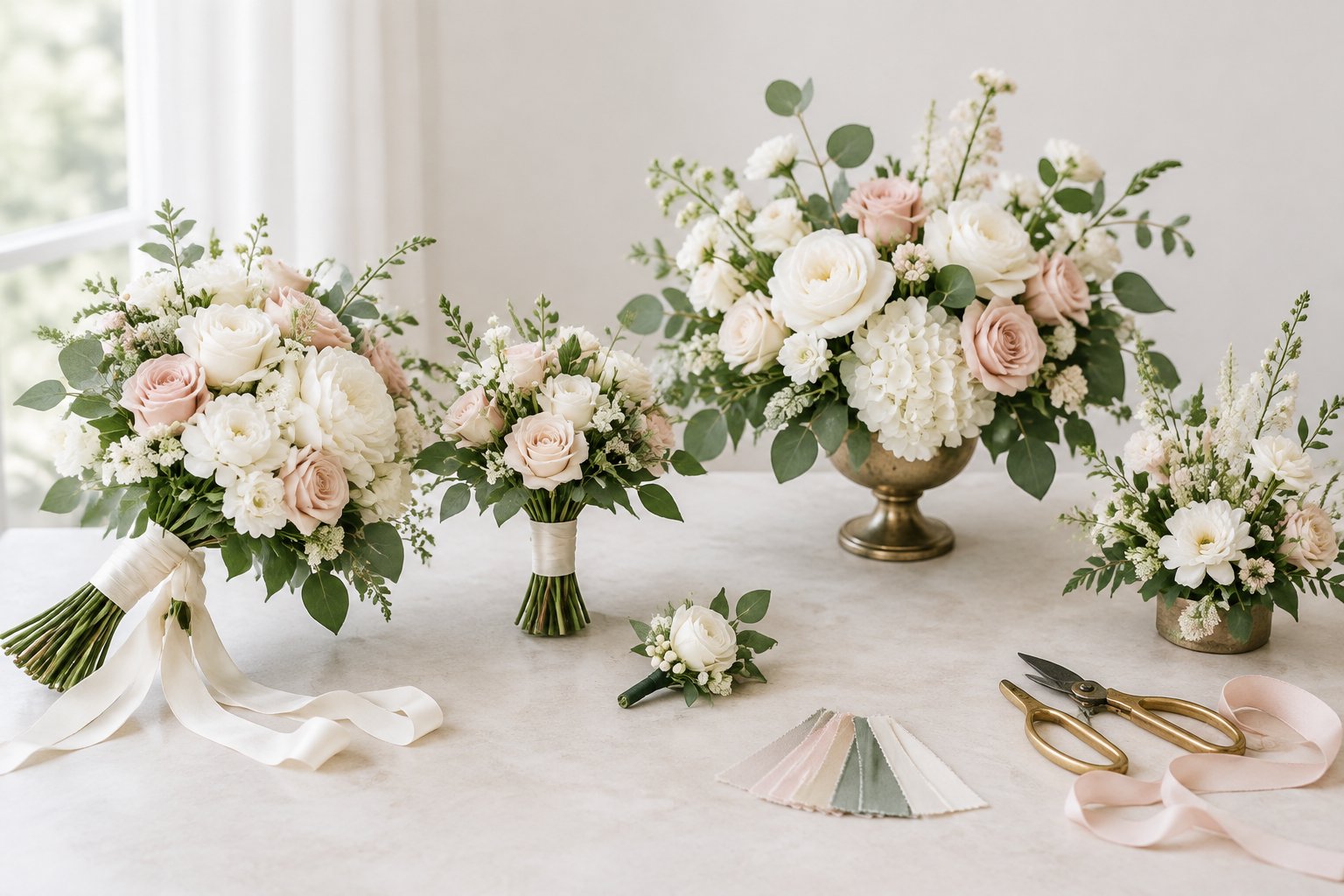
A bridal bouquet costs about $150 to $500 or more in 2026. A compact hand-tied design with seasonal flowers sits near the lower end.
A large cascading bouquet with premium blooms, special wiring, delicate ribbon, or a complex shape costs more.
Your bouquet receives close attention in portraits, ceremony photos, and detail images. If it is a priority, put more of your floral budget into its size, flower mix, and finish.
Bridesmaid bouquets commonly cost $65 to $200 each. Matching colors with simpler flower choices helps create a coordinated look while keeping the bridal bouquet distinct.
What Do Bridesmaid Bouquets, Boutonnieres, and Corsages Cost?
| Item | Common price range |
|---|---|
| Bridesmaid bouquet | $65–$200 each |
| Boutonniere or buttonhole | $15–$50 |
| Wrist or pin-on corsage | $20–$50 |
| Flower crown | $45–$125 |
| Flower girl basket or petals | $30–$100 |
Boutonnieres and buttonholes use few stems, yet wiring, taping, pinning, and careful handling add labor. Corsages need secure mechanics and comfortable ribbon or wrist materials.
Count every person who needs a personal flower before requesting a proposal. Include parents, grandparents, ushers, readers, flower attendants, and anyone else you want represented.
What Do Table Centrepieces and Reception Centerpieces Cost?
Reception centerpieces cost about $75 to $400 or more per table. Low designs use fewer flowers and simpler vessels.
Tall centerpieces need extra stems, containers, support structures, transport protection, and setup time.
For a 100-person reception with 10 tables, a $125 centerpiece adds $1,250 before delivery and service charges. A $250 design adds $2,500.
This multiplication effect makes centerpieces one of the largest parts of many wedding flower costs.
Bud vases, candles, greenery, and mixed-height arrangements help you create a full table design with fewer large floral pieces. Ask whether your florist includes vessel rental, candle placement, and pickup in the quote.
What Do Ceremony Flowers Cost?
Ceremony arrangements range from about $100 to $500 or more for altar pieces, aisle arrangements, or welcome displays. A ceremony arch commonly costs $500 to $2,500 or more for the flowers alone, depending on coverage and structure.
Aisle markers often cost $50 to $220 each. Cake flowers may cost $25 to $100 or more, while hair flowers and flower girl petals add smaller line items.
Focus your ceremony flowers around the area that appears behind you during the vows. A strong altar arrangement, asymmetrical arch design, or floral meadow creates more visual impact than placing a small arrangement on every possible surface.
Why Florist Quotes Vary So Much
Florist quotes vary because wedding flowers include sourcing, processing, design labor, supplies, transportation, setup, and venue logistics. The raw flower price is only one part of the proposal.
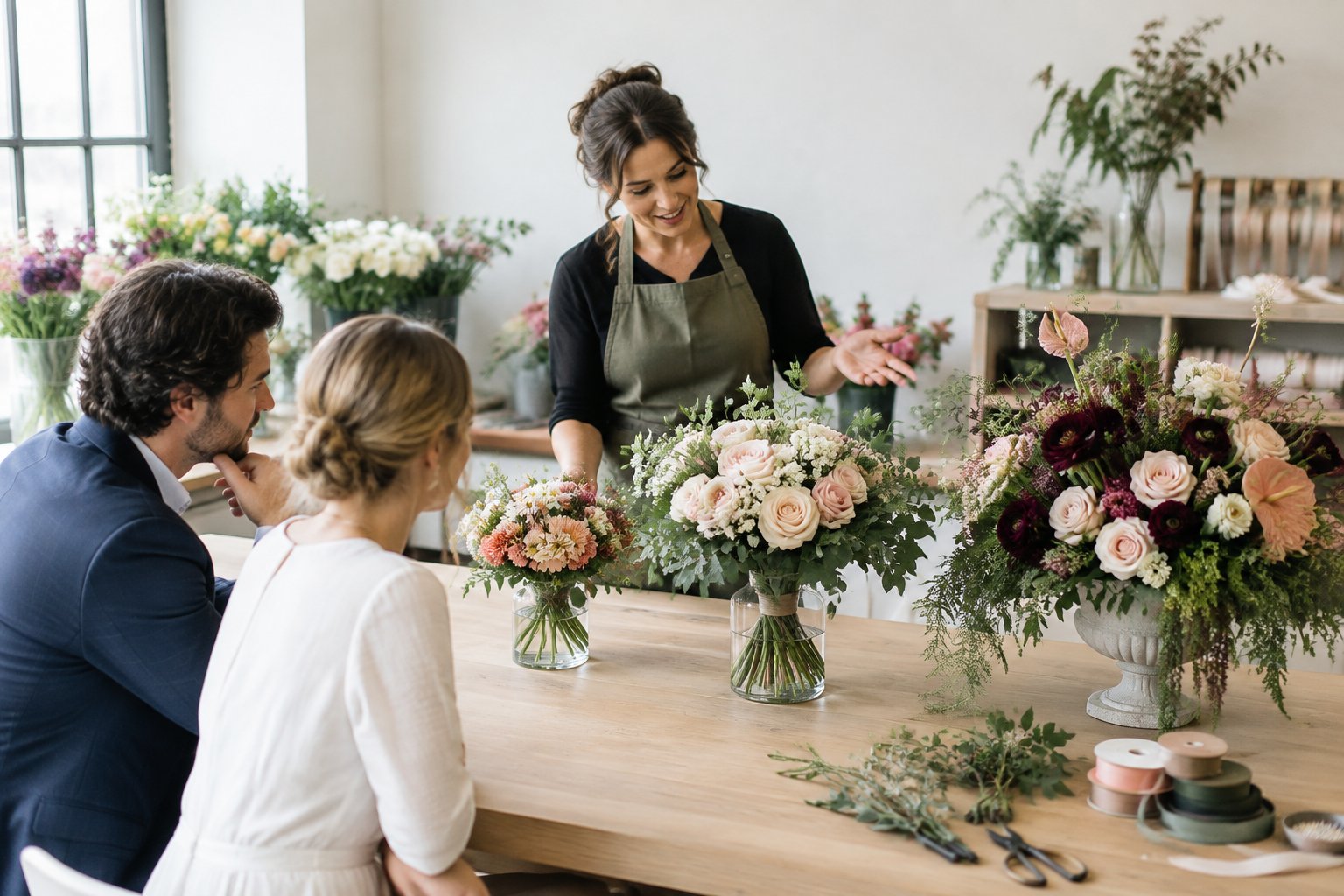
Two proposals with the same color palette may use different stem counts, flower grades, arrangement sizes, mechanics, and service levels. Request those details in writing so you compare equivalent designs.
How Flower Varieties and Stem Counts Affect Pricing
A small bouquet filled with standard roses uses fewer costly stems than a loose, oversized design filled with peonies, orchids, or garden roses. Shape also changes labor.
A round hand-tied bouquet takes less construction time than a cascading bouquet with wired flowers and trailing elements.
Ask for the planned size and flower recipe for each major piece. A quote that names only “romantic white flowers” leaves too much room for different interpretations.
Fresh flowers also require processing. Your professional florist must trim stems, remove damaged petals, hydrate flowers, sort colors, and store the product at the right temperature before design begins.
Why Seasonality and Sourcing Matter
In-season flowers are easier to source and often provide better value. Out-of-season flowers may require imports, special ordering, air freight, or a flexible substitution plan.
Peonies, dahlias, and certain garden roses can cost more outside their natural growing season. Imported flowers also carry freight and handling costs before they reach the studio.
A florist can protect your look by suggesting a similar bloom with a better seasonal price.
Share your wedding date before you fall in love with a specific flower list. Your florist can recommend seasonal blooms with similar color, shape, or texture.
What Labor, Delivery, and Installation Include
Labor may cover consultation time, sourcing, flower processing, design, packing, delivery, setup, venue coordination, and cleanup. A proposal might also include rental vessels, arches, stands, floral foam alternatives, wire, tape, ribbon, and protective transport materials.
Delivery and setup costs rise with distance, venue access, stairs, tight loading windows, room flips, and the number of people required. Breakdown service adds a late-night return trip and removal of rented structures or containers.
Ask these questions before signing:
- Is delivery included?
- Does setup cover ceremony and reception spaces?
- Who moves flowers during a room flip?
- Are rentals included?
- Does the florist return for breakdown?
- Are taxes and service charges listed?
When Arches, Flower Walls, and Hanging Designs Raise Costs
A ceremony arch, floral arch, flower wall, or hanging design carries costs for flowers, structure, mechanics, ladders, safety checks, transport, and installation time. Dense coverage requires far more stems than a partial asymmetrical design.
A flower wall also needs a stable frame and careful delivery. Hanging floral installations may require venue approval, rigging support, and an installation team with specialized equipment.
You can control the price by choosing partial coverage, a rented structure, or one focal installation. Show your florist the exact area you want covered and ask how many stems and labor hours the design requires.
Choosing Flowers That Fit Your Budget
Affordable flowers such as carnations, daisies, chrysanthemums, and baby’s breath create fullness and texture, while premium blooms such as peonies, orchids, and lily of the valley increase the floral budget. Your wedding date helps determine which choices offer the best value.
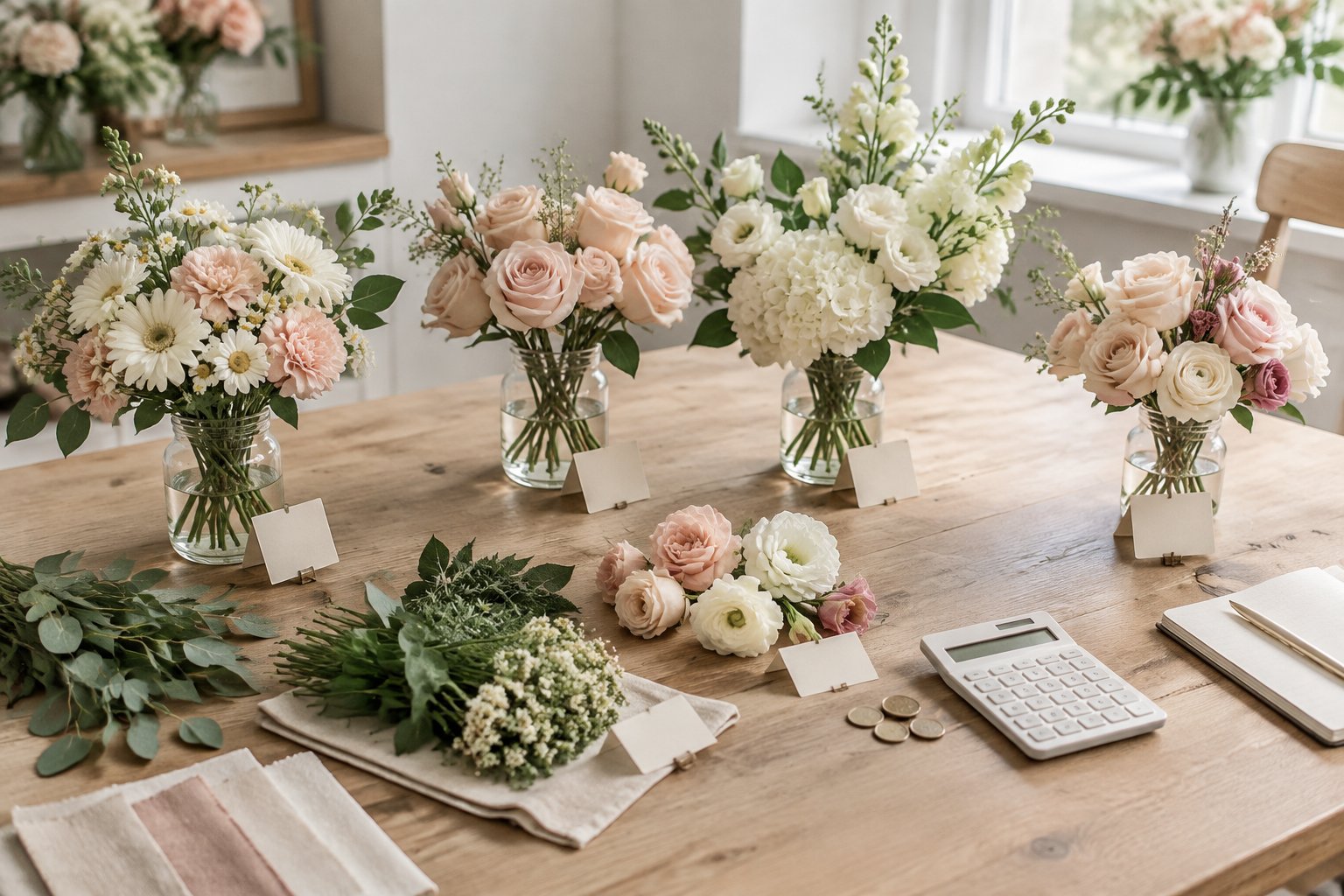
Mixing price levels gives you room to feature a favorite flower in the bridal bouquet while using flexible varieties in larger installations. Ask for substitutions based on shape and color, not only flower names.
Affordable Flowers That Still Look Elevated
Budget-friendly flowers include:
- Carnations, including spray carnations
- Daisies and gerbera daisies
- Alstroemeria
- Baby’s breath
- Chrysanthemums
- Standard roses
- Tulips in season
- Lisianthus
- Snapdragons
- Sunflowers
These flowers offer strong color, texture, or volume. Carnations create dense, ruffled arrangements. Baby’s breath adds an airy finish.
Chrysanthemums and standard roses provide reliable structure across bouquets and centerpieces.
Hydrangeas can look full with a small number of stems, though their water needs and availability affect the quote. Use them in focused arrangements with greenery, roses, or lisianthus for a garden-inspired design.
Premium Blooms That Increase the Spend
Premium flowers include:
- Ranunculus
- Calla lilies
- Dahlias
- Garden roses
- Peonies
- Orchids
- Anemones
- Lily of the valley
These blooms cost more because of limited growing seasons, delicate handling, import needs, or high demand. A bouquet made entirely from premium flowers consumes more of your floral budget than a mixed design.
You can feature peonies or garden roses as focal blooms and fill the surrounding design with roses, lisianthus, carnations, or seasonal greenery. This keeps the special flower visible without using it in every arrangement.
Wedding Flowers by Season
Spring: Tulips, ranunculus, anemones, sweet peas, and some peonies offer fresh color and soft movement. Lily of the valley may require special sourcing and a higher budget.
Summer: Dahlias, sunflowers, hydrangeas, roses, and snapdragons provide strong volume and color. Local availability varies by region.
Fall: Dahlias, chrysanthemums, roses, sunflowers, and textural foliage suit warm palettes and seasonal designs.
Winter: Roses, orchids, anemones, tulips, evergreens, and seasonal greenery create elegant arrangements. Some spring and summer favorites cost more when imported.
Your florist can create a wedding flowers by season plan that keeps your preferred palette while replacing unavailable blooms with similar options. Ask for two or three flower recipes at different price levels.
How to Save Money on Wedding Flowers
The most effective savings come from concentrating flowers in high-impact areas, reusing ceremony arrangements, choosing seasonal blooms, and limiting labor-heavy installations. You can lower wedding florals costs while keeping a finished, intentional look.
Prioritize One High-Impact Floral Moment
Choose one feature that deserves the largest share of your floral budget. Options include the bridal bouquet, ceremony arch, sweetheart table, reception entrance, or head table.
A strong focal design gives your photographer a clear visual anchor and lets you simplify lower-priority areas. Use smaller arrangements or candles on tables when the ceremony installation carries the main design statement.
Tell your florist which floral moment ranks first, second, and third. That order makes trade-offs easier when the quote arrives.
Reuse Ceremony Flowers at the Reception
Ask your florist to move aisle markers, altar arrangements, or arch flowers to the reception. Ceremony arrangements can decorate the sweetheart table, lounge areas, gift table, or guest tables after the vows.
Repurposing can save hundreds of dollars in duplicated flowers, though labor and transportation for the move may still apply. One venue layout with a short transition makes the process easier.
Confirm who moves the flowers, when the transfer happens, and whether the venue allows it before you approve the plan.
Use Greenery Strategically Without Losing Style
Greenery such as eucalyptus, ferns, and ruscus adds volume, movement, and texture. Use it to frame arrangements, fill long tables, create aisle markers, or extend a centerpiece without increasing the flower count at the same rate.
A greenery-heavy design still needs careful sourcing and labor. Ask your florist which foliage is in season and how much coverage each garland or arrangement provides.
Combine greenery with a few strong blooms, candles, bud vases, or textured filler for a layered reception design.
DIY Wedding Flowers vs. Hiring a Florist
DIY wedding flowers may reduce material costs, especially when you buy wholesale flowers through a supplier such as FiftyFlowers. You also take on flower pickup, hydration, processing, arranging, storage, transport, setup, and cleanup.
A professional florist handles the production schedule, flower care, design details, and venue installation. For a 100-person wedding, DIY materials may cost about $1,000 to $2,000, while professional floral service may run $2,500 to $5,000, depending on the scope.
DIY works best when you have reliable helpers, a cool storage area, design time before the ceremony, and a simple plan. Hire a florist when you want complex wedding florals, a large ceremony installation, precise timing, or one person responsible for the finished result.