
Average Price for Wedding Videographer: 2026 Costs
In the United States, the average price for a wedding videographer is about $2,300 in 2026, with many couples spending between $1,500 and $5,000. Smaller coverage packages start near $800, while luxury productions can reach $10,000 or more.
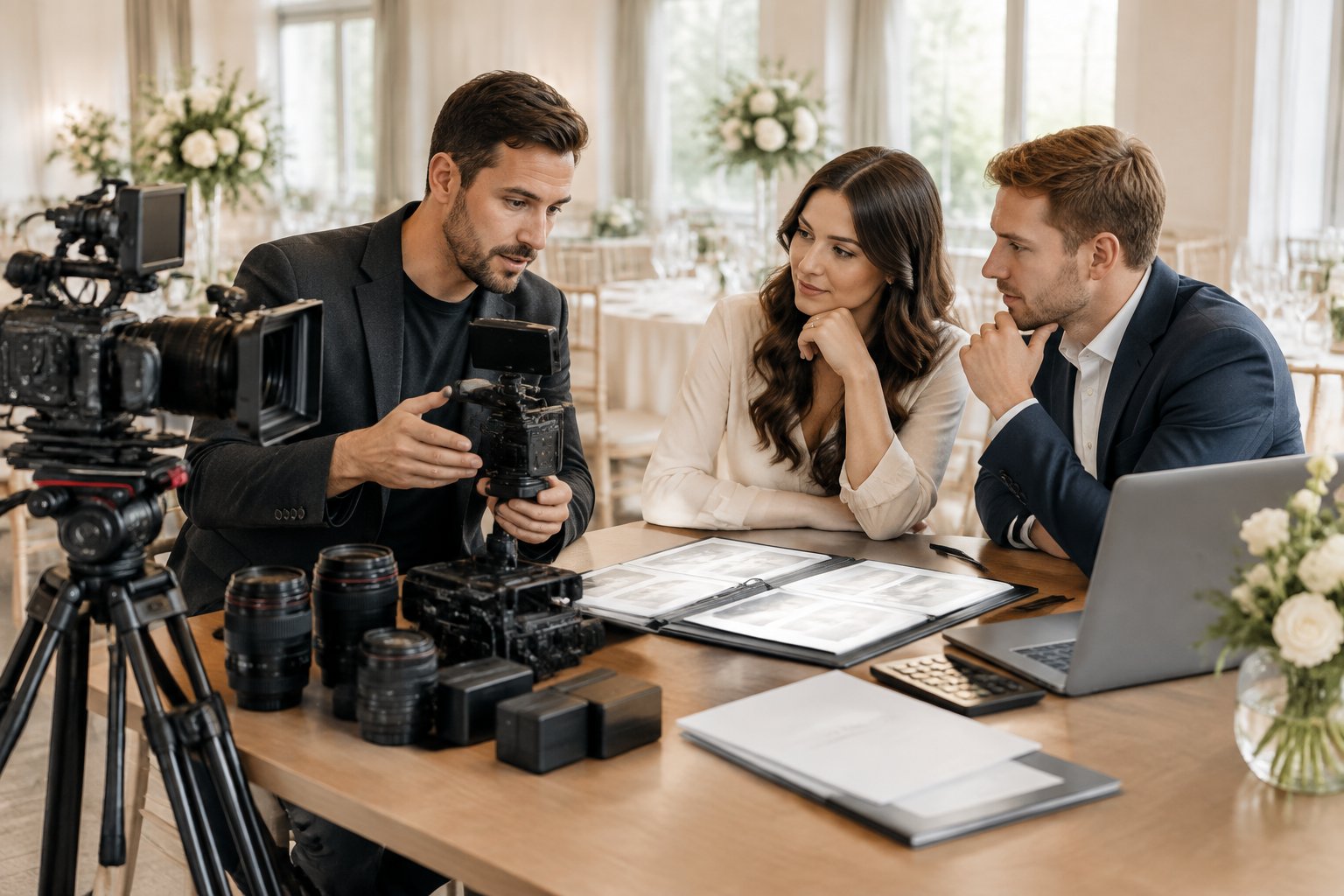
Your wedding videography quote reflects more than the hours spent filming. Package length, crew size, editing style, location, audio quality, and final deliverables all shape the wedding video cost. A professional wedding video also preserves vows, voices, laughter, music, and movement that photos cannot capture.
Set your target budget before contacting a wedding videographer, then request quotes that list coverage, films, travel, editing, and delivery terms. That approach helps you compare services clearly and choose a package that fits your wedding budget.
What Couples Typically Pay in 2026
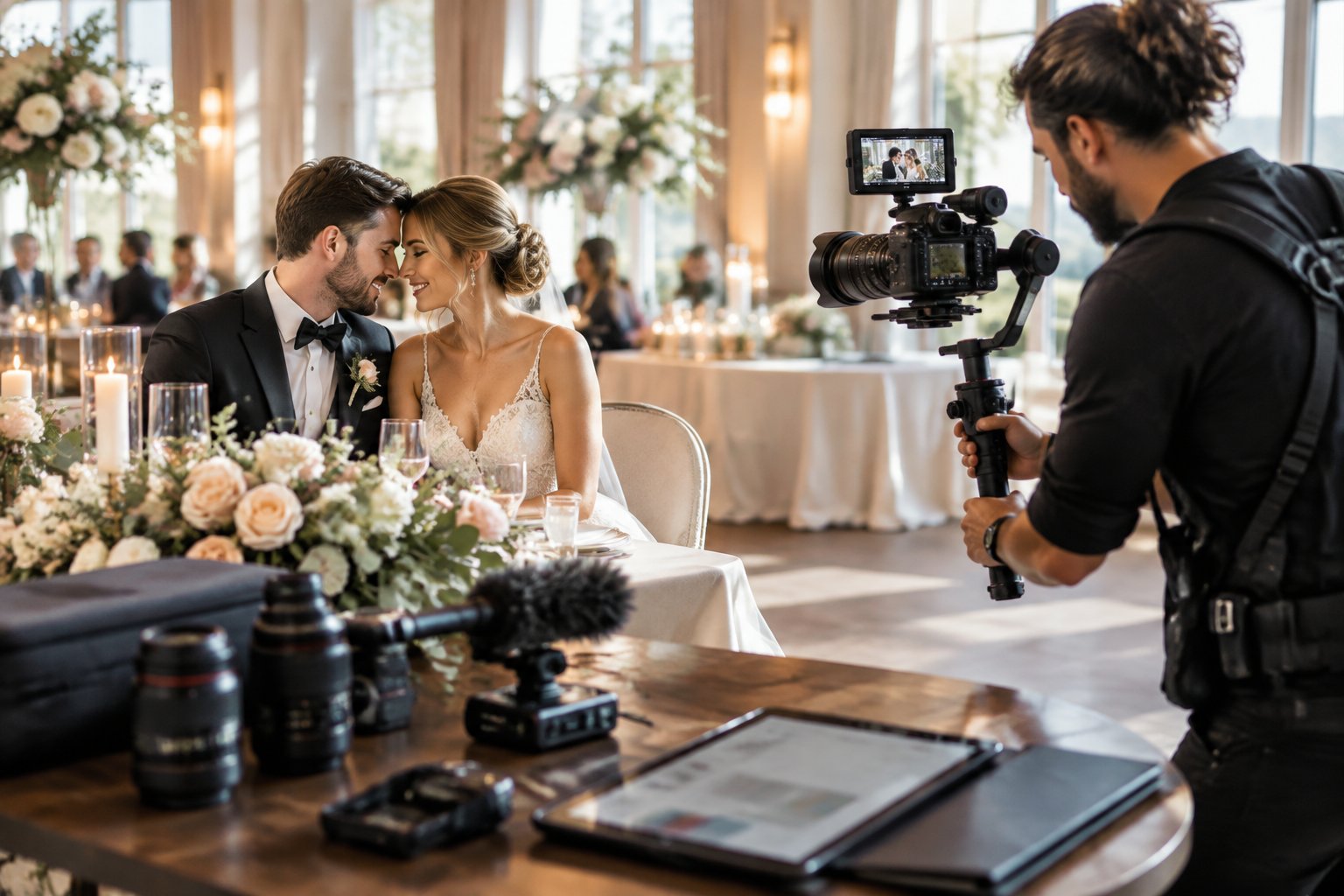
The average wedding videographer cost is about $2,300 nationally, with common wedding videography costs ranging from $1,500 to $5,000. Your final quote will reflect the package scope, filming team, location, and amount of editing included.
Why National Cost Averages Differ
Published wedding videography prices differ because studies measure different groups and package types. One figure might include professional studios with full-day coverage, while another includes short ceremonies, freelancers, or lower-cost packages.
The Knot Real Weddings Study reports an average wedding videographer cost of $2,300. Its spending levels show how widely couples’ budgets differ:
- Lower spending quartile: about $1,000
- Median spending quartile: about $1,900
- Upper spending quartile: about $3,300
These numbers provide useful planning points, though your local quote will depend on the service you select.
How Videography Fits Into a Wedding Budget Breakdown
Wedding videography often takes about 5% to 10% of total wedding spending. A $2,300 package uses about 8% of a $30,000 wedding budget, while a $4,500 package takes 15%.
Place video beside photography, catering, entertainment, attire, and venue costs in your wedding budget breakdown. If video ranks high among your priorities, you might reserve more money for a full ceremony edit and reception coverage. If funds are tight, shorter coverage can preserve the most meaningful moments.
How Location Changes the Final Quote
Location affects wedding videographer pricing through demand, operating expenses, venue rules, parking, and travel time. Regional averages reported by The Knot include approximately $3,000 in the Mid-Atlantic, $2,700 in the Northeast and New England, $2,200 in the Midwest and West, and $2,100 in the South, Southeast, and Southwest.
Major markets such as New York City, Los Angeles, and San Francisco often sit above smaller markets. Ask whether your quote includes mileage, lodging, tolls, parking, taxes, and venue media fees.
What Each Wedding Video Package Includes
Wedding videography packages usually combine a set number of filming hours with one or more edited films, audio work, and digital delivery. Entry packages focus on essential coverage, standard packages add complete ceremony or speech edits, and premium productions provide a larger crew and deeper creative work.
Basic Coverage and a Highlight Reel
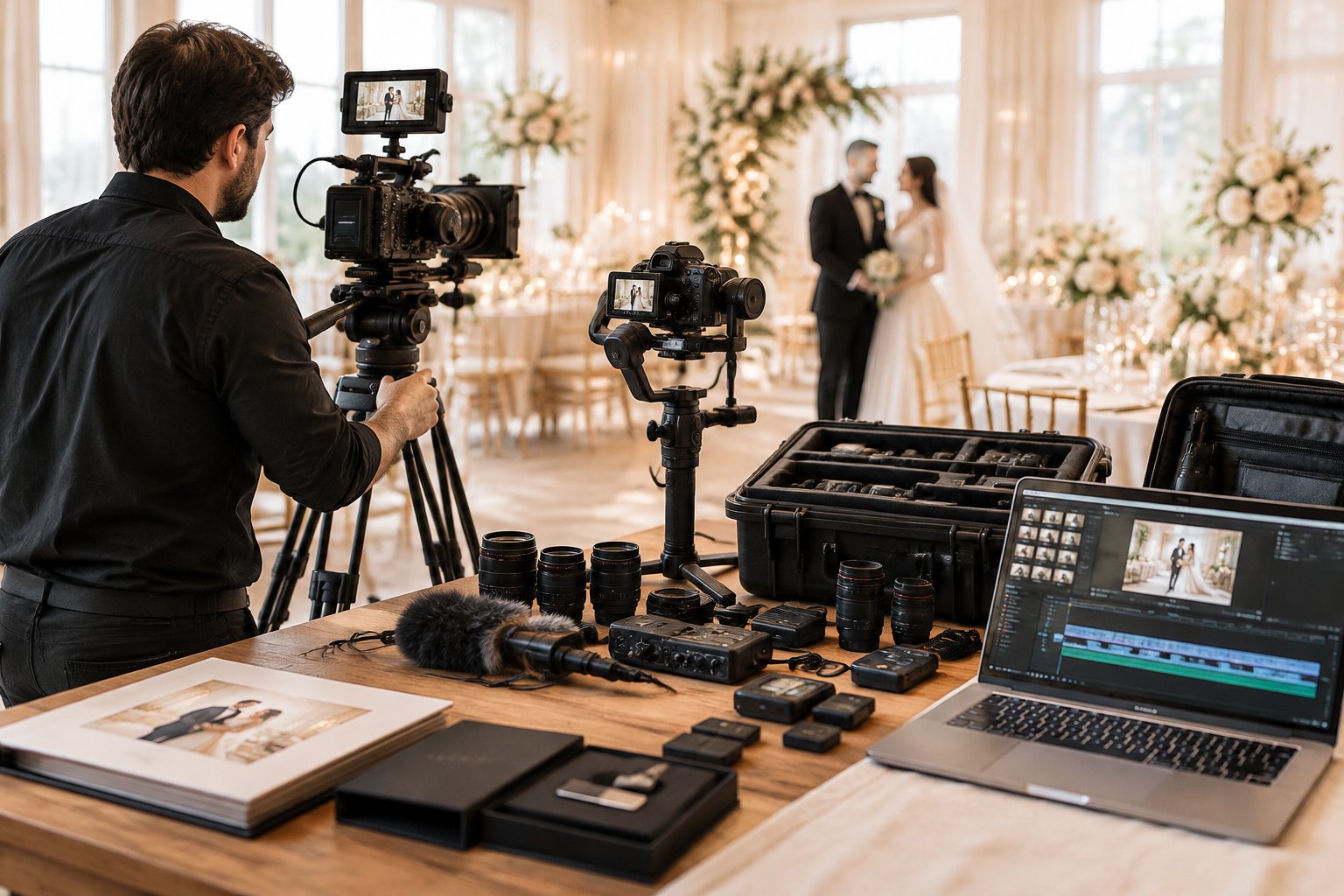
A basic wedding videography package costs about $800 to $2,000. It often includes four to six hours with one videographer, a three- to five-minute highlight reel, basic color correction, and digital delivery.
This wedding video package suits an elopement, courthouse ceremony, micro-wedding, or celebration with a short schedule. Coverage might begin at the ceremony and end after portraits or the first reception events.
Ask whether the highlight reel includes recorded vows and speeches. Some highlight films rely mainly on music, while others weave natural audio into the story.
Standard Coverage With a Ceremony Film
A standard package costs about $2,000 to $5,000 and often includes eight to ten hours of coverage. Deliverables may include getting-ready footage, the ceremony, portraits, reception events, a highlight film, and a ceremony edit.
Some wedding video packages also include a reception edit or separate speeches. Confirm that the team records continuous audio for vows, readings, toasts, and first dances. This tier works well when you want a shareable highlight reel and a complete record of the ceremony.
Premium Cinematic Productions
Premium cinematic wedding film packages begin near $5,000 and can reach $10,000 or more. They may include two or three videographers, full-day coverage, drone footage where permitted, advanced color grading, custom music licensing, and a longer cinematic feature.
You might receive a teaser, highlight reel, ceremony film, reception edit, and several revision rounds. Ask which deliverables you will watch most often before paying for every available feature.
What Drives the Price of a Wedding Film
The largest cost drivers are coverage time, crew size, post-production, audio quality, equipment, travel, and licensing. Two quotes with the same filming hours can differ substantially when one includes a second videographer, raw files, or a longer edited wedding film.
Coverage Hours and Overtime Rates
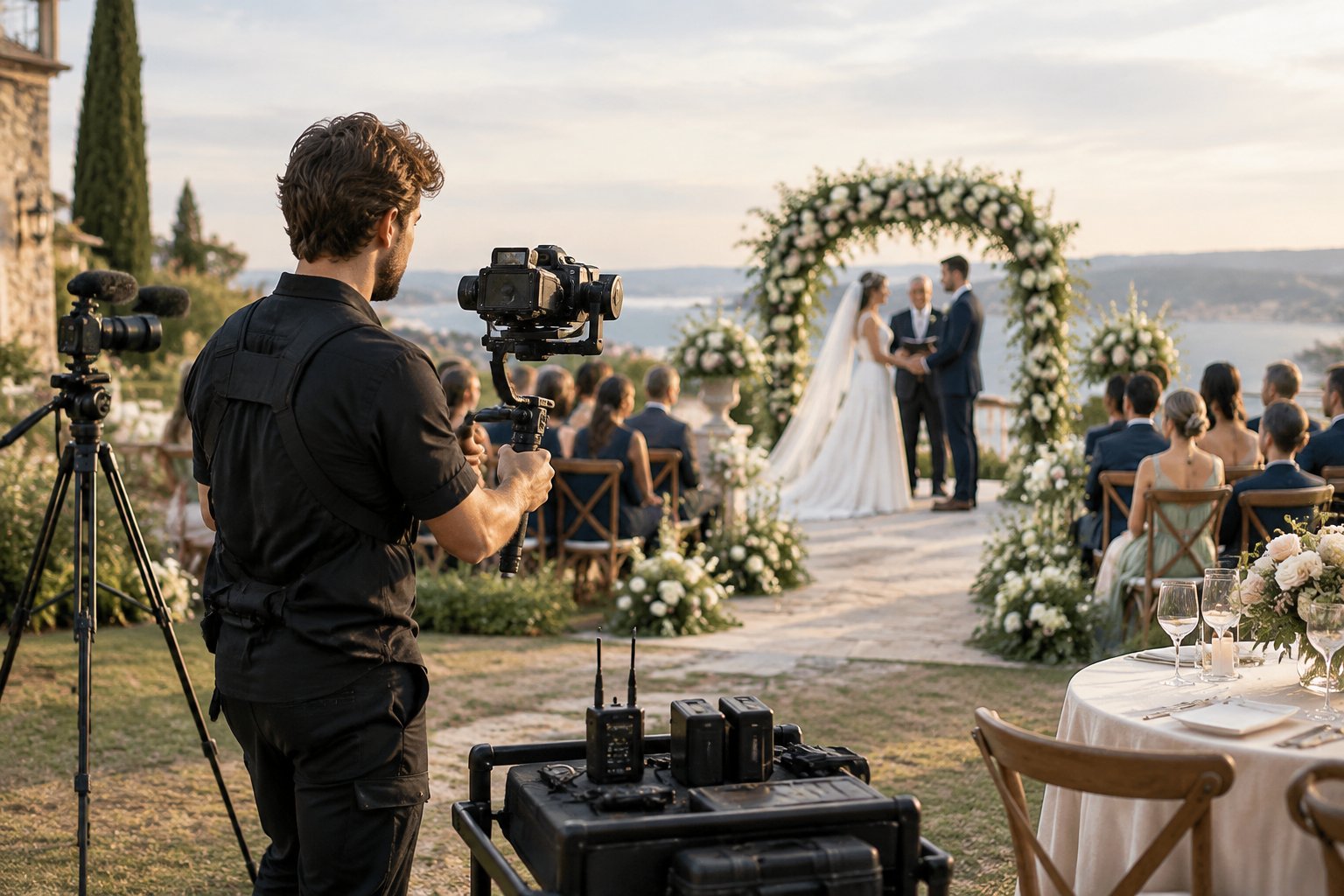
Coverage hours form the base of wedding videographer rates. A short booking might cover the ceremony and portraits, while an eight- to ten-hour booking can include preparation, guest arrivals, the ceremony, dinner, speeches, and dancing.
Share your timeline before requesting a quote. Separate preparation locations, long travel between venues, or a late reception exit can require extra time. Ask whether overtime uses a flat fee or a wedding videographer cost per hour, and include the exact start and end times in your contract.
Solo Videographer vs. Multiple Videographers
A solo videographer works well for smaller weddings with one preparation location and a straightforward venue layout. A second shooter or second videographer adds another professional, camera setup, storage needs, and editing choices.
Multiple videographers help when both partners prepare in separate locations or when important events overlap. Extra angles also provide more reaction shots during vows and speeches. Confirm whether the second shooter stays for the full booking or joins only for selected parts of the day.
Why Post-Production Takes So Much Time
Post-production editing often takes longer than filming. The editor reviews hours of footage, selects moments, synchronizes cameras and audio, builds a story, performs color correction, and prepares each final file.
A longer wedding film requires more editing time than a short highlight reel. Your quote might also include audio mixing, captions, music licensing, teaser clips, and revision rounds. Ask who handles post-production editing and whether the contract states a delivery window. Many films arrive within eight to sixteen weeks.
Audio Quality, Equipment, and Licensing
Clear audio requires careful microphone placement, backup recording, and audio mixing during editing. Your videographer may capture vows through a lavalier microphone, speeches from a sound system, and room ambience through a camera or separate recorder.
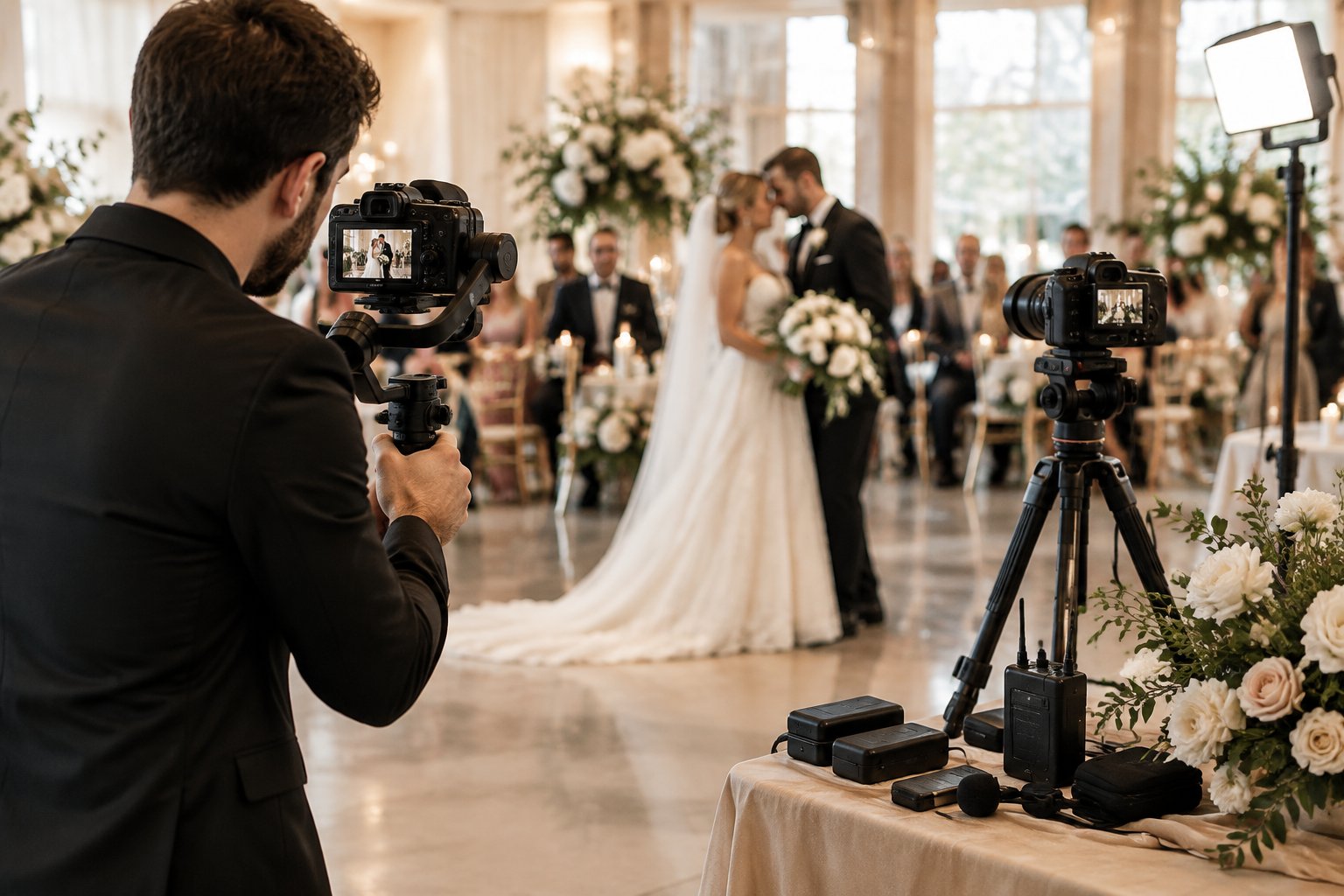
Professional cameras, lenses, stabilizers, lighting, memory cards, backup systems, and editing software add to the service cost. Music licensing also affects pricing when your film uses commercially cleared songs. Review a full wedding film and listen closely to vows and speeches before booking.
Which Add-Ons Are Worth Budgeting For?
The most useful add-ons are the ones that match how you plan to watch and share your wedding video. Drone footage adds venue perspective, raw footage provides an archive, extra event coverage records more memories, and digital delivery keeps finished films easy to access.
Drone Footage and Same-Day Edits
Drone footage creates aerial views of your venue, ceremony setting, or outdoor portraits. It requires suitable weather, safe launch areas, venue approval, and compliance with aviation rules. Ask whether the quoted price includes permits and a licensed drone operator.
A same-day edit gives you a short film during the reception. It requires rapid file transfers, focused editing, music preparation, and an editor working during your wedding. The extra staff and compressed schedule make it a higher-cost add-on.
Raw Footage and Extra Event Coverage
Raw footage delivery gives you unedited camera files for personal archiving. Expect large files and ask how they will be delivered, how long the download remains available, and whether the files include organized folders or separate audio tracks.
Rehearsal dinner coverage records welcome remarks, family stories, and informal moments before the wedding. You might also add a save-the-date video or engagement session if you want a short film before the main event. Request separate prices for each service so you can choose based on value.
Digital Delivery vs. Physical Keepsakes
Digital delivery through a private gallery, downloadable files, or Vimeo provides convenient access for sharing and viewing. Confirm the resolution, download rights, storage period, and backup policy.
A USB drive creates a physical keepsake, while DVD and Blu-ray options suit couples who prefer discs. Physical delivery can involve preparation, duplication, packaging, and shipping charges. Ask whether your digital files remain available after the initial delivery period.
How to Choose the Right Team and Quote
Choose the team whose portfolio, audio quality, service terms, and communication style fit your day, then compare quotes by matching the same coverage and deliverables. A lower wedding videographer price has limited value if it leaves out the ceremony film or uses a style you will not enjoy watching.
When to Bundle Photography and Videography
Bundling wedding photography and videography can simplify planning and improve coordination between the teams. Some studios offer combined wedding photography and videography services, while others work with a preferred partner.
Ask whether the same team manages both services, how cameras will share space, and whether each professional has a separate contract. Review complete galleries and films before booking. A wedding photographer and videographer should communicate about timelines, family portraits, ceremony positions, and reception coverage.
Questions to Ask Before Signing a Contract
Ask these questions before paying a retainer:
- How many coverage hours and videographers are included?
- Which films will you receive, and what length will each be?
- Does the package include getting-ready footage, ceremony audio, and reception speeches?
- Who performs the post-production editing?
- How many revision rounds are included?
- What is the delivery deadline?
- Are travel, taxes, parking, and overtime included?
- Who owns the raw footage, and how can you access it?
- What backup equipment and file-storage plan does the team use?
Watch a full wedding film, not only a short highlight reel. Pay attention to voices, lighting, camera movement, pacing, and footage from venues similar to yours.
How to Budget for Destination Weddings
Destination weddings require a written travel estimate that covers mileage or flights, lodging, meals, tolls, baggage, insurance, and travel days. Venue rules, local filming permits, equipment transport, and weather plans can add costs.
Share your full itinerary before receiving a quote. Ask whether travel expenses are billed at cost or included in a package rate. A destination wedding checklist can help you organize travel details alongside vendor deadlines and venue requirements.
When a Wedding Content Creator Makes Sense
A wedding content creator focuses on fast, social-media-ready clips, often captured on a phone or lightweight camera. This option suits you when quick vertical videos for sharing matter more than a polished, edited wedding film.
A content creator can complement a professional wedding video when you want both immediate posts and a carefully edited keepsake. Confirm the creator’s turnaround time, file format, usage rights, and coverage plan so the roles remain clear.