
Average Price of Wedding Videographer: Costs and Packages
The average price of a wedding videographer in the United States is about $2,300, with many couples budgeting between $1,500 and $5,000 for professional coverage. Your final quote reflects the hours filmed, crew size, editing style, location, and finished wedding video you want.
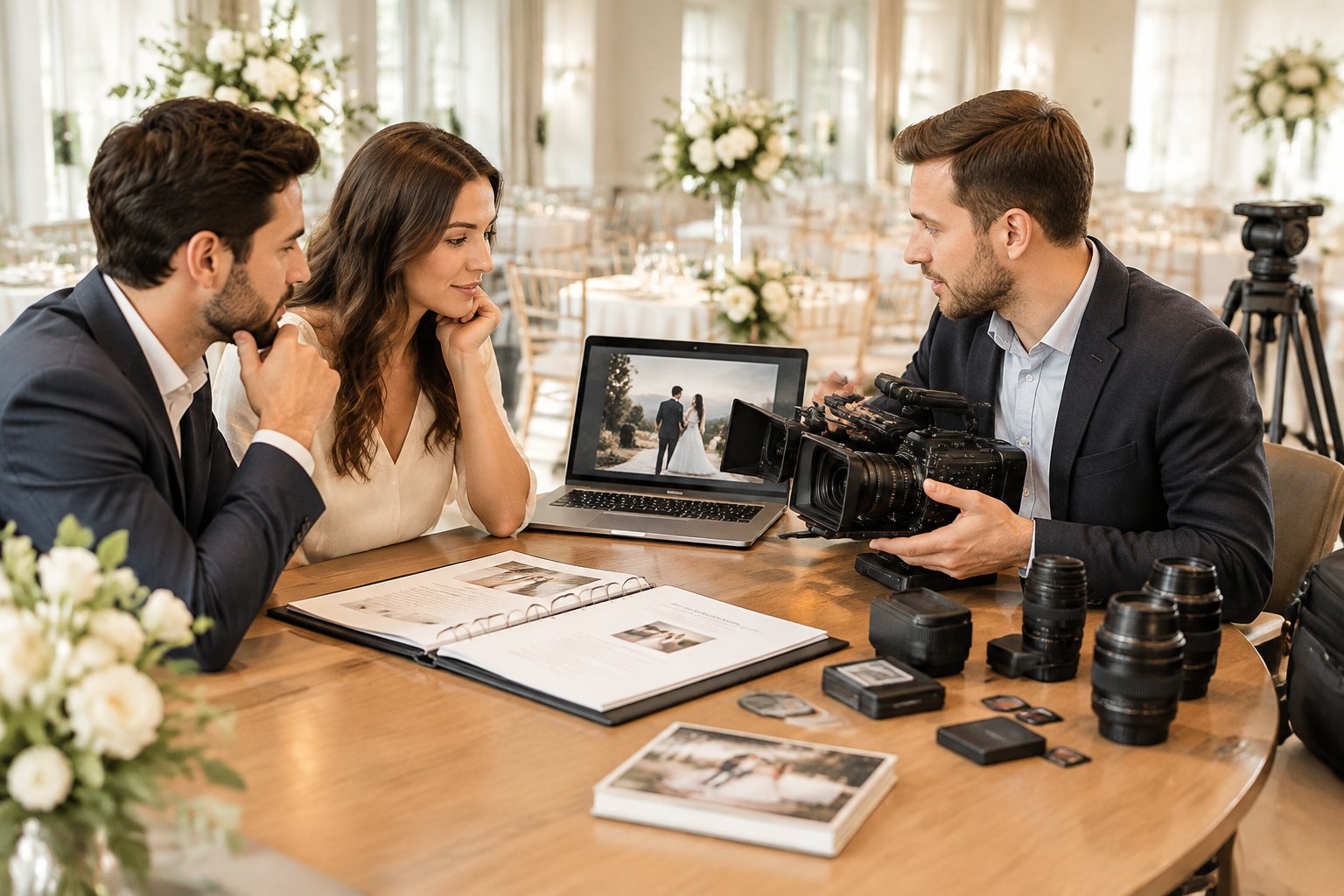
A wedding videographer preserves more than how your day looked. Your wedding video records vows, voices, laughter, music, and the small moments that move quickly.
If you are ready to compare options for your wedding memories, contact a local professional and ask for a package built around your wedding budget.
What Couples Pay Nationally
The average wedding videographer cost falls near $2,300 nationwide, while many wedding videographer costs land between $1,500 and $5,000. Luxury coverage, major-city pricing, and multi-day events can push wedding videography costs well beyond that range.
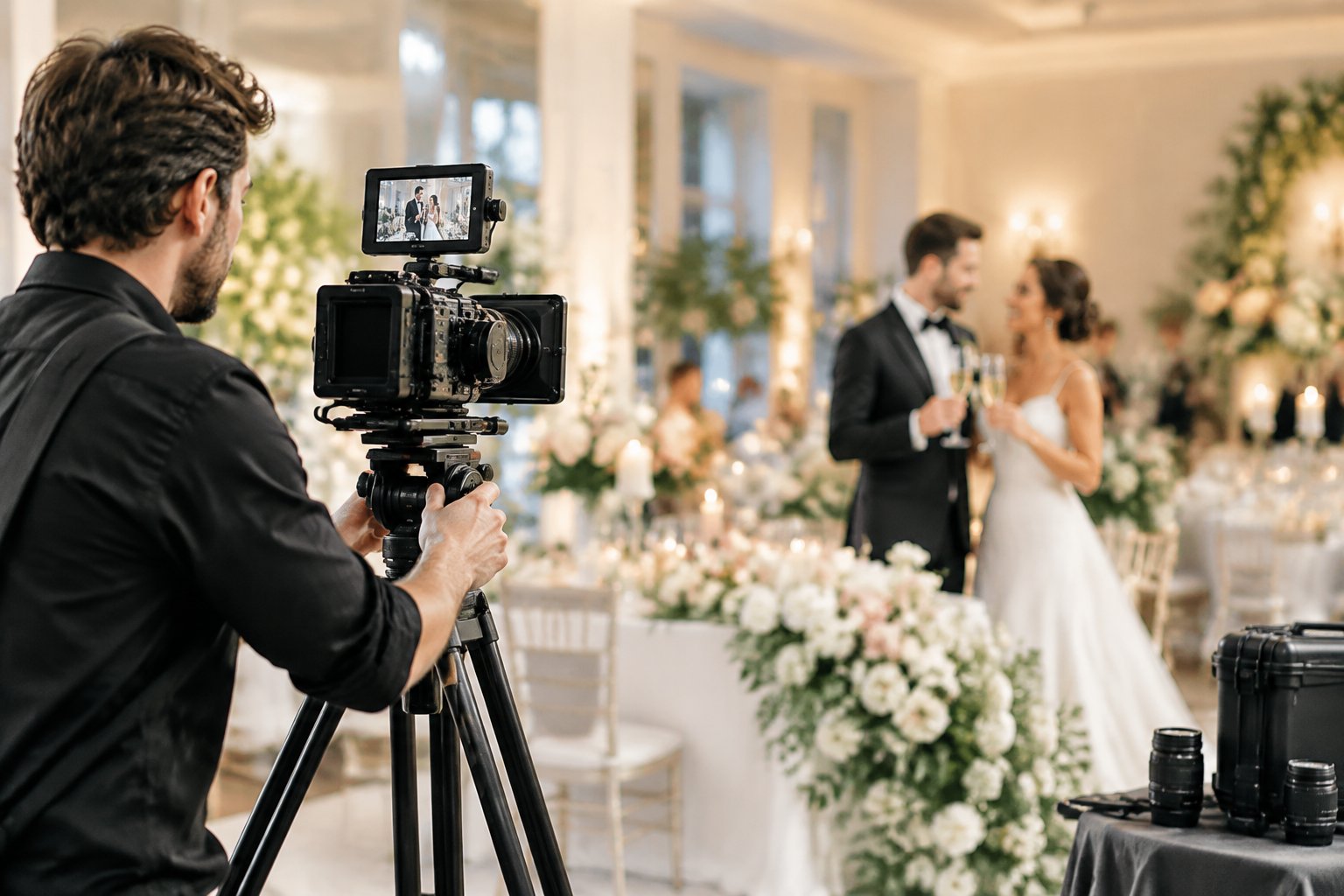
Prices vary because surveys measure different couples, regions, package types, and levels of coverage. Your quote should serve as a planning guide, with the final proposal tied to your date and filming needs.
Why the Reported Averages Differ
The Knot Real Weddings Study has reported a national average near $2,300 for a wedding videographer. Other market data places the average cost of a wedding videographer closer to $3,200 to $4,800.
The Zola Wedding Cost Index also reflects higher spending in areas where couples choose longer coverage or more advanced films.
These figures describe different groups. A survey may count couples who booked short highlight coverage, while a studio report may include full-day filming, multiple videographers, and extensive post-production.
Regional prices also affect the result. A wedding in a major metropolitan area can carry a higher wedding videographer cost than an event in a smaller market.
What Videography Represents in a Wedding Budget Breakdown
Many couples reserve about 8% to 15% of their wedding budget for wedding videography. A $30,000 wedding budget could place video near $2,400 to $4,500, depending on how important full coverage and film length are to you.
Start with the memories you want preserved. If vows, speeches, family reactions, and reception events are priorities, leave room for enough coverage hours and a complete ceremony edit.
If you want a short highlight reel, a smaller package can fit a tighter wedding budget.
What Each Videography Package Typically Includes
A wedding videography package usually combines filming time, crew coverage, audio recording, editing, and digital delivery. Basic wedding videography focuses on key moments, while premium packages add longer films, more cameras, and deeper post-production.
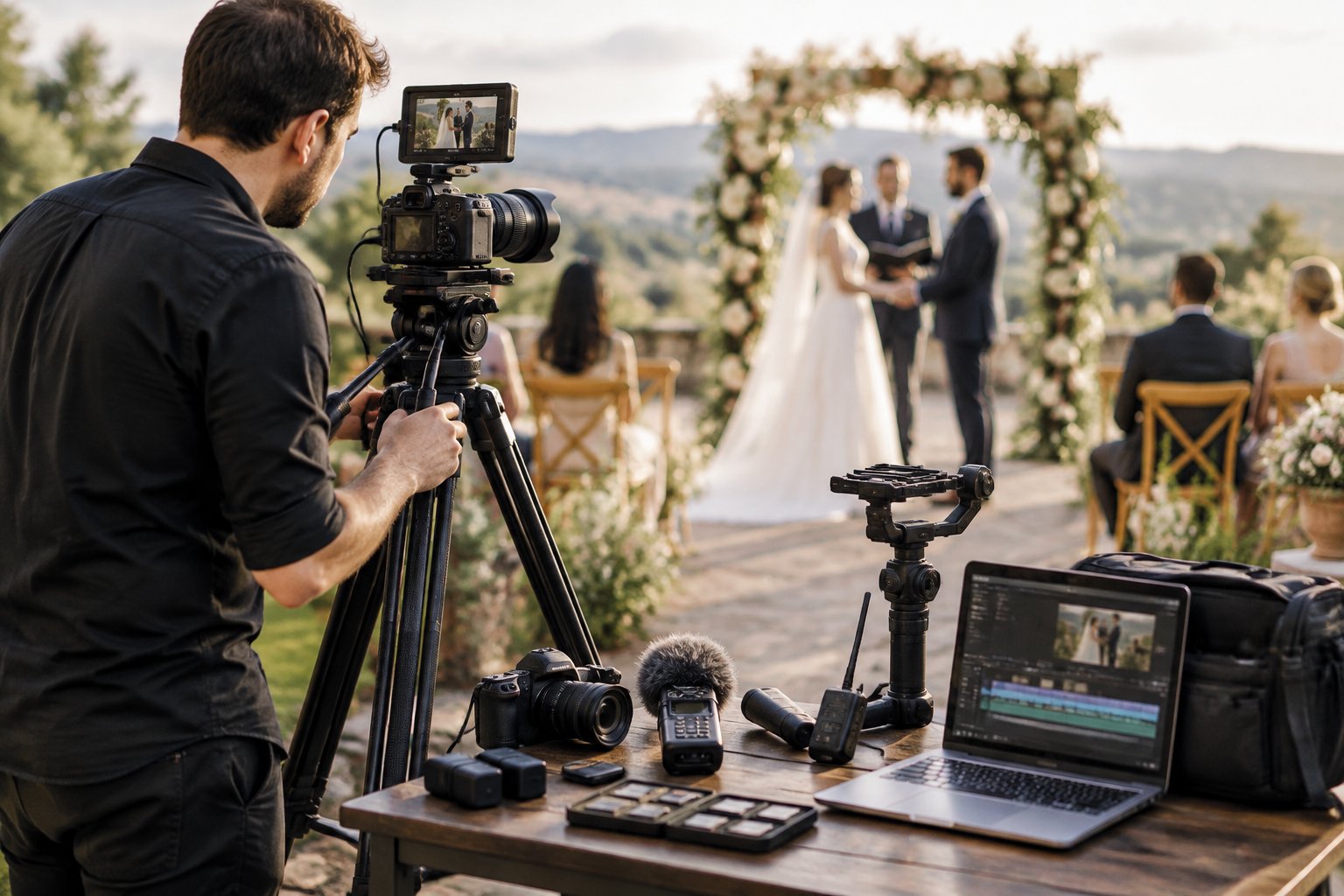
Read the deliverables closely before comparing prices. Two wedding videography packages with similar coverage hours can produce very different wedding videos.
Basic Coverage and a Highlight Reel
A basic wedding videography package may include four to six hours of filming, one videographer, recorded ceremony audio, and a short highlight reel. The finished film may run from three to eight minutes and focus on the most emotional parts of your day.
This option suits you if you want a professional wedding video while keeping spending controlled. Ask whether the package includes the full ceremony, speeches, audio files, and licensed music.
A low price can reflect shorter coverage or a highlight-only delivery.
Standard Coverage With a Ceremony Edit
A standard package often includes six to eight hours of filming, a highlight reel, and a ceremony film or ceremony edit. You may also receive edited reception speeches, first-dance footage, and separate audio from important moments.
This package works well when you want both a polished short film and longer recordings of the events you will revisit. One videographer can cover many weddings effectively, while a second camera angle helps during ceremonies and crowded receptions.
Premium Cinematic Wedding Film Packages
Premium cinematic wedding film packages can include eight to twelve hours of coverage, multiple videographers, several cameras, wireless audio, and a longer wedding film. Some studios add a feature-length edit, rehearsal dinner coverage, drone footage, or a same-day preview.
You are paying for more production time and more finished material. Post-production may include story editing, professional color work, detailed audio mixing, and music licensing.
Review complete wedding films from the studio so you can judge its pacing, sound, and visual style.
What Drives Your Final Quote
Your final wedding videographer pricing reflects coverage time, crew size, travel, location, and post-production demands. Wedding videographer rates also rise when your timeline requires early arrival, multiple venues, complex lighting, or extensive editing.
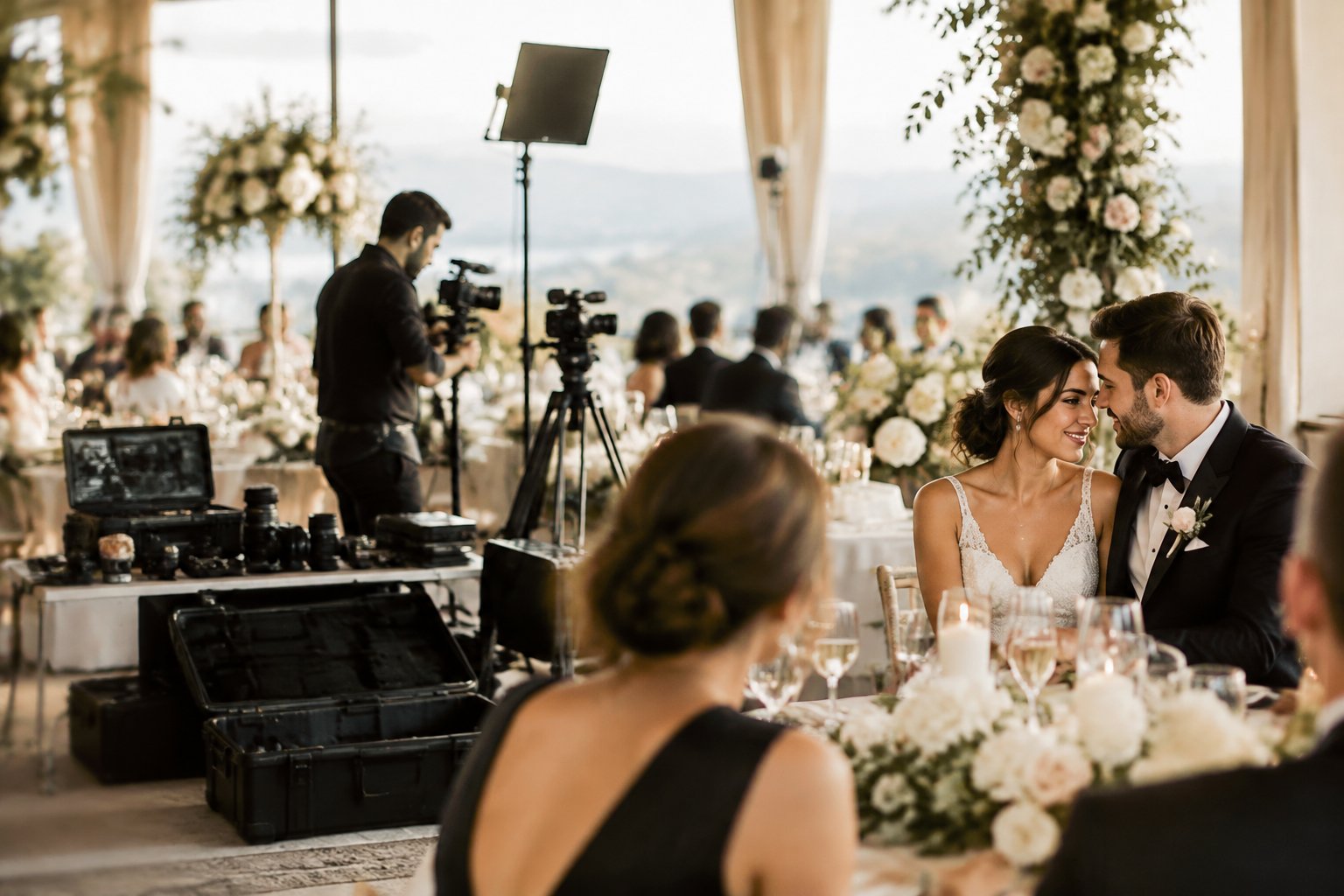
A clear proposal should show what you receive, how many hours are included, and which fees apply. This makes wedding videography pricing easier to compare across studios.
Coverage Hours and the Wedding Timeline
Coverage hours are one of the largest parts of wedding videographer pricing. A short ceremony may require four hours, while a full wedding timeline can require ten or more hours to capture preparations, portraits, the ceremony, speeches, dancing, and your exit.
Wedding videographer cost per hour is useful for comparing extra coverage, though hourly price alone does not show the full value. Ask when filming begins, whether setup time counts, and what happens if your reception runs late.
Second Shooter vs. Second Videographer
A second shooter assists the lead videographer by managing equipment, capturing another angle, or filming separate locations. A second videographer usually carries a larger creative and production role, with independent camera work and stronger coverage of simultaneous events.
The added crew member helps when you have a large guest list, a long wedding timeline, or preparations in different places. Confirm whether the person is an employee, contractor, or lead-level filmmaker, since experience affects the finished wedding film.
Wedding Location, Travel, and Experience
Your wedding location affects the quote through travel time, parking, permits, lodging, venue rules, and lighting conditions. A destination wedding or event with several locations may require travel fees and an overnight stay.
Experience also shapes wedding videographer rates. A filmmaker with a strong portfolio, reliable audio workflow, backup equipment, and experience in your venue may charge more.
Review full wedding films from similar locations before booking.
Why Post-Production Adds Value
Post-production includes organizing footage, selecting story moments, syncing audio, editing scenes, color grading, and exporting final files. Professional color grading, audio mixing, and music selection can require many hours after your wedding day ends.
Lavalier microphones help capture vows and speeches clearly, while professional lighting supports reception footage in dark rooms. Ask how many revisions are included, how files are delivered, and how long the studio keeps your wedding videos.
Which Add-Ons Are Worth the Cost?
The most useful add-ons preserve moments your main wedding-day package does not cover or improve how you share the finished film. Choose them after confirming that your core coverage includes vows, speeches, key family moments, and a complete delivery plan.
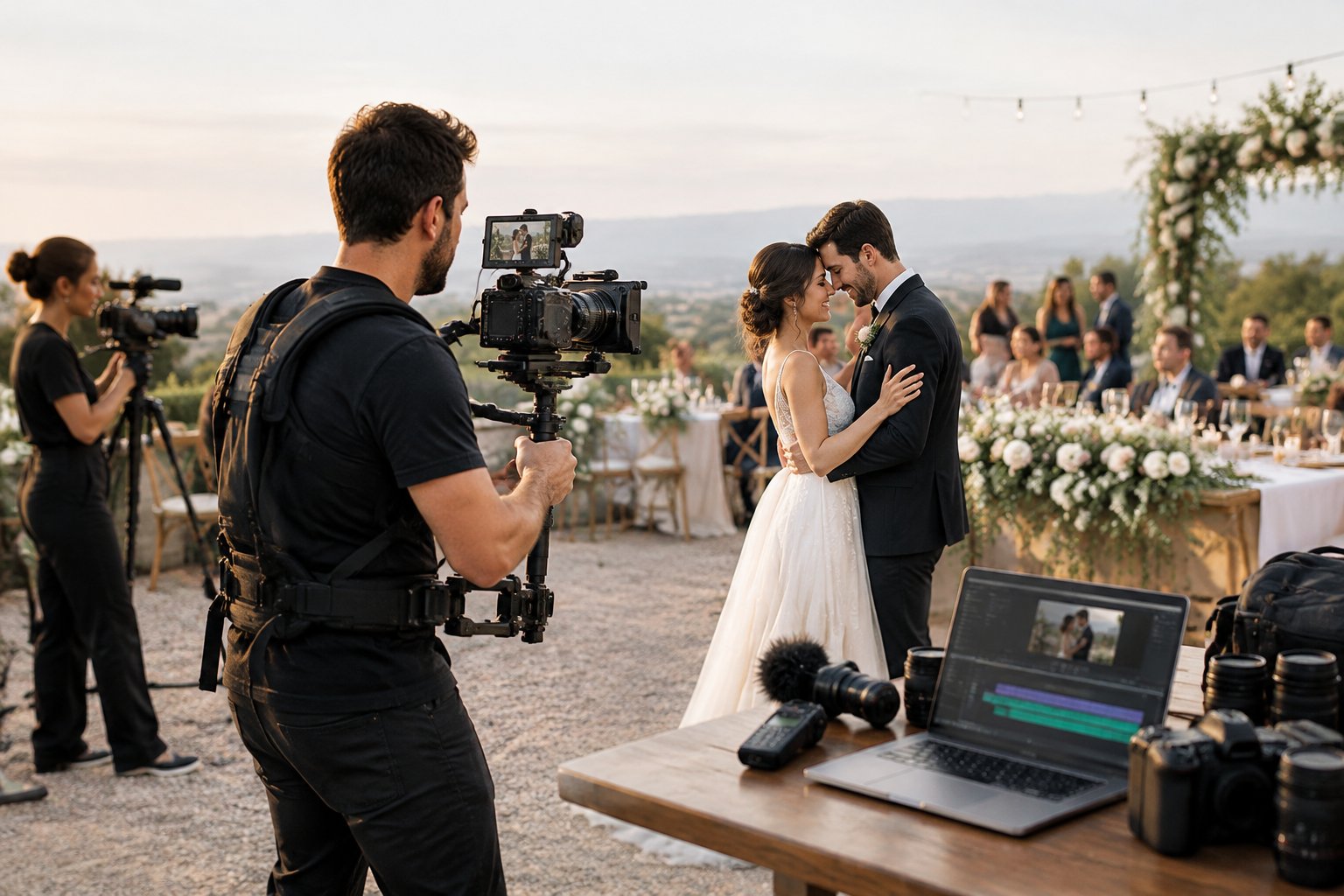
Your priorities should guide each upgrade. A second filming location may add more value than a longer highlight reel, while a same-day edit suits couples who want to share a preview during the reception.
Drone Footage and Same-Day Edits
Drone footage adds wide views of an outdoor venue, estate, coastline, or mountain setting. Confirm that the operator follows local rules, has permission for the location, and can fly safely in the expected conditions.
A same-day edit requires a filmmaker to capture, transfer, select, and edit footage during your wedding. It can create an exciting reception presentation, though the rush limits the amount of material included.
Choose it when sharing a short preview that night is a clear priority.
Rehearsal Dinner and Save-the-Date Video Coverage
Rehearsal dinner coverage records family stories, welcome speeches, and informal conversations before the wedding. It suits you when relatives travel from far away or the dinner carries special meaning.
A save-the-date video gives guests a personal announcement with your voices and personalities. It requires a separate filming plan and editing time, so ask whether the studio offers a shorter session or combines it with an engagement shoot.
Music, Raw Footage, and Social Clips
Music licensing supports the legal use of songs in your wedding film. Ask which tracks are covered and whether your delivery includes a licensed version for online sharing.
Raw footage gives you unedited camera files, while social clips provide short vertical videos for sharing. Raw files require significant storage and may include unusable takes, camera setup, or incomplete audio.
Social clips are useful when you want quick posts soon after the wedding, especially if your studio does not include them in the main wedding video.
How to Set a Smart Video Budget
Set your wedding video budget by ranking must-have moments, matching coverage to your wedding timeline, and comparing complete proposals. A practical starting point is 8% to 15% of your total wedding budget, adjusted for your location and priorities.
Your wedding photography and videography plan should fit with catering, venue, attire, music, and other major costs. A written budget makes it easier to decide which upgrades deserve funding.
Choose the Moments You Cannot Miss
List the moments you want preserved before reviewing packages. You might prioritize private vows, getting-ready audio, parent reactions, speeches, or the full ceremony.
Then match those priorities to filming hours. If speeches begin two hours after the ceremony, a short package that ends before the reception will not serve your plan.
Build the timeline first, then ask the wedding videographer to quote the required coverage.
Bundle Wedding Photography and Videography Carefully
A wedding photographer and videographer may offer a combined package through one studio or partner team. Bundling can simplify communication and reduce duplicate travel or planning fees, though the package still needs clear deliverables for each service.
Compare the photography and videography portfolios separately. Confirm who will film and photograph your wedding, how the teams coordinate, and whether one service receives less coverage because of the bundle structure.
You can also compare a standalone wedding videographer cost against the combined proposal.
Compare Proposals Before You Book
Request itemized proposals that show coverage hours, crew members, deliverables, editing style, travel fees, taxes, deposit terms, and delivery dates. Check whether the quote includes a highlight reel, ceremony edit, speeches, raw footage, and revision rounds.
Watch complete wedding films from each finalist and listen for clean vows and speeches. Ask how the team handles low light, venue restrictions, backup equipment, file storage, and late timeline changes before you sign the contract.