
Average Wedding Florist Cost and What You’ll Pay
The average wedding florist cost in the United States is about $2,800, while many couples spend $2,500 to $5,000 in 2026. A smaller floral plan may stay near $1,000 to $2,000, while full-service wedding flowers with arches, installations, premium blooms, and extensive setup can reach $5,100 to $7,600 or more.
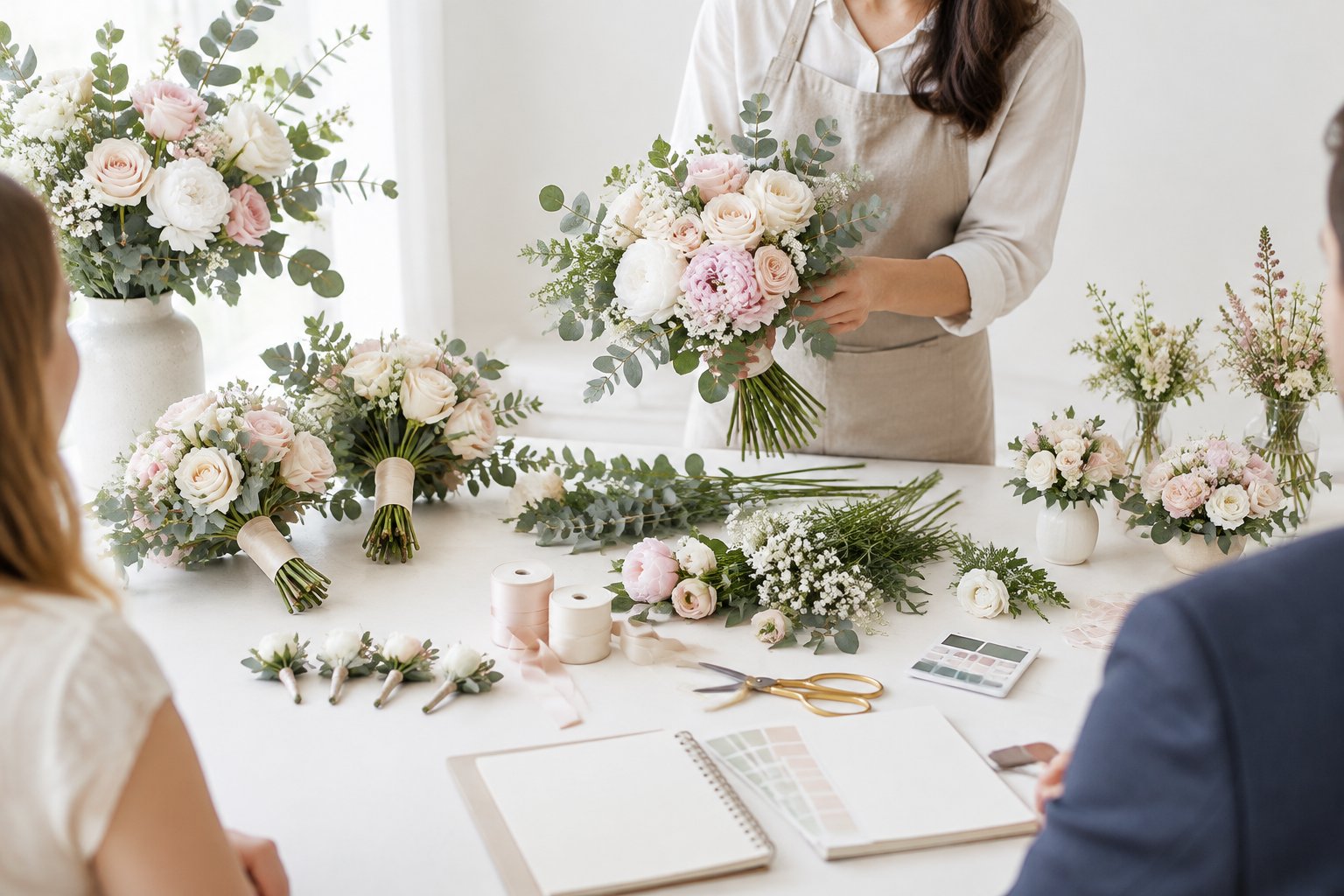
Your final wedding flower cost reflects the number of arrangements, guest count, venue, season, flower varieties, and labor. A bridal bouquet, personal flowers, and modest reception centerpieces fit a very different budget from a floral arch, lush tablescapes, and a flower wall.
Start by choosing the floral moments you care about most, then share your budget with a wedding florist early in your wedding planning. You can also review these practical wedding florist tips before your consultation.
What Does a Wedding Florist Typically Cost?
A professional florist costs about $2,500 to $5,000 for many U.S. weddings, with an average wedding florist cost near $2,800 and full-service designs reaching $7,600 or more. Your quote includes flowers plus design time, preparation, supplies, delivery, setup, rentals, and cleanup.
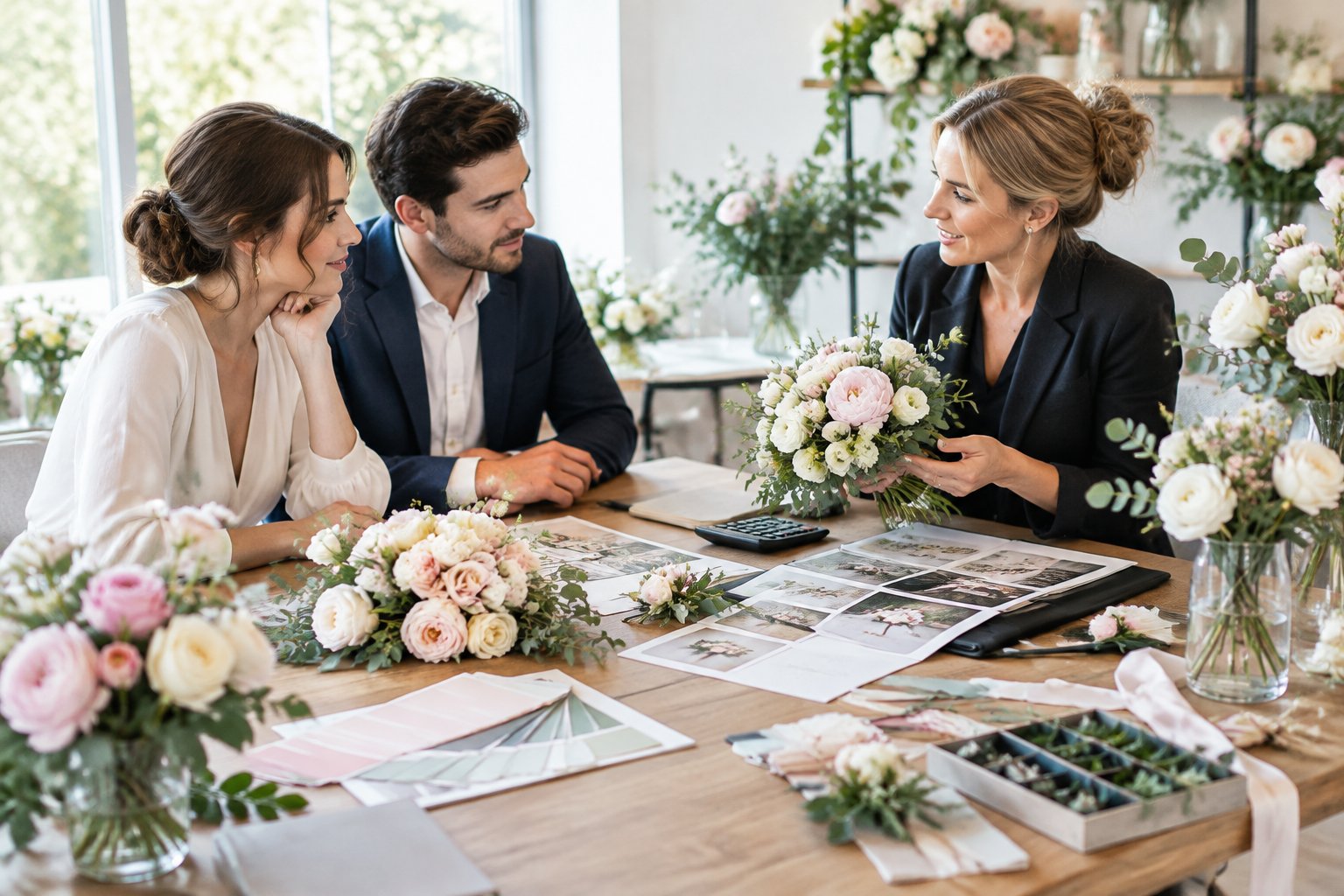
The amount you pay depends on the scope of your order. Personal flowers and simple centerpieces sit near the lower end. Large ceremony structures, dense reception designs, and complex installations move wedding florist cost upward.
Why Published Wedding Flower Averages Differ
Published averages use different definitions of “wedding flowers.” One figure may include a bouquet, boutonnieres, and centerpieces. Another may include full-service design, delivery, ceremony installation, reception styling, and breakdown.
Use these ranges as planning markers:
- $1,000 to $2,000: Personal flowers, simple centerpieces, and limited ceremony décor
- $2,500 to $5,000: Wedding party flowers, reception centerpieces, ceremony accents, and one focal arrangement
- $5,000 to $8,000: Full personal flowers, upgraded centerpieces, ceremony installations, and added design details
- $8,000 and up: Large arches, hanging florals, flower walls, premium flowers, and extensive venue styling
Ask each florist what the quoted total includes before comparing prices. A lower number may cover fewer services.
How Much of Your Wedding Budget Should Go to Florals?
Set aside about 8% to 10% of your total wedding budget for standard floral coverage. Move toward 12% to 15% when flowers play a leading role in your design.
For a $25,000 wedding, a starting floral budget of $2,000 to $3,000 is reasonable. A $60,000 wedding may support $3,500 to $6,000 in flowers, depending on the venue and design goals.
Your percentage can rise when you want dense arrangements, premium blooms, several installations, or a large guest list. A venue with gardens, attractive architecture, or built-in décor may reduce the amount you need to spend on floral styling.
How Guest Count Changes the Floral Spend
Guest count affects your budget through table count, aisle length, and wedding party size. Celebrations with more than 100 guests need more reception centerpieces and may require additional aisle arrangements.
Average spending by guest count provides a useful starting point:
- 1 to 50 guests: About $1,600
- 51 to 100 guests: About $2,400
- 101 or more guests: About $3,300
Your table shape also affects the number of arrangements. Long banquet tables need several designs or a continuous floral runner, while round tables may need one centerpiece each.
What Will You Pay for Each Floral Item?
Individual wedding flower costs range from about $15 for a boutonniere to more than $3,000 for an elaborate ceremony installation. Arrangement size, flower selection, mechanics, and labor determine where each item falls.
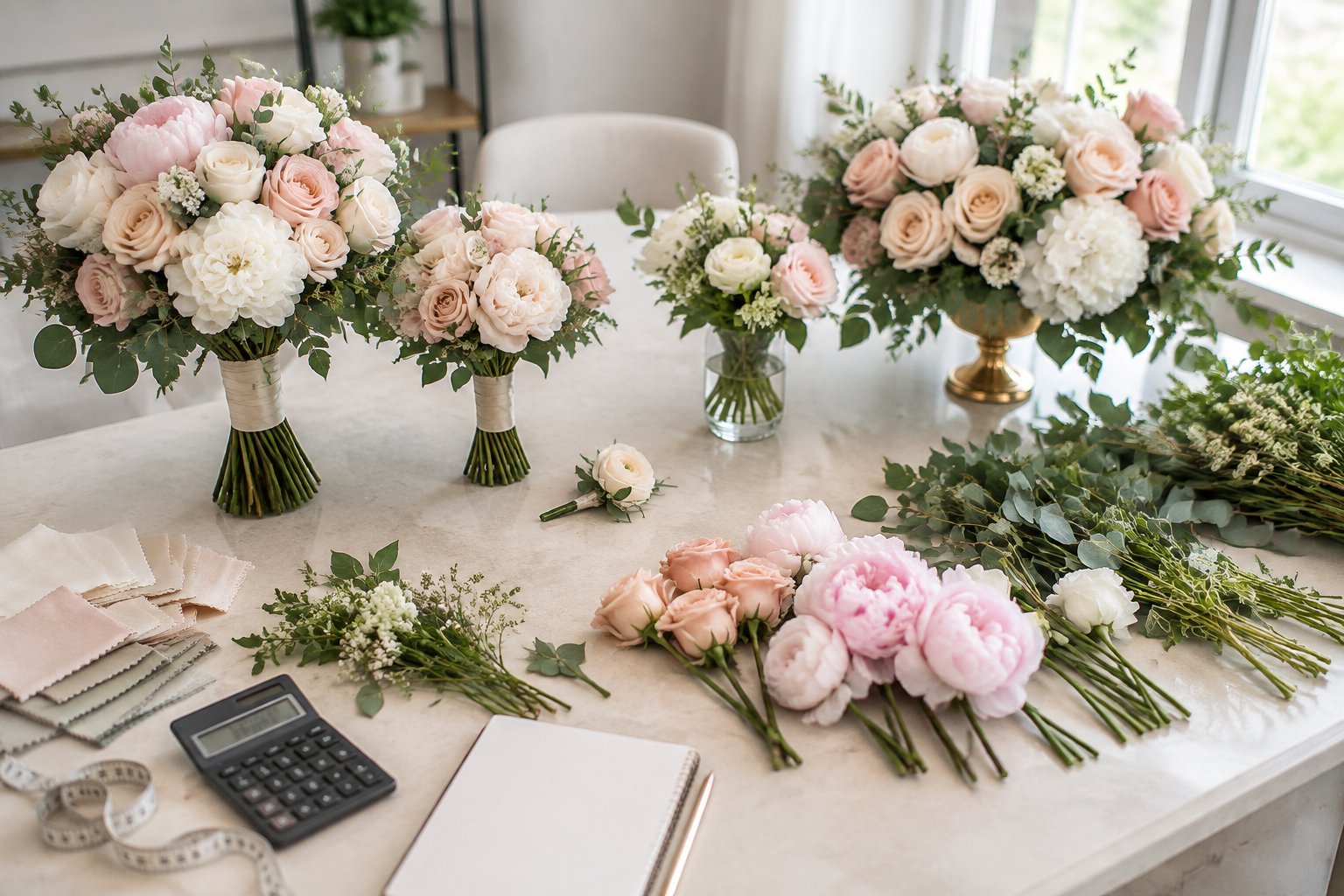
Your florist may bundle design labor, delivery, vessels, and setup into package prices. Use the ranges below to build a first estimate, then compare the complete proposal.
How Much Does a Bridal Bouquet Cost?
A bridal bouquet costs about $250 to $350 for a standard design. Oversized, cascading, or premium-flower bouquets can reach $500 or more.
A smaller hand-tied bouquet with seasonal flowers and greenery sits near the lower end. Peonies, garden roses, orchids, hand-wired details, and cascading shapes raise the bridal bouquet cost because they require more product and skilled labor.
The bridal bouquet receives heavy attention in portraits and detail photos. Protecting this item in your budget gives you room to choose a meaningful shape, color palette, or premium focal flower.
What Do Wedding Party Flowers Cost?
Wedding party flowers add up through quantity. A few personal items may fit a modest budget, while a large wedding party needs many bouquets, boutonnieres, and corsages.
Common price ranges include:
- Bridesmaid bouquets: $80 to $150 each
- Boutonnieres: $15 to $30 each
- Corsages: $25 to $60 each
- Toss bouquet: $50 to $125
- Hair flowers: $25 to $150
- Flower girl basket: $40 to $100
You can keep one color palette across the group while using a simpler flower recipe for bridesmaid bouquets. That leaves more room for the bridal bouquet and ceremony design.
How Much Do Ceremony Arrangements Cost?
Ceremony flowers range from $30 to $150 per aisle marker to more than $3,000 for a lush altar structure. A simple arch arrangement may start near $500, while a heavily covered floral arch can reach $3,000 or more.
Common ceremony prices include:
- Aisle markers: $30 to $150 each
- Welcome or entry arrangements: $150 to $500 each
- Altar or arbor arrangements: $500 to $3,000 or more
- Floral arch: $1,000 to $5,000 or more
- Ground arrangements: $150 to $500 each
One strong focal point can frame your ceremony beautifully. Ask whether the arrangement can move to the sweetheart table, reception entrance, or head table after the ceremony.
What Do Reception Centerpieces Cost?
Reception centerpieces cost about $100 to $500 each. Low centerpieces use fewer flowers and mechanics. Tall centerpieces need larger vessels, extra product, and more installation time.
Typical ranges include:
- Bud vase groupings: $75 to $150 per table
- Low centerpieces: $100 to $250 each
- Tall centerpieces: $250 to $500 or more each
- Sweetheart table flowers: $150 to $600
- Head table designs: $400 to $2,000 or more
- Cake flowers: $50 to $150
Fifteen tables with $100 to $250 low centerpieces would cost about $1,500 to $3,750 before additional services. Include bar flowers, welcome sign flowers, cocktail-hour arrangements, and cake flowers in your first estimate.
What Makes a Florist Quote Go Up or Down?
Flower variety, season, arrangement size, labor, delivery, and venue logistics create the biggest changes in a florist quote. A focused design with in-season flowers and reusable pieces keeps wedding florals more controlled.
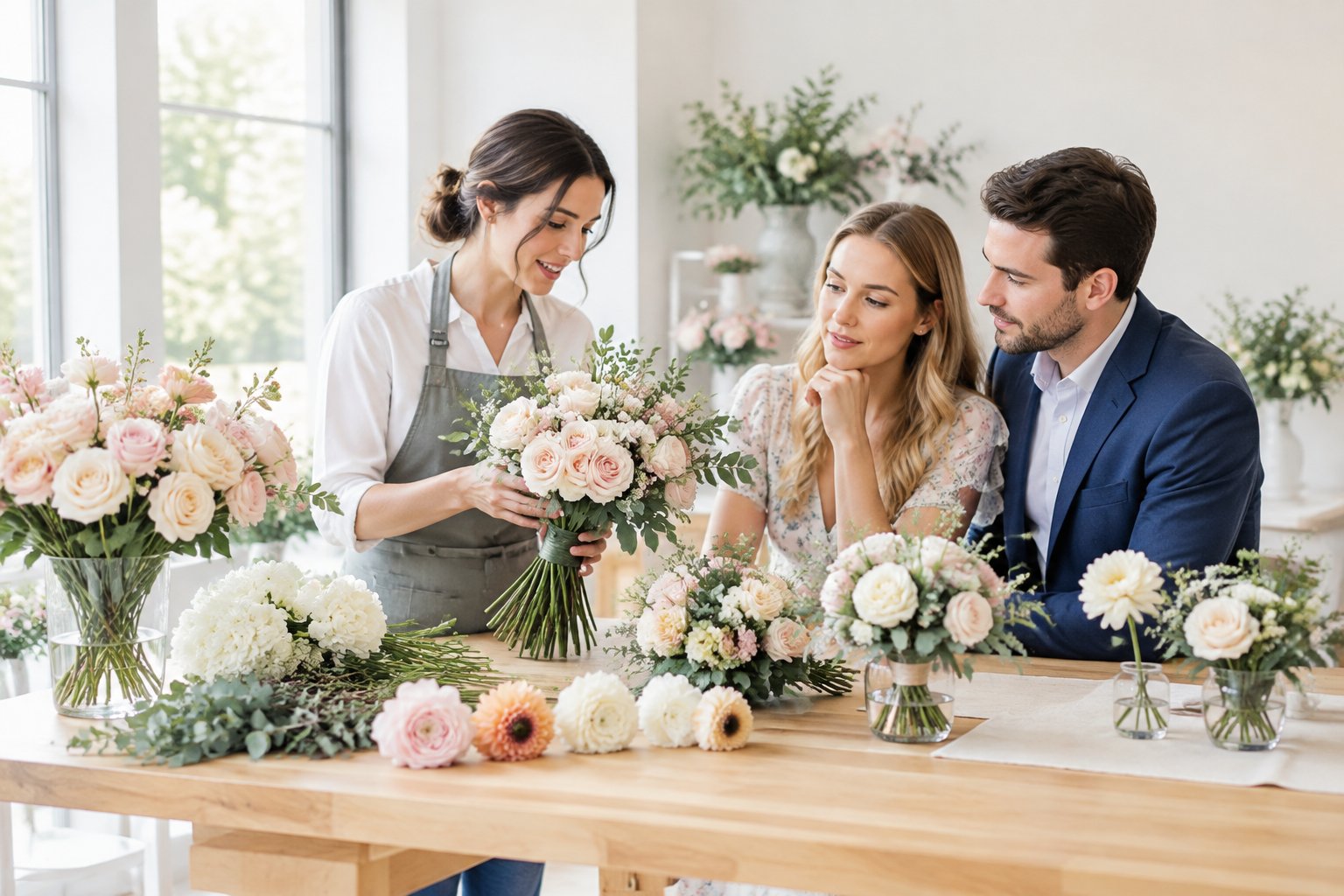
Florists price the complete service. Your proposal accounts for sourcing, stem processing, mechanics, refrigeration, design, transportation, installation, and cleanup.
How Flower Varieties Affect the Price
Premium flowers cost more per stem than standard flowers. Peonies, garden roses, orchids, lily of the valley, gardenias, anemones, protea, and ranunculus can push a design toward the high end.
More accessible choices include carnations, daisies, chrysanthemums, alstroemeria, sunflowers, standard roses, lisianthus, hydrangeas, and baby’s breath. Tulips, dahlias, calla lilies, and other flowers can fit different budgets based on availability and season.
Greenery adds volume and texture. Eucalyptus, ferns, ruscus, Italian ruscus, and other foliage help create a full design while reducing the number of premium flower stems.
Why Season and Sourcing Matter
In-season flowers and local flowers give your florist more reliable access. Out-of-season flowers require special ordering, long-distance shipping, or imported supply, which raises the product cost and substitution risk.
Your color palette gives the florist room to select the best available flowers. Saying “soft blush and cream” allows more flexibility than requesting one exact rose variety.
Weather also affects supply. A crop problem or sudden shortage can change availability close to your wedding date, so ask about comparable substitutions before signing your proposal.
How Labor, Delivery, and Installations Add Up
Labor covers consultations, sourcing, flower processing, recipe planning, arranging, loading, delivery, setup, breakdown, and cleanup. Complex designs need more staff hours and specialized mechanics.
Floral installations raise costs through structure and labor. A floral wall, hanging arrangement, ceiling treatment, or large arch requires construction, transport, venue access, and careful placement.
Your proposal should show whether delivery, setup, breakdown, rentals, and taxes are included. These services can add several hundred dollars to the final invoice.
How Venue and Location Influence Pricing
Your venue affects access, setup time, travel distance, table layout, and installation requirements. A site with a narrow loading window may require a larger crew so the team can finish on time.
Major metropolitan areas often have higher labor and operating costs. Remote venues may add mileage, fuel, lodging, or extra transportation time.
Share your venue, guest count, table shape, ceremony location, and installation rules with your florist. A site visit can reveal access details that change the quote before you book.
What Can Your Floral Budget Realistically Cover?
A $1,000 to $2,000 wedding flower budget covers essential personal flowers and modest décor, while $2,500 to $5,000 supports a fuller ceremony and reception plan. Budgets above $5,000 create room for larger installations, upgraded centerpieces, and denser wedding flower trends.
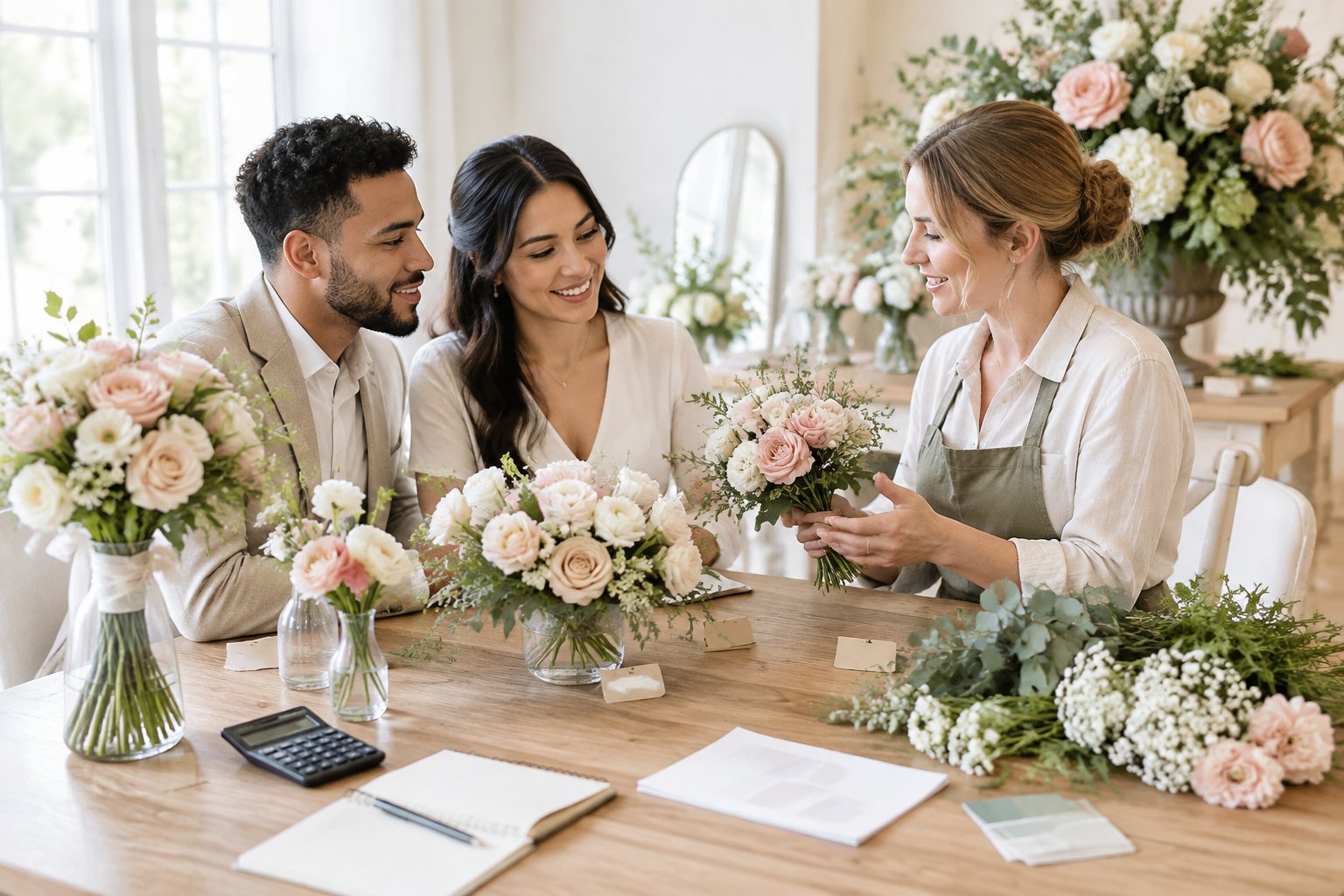
Your guest count and priorities determine how far each tier goes. A small wedding may include more design detail at the same price as a larger celebration with many tables.
A Simple Budget for Essential Florals
With $1,000 to $2,000, prioritize:
- A bridal bouquet
- A few bridesmaid bouquets
- Boutonnieres and selected corsages
- Simple reception centerpieces
- One ceremony arrangement or limited aisle décor
Choose standard roses, carnations, daisies, baby’s breath, seasonal flowers, and greenery. Bud vases or small low centerpieces stretch the reception budget across more tables.
This tier suits a smaller guest list, a naturally attractive venue, or a couple that values personal flowers over large décor.
A Mid-Range Budget for Ceremony and Reception Design
With $2,500 to $5,000, you can include:
- A bridal bouquet and full wedding party flowers
- Corsages and selected personal details
- Reception centerpieces for a moderate table count
- A ceremony focal arrangement
- Aisle markers or welcome flowers
- Cake flowers and modest sweetheart-table décor
You gain flexibility in flower varieties, arrangement sizes, and placement. A partial arch or altar arrangement can create a strong ceremony backdrop without using the entire budget.
A Full-Service Budget for Statement Décor
With $5,000 to $8,000, your plan can include:
- Full personal flowers
- Lush reception centerpieces
- A large floral arch or altar installation
- Upgraded vessels and rentals
- Aisle décor, welcome flowers, and cake flowers
- On-site delivery, setup, and breakdown
Budgets above $8,000 support larger floral installations, hanging flowers, flower walls, premium blooms, and extensive venue styling. Ask your florist to separate must-have designs from enhancements so you can adjust the scope without losing the main visual anchors.
How Can You Reduce Flower Costs Without Losing Impact?
You reduce flower costs most effectively by prioritizing key photographs, choosing seasonal flowers, reusing arrangements, and simplifying low-impact details. These choices preserve the visual focus of your ceremony and reception while controlling product and labor.
Start with the items guests see for hours or that appear throughout your photographs. Then ask your florist to design a flexible flower recipe around your color palette.
Prioritize the Most Photographed Moments
Protect the bridal bouquet, ceremony focal point, and reception centerpieces first. These areas receive sustained attention from guests and your photographer.
Reduce secondary arrangements at the bar, restrooms, cocktail tables, or welcome table if you need to cut the wedding flower budget. Fewer aisle markers can also save money while keeping the ceremony visually complete.
A single strong floral arch can create more impact than many small arrangements scattered across the venue.
Choose Flexible Seasonal Flower Recipes
Give your florist colors, textures, and shapes to work with. In-season flowers and local flowers provide more sourcing flexibility than one exact variety.
Use greenery such as eucalyptus, ferns, ruscus, or Italian ruscus to add movement and volume. Mix a few premium focal flowers with standard roses, carnations, chrysanthemums, lisianthus, or baby’s breath.
Open, garden-style designs use space and movement. Dense arrangements use more stems and require more construction time.
Reuse Ceremony Flowers at the Reception
Plan the ceremony and reception together so arrangements have a second location. Aisle markers can move to the reception entrance, and altar flowers can frame the sweetheart table.
Bridesmaid bouquets can sit in vases during the reception. A floral arch can sometimes be divided into smaller pieces for a head table or lounge area.
Ask about the labor charge before assuming reuse is free. Moving large installations requires staff, transport, and a clear timeline.
When DIY, Wholesale, Silk, or Dried Flowers Make Sense
DIY wedding flowers work well for forgiving designs such as bud vases, simple aisle markers, or small reception centerpieces. Fresh flowers require storage, hydration, processing, and arranging close to the wedding date, so include your time and helpers in the comparison.
Wholesale flowers can reduce product costs when you have a reliable source and enough people to prepare the designs. A professional florist adds planning, design skill, and event-day logistics.
Silk flowers and dried flowers suit couples who want keepsakes, rentals, or designs that handle warm venues and long schedules. Use fresh flowers for the bridal bouquet or ceremony focal point, then combine them with dried details or faux reception pieces.
How to Compare Florists and Get a Useful Proposal
Compare wedding florists by the complete proposal, design quality, service scope, and communication, not by the flower total alone. A useful quote connects your wedding flower budget to specific arrangements, labor, rentals, delivery, and setup.
Review several proposals with the same information: wedding date, venue, guest count, table count, wedding party size, inspiration, and priority items. Planning tools such as Zola can also help you organize wedding vendors and budget details as you compare options.
What Should a Full-Service Floral Quote Include?
A complete proposal should identify:
- Personal flowers and quantities
- Ceremony flowers and installation details
- Reception centerpieces and table count
- Floral installations and structures
- Flower varieties or approved substitutions
- Vessels, candles, rentals, and other hard goods
- Delivery and setup fees
- Breakdown and cleanup services
- Taxes, deposits, payment dates, and cancellation terms
Check whether the proposal includes design revisions, venue visits, refrigeration, delivery mileage, and rental returns. Ask for a revised total whenever the guest count or arrangement list changes.
Questions to Ask Before You Book
Ask each professional florist:
- What services are included in the quoted total?
- How many design revisions are included?
- What happens if a requested flower becomes unavailable?
- Who delivers and installs the wedding flowers?
- Is breakdown included?
- Can ceremony flowers move to the reception?
- What rental items are available?
- What deposit and payment schedule do you require?
- How do you handle extreme heat, rain, or venue delays?
- What is the cancellation and change policy?
Request a written answer for any promise that affects your budget or event-day schedule.
How to Share Your Budget and Inspiration Clearly
Tell your florist your maximum floral budget at the first consultation. Include whether that amount covers taxes, delivery, setup, rentals, and breakdown.
Bring your venue details, rough guest count, table layout, wedding party numbers, preferred colors, and several inspiration images. Explain what you love about each image, such as airy movement, compact shape, bright color, or heavy greenery.
Rank your priorities so the florist knows where to protect the budget. If the first proposal is too high, ask for specific revisions, such as fewer aisle markers, smaller centerpieces, seasonal substitutions, or one ceremony focal point.