
Average Wedding Photographer Cost Per Hour Explained
Most couples in the United States spend about $3,000 on a professional wedding photographer. Dividing that eight-hour package by coverage time gives an effective average wedding photographer cost per hour of about $375. Published hourly rates commonly land between $175 and $500, with location, experience, coverage, and package details shaping the final quote.
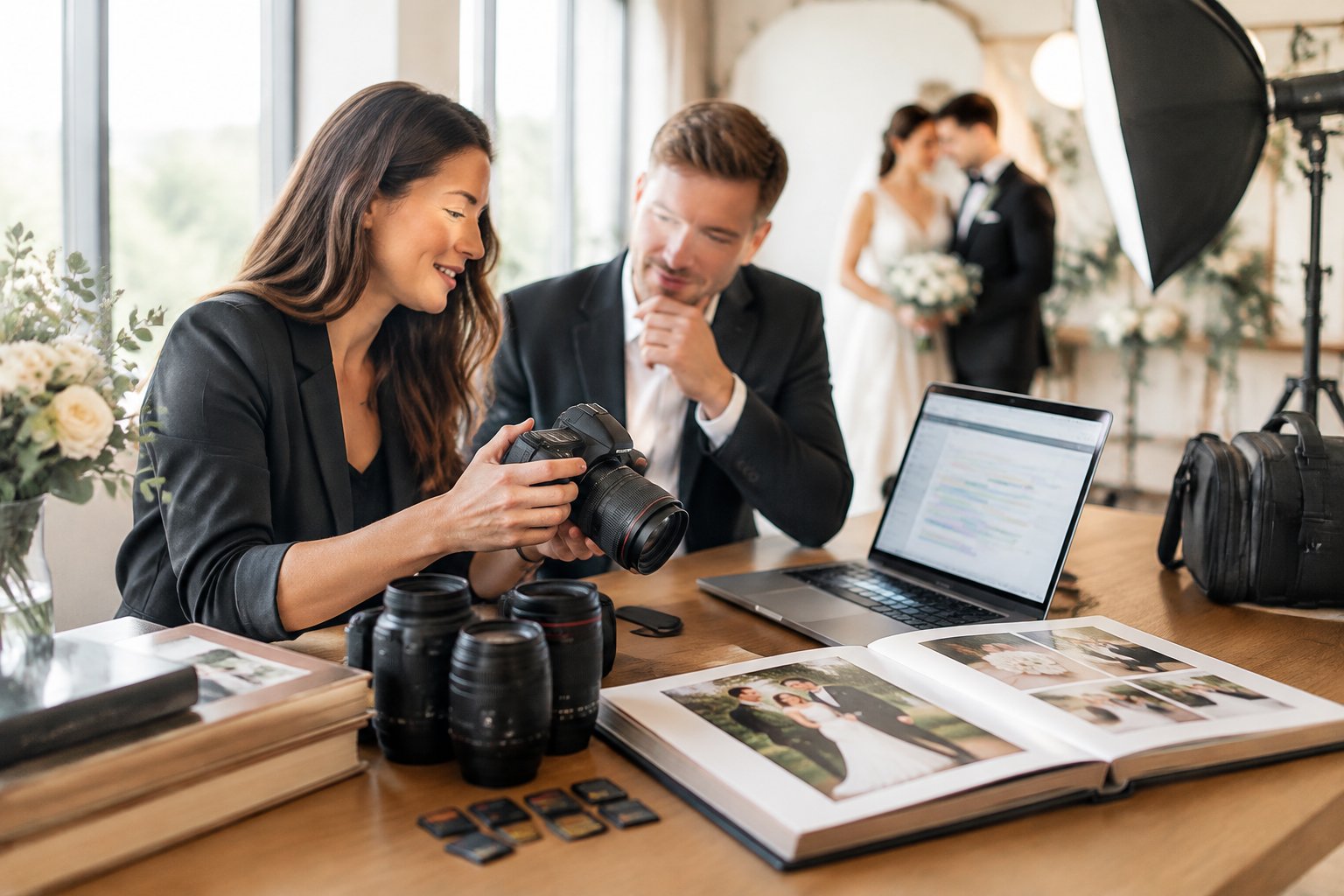
Your quote includes more than the hours spent taking photos. Planning calls, travel, equipment, culling, professional editing, gallery delivery, and business costs all support the final images. That is why a lower hourly figure does not always mean a lower wedding photography cost.
Set your photography budget around the coverage and products you value most, then request complete proposals from photographers whose style fits your day. A clear quote makes it easier to choose with confidence.
What Is a Typical Hourly Wedding Photography Rate?
A typical wedding photography rate falls between $175 and $500 per hour, while an $3,000 eight-hour package works out to about $375 per coverage hour. Hourly quotes give you a useful starting point, though they rarely show the full amount of work included in wedding photographer rates.
The Effective Hourly Cost of an Eight-Hour Package
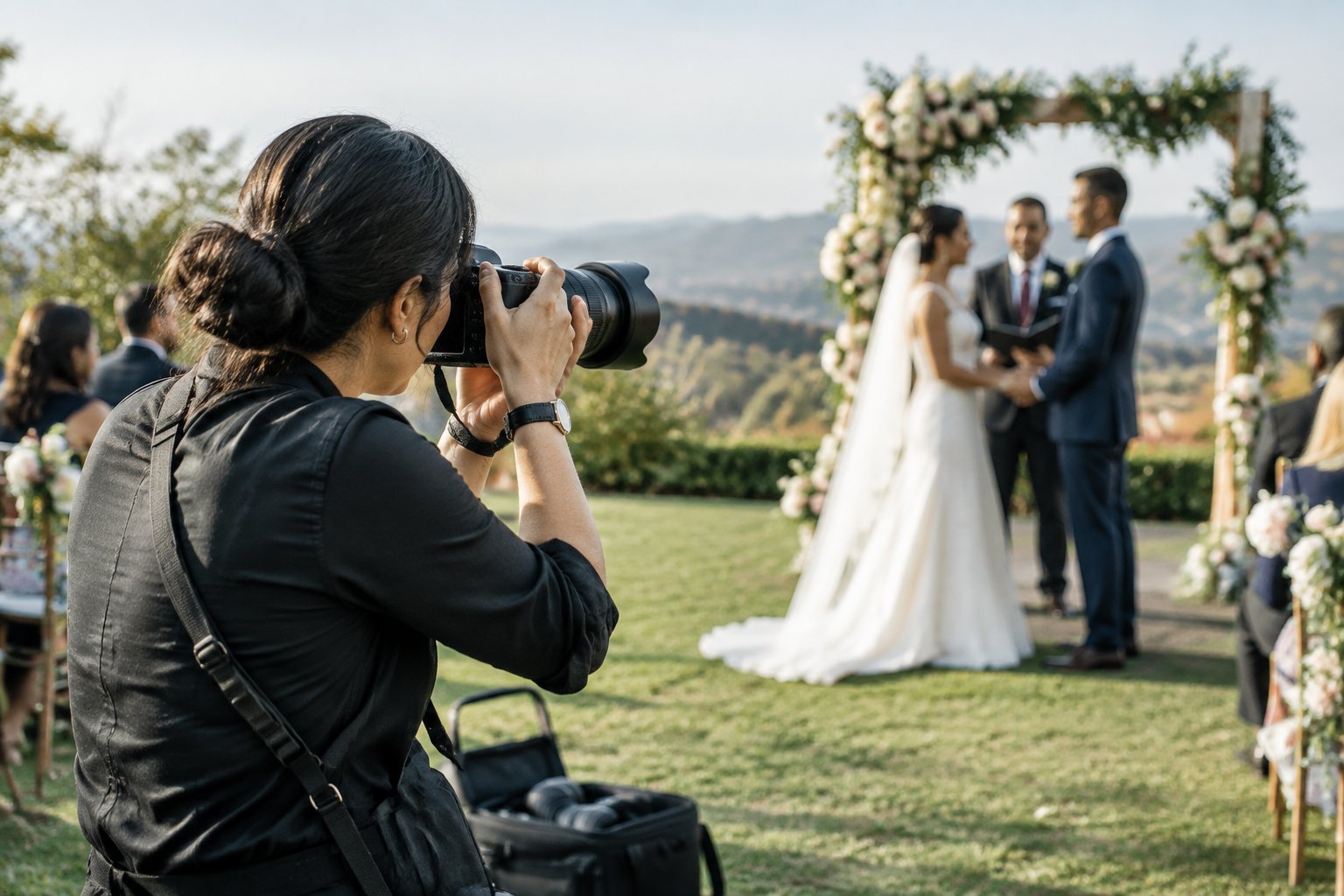
An eight-hour package priced at $3,000 equals $375 per hour:
- $3,000 ÷ 8 hours = $375 per hour
- $2,800 ÷ 8 hours = $350 per hour
- $4,700 ÷ 8 hours = $587.50 per hour
Those figures describe coverage time only. The photographer also spends time preparing your timeline, photographing details, backing up files, selecting images, and completing post-production editing. A package with a higher effective rate might include more edited digital images, a second photographer, an engagement session, or an album credit.
Standalone and Extra-Hour Photographer Rates
Standalone wedding photography rates for a short ceremony or portrait session often run from $175 to $500 per hour. Short bookings can carry a higher hourly price because the photographer still handles communication, setup, travel, file management, and editing.
Additional coverage after your package ends may cost about $200 to $400 per hour. Ask whether extra time is billed in full-hour blocks, whether the photographer must approve overtime, and whether the second shooter remains with the team.
Why Hourly Quotes Are Less Common Than Packages
Packages help a photographer reserve enough time for the work before and after your wedding. They also bundle deliverables, such as edited digital images, an online gallery, and print rights, into one clear price.
An hourly quote can work well for an elopement or short ceremony. For a full wedding day, compare the total photography pricing, included services, and delivery terms instead of multiplying the hourly rate alone.
How Coverage Length Changes Your Total
Coverage length raises your total wedding photography cost because each added hour extends shooting, file management, and editing work. Your schedule determines whether a short package captures the key moments or whether you need a professional wedding photographer for most of the day.
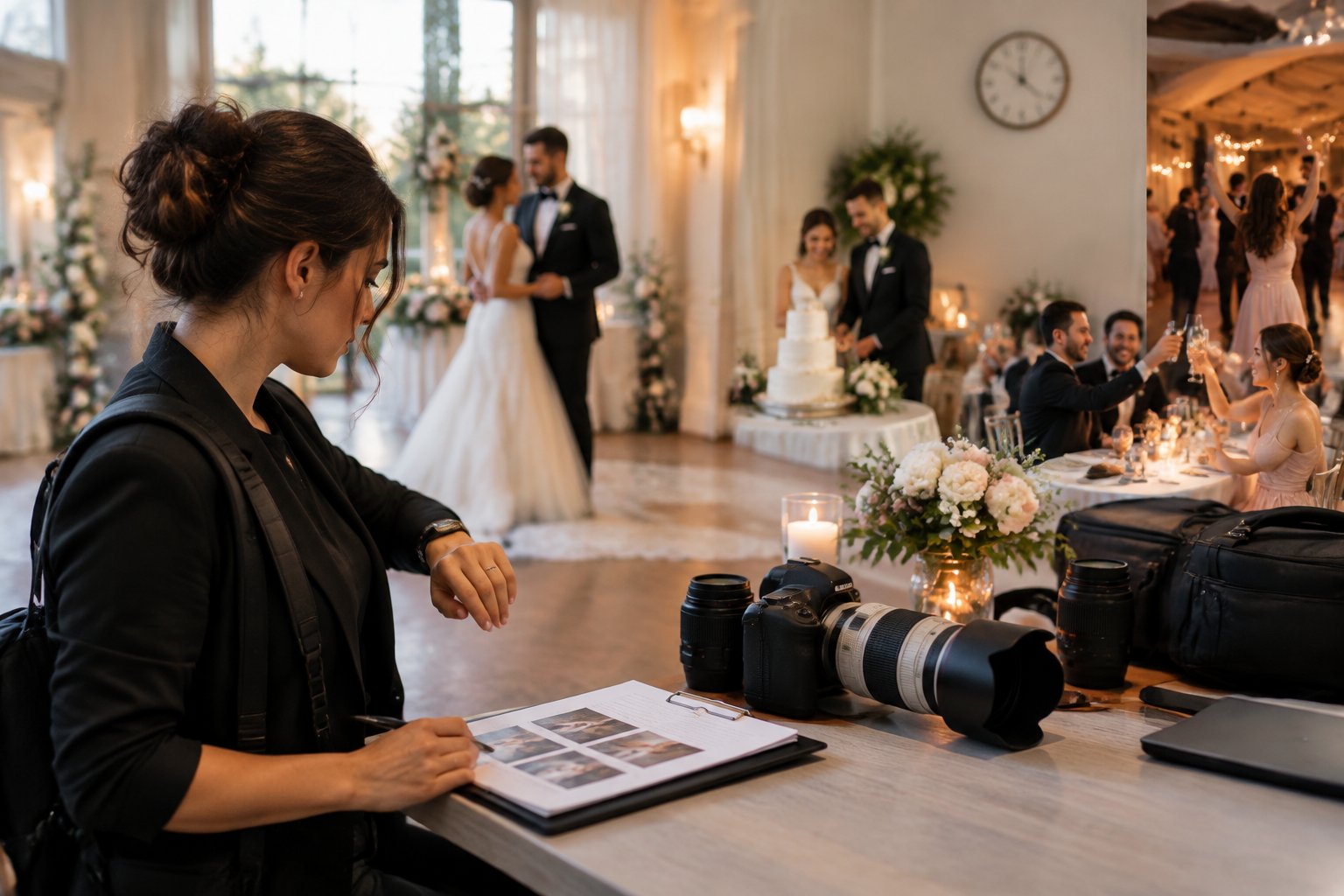
A package covering four hours might cost $1,000 to $2,300, while an eight-hour package may fall near $2,300 to $3,500 for a standard service. Premium and luxury wedding photography packages can reach $5,000 to $10,000 or more when they include multiple photographers, albums, and extended events.
Four to Six Hours for Elopements and Intimate Weddings
Four to six hours can cover a courthouse ceremony, elopement, or small wedding with a compact timeline. You might choose ceremony coverage, family portraits, couple portraits, and part of the reception.
This schedule works best when getting-ready photos and late-night dancing are low priorities. Build a detailed timeline so your photographer knows which moments must fit inside the booked window.
Eight Hours for Most Wedding Days
Eight hours suits many weddings because it can include preparation, portraits, the ceremony, family photos, and key reception events. Your photographer might begin with getting-ready coverage and finish after the first dances, dinner, or early open dancing.
Travel between a hotel, ceremony site, and reception venue uses time within the coverage window. Ask whether the package includes travel between locations and how the photographer handles a delayed ceremony.
When Ten or More Hours Make Sense
Ten or more hours makes sense when your day includes extensive preparation, multiple locations, a large guest list, or a late reception exit. Extra time also helps when you want both partners’ getting-ready moments documented.
You might add rehearsal dinner photography for $500 to $1,500, depending on coverage length. A destination wedding photographer may also need travel days, lodging, meals, and transportation included in the agreement.
What Is Included in Wedding Photography Packages?
Wedding photography packages commonly include a set coverage period, one primary photographer, edited digital images, and an online gallery, with albums and other products added at higher tiers. Read each proposal closely because two packages with the same number of hours may deliver very different products.
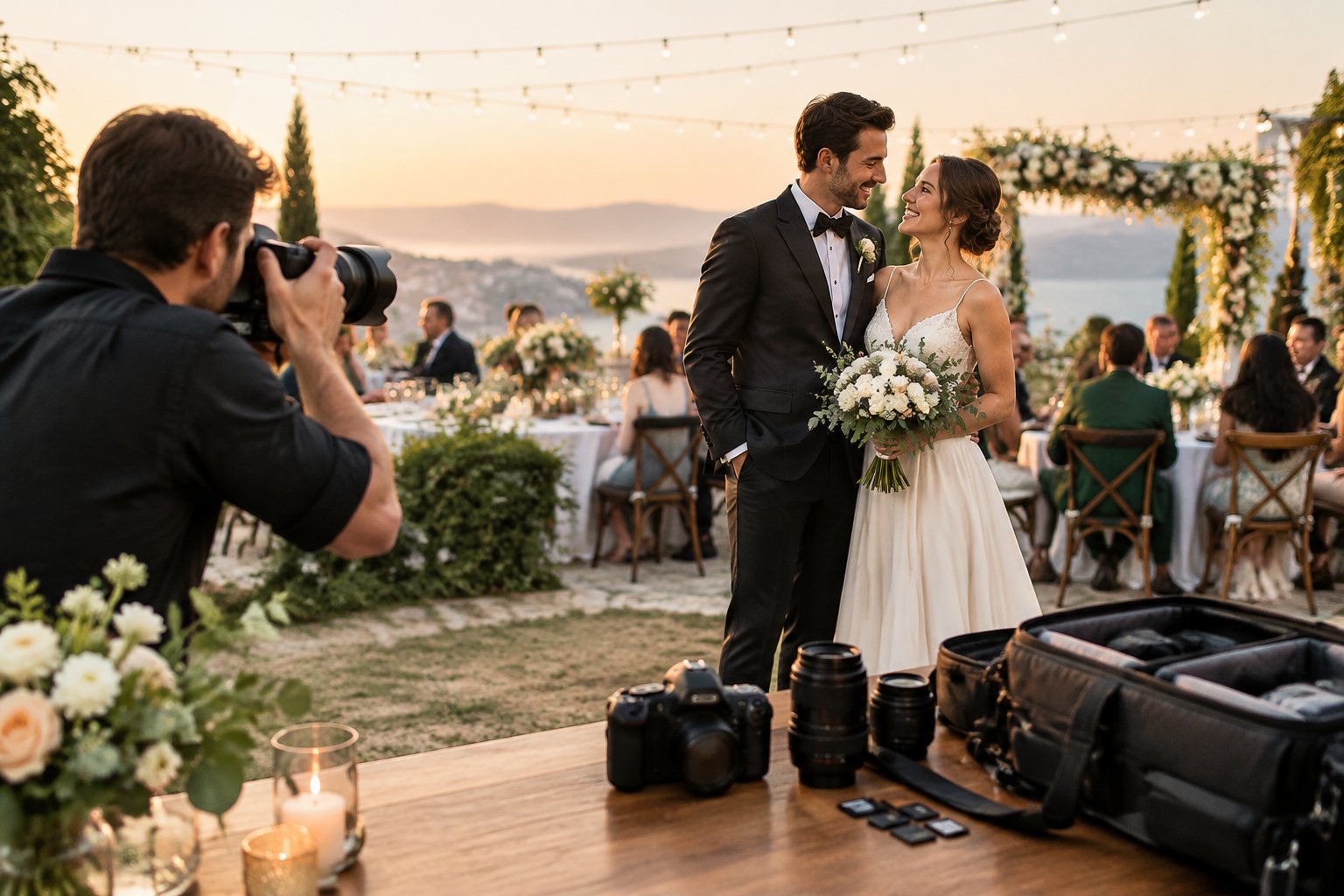
Ask for the image count, delivery schedule, photographer team, editing style, and ownership terms in writing. Those details help you compare photography packages on equal terms.
Primary Photographer and Second Shooter Coverage
The primary photographer leads your coverage and handles the main creative decisions. A second shooter adds another angle and captures moments happening at the same time, such as one partner getting ready while the other prepares elsewhere.
A second shooter may add $300 to $750. Confirm the number of hours, whether the second shooter is a trained photographer, and whether both photographers’ images receive the same editing treatment.
Edited Digital Images, Galleries, and Delivery
Most packages provide edited digital images through an online gallery. The gallery may let you download high-resolution digital files, share selected images, and order prints through the photographer’s lab.
Ask how many edited images you will receive, when the gallery will arrive, and how long the gallery remains available. Some photographers provide a preview shortly after the wedding, with the full gallery delivered later.
Engagement Sessions and Engagement Photos
An engagement session gives you photos for announcements and lets you practice working with your photographer before the wedding. A one- to two-hour engagement shoot may be included in standard or premium packages, or offered as an add-on.
Check the number of edited engagement photos, session location limits, rescheduling terms, and whether travel costs apply. If engagement photos are not important to you, removing the session may reduce the package price.
Albums, Prints, and Photo Booth Add-Ons
Albums and prints turn your digital images into physical keepsakes. A standard wedding album may cost $350 to $1,000, while an heirloom photo album can cost $1,000 to $3,000. Canvas prints and parent albums add separate costs.
Some photographers also offer a photo booth rental for about $400 to $750. Compare the booth’s attendant, hours, props, gallery access, and setup terms before adding it to your photography packages.
Which Factors Raise or Lower Photography Pricing?
Experience, location, travel, guest count, timeline demands, and editing style create the largest differences in wedding photography rates. A local photographer with one coverage plan may quote far less than a high-demand professional photographer managing a large, multi-location celebration.
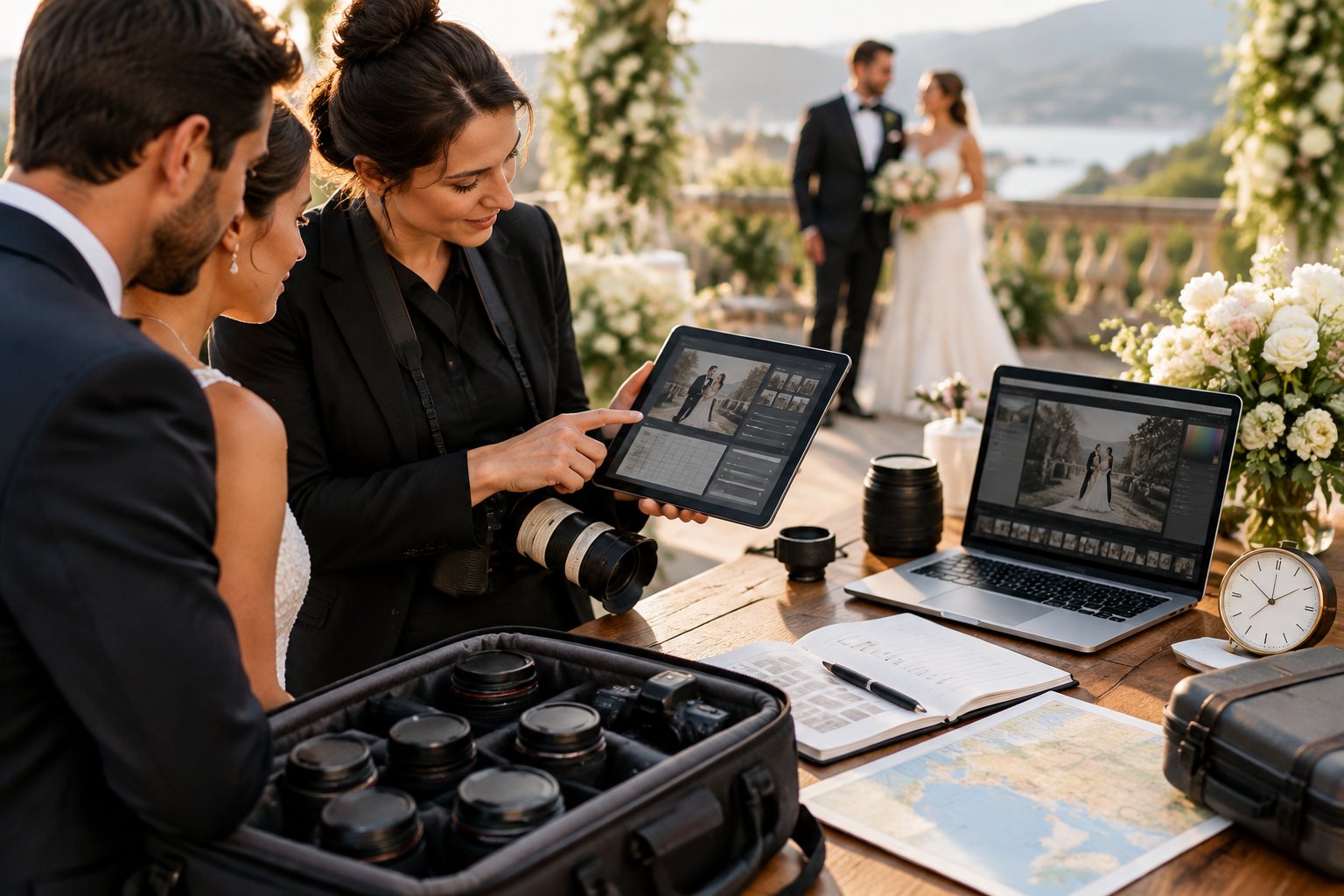
Use local listings on platforms such as WeddingWire and The Knot as starting points for price research. Compare photographers with similar experience, coverage hours, deliverables, and styles.
Photographer Experience and Professional Editing
Photographer experience affects both shooting decisions and client service. An established professional wedding photographer has handled changing light, tight schedules, family portraits, weather shifts, and fast-moving moments.
Professional editing also takes substantial time after the wedding. Color correction, image selection, cropping, skin retouching, and artistic adjustments shape the finished gallery. A photographer who delivers a large set of carefully edited images prices the service around that post-production workload.
Location, Season, and Destination Travel
Rates rise in markets with higher living costs and strong demand. Recent national spending figures show regional averages near $2,600 in the Southwest, $2,700 in the South and Southeast, $2,900 in the Midwest and West, and about $3,700 to $3,800 in the Northeast and Mid-Atlantic.
Saturday dates during peak season often command higher prices than weekday or off-season dates. A destination wedding photographer may add airfare, lodging, meals, rental cars, fuel, and other transportation expenses.
Guest Count, Timeline Complexity, and Style
A larger guest list creates more family combinations, group coverage, table activity, and candid moments. Recent spending figures place average photographer costs near $2,000 for weddings with 1 to 50 guests, $2,700 for 51 to 100 guests, and $3,500 for 101 or more guests.
Multiple venues and a packed timeline require more planning and travel. Documentary, editorial, fine-art, and portrait photography styles also involve different shooting and editing methods, so compare full galleries instead of judging a quote from the hourly rate alone.
How to Compare Quotes and Avoid Surprise Costs
Compare the full wedding photography costs, deliverables, rights, payment schedule, and extra charges before signing a contract. A lower starting quote can become more expensive when it excludes travel, overtime, an album, or the files you expect to receive.
Check the Wedding Photography Contract Before Booking
Your wedding photography contract should list the date, coverage hours, venue locations, photographer team, total price, deposit, payment deadlines, cancellation terms, and delivery timeline. Look for policies covering overtime, illness, equipment failure, venue restrictions, meal breaks, and postponement.
Confirm whether sales tax, travel, parking, lodging, meals, and album design appear in the quoted price. Ask who edits the images and whether the photographer can use your photos for marketing.
Understand Print Rights, Print Releases, and Raw Files
A print release gives you permission to print your delivered images for personal use. Print rights may cover personal printing and sharing while limiting commercial use or major alterations.
Raw files are unedited camera files and are not included in every package. Ask whether you receive high-resolution edited digital files, a print release, and a personal-use license. The contract should state the file format and download terms.
Set a Photography Budget That Fits Your Priorities
Start with the moments you want documented and the products you plan to use. You might prioritize eight hours of coverage, a second shooter, or an album, then reduce optional services that have less value to you.
Reserve about 9% of your total wedding budget as a starting point, then adjust for your location and priorities. Request itemized quotes from at least three photographers and compare the same coverage, image delivery, rights, travel terms, and add-ons before choosing.