
Bachelor Party Destinations: What the Term Means
A bachelor party destination is a city, resort, town, or outdoor area that hosts a groom’s pre-wedding celebration away from home. A local dinner or night out stays near home, while a destination trip includes travel, lodging, and planned activities for the group.
The bachelor party destinations definition is a planned getaway for the groom and his friends, built around shared experiences that fit the group’s budget and the groom’s personality.
A destination bachelor party may last one night, a full weekend, or several days. The trip could center on nightlife, a sports event, food, beaches, outdoor adventure, or quiet time together.
The term “bachelor trip” describes the travel-focused format, while “bachelor weekend” often refers to a domestic getaway lasting two or three nights.
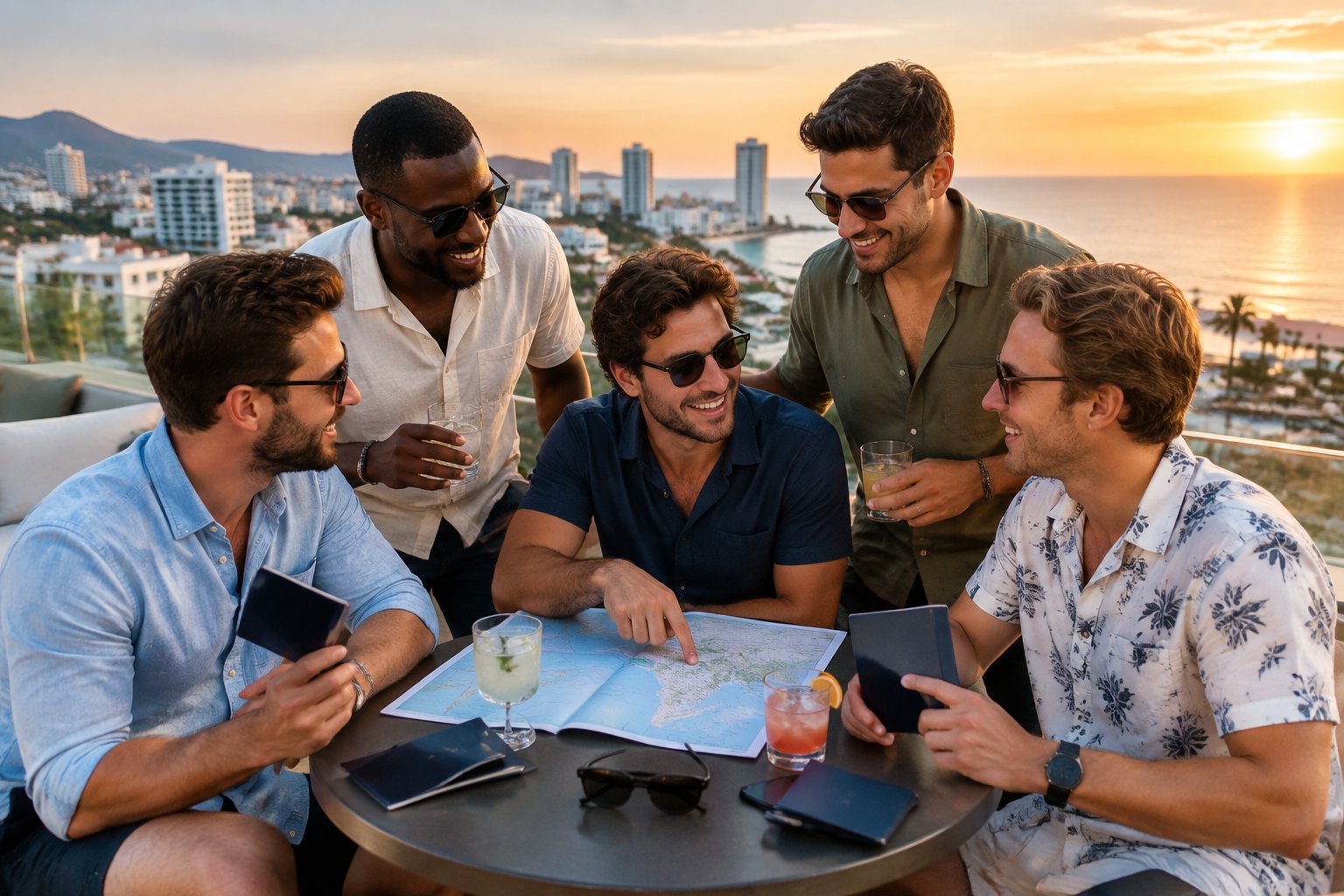
The groom’s preferences guide the plan. His closest friends may organize the event, share the cost of his place, and coordinate transportation, lodging, meals, and activities.
A successful trip also gives every guest clear cost details and enough notice to decide comfortably. Start by asking the groom what kind of celebration feels right, then build the destination around that answer.
What Makes a Bachelor Party a Destination Trip?
A bachelor party becomes a destination trip when the group travels far enough to need overnight lodging and plans the celebration around the location. The destination shapes the schedule, activities, accommodation, and cost.
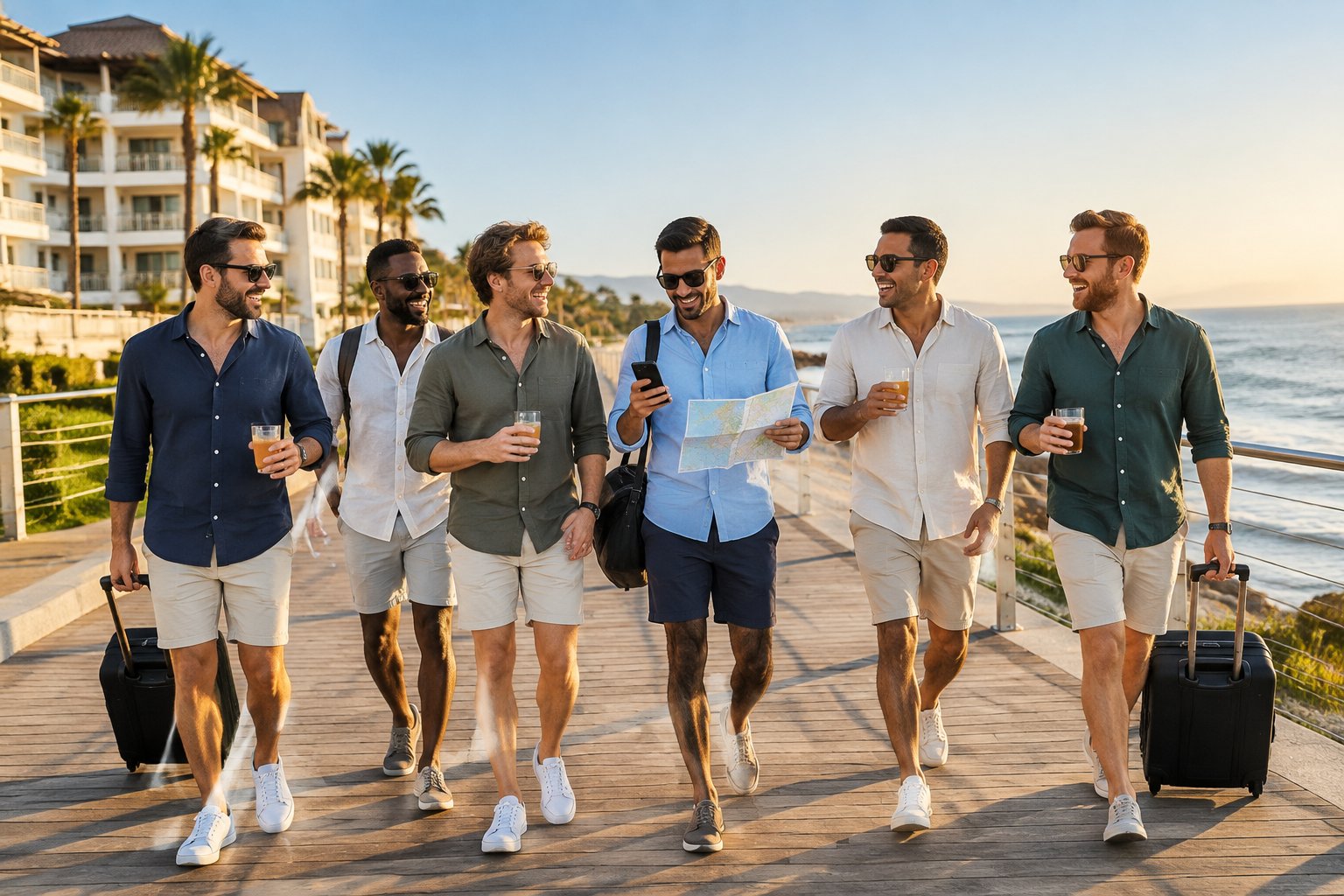
A destination might offer major nightlife, a private house, a resort, a golf course, or access to outdoor activities. The best bachelor party destinations give the group enough options to enjoy time together without forcing every guest into the same activity.
An Airbnb may suit a large group that wants a shared kitchen and living room, while boutique hotels work well for guests who prefer private rooms and central locations.
How Far Do You Need to Travel?
You need to travel far enough that the group requires overnight accommodations, though the distance itself has no fixed rule. A nearby beach town, mountain community, or casino city qualifies if the trip involves lodging and a planned getaway.
Drive time often offers the simplest option for groups with limited budgets. A destination within a few hours may reduce airfare, rental-car costs, and travel stress.
Air travel opens more choices, yet you should compare total travel time with the length of the celebration. A six-hour journey each way takes up a large share of a one-night event.
What Separates a Destination Trip From a Local Night Out?
A destination trip combines transportation, lodging, and location-based plans across at least one overnight stay. A local night out centers on a restaurant, bar, concert, or activity near the group’s homes and ends with everyone returning home.
The difference also affects planning. A destination trip requires room reservations, arrival times, a shared itinerary, cancellation terms, and a plan for getting around.
You should also account for travel fatigue, weather, accessibility, dietary needs, and each guest’s spending limit.
Choose the Trip Style That Fits the Groom
The groom’s favorite way to spend free time should determine the trip style, from nightlife and live music to beaches, golf, or outdoor adventure. Choose a destination with a strong main activity and enough lower-key options for guests who want a slower pace.
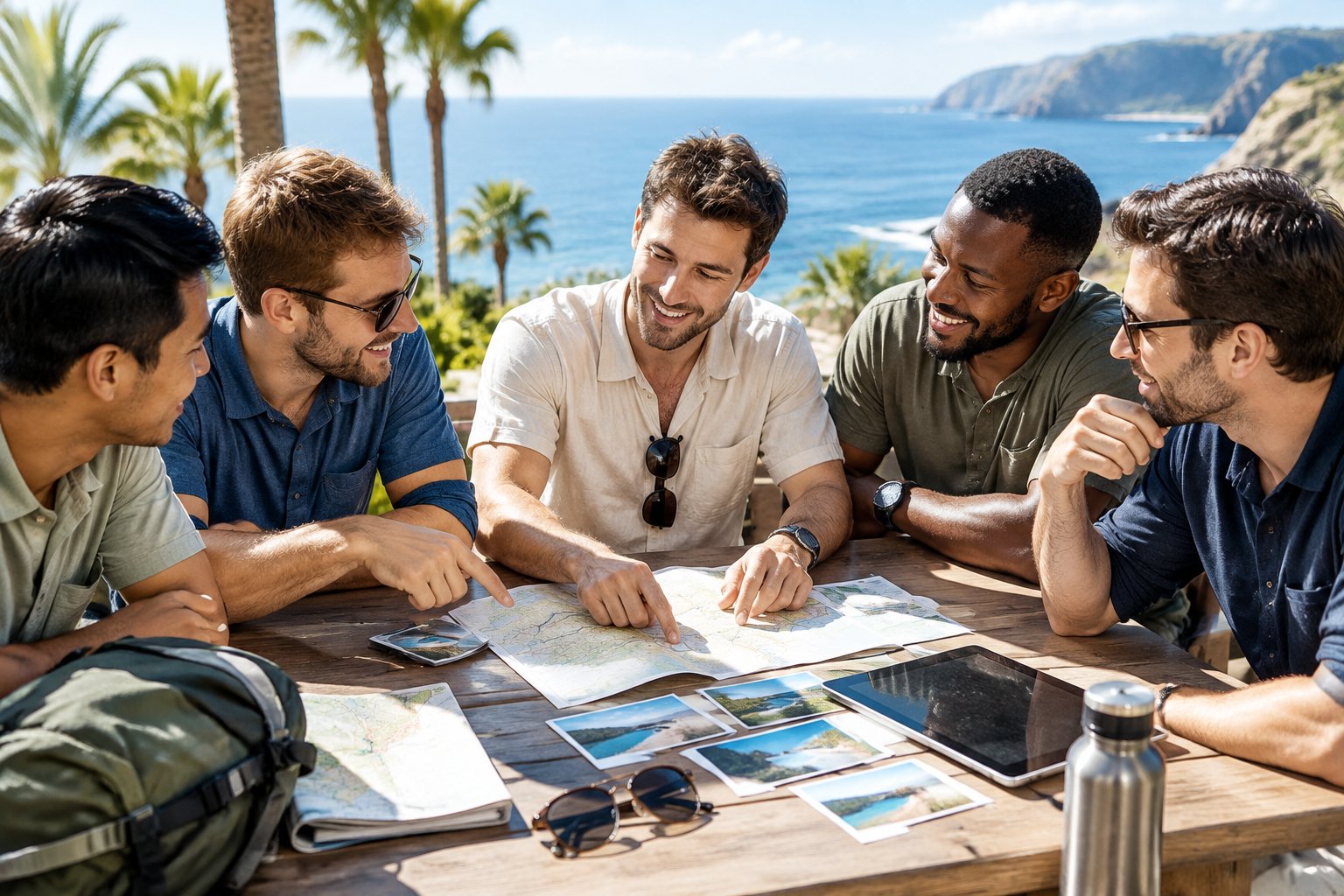
A good plan leaves open space between major activities. That gives guests time to rest, change clothes, eat, and enjoy unplanned conversations without making the schedule feel empty.
Nightlife and Live-Music Getaways
Nightlife trips suit a groom who enjoys bars, live music, live music venues, nightclubs, rooftop bars, or casinos. Look for a walkable entertainment district so the group can move between venues without arranging long rides.
Reserve popular restaurants and ticketed events early. Check age rules, dress codes, cover charges, and transportation plans before the weekend.
A daytime activity, such as a food tour or pool visit, gives the group variety before an evening out.
Golf, Food, and Relaxed Luxury Weekends
Golf trips work well for a golf enthusiast who enjoys time on golf courses, good meals, and comfortable lodging. You can pair morning tee times with a steakhouse dinner, a cooking class, or a spa appointment.
Confirm each course’s booking window, rental-club policy, dress code, and pace of play. A house or resort with a private pool, dining space, or nearby restaurant gives non-golfers ways to enjoy the day.
Beach and Water-Based Escapes
Beach trips fit groups that want sun, swimming, boating, fishing, or water sports. Depending on the location, plans might include deep-sea fishing, snorkeling, surfing, a boat charter, or a beach club reservation.
Build the schedule around conditions on the water. Book licensed operators, review safety rules, and reserve shade or seating for guests who prefer time off the beach.
Keep one flexible block available for weather changes.
Mountain and Outdoor Adventure Trips
Mountain trips suit groups that enjoy hiking, skiing, mountain biking, whitewater rafting, kayaking, or other outdoor activities. A winter trip can include skiing and après-ski time, while warmer months open options for hiking and biking.
Match the activity to the group’s fitness and experience levels. Confirm equipment rentals, guide requirements, weather policies, and transportation to trailheads or rivers.
A comfortable cabin or lodge creates a useful gathering place after a full day outside.
Popular U.S. Destination Types and Where They Work Best
U.S. destination types match different group moods, from high-energy cities and beaches to golf retreats, food hubs, lakes, and mountain towns. Your best choice depends on travel access, season, lodging prices, and the activities the groom will enjoy.

Use the city’s signature appeal as a starting point, then check neighborhood location and local transportation. A strong destination still needs lodging that fits the group and activities that work for the dates.
Party Cities for a High-Energy Weekend
Las Vegas, Nevada offers casinos, shows, restaurants, clubs, and rooftop bars in a compact entertainment area. It suits groups that want a packed schedule with many choices.
Nashville, Tennessee combines live music, bars, Southern food, and Broadway’s busy entertainment district. The city fits a group that wants music-led evenings with plenty of dining options.
New Orleans brings live music, Cajun and Creole food, and the energy of Bourbon Street. Its historic neighborhoods add culture and daytime activities to a nightlife-focused weekend.
New York City supports a wide mix of dining, sports, theater, bars, and neighborhoods. It works well when guests want different activities and the group has a flexible budget.
Beach Destinations for Sun and Nightlife
Miami, Florida offers beaches, hotels, restaurants, and nightlife around South Beach. Groups should compare lodging and transportation costs carefully because popular areas fill quickly.
Fort Lauderdale provides beaches, waterfront dining, boating, and a more spread-out coastal setting. It can suit a group that wants water time with access to evening entertainment.
Key West, Florida works for a smaller, relaxed group that enjoys boating, fishing, sunset outings, and walkable bars. Travel time and limited lodging make early planning important.
San Diego, California combines beaches, seafood, breweries, and outdoor activities. The city gives you more daytime choices when some guests want a break from nightlife.
Golf and Desert Retreats
Scottsdale, Arizona pairs golf courses, resort pools, restaurants, and desert scenery. Its warm, dry climate supports golf-focused weekends during cooler months.
Palm Springs, California offers golf, design-focused hotels, pool time, and nearby desert excursions. It fits a group seeking relaxed luxury with a quieter evening pace.
Music, Food, and Craft Beer Cities
Austin, Texas is known for live music, barbecue, food trucks, and bars along Rainey Street. Barton Springs and Lake Travis add daytime options for groups that want time outdoors.
Charleston, South Carolina suits a slower weekend centered on seafood, historic streets, and polished dining. Its coastal setting adds boating and beach options.
Savannah offers walkable historic areas, Southern food, bars, and nearby coastal excursions. It works well for groups that prefer conversation and food over a packed club schedule.
Portland, Oregon appeals to groups interested in craft beer, breweries, food carts, and neighborhood exploration. Its casual style fits a lower-pressure bachelor weekend.
Lake and Mountain Escapes
Lake Tahoe offers boating, beaches, fishing, hiking, skiing, and mountain views across the California-Nevada border. Choose the side and season based on the group’s planned activities.
Aspen suits a higher-budget trip focused on skiing, après-ski, dining, and mountain lodging. Denver, Colorado offers city restaurants and breweries with easier access to nearby mountain activities.
When an International Bachelor Trip Makes Sense
An international bachelor trip makes sense when the group has enough time, budget, and planning commitment for passports, flights, and border travel. Three or more nights gives the group a better chance to enjoy the destination without spending most of the event in transit.
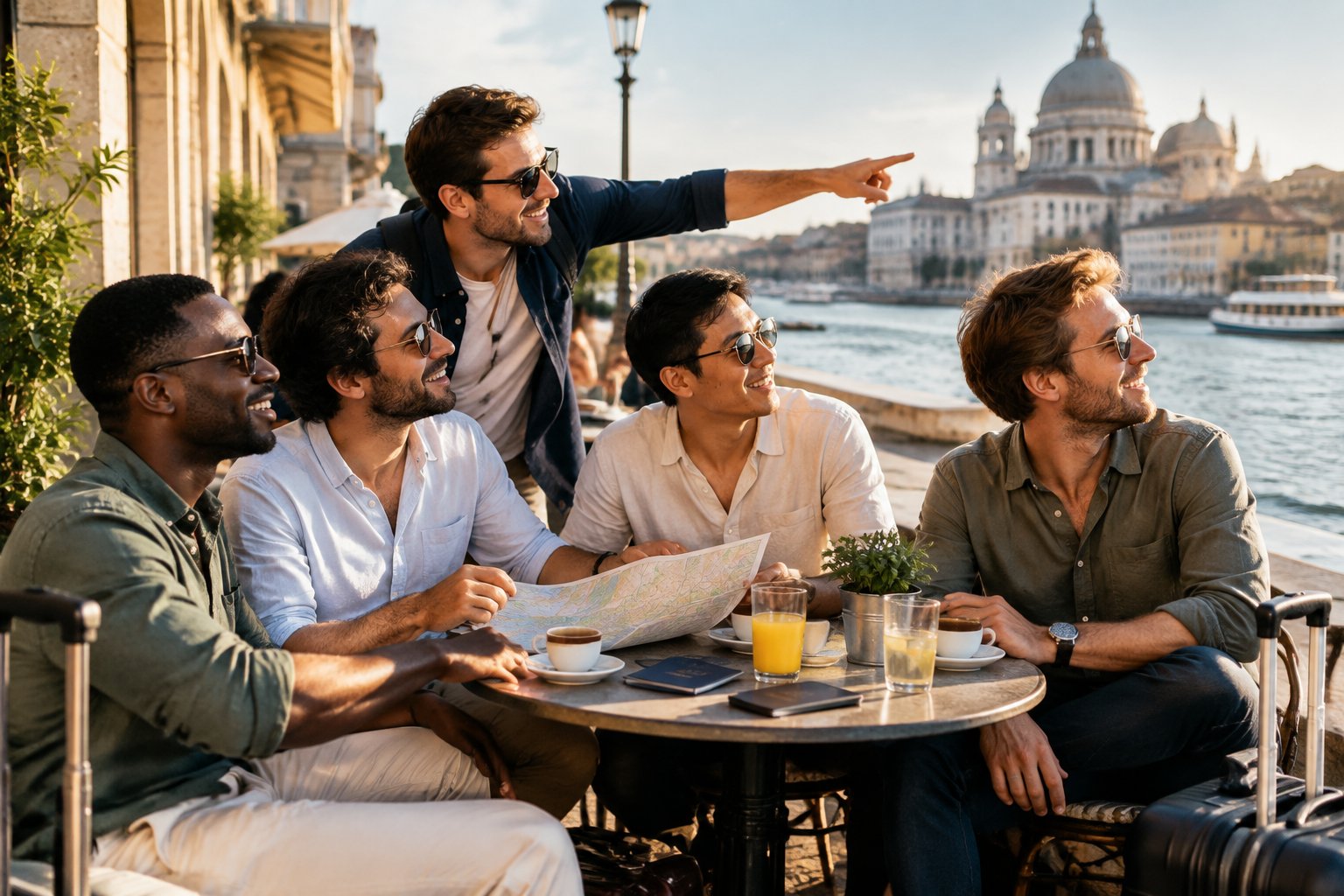
Confirm passport validity, entry rules, travel insurance, payment methods, local transportation, and the legal drinking age before booking. Share the full expected cost early so guests can make an informed choice.
Mexico Beach Resorts and Nightlife
Cabo San Lucas combines beaches, boating, nightlife, restaurants, and resort lodging. Cancún offers beaches, clubs, excursions, and all-inclusive resorts that simplify shared meals and drinks.
Mexico works well for groups that want warm weather and a resort-based schedule. Compare airport transfers, resort policies, activity costs, and the distance between the hotel and evening venues.
Adventure-First International Trips
Costa Rica suits groups interested in surfing, fishing, zip lines, hiking, rafting, and other outdoor activities. Cartagena combines coastal scenery, food, nightlife, and historic neighborhoods.
Montreal, Canada offers live music, restaurants, nightlife, and a strong food scene without requiring a long transatlantic journey for U.S. travelers. Groups interested in wine tasting can also consider Napa Valley, which delivers wineries and vineyard experiences within the United States.
How Much Time Should an International Trip Allow?
Plan at least three nights for an international trip, then add time when flights include long connections or major time-zone changes. A four-night schedule gives you an arrival buffer, two full activity days, and a departure day.
Book the main lodging and one key activity before departure. Leave space for weather, delayed flights, border lines, and rest after arrival.
Keep passports, emergency contacts, insurance details, and reservation information accessible to every traveler.
How to Pick the Right Location and Set Expectations
Pick the location by matching the groom’s priorities with the group’s budget, travel time, lodging needs, and comfort levels. A destination works when guests know the cost, schedule, sleeping setup, and activity expectations before they commit.
Ask the groom and guests to identify must-haves and deal-breakers. A private pool, hot tub, pool parties, or beach clubs may define the trip for one group, while another group may care more about a quiet house, golf access, or outdoor space.
How Much Should Each Guest Budget?
Set a per-person limit before choosing the destination or booking activities. Add flights or driving costs, lodging, food, local transportation, planned activities, taxes, tips, and a small emergency reserve.
Share two numbers with guests: the expected total and the highest likely total. Keep optional upgrades separate so a guest can skip a premium dinner, private cabana, or extra excursion without affecting the core plan.
Agree in advance on how the group will cover the groom’s share.
How Long Should the Trip Be?
Choose one or two nights for a nearby celebration and two or three nights for most domestic destination weekends. An international trip needs at least three nights to make travel time worthwhile.
Schedule the main event after everyone arrives and include a slower period before departure. Avoid placing the celebration immediately before the wedding, since the groom needs time to rest and handle final wedding tasks.
Where Should the Group Stay?
Choose lodging near the main activity area, with enough beds, bathrooms, common space, and transportation access for the full group. An Airbnb supports shared meals and group time, while hotels offer individual rooms, front-desk support, and consistent services.
Read occupancy rules, noise policies, parking details, cancellation terms, and check-in instructions before paying a deposit. Confirm whether the property allows parties, outside guests, pool use, and planned vendors.
How Do You Balance Different Interests?
Make one or two activities the shared anchor, then offer optional plans for guests with different interests. For example, golfers can play a morning round while others visit a spa, explore local shops, or relax at the lodging.
Ask about mobility needs, dietary restrictions, sleep preferences, alcohol use, and comfort with nightlife before finalizing plans. Give everyone the itinerary, payment deadlines, addresses, transportation details, and emergency contact information in one shared message.