
Bachelor Party Destinations You Don’t Need a Passport in 2026
If you want bachelor party destinations you don’t need a passport for, start with Puerto Rico for a tropical mix of beaches, nightlife, history, and easy U.S. travel logistics. U.S. citizens can fly there with approved identification, so your group can focus on flights, rooms, and the groom’s ideal weekend.
You also have strong options across the mainland, U.S. territories, and select closed-loop cruises. A beach crew might choose San Juan or Key West, while a music-loving group could build a weekend in Nashville or Austin.
Before booking, match the destination to the groom’s style, your budget, and the documents every guest can provide. Use the passport rules below to narrow your list, then contact the destination or cruise operator to confirm current entry requirements.
Passport Rules to Know Before You Book
U.S. citizens can reach Puerto Rico, the U.S. Virgin Islands, Guam, and the Northern Mariana Islands with accepted government-issued identification, while closed-loop cruises follow separate document rules.
Your group should check every traveler’s documents before paying deposits. A passport gives you the broadest flexibility for international travel, including trips to Mexico and Canada.
Requirements can also differ by airline, cruise line, port, and citizenship status.
Which Trips Can U.S. Citizens Take With a Government-Issued ID?
Domestic flights to U.S. territories use the same federal identification rules as other domestic flights. Bring a REAL ID-compliant state license or another accepted form of identification. A passport card or passport book also works.
Puerto Rico offers the easiest island experience for many groups. U.S. Virgin Islands travel can include St. Thomas, St. John, or St. Croix with proof of U.S. citizenship and accepted identification.
Guam and the Northern Mariana Islands also have passport-free pathways for U.S. citizens, though flight routes and document checks require extra attention. Canada has limited exceptions for travelers with programs such as NEXUS during land or marine crossings.
Air travel to Canada has different requirements, so check the current government rules before booking.
When Is a Passport Still Required?
Air travel to Mexico, Canada, Costa Rica, the Dominican Republic, and most other foreign countries requires a passport. That includes popular international bachelor party locations such as Cancún, Santo Domingo, and Cabo San Lucas.
A closed-loop cruise can allow U.S. citizens to sail with proof of citizenship and government-issued identification when the ship leaves and returns to the same U.S. port. Cruise lines and individual ports can set stricter requirements, so review the booking documents for every guest.
A passport remains useful if someone needs to leave the ship early and fly home.
U.S. Territory Escapes for a Tropical Weekend
Puerto Rico offers the strongest passport-free tropical mix, while the U.S. Virgin Islands, Guam, and the Northern Mariana Islands suit groups seeking beaches, water sports, and a more remote setting.
You can plan a city-based bachelor weekend in San Juan, a boat-focused trip through the Virgin Islands, or an adventure itinerary in the Pacific. Flight length, rental car needs, and resort availability vary widely, so compare those details before choosing an island.
Puerto Rico: Nightlife, Beaches, and Culture in San Juan
San Juan gives you the easiest balance of nightlife and daytime activities. Your group can stay near Condado or Isla Verde for beach access, then spend an evening exploring restaurants and bars in Santurce.
Schedule time for El Morro and Old San Juan, where colorful streets and historic sites add culture to the trip. Surfing, snorkeling, kayaking, and hiking create simple daytime plans between nights out. San Juan also offers resorts, apartment rentals, and restaurants across a wide price range.
A practical itinerary might include a beach morning, a guided food experience, an afternoon at El Morro, and live music after dinner. You can keep transportation simple by choosing lodging near the activities your group values most.
U.S. Virgin Islands: St. Thomas, St. John, and St. Croix
St. Thomas works well for groups that want boat tours, shopping, and nightlife near Charlotte Amalie. St. John brings a quieter beach experience, with Virgin Islands National Park covering much of the island. St. Croix offers more space for diving, fishing, and a relaxed local-food itinerary.
Island-hopping adds travel time, so choose one base if your weekend is short. Catamarans, snorkeling trips, and private boat charters give your group a shared activity without a complicated schedule.
All-inclusive resorts are available in the territory, though room and meal packages vary by island.
Pacific Island Options: Guam and the Northern Mariana Islands
Guam and the Northern Mariana Islands suit groups that want warm water, coral reefs, and strong outdoor options. Guam combines resorts, restaurants, and water sports, while Saipan offers beaches, hiking, and The Grotto, a well-known snorkeling and diving site.
These destinations require longer travel for most mainland groups. Build in recovery time after arrival and plan fewer activities per day. A resort near the water can simplify meals, transportation, and equipment rentals for a group celebrating far from home.
Closed-Loop Cruises and Nearby Caribbean Stops
A closed-loop cruise from a U.S. port can deliver Caribbean destinations such as The Bahamas, Bermuda, and Mexico with shared group entertainment and streamlined lodging.
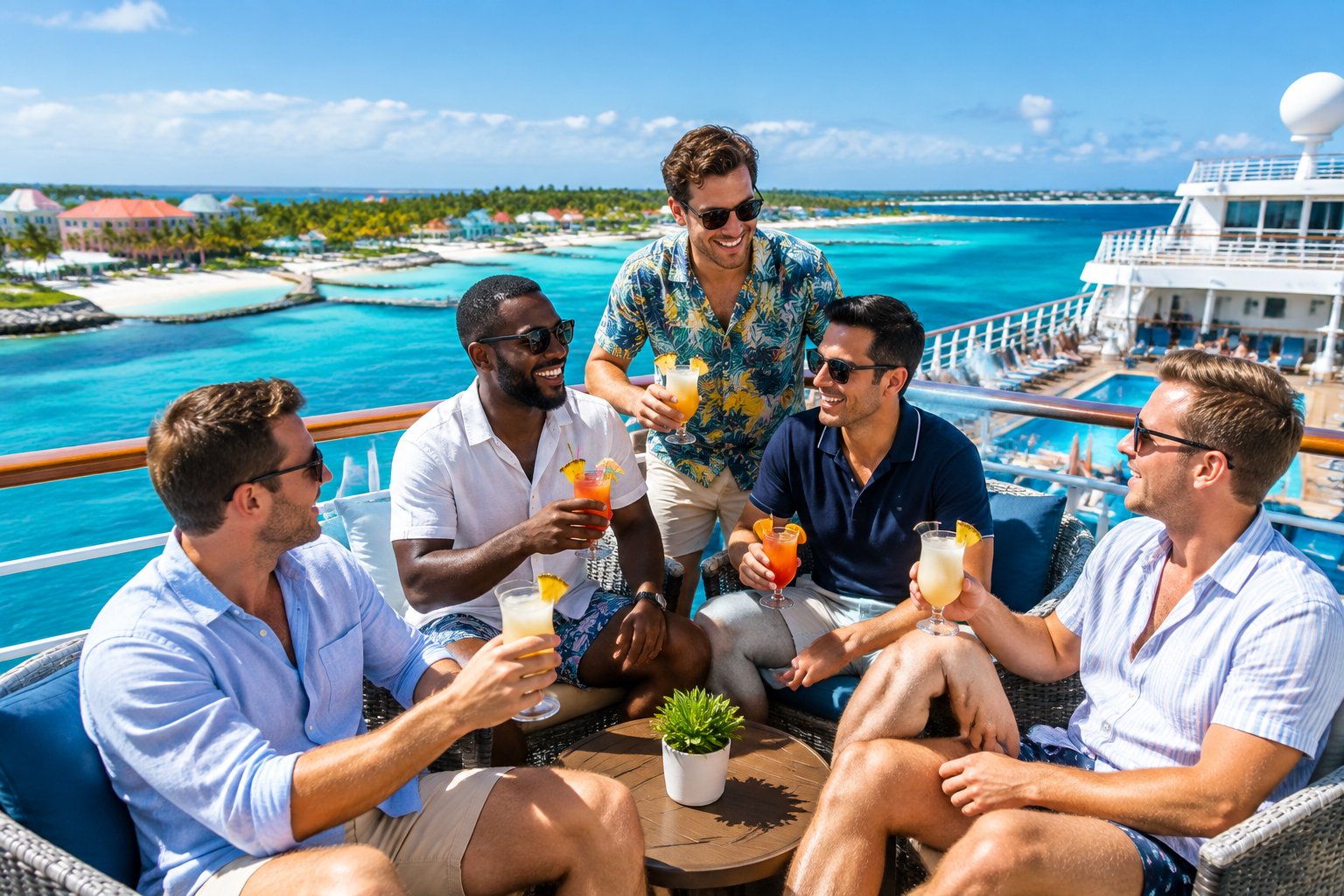
Cruises work well when your group wants planned meals, pool time, nightlife, and shore excursions in one booking. Review the itinerary closely because document rules depend on the sailing, ports, and cruise operator.
How Closed-Loop Cruise Rules Work
A closed-loop cruise departs from and returns to the same U.S. port, with stops within the Western Hemisphere. U.S. citizens may use proof of citizenship, such as a government-issued birth certificate, plus photo identification, when the cruise line and ports permit it.
Each guest should check the cruise line’s document list before boarding. A passport can still help if a medical issue, missed sailing, or early departure requires international air travel. Guests who are not U.S. citizens may face different requirements.
Caribbean Ports Worth Considering for a Group Trip
The Bahamas makes an easy choice for beach time, boating, and short itineraries from Florida. Bermuda suits groups that prefer beaches, golf, and a polished island setting. Mexico ports such as Cancún-area stops offer snorkeling, nightlife, and excursions.
A longer route might include Santo Domingo, where you can visit the Alcázar de Colón and explore the Colonial Zone. Some itineraries also include Costa Rica, with rainforest tours and water activities.
Compare port time with excursion costs before choosing a sailing.
Why Air Travel Has Different Document Requirements
Airlines verify travel documents before departure, and foreign countries control entry through their own rules. A cruise document policy does not transfer to a flight booked separately.
If your group plans to fly into Mexico, Costa Rica, the Dominican Republic, or another foreign destination, every traveler should check passport validity and entry rules before paying. Keep the cruise itinerary and flight plan together so you can spot any document mismatch early.
Florida Beach Weekends With No International Logistics
Florida gives you beach access, nightlife, fishing, and water activities with domestic flights, familiar identification rules, and flexible lodging options.
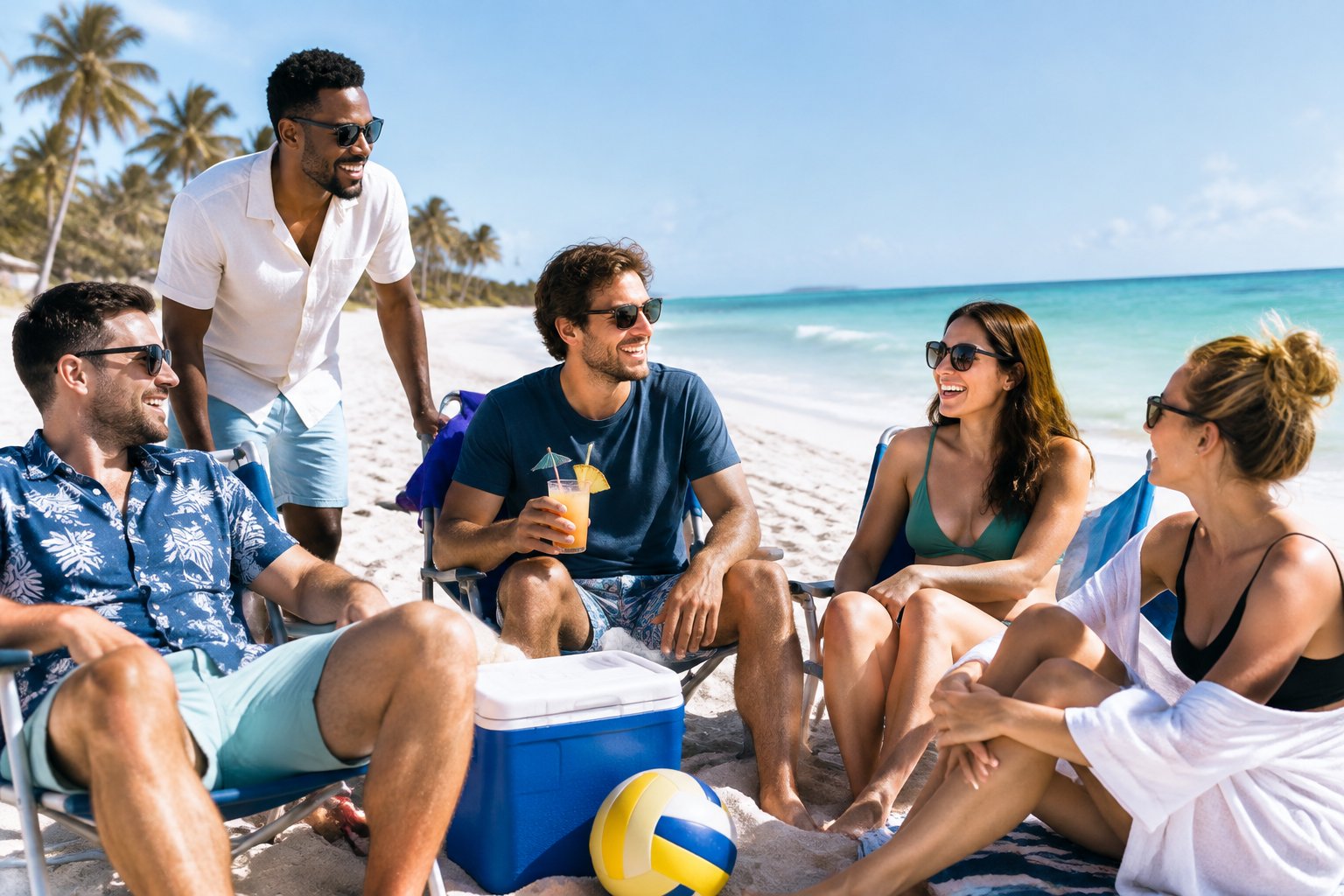
You can keep the weekend centered on one city or rent a home near the coast and build the schedule around a boat day. Florida also offers a wide range of restaurants, hotels, vacation rentals, and event spaces for different group sizes.
Key West for Deep-Sea Fishing and Live Music
Key West fits a groom who wants the water during the day and live music after sunset. Book a deep-sea fishing charter, then leave time for waterfront dining and walks through Old Town.
Duval Street provides bars and live entertainment, while the island’s compact layout makes many evening stops easy to reach. Fishing charters start early, so plan a relaxed first night and confirm the boat’s departure time before booking late events.
Miami and South Beach for Pool Parties
Miami and South Beach deliver high-energy pool parties, clubs, restaurants, and beach access. Stay near the activities your group plans to attend because traffic can add time between neighborhoods.
Reserve pool access and dining ahead during busy weekends. A simple schedule with a beach morning, a pool afternoon, and a planned dinner keeps the group together while leaving room for spontaneous stops.
Fort Lauderdale and the Florida Keys for On-the-Water Fun
Fort Lauderdale offers beach clubs, boat rentals, paddleboarding, and water sports with easier pacing than Miami. The Florida Keys extend the trip toward Key Largo and Key West, where your group can add fishing, snorkeling, or a sandbar outing.
Choose one area for a short bachelor weekend. Driving between the Keys adds distance, so confirm the route, rental vehicle, and boat pickup location before setting the itinerary.
Mainland Cities That Match the Groom’s Vibe
Mainland destinations let you shape the weekend around music, golf, food, nightlife, sports, or a large-city schedule without international documents.
You can rent an Airbnb for a group dinner and shared hangout space, then book only the activities that need reservations. City neighborhoods, airport access, and event calendars should guide your final choice.
Music, BBQ, and Rooftop Bars in Nashville and Austin
Nashville, Tennessee, suits a groom who wants live music, walkable nightlife, and Southern food. Broadway provides a dense entertainment area, while East Nashville and The Gulch add restaurants and rooftop bars.
Austin, Texas, brings live music, BBQ, patios, and access to Lake Travis. Your group can book a boat day, visit craft breweries, and plan a BBQ dinner before heading downtown.
Austin spreads activities across several areas, so group transportation helps.
Golf and Desert Nightlife in Scottsdale
Scottsdale, Arizona, pairs golf with pool time, restaurants, and desert nightlife. Book tee times early, especially during cooler months, and choose lodging near the courses or Old Town.
A balanced weekend might include a morning round, an afternoon by the pool, and dinner followed by bars in Old Town. Heat affects outdoor plans, so schedule golf early and keep water available throughout the day.
Food, Craft Beer, and Culture in New Orleans, Charleston, and Kansas City
New Orleans offers live music, Creole food, cocktail bars, and historic neighborhoods. Charleston, South Carolina, fits a group that prefers a strong food scene, waterfront walks, and polished nightlife. Kansas City, Missouri, adds BBQ, craft breweries, jazz, and lower-cost group activities.
Each city supports a slower itinerary with one major reservation per day. Check local rules for open containers, event access, and transportation before planning a large night out.
Big-City Energy in New York City and San Diego
New York City gives you Broadway shows, sports, restaurants, rooftops, and nightlife across several neighborhoods. San Diego brings beaches, breweries, water sports, and a relaxed coastal pace.
New York works well for groups that want a packed schedule and easy rail access. San Diego suits a groom who wants daytime beach time followed by craft beer or a night downtown.
Lodging costs vary sharply, so compare hotel rooms with an Airbnb early.
Active and Lower-Key Alternatives Across the U.S.
Aspen, Portland, Maine, and other U.S. destinations give you outdoor adventure, food, and group time with less pressure to build the weekend around clubs.
Your group can choose skiing, hiking, mountain biking, white water rafting, coastal food, or craft beer. These trips reward advance planning for weather, gear, transportation, and activity reservations.
Mountain and Snow Trips for Skiing and Hiking
Aspen offers skiing, hiking, mountain biking, restaurants, and upscale lodging for an active bachelor weekend. Winter groups should reserve rentals and lift access early. Summer groups can use trail days, scenic drives, and bike rides as the main events.
Mountain trips need a weather plan. Keep one flexible day for changing conditions, and confirm the rental home’s distance from lifts, trails, and restaurants.
Water and Wilderness Trips for Adventure Crews
White water rafting, kayaking, hiking, and mountain biking create shared challenges for groups that prefer activity over nightlife. U.S. river towns and mountain communities offer guides who provide equipment, safety instructions, and route choices.
Hawaii adds beaches, surfing, snorkeling, hiking, and warm-weather scenery without a passport for U.S. citizens. Travel time and lodging prices deserve careful review, especially for groups flying from the East Coast.
International ideas such as Cabo San Lucas, Tulum, Cartagena, Mexico City, Montréal, and Reykjavík require passport planning. They bring distinct experiences, from Mayan ruins and cenotes to northern lights and the Blue Lagoon, while adding entry rules and longer travel logistics.
Smaller Food and Beer Cities With Better Value
Portland, Maine, works well for a coastal weekend built around seafood, breweries, harbor walks, and nearby outdoor activities. Smaller U.S. cities can make group meals and lodging easier to manage than major party hubs.
Choose a walkable neighborhood and reserve one standout meal, brewery tour, or outdoor activity. A clear daily anchor lets the groom enjoy the destination without turning every hour into a scheduled event.