
Beach Wedding Venues and Estates: How to Choose Yours
Your best choice among beach wedding venues and estates is a property that matches your guest count, privacy needs, and planning style. A resort suits you when you want lodging and event services in one place. A private estate fits you when you want exclusive space and a full wedding weekend.
A public beach offers a scenic ceremony with more permit and logistics work.
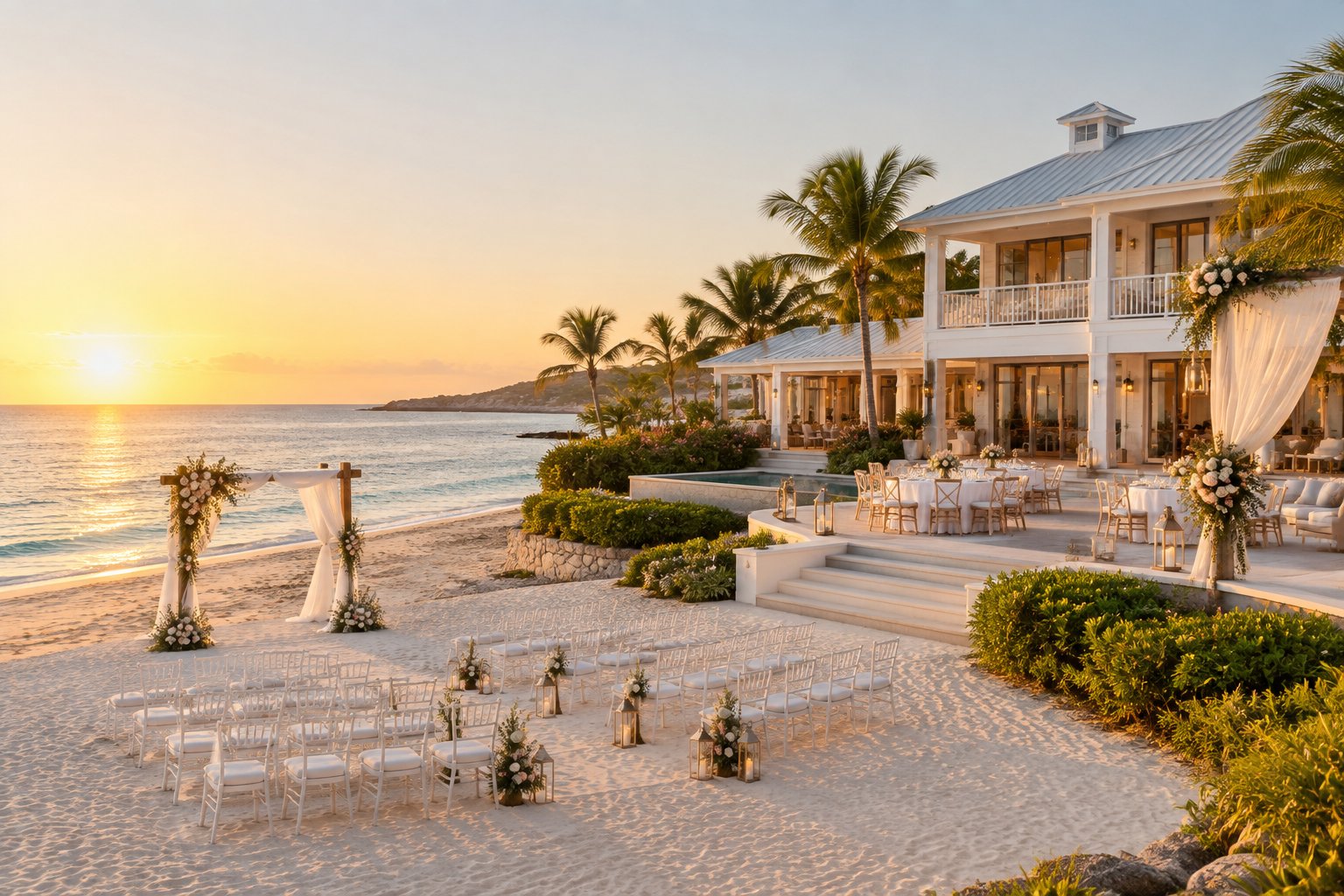
Start by deciding whether your celebration is a local outdoor wedding or a destination wedding in the USA. Then compare access, overnight rooms, ceremony rules, weather plans, and the total cost of bringing your people together. If you want a stay-together celebration, explore WedStay properties and contact its team to check availability for your preferred coast and dates.
How to Choose Between a Resort, Venue, and Private Estate
A resort is the strongest fit for convenience, a traditional beachfront wedding venue works well for organized event service, and a private estate is best for privacy and a multi-day celebration. Your choice should reflect how much control you want over the property, schedule, guest rooms, and wedding vendors.
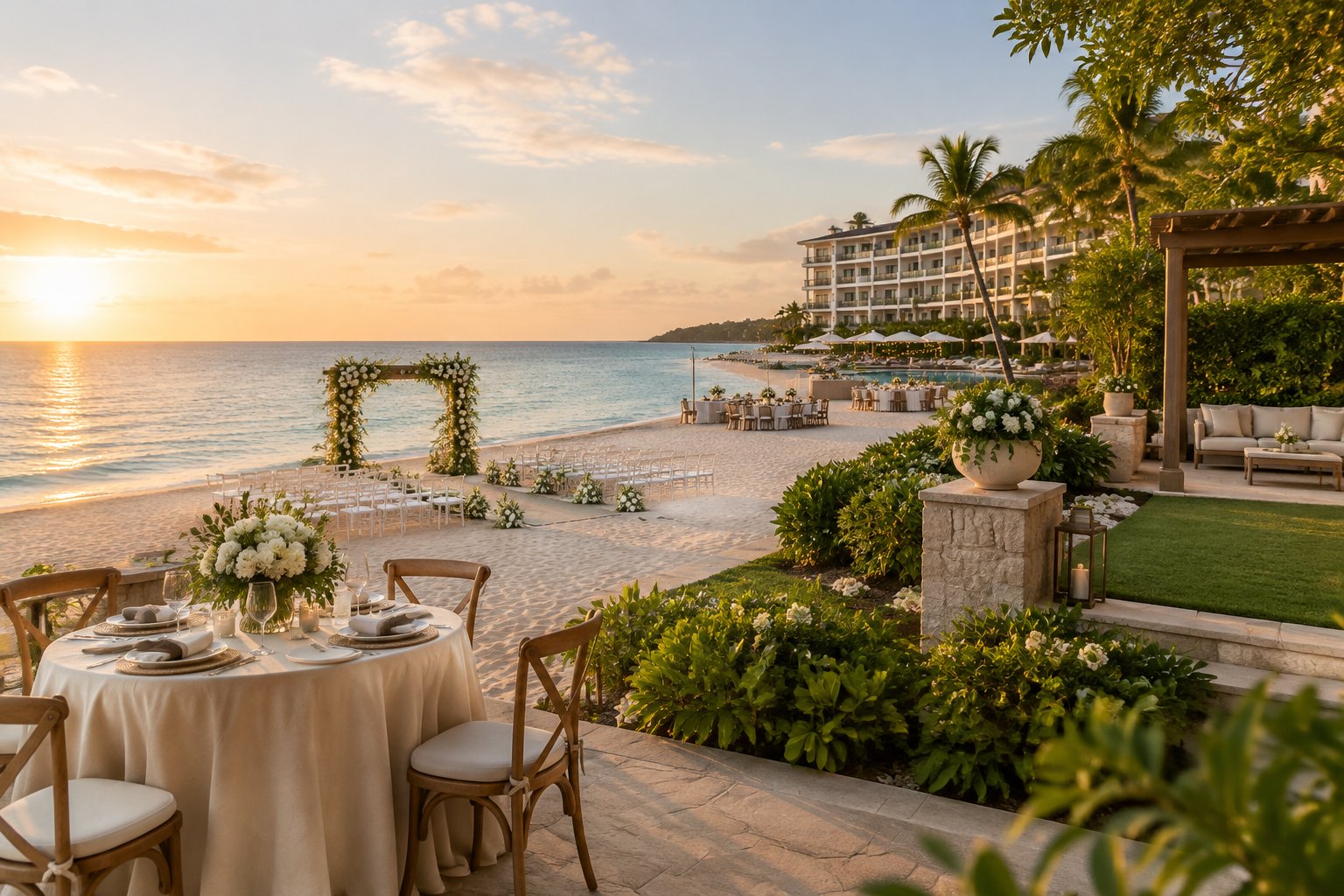
A coastal wedding venue may offer a ceremony lawn, reception room, catering, and an event manager. Vacation homes and private estates may give you more freedom with meals, décor, music, and the wedding weekend schedule. Ask your wedding planner to compare the full package price with the cost of arranging each service separately.
What Does a Full-Service Beachfront Venue Include?
A full-service property may include the ceremony site, reception space, tables, chairs, food, bar service, staffing, and coordination. Some properties also provide guest rooms, getting-ready suites, a rain backup area, and preferred wedding vendors.
Ask for an itemized proposal. Confirm whether the package includes setup, breakdown, service charges, gratuity, cake cutting, sound equipment, and ceremony seating. A venue with fewer planning tasks may suit you if guests are traveling from several states or countries.
When Is a Private Estate or Vacation Home the Better Fit?
A private estate suits you when you want exclusive use of the property, private beach access, and space for shared meals or casual gatherings. It works well for an intimate wedding, a family-centered destination wedding, or a three-day stay where guests can gather before and after the ceremony.
A private home also requires closer review of parking, noise rules, cleaning, catering access, insurance, and local event limits. Ask whether the owner permits weddings and whether an on-site host or wedding planner is included. WedStay listings focus on properties with overnight accommodations, which helps keep guests together during the wedding weekend.
How Many Guests Can the Property Host Overnight?
Count sleeping rooms separately from event capacity. A property might host 100 people for a reception while offering beds for only 20 guests. Ask for the number of bedrooms, beds, bathrooms, accessible rooms, and nearby lodging options.
Request a floor plan for your dinner layout, dance floor, bar, and vendor areas. For a comfortable stay, also check kitchen access, parking, transportation, and quiet hours. A property with fewer rooms can still work when most guests have nearby hotels and the ceremony site is easy to reach.
Best U.S. Coastal Regions for Your Celebration
The Atlantic Coast offers classic beach towns, the Florida Gulf Coast brings warm water and soft sand, the Pacific Coast delivers dramatic scenery, and Hawaii creates a tropical island setting. Choose your region by travel access, season, shoreline style, and the experience you want guests to enjoy.
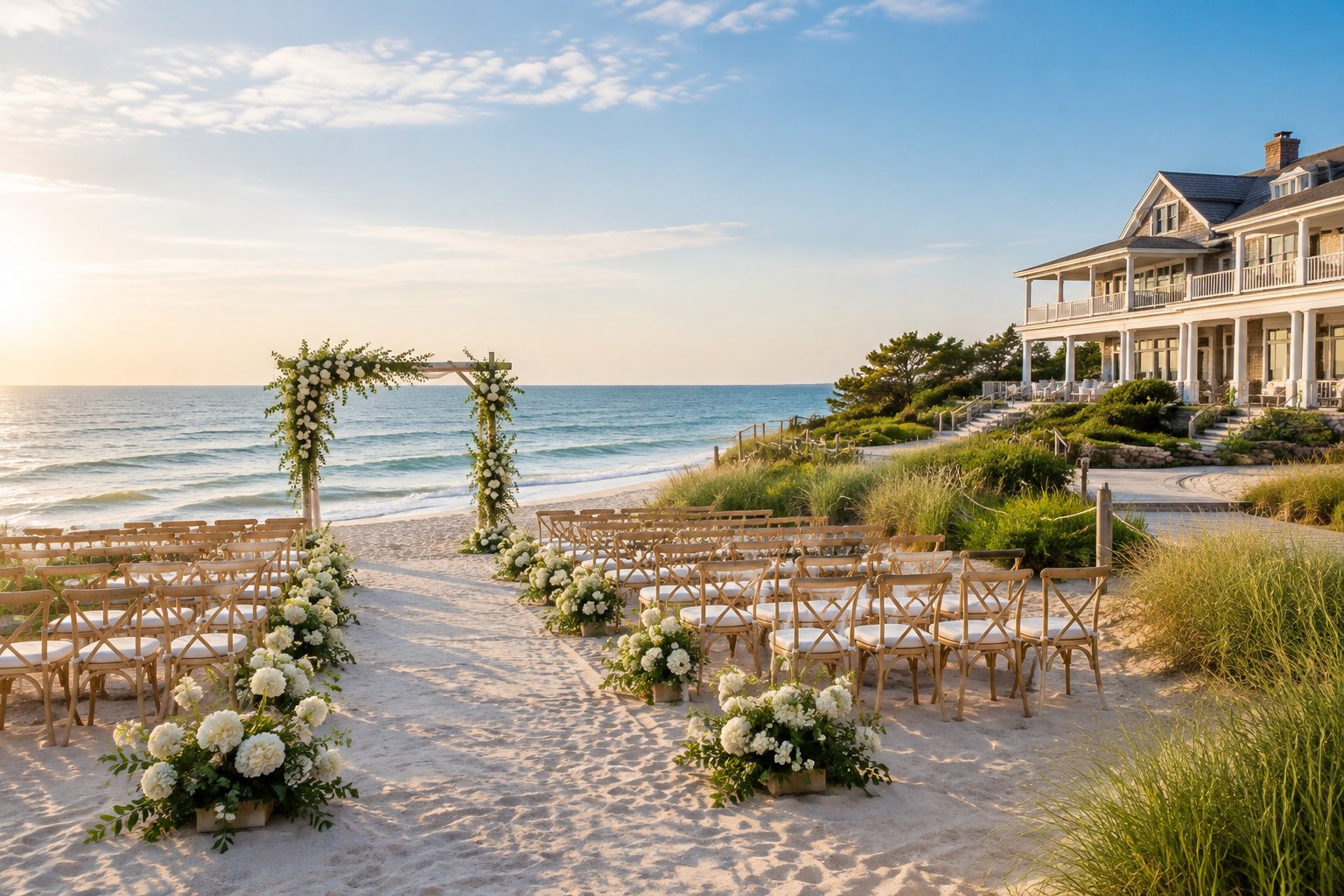
Your destination affects permits, vendor availability, guest travel, tides, and weather. Check airport distance, local lodging, and indoor backup spaces before you book a date.
Atlantic Ocean Escapes From the Outer Banks to Long Island Sound
The Outer Banks and Nags Head offer wide beaches, dunes, and relaxed coastal homes. Myrtle Beach brings broad public beaches and a large range of guest services, while Isle of Palms offers access to Charleston with a quieter shore setting.
Along Long Island Sound, Bridgehampton and nearby coastal towns provide polished estates, restaurants, and easy access to New York City. Atlantic beaches work well for late spring through early fall celebrations. Wind, storms, and cooler evenings deserve a place in your guest plan.
Florida Gulf Coast Settings From Destin to St. Pete Beach
The Florida Gulf Coast faces the Gulf of Mexico and offers pale sand, warm water, and many resort choices. Destin works well for a relaxed group stay, while Clearwater and St. Pete Beach offer larger tourism networks, restaurants, and lodging.
Gulf Shores adds an Alabama option with broad beaches and family-friendly activities. Check heat, humidity, rain patterns, and hurricane-season policies when choosing your date. A covered patio or indoor ballroom gives you a reliable reception plan.
Pacific Ocean Venues in California and Oregon
The Pacific Coast suits you when ocean views and striking landscapes lead your priorities. Malibu and Laguna Beach offer Southern California style, while Santa Cruz and Monterey bring distinct coastal character and access to scenic parks and waterfront properties.
San Diego provides mild weather and a wide range of hotels and event spaces. The Oregon Coast creates a moodier setting with cliffs, forests, and cooler temperatures. Ask about marine layer conditions, wind exposure, parking, and sunset timing before selecting an outdoor ceremony.
Hawaii for an Island Wedding Experience
Hawaii beach wedding venues offer tropical scenery, warm weather, and a built-in destination wedding experience. Oahu, Maui, Kauai, and the Big Island each provide different landscapes, travel routes, and lodging options.
A Hawaii beach wedding requires careful permit planning for public shorelines. Give guests clear travel details and allow time for flight changes. A resort may simplify meals and lodging, while an estate can give your group more privacy and shared space.
Standout Properties and Venue Styles to Consider
Choose a resort for built-in rooms and service, a private estate for exclusive group time, or a club, restaurant, or historic waterfront property for a defined event setting. Each style creates a different guest experience and places different demands on your planning team.
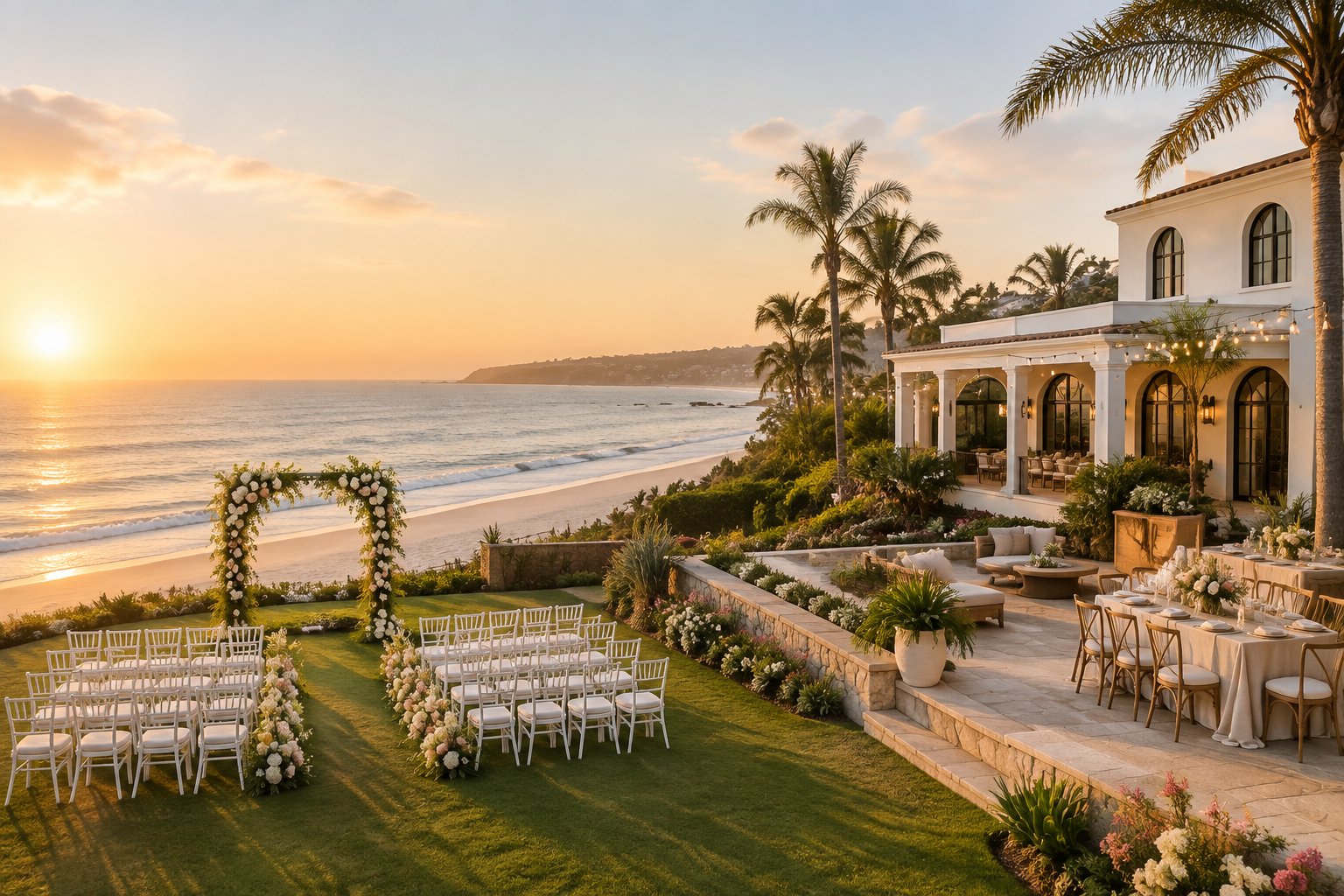
Review the ceremony view, reception flow, guest rooms, vendor rules, and sunset views together. Ocean views look beautiful in a proposal, yet the usable event space determines how comfortably your celebration works.
Resorts With On-Site Rooms and Ocean Views
Resorts such as Wild Dunes Resort and Sandpearl Resort show why couples choose hotel-style properties for destination weddings. On-site rooms reduce transportation planning, while restaurants, staff, pools, and meeting spaces support a full guest stay.
Ask whether the resort hosts more than one event on your date. Confirm room blocks, food and beverage minimums, beach access, ceremony locations, and the plan for rain or strong wind. A resort suits you when service and convenience rank high on your list.
Private Coastal Estates for a Multi-Day Stay
A private coastal estate gives your group a home base for welcome dinners, morning coffee, beach time, and post-wedding gatherings. WedStay properties may include overnight lodging and exclusive use, making them a practical fit for a wedding weekend.
Check the sleeping arrangement carefully. Confirm whether the property allows outside catering, live music, tents, rentals, and professional staff. Ask who handles trash, cleaning, security, and event setup before signing a rental agreement.
Clubs, Restaurants, and Historic Waterfront Spaces
A beach club, restaurant, or historic waterfront site can offer strong food service, polished spaces, and a memorable setting. Monterey Beach Station, Surf Club, and similar wedding venues may work well when you want a defined event timeline with nearby lodging.
Ask about private dining areas, beach access, ceremony timing, music limits, and guest parking. Restaurants may have firm service schedules, while clubs may follow membership or seasonal rules. Confirm each detail in writing with your venue coordinator.
What Should You Budget for a Beach Wedding Weekend?
Budget for the property, lodging, food, rentals, travel support, and weather protection as one wedding weekend plan. A WedStay coastal property may range from $5,000 to $50,000 for a three-day weekend, with larger full buyouts reaching $200,000 or more.
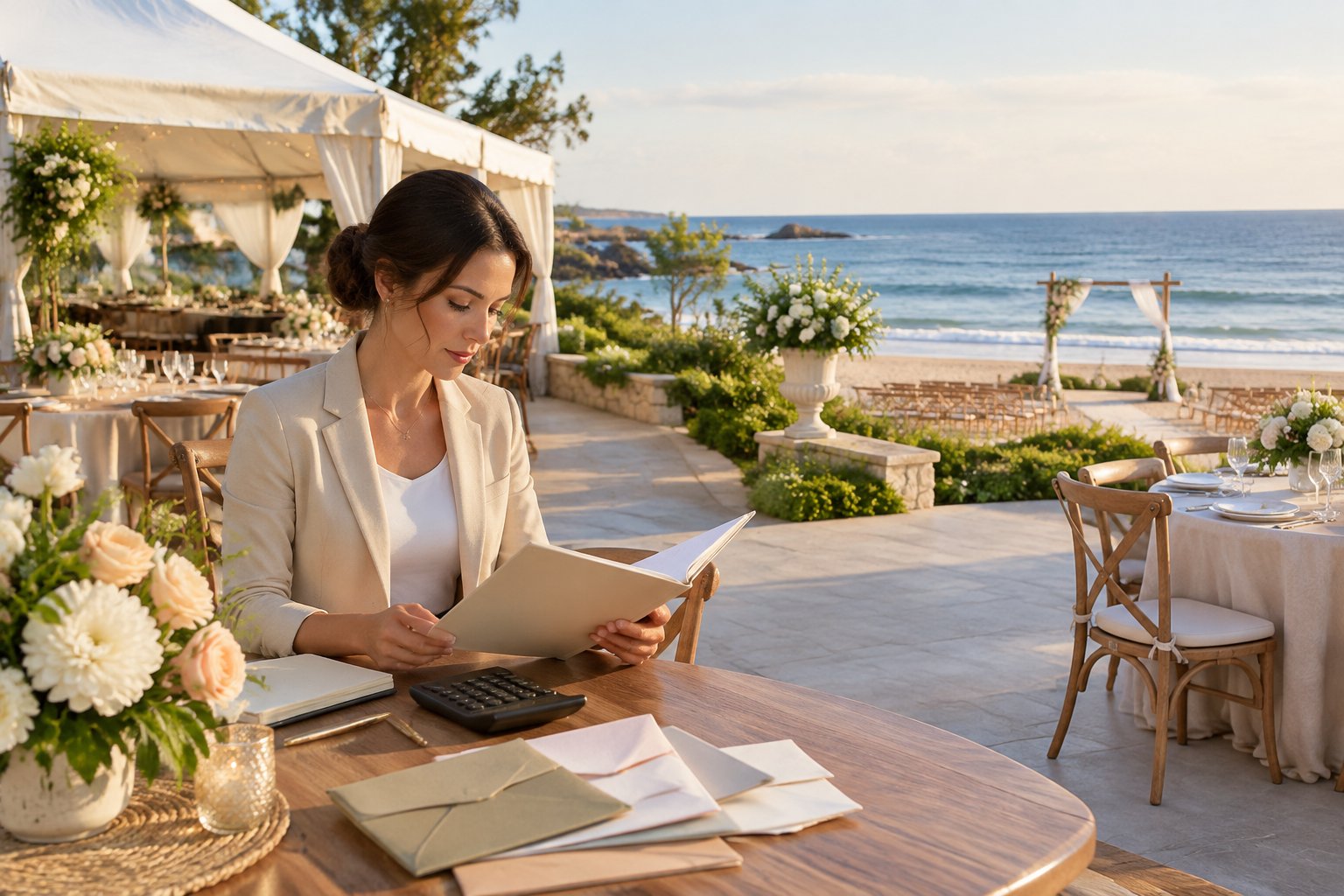
Your guest count and stay length shape the budget quickly. Use a written estimate that separates venue charges from guest lodging and vendor costs. For a broader planning framework, review how to work out budget for a wedding.
What Drives Venue and Estate Rental Costs?
Location, property size, privacy, date, guest count, and included services drive the rental price. A private beach, large sleeping capacity, ocean views, event furniture, and an on-site coordinator can raise the rate.
Compare the full cost of resorts, vacation homes, and beach wedding venues in the US. Include room fees, cleaning, security deposits, taxes, service charges, catering minimums, and transportation. A lower site fee may require more outside rentals and planning labor.
How Season and Day of the Week Affect Rates?
Peak summer Saturdays command strong demand in many coastal markets. A weekday, Sunday, or shoulder-season date can reduce property and vendor rates while giving you more date choices.
Check local weather before choosing an off-season date. Ask how the contract handles storms, evacuation orders, unsafe surf, and cancellation. Confirm the payment schedule and refund terms before you pay a deposit.
Which Extras Belong in Your Total Budget?
Add ceremony permits, chairs, arches, lighting, sound, florals, photography, entertainment, transportation, welcome events, and guest amenities. Beach conditions may also require flooring, a tent, fans, heaters, umbrellas, or a backup indoor room.
Include wedding planner fees and vendor travel costs when your property is remote. Ask who pays for setup and breakdown, delivery, overtime, cleaning, and damage. Give your planner a maximum budget for extras before design decisions begin.
Plan for Weather, Permits, and Guest Comfort
A beach ceremony needs a written permit check, a weather backup, and comfort supplies for sun, wind, heat, and sand. Your plan should cover the ceremony site and the guest journey from arrival through the reception.
Review local rules early, especially when your location has public shoreline access. Tide tables, sunset time, parking, restrooms, sound limits, and accessibility affect your timeline and layout.
Do You Need a Permit for a Beach Wedding Ceremony?
Public beaches, parks, and shoreline areas may require a ceremony permit, insurance, event approval, or separate permission for amplified sound and rentals. Contact the city, county, state park, or land manager for the exact requirements at your chosen site.
Private beach access does not remove every local rule. Ask your venue or wedding planner who submits permits, who pays the fees, and when approval must be complete. Keep the permit and site rules with your wedding documents.
What Is the Best Season for Each Coast?
The Atlantic Ocean often works well from late spring through early fall, with storm planning required during the active hurricane period. The Gulf of Mexico offers warm beach weather, with heat, humidity, and tropical storms influencing date selection.
The Pacific Ocean varies by location. Southern California can bring morning marine layer, while the Oregon Coast stays cooler and windier. Hawaii offers year-round appeal, though rainfall and trade winds differ by island and season.
How Can You Make an Outdoor Ceremony Comfortable?
Provide water, shade, sunscreen, fans, wraps, and a clear footwear note. Add an accessible path across sand when possible, reserve seating for guests who need it, and place restrooms close to the ceremony.
Use a wireless microphone because waves and wind reduce voice clarity. Secure arches, programs, tablecloths, and décor with equipment designed for outdoor conditions. Beach wedding ideas such as driftwood details, durable tropical foliage, and simple aisle markers keep the design practical.
Offer activities such as kayaking only when the venue provides safe launch points, supervision, and clear liability rules. Keep optional recreation separate from the ceremony schedule.
Questions to Ask Before You Book
Ask every venue for written answers about beach access, capacity, weather protection, vendors, curfews, fees, and lodging before you sign. A proposal should explain what you receive, what you must arrange, and what happens when conditions change.
Bring your guest count, preferred date range, ceremony style, and reception plan to every call. These details help the wedding venue give you a useful estimate.
Is the Beach Private, Public, or Shared?
Ask who owns or manages the shoreline and whether other visitors can use it during your ceremony. Confirm private beach access, permitted guest areas, setup boundaries, parking, restrooms, and accessibility.
Ask whether tides or neighboring properties affect the usable space. If the beach is public, request the permit rules, guest limit, sound policy, and cleanup requirements in writing.
What Is the Rain and Wind Backup Plan?
Ask where the ceremony and reception move if rain, high wind, heat, or unsafe surf affects the beach. Confirm the backup room or tent capacity, flooring, power, lighting, decision deadline, and added fees.
Ask who makes the weather call and how guests, wedding vendors, and transportation teams receive the update. A backup plan should be part of your contract, not a verbal promise.
Which Vendors, Curfews, and Event Rules Apply?
Ask whether you can choose your caterer, planner, photographer, florist, DJ, and rental company. Confirm outside-vendor fees, insurance requirements, delivery windows, setup access, and approved vendor lists.
Review alcohol rules, music limits, fire restrictions, candles, décor stakes, pets, guest parking, and cleanup. Confirm the event end time and overtime rate, then ask the property to attach the final rules to your wedding agreement.