
Beach Wedding Venues With Lodging: How to Choose
A beach wedding feels effortless when the ceremony, reception, and guest rooms share one coastal property. For most couples, a beachfront resort, hotel, inn, or private estate with on-site guest rooms is the strongest choice because it keeps guests close to every wedding event and simplifies transportation. You can also compare all-inclusive packages, room blocks, and private buyouts to match the property to your guest list and budget.
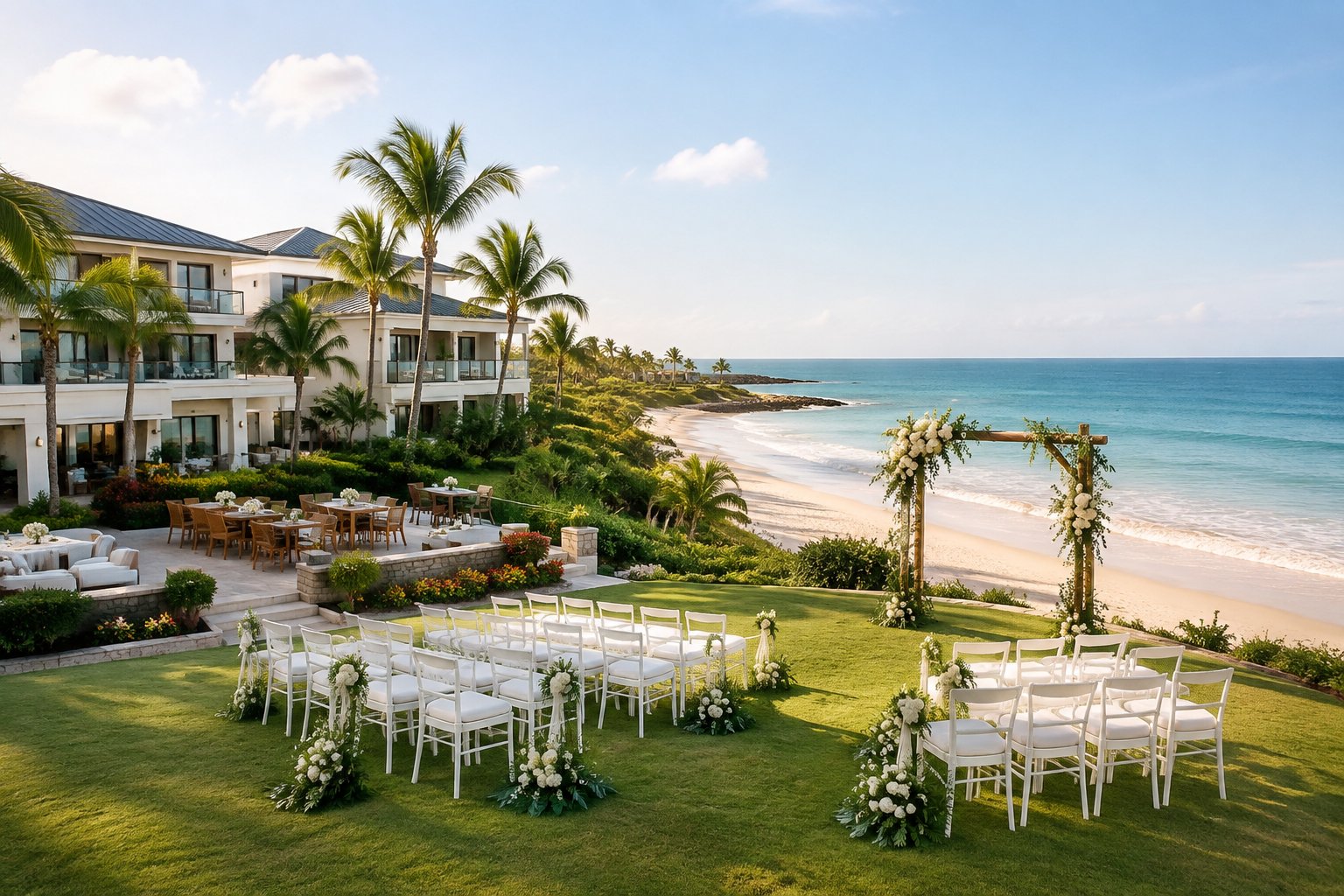
On-site lodging gives your beach wedding a shared setting for welcome drinks, a rehearsal dinner, ceremony preparations, and casual time after the reception. It also helps guests with mobility needs, families with children, and anyone traveling from far away.
Start by saving properties that fit your location, guest count, and preferred level of service, then request a full quote that includes rooms and event fees.
Why Stay-on-Site Properties Simplify the Celebration
On-site properties make the wedding weekend easier by keeping lodging, events, meals, and transportation within one connected setting. You can spend more time with your guests and less time arranging shuttles between hotels and wedding venues.
The best fit depends on how many rooms you need, how much privacy you want, and whether you prefer a resort-style schedule or a relaxed private stay. Review the property layout and guest policies before you make a decision.
What Does On-Site Lodging Actually Include?
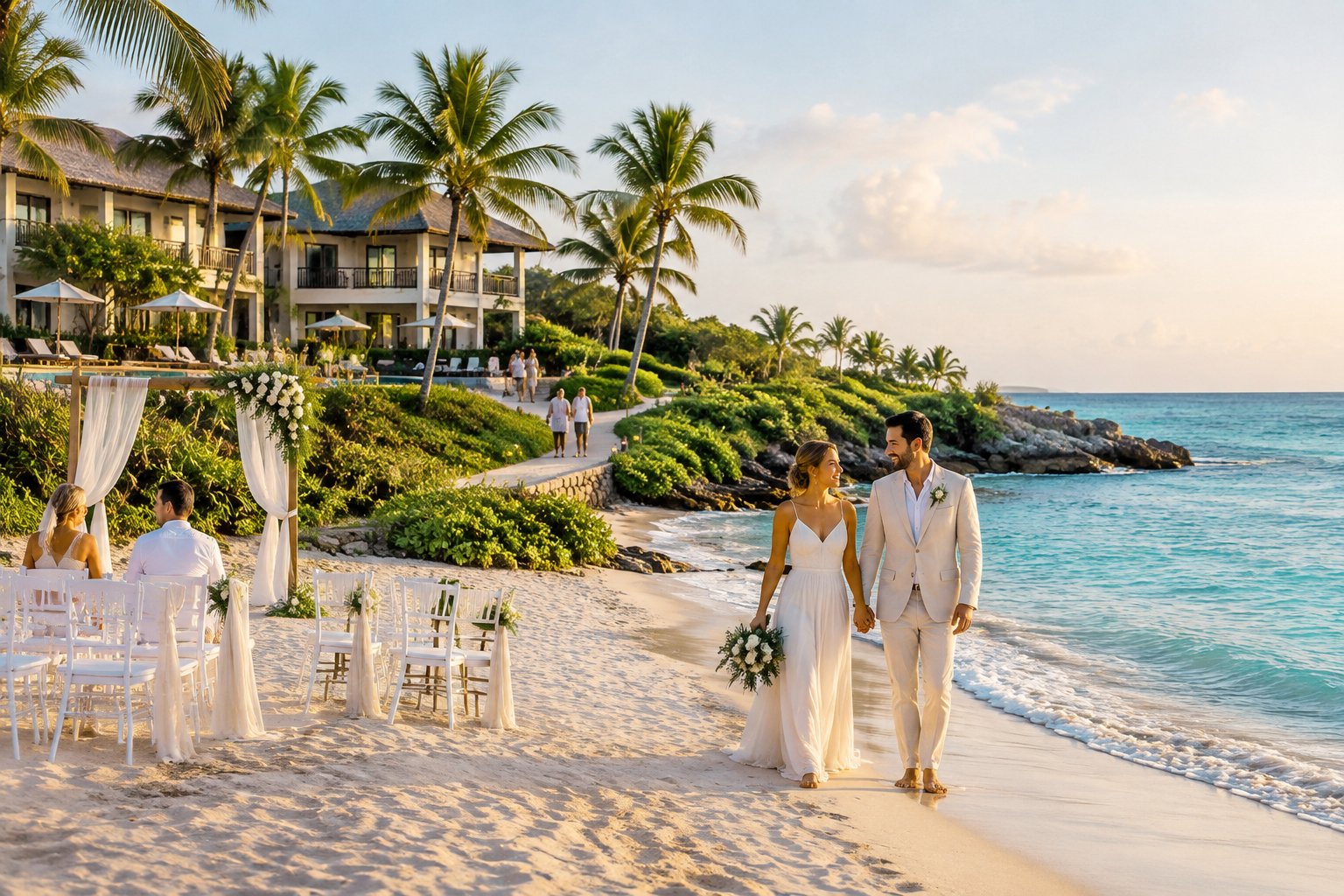
On-site lodging means guests sleep on the same grounds as the ceremony or reception. Rooms can include hotel suites, cottages, villas, cabins, or separate guest houses. Ask whether the quoted room inventory is reserved for your group or shared with other visitors.
Check the details that shape comfort and cost:
- Number and type of guest rooms
- Accessible rooms and elevator access
- Private bathrooms and climate control
- Parking, Wi-Fi, and resort fees
- Breakfast or other included meals
- Check-in and check-out times
- Distance from rooms to the ceremony area
- Quiet hours and guest capacity rules
A room block at a nearby hotel offers a different experience from lodging inside the wedding property. Confirm the exact address and walking route so you know what “on-site” means.
When Is a Full Property Buyout Worth It?
A full buyout suits couples who want privacy, flexible shared events, and enough rooms for most or all guests. It works well for an intimate destination wedding, an extended wedding weekend, or a property with cottages and common areas.
Compare the buyout price with the cost of separate rooms, venue rental, catering, staffing, and transportation. Ask whether the property requires a minimum stay, limits outside vendors, or charges additional cleaning and event fees.
A buyout also gives you more control over pool hours, music, welcome gatherings, and a farewell brunch.
For smaller celebrations and elopements, reserving only the rooms you need keeps the budget more focused. A beach resort may provide better food service and planning support, while a private estate may offer greater privacy.
How a Shared Stay Changes the Guest Experience
A shared stay turns the wedding into a connected visit. Guests can meet at the pool, join a morning beach walk, or attend a casual welcome meal without arranging separate transportation.
Build free time into the schedule so guests can enjoy the property at their own pace. Give them a clear itinerary with optional activities, meal times, dress guidance, and contact information for the wedding coordinator.
Include quiet options for guests who prefer rest, especially when the wedding weekend lasts several days.
How to Match the Property to Your Wedding Vision
Choose the property by pairing your ceremony setting with the service style, room inventory, and guest capacity you need. A private beach, clifftop lawn, or oceanfront terrace creates a different guest experience from a large all-inclusive resort.
Think about your ceremony timing, reception layout, weather plan, and desired level of privacy before you schedule tours. A beautiful view has to work with the practical flow of the day.
Private Sand, Clifftop Lawn, or Oceanfront Terrace?
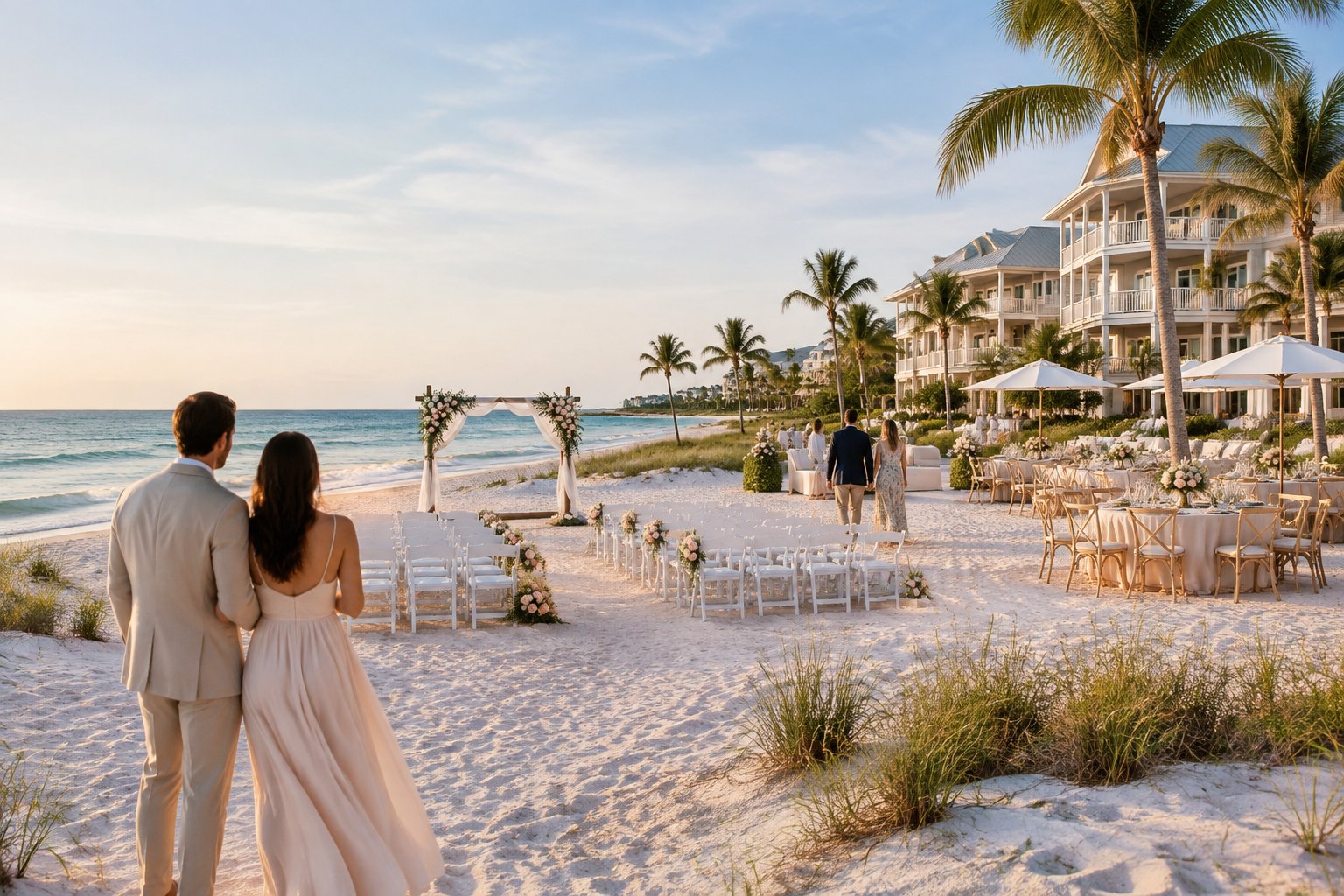
A private sand ceremony gives you direct access to the shoreline and a relaxed setting. Confirm beach access, permit rules, tide conditions, restroom locations, sound limits, and the distance guests must walk across sand.
A clifftop lawn provides wide ocean views and firmer ground for seating, dining, and mobility devices. Ask about railings, wind exposure, sunset glare, and a secure indoor backup.
An oceanfront terrace gives you a defined event space with the water as a backdrop. It can simplify tables, lighting, catering, and sound while preserving the coastal feel.
Review whether the terrace belongs to your group and how nearby guests or public access affect privacy.
Resort, Hotel, Inn, or Vacation-Rental Estate?
A resort offers extensive guest services, restaurants, pools, activities, and an on-site wedding team. It suits larger groups that want a full vacation setting.
A hotel works well when you want familiar room standards, central access, and indoor event spaces. A smaller inn creates a quieter atmosphere with fewer rooms and a more personal feel.
A vacation-rental estate offers privacy, shared living areas, and a residential setting. Get written permission for the wedding before booking, and confirm occupancy limits, event fees, parking rules, noise restrictions, cleanup duties, and insurance requirements.
A property that allows overnight guests may still require separate approval for a wedding.
What Guest Count Can the Venue and Rooms Support?
Match your guest count to both the event capacity and the available rooms. A venue might seat 100 guests for dinner while offering only 20 rooms, leaving many guests to arrange outside lodging.
Request a floor plan showing ceremony seating, cocktail space, dining tables, dance floor, restrooms, kitchen access, and emergency exits. Ask for the maximum seated capacity with your preferred layout, not just the venue’s largest number.
Count children, vendors, and wedding party members in the lodging plan. Confirm whether sofa beds, rollaways, or shared rooms meet your guests’ needs.
If the property cannot house everyone, identify nearby hotels and ask whether the venue provides a shuttle.
What to Ask Before You Sign the Contract
Get every important promise in writing, including room rates, package inclusions, vendor rules, and weather procedures. A clear contract lets you compare the full cost of each property and plan for changes.
Ask for a sample timeline, a detailed estimate, and the names of the people responsible for lodging and event operations. Read cancellation, postponement, payment, and damage clauses before you submit a deposit.

Are Room Blocks, Rates, and Minimum Stays Guaranteed?
Ask how many rooms are held, when the block expires, and whether unbooked rooms return to public inventory. Confirm the nightly rate, taxes, resort fees, parking charges, and required number of nights.
Find out whether guests book directly with the property or through your wedding coordinator. Request a written policy for early arrival, late departure, room changes, cancellations, and accessibility needs.
If the property requires a minimum stay, ask whether it applies to every guest or only to the couple and wedding party. Check whether the room rate stays fixed through the booking period.
What Is Included in a Wedding Package?
Request an itemized list for the ceremony site, chairs, tables, linens, lighting, sound, food, bar service, cake, flowers, setup, cleanup, and staffing. Ask whether taxes, service charges, gratuities, permits, and vendor meals are included.
Confirm the number of hours included for the venue and coordinator. Ask about overtime, ceremony rehearsal access, getting-ready rooms, and storage for personal items.
A wedding planner may manage the full planning process, while a day-of wedding coordinator may focus on the event schedule and vendor arrival. Confirm who handles room assignments, guest questions, transportation, and the event timeline.
If you want a spa treatments schedule or a sparkling wine toast, list those items in the contract with quantities and prices.
Who Handles Rain, Wind, and Tide Contingencies?
Your contract should name the backup location, decision deadline, and person who makes the weather call. Ask whether the backup space is included, furnished, climate-controlled, and large enough for your full guest count.
For beach ceremonies, review tide charts, wind limits, lightning procedures, heat plans, and sound equipment. Confirm who moves chairs, arches, flowers, and other decor if the ceremony changes locations.
Ask how postponements work when severe weather affects travel. Look for clear terms covering rescheduling, vendor payments, room changes, refunds, and communication with guests.
A written plan gives your wedding planner enough time to make practical changes.
Regional Ideas From California to the Caribbean
Regional character should guide your property search, from California’s dramatic Pacific coastline to Florida’s warm Atlantic beaches and Caribbean resort settings. Travel distance, weather seasons, guest budgets, and passport needs all shape the experience.
Use the destination’s style to narrow your list, then compare each property’s lodging plan, ceremony rules, and event inclusions. Names such as Laguna Beach, Palm Beach, and Cancun can point you toward a mood, while the property details determine whether the venue works.
California Coast Options for a Close-to-Home Escape
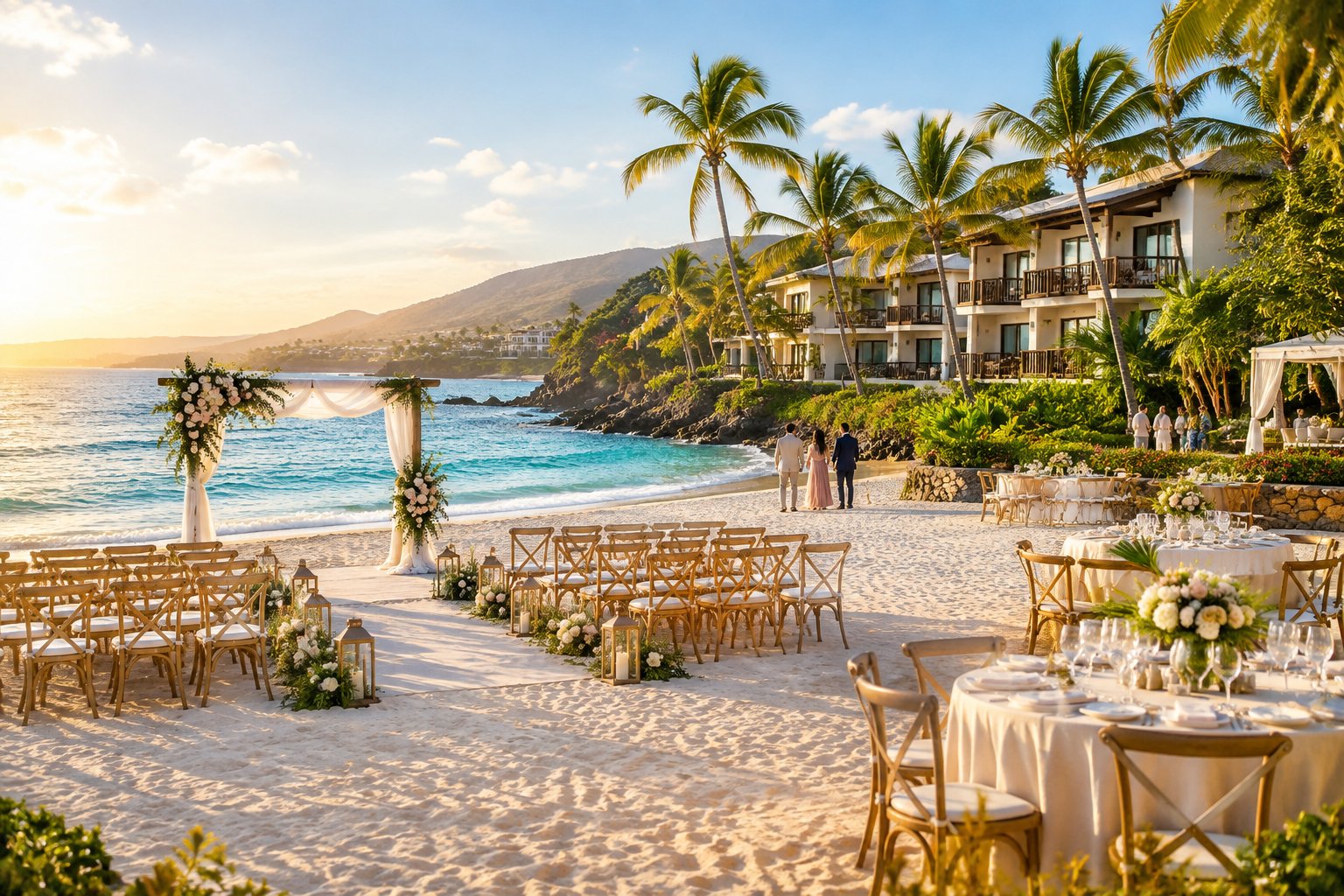
California offers dramatic ocean views, mild coastal settings, and a range of wedding styles. Laguna Beach and Orange County suit couples who want art galleries, boutique lodging, and cliffside scenery. Los Angeles and Malibu provide broad vendor access and polished oceanfront properties.
Properties associated with names such as Surf & Sand Laguna Beach can inspire a resort-focused search. Monterey Beach Station points toward a more relaxed Central Coast feel, with rocky shoreline views and small-property charm.
Check marine layer patterns, parking, public beach permits, and sunset timing when comparing Pacific locations.
California works well for a close-to-home destination wedding because many guests can drive or take domestic flights. Ask whether the ceremony location is private, how far rooms are from the beach, and whether the property offers an indoor option for cool or foggy weather.
Florida Resorts for a Social Wedding Weekend
Florida gives you warm-weather options along both the Atlantic and Gulf coasts. Delray Beach and Atlantic Avenue offer walkable restaurants and nightlife, while Palm Beach brings a polished resort atmosphere. South Beach suits couples who want a lively urban setting with beachfront hotels.
The Seagate and Ocean Room can serve as search references for a refined South Florida style. Farther west, Fort Walton Beach offers Gulf Coast sand and a calmer beach setting. Wild Dunes Resort adds a resort community feel for couples considering nearby South Carolina.
Ask about hurricane-season policies, heat plans, beach access, and indoor reception rooms. Florida properties also vary widely in walkability, so confirm whether guests need a shuttle for restaurants, airports, and activities.
Hawaii, Mexico, and Jamaica for Fly-In Celebrations
Hawaii offers Pacific scenery and a strong vacation setting across Oahu, Maui, Kauai, and the Big Island. Confirm beach permits, travel connections, local taxes, and seasonal weather before you invite guests.
Mexico, including Cancun and the Riviera Maya, gives you many all-inclusive resort choices with ceremony spaces, guest rooms, restaurants, and wedding coordinators. Jamaica offers a relaxed Caribbean Sea setting with properties that combine beach access and multi-day packages.
For any international destination, provide passport details, airport transfer information, resort fees, currency guidance, and a realistic booking deadline. Ask whether the ceremony is symbolic or legally recognized, and confirm the documents required for a legal marriage.
Northeast Waterfront Stays With Coastal Character
The Northeast combines historic towns, Atlantic views, and smaller waterfront properties. Westbrook and Long Island Sound offer quieter shoreline settings, while Bridgehampton and New York provide upscale coastal escapes with access to city vendors.
A property connected to a Surf Club style may suit couples who want a private social atmosphere with beach access and dining nearby. Northeast weather changes quickly, so prioritize a heated indoor backup and flexible outdoor timing.
Ask about seasonal room availability, minimum stays, parking, noise rules, and access to the waterfront. Properties in popular coastal towns may serve both weddings and vacation guests, making privacy and event hours important contract points.
How to Build a Realistic Lodging-First Budget
Build your budget from the rooms outward, then add venue, food, transportation, and guest activities. This method shows whether the property works for your destination wedding before you commit to decor or upgrades.
Separate the costs you pay from the costs guests pay. Your budget might cover the ceremony, reception, planner, couple’s suite, welcome event, and shared transportation, while guests book their own rooms and travel.
Which Costs Belong in the Venue Quote?
Ask the venue to price every required service at your expected guest count. Include:
- Site rental and ceremony fees
- Guest rooms reserved by the couple
- Room block deposits or attrition terms
- Catering, bar service, cake, and vendor meals
- Tables, chairs, linens, lighting, and sound
- Planner or coordinator fees
- Setup, cleanup, security, and staffing
- Permits, taxes, service charges, and gratuities
- Weather backup equipment or indoor room fees
- Parking, shuttles, and airport transfers
- Welcome dinner, rehearsal dinner, and farewell brunch
Request a total estimate with optional upgrades listed separately. Room costs can change the value of an all-inclusive wedding venue, especially when a minimum stay applies to your group.
How to Compare Packages With Separate Vendor Pricing
Place each quote in the same format. Record the base venue fee, per-person food cost, bar hours, room charges, service fees, taxes, required vendors, and overtime rates.
An all-inclusive package offers convenience when it covers the core services you need. A venue with separate vendor pricing gives you more control over caterers, florists, photographers, and entertainment.
Compare the final totals at your actual guest count, since a low starting price may exclude key services. Ask whether outside vendors incur fees, whether package items can be removed, and whether unused services receive credit.
Review payment dates and cancellation terms alongside the price.
Ways to Keep a Multi-Day Stay Affordable
Choose shoulder-season dates, weekdays, or a shorter minimum stay when the property offers those options. Keep the room block close to your confirmed guest count and offer nearby lodging at different price levels.
Use the beach and natural landscape as decor, then focus spending on sturdy seating, sound, shade, and guest comfort. Reuse ceremony flowers at the reception and choose a brunch or cocktail gathering for one of the smaller events.
Share travel details early so guests can compare flights and room types. Ask the property about group rates, complimentary rooms, resort credits, shuttle bundles, and welcome amenities. Review every discount in writing before you include it in your budget.