
Beautiful Garden Wedding Venues: 2026 Planning Guide
Garden weddings give you a naturally romantic setting with flowers, open lawns, mature trees, and soft seasonal light. The most beautiful garden wedding venues suit your guest count, wedding style, weather plan, and reception needs while giving you a memorable landscape for the ceremony and photographs.
You can choose from formal estates, botanical gardens, rose gardens, conservatories, Japanese landscapes, and tropical or desert settings. For ideas that help you shape the look of your celebration, explore these garden wedding ideas, then shortlist venues that match your date and priorities.
How to Choose the Right Garden Setting
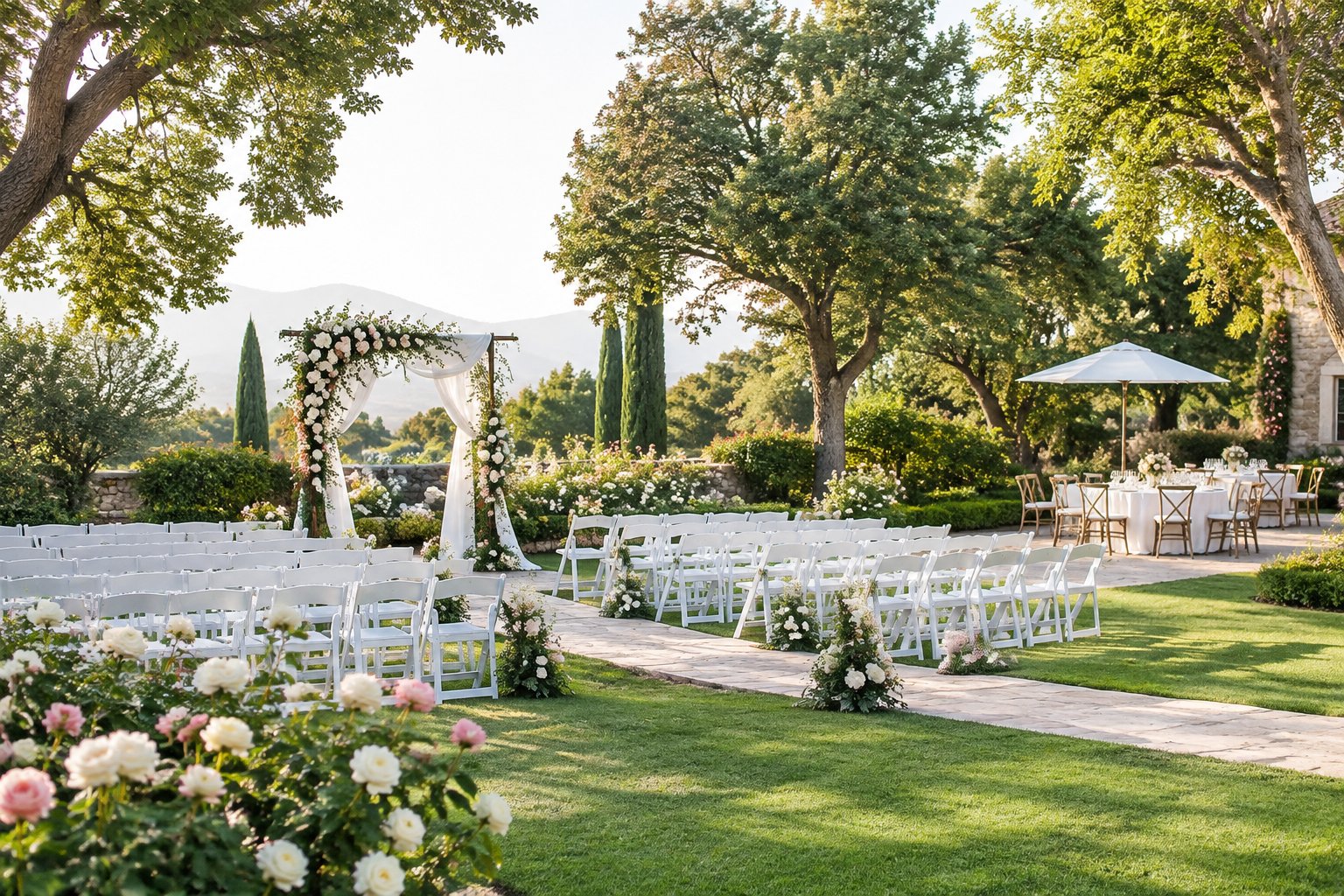
The right garden setting connects your wedding style with practical details such as guest capacity, weather access, reception space, and vendor rules. Walk through the property at the same time of day as your planned ceremony so you can assess shade, sunlight, sound, and guest movement.
Match the Landscape to Your Wedding Style
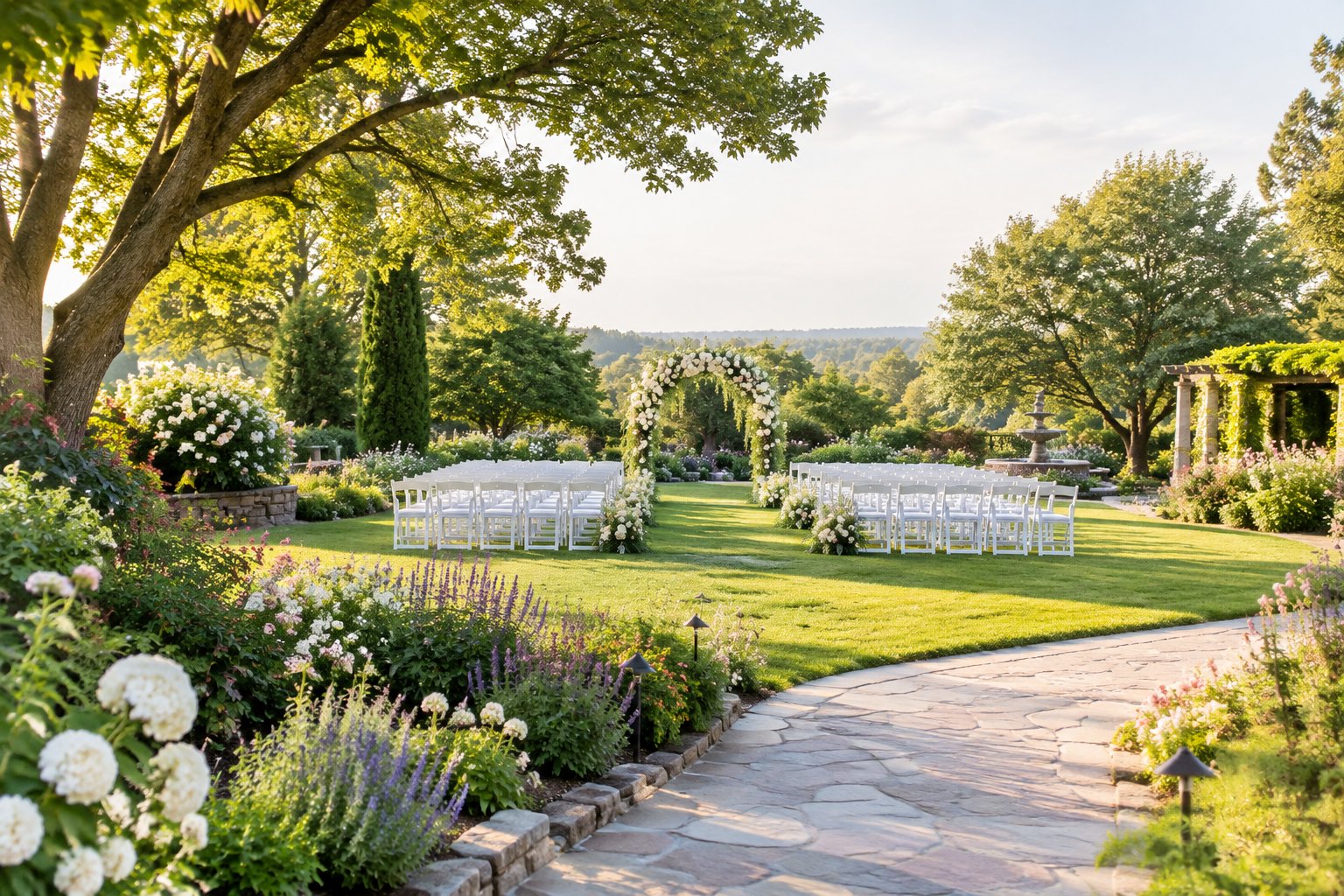
Formal lawns, clipped hedges, and a historic mansion create a polished setting for black-tie attire and classic florals. An English-style garden with winding paths and abundant planting supports a relaxed romantic mood. Wooded grounds, stone walls, and old farm buildings bring rustic charm to a smaller celebration.
Review the existing landscape before choosing decor. A venue with strong architectural lines may need only aisle flowers and table arrangements. A more open lawn might need ceremony framing, lounge furniture, and lighting after sunset.
Decide Between an Outdoor Ceremony and an Indoor-Outdoor Reception
An outdoor wedding ceremony feels connected to the landscape, while an indoor-outdoor reception gives you more control over dinner, music, and changing weather. Look for event spaces that keep the ceremony, cocktail hour, and reception within an easy walking route.
Ask whether the venue offers a covered pavilion, ballroom, tent area, or glassed-in room. Confirm the transition plan for guests, catering staff, musicians, and rental deliveries. A clear floor plan helps you avoid long walks across grass or delays during the reception.
Confirm Guest Capacity, Accessibility, and Vendor Rules
Ask for the seated guest capacity in each available space, including the ceremony lawn and reception area. Then check restroom locations, parking, shuttle access, paved routes, lighting, and seating for guests with mobility needs.
Review wedding packages line by line. Some include chairs, tables, staffing, setup, and cleanup, while others require separate event rentals. Confirm approved caterers, alcohol rules, music limits, insurance needs, décor restrictions, candle policies, and load-in times before signing.
Garden Styles That Set the Scene
Your garden style sets the visual mood before you choose flowers, stationery, or attire. Formal planting creates structure, water features add calm movement, and conservatories provide a protected green setting across more months of the year.
Formal Gardens and Rose Gardens for Classic Romance
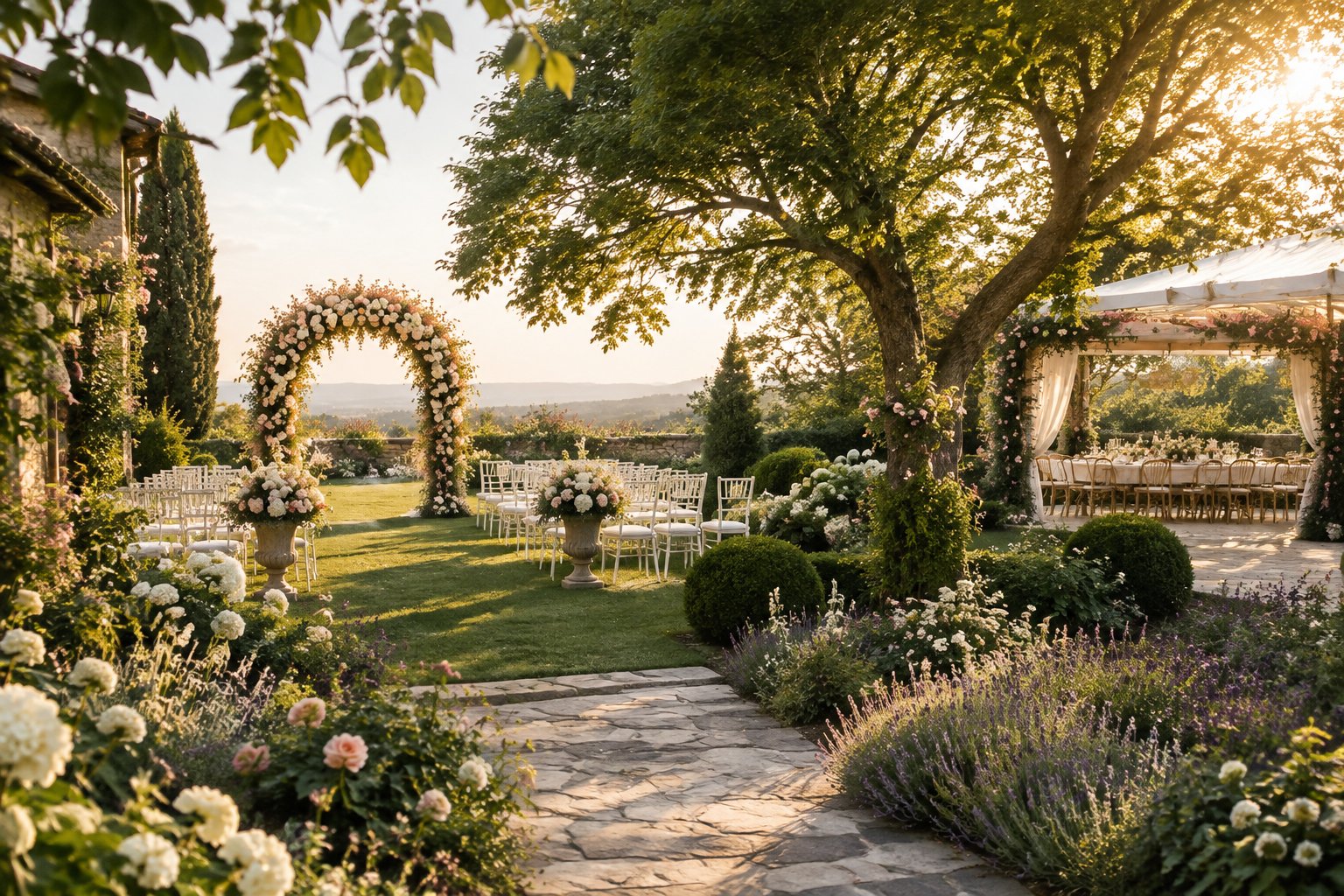
Formal gardens and rose gardens suit couples who want symmetry, color, and an elegant ceremony backdrop. Manicured gardens frame photographs with clipped hedges, planted borders, fountains, and broad paths.
An English garden adds a softer feel through layered planting and informal walkways. Ask about peak bloom dates, garden access, and restrictions around delicate beds. A venue with mature roses might need only restrained ceremony flowers, allowing your stationery, attire, and table design to carry the color story.
Japanese Gardens for Serene Waterside Ceremonies
A Japanese garden creates a peaceful setting through carefully placed stones, bridges, maples, lanterns, and a koi pond. A ceremony near a pond or reflecting pool works well for intimate guest counts and quiet vows.
Keep the design light so the landscape remains visible. Choose low floral arrangements, natural fabrics, and seating that follows the garden’s paths. Ask about sound limits, photography locations, and guest movement near water.
Tropical and Desert Gardens for a Distinctive Escape
Tropical gardens bring palms, bold foliage, orchids, and warm color to the ceremony. Desert gardens create a sculptural backdrop with cacti, agave, stone, and wide sunset views. Both styles give you a strong identity with limited added décor.
Plan guest comfort carefully. Shade, water stations, fans, sunscreen, and suitable footwear help guests enjoy the setting. Check seasonal heat, wind exposure, plant protection rules, and evening temperature changes.
Glass Conservatories for All-Season Greenery
A glass conservatory surrounds your celebration with greenery while offering protection from rain, wind, and cooler temperatures. It works well for an indoor ceremony, cocktail hour, or reception with a botanical atmosphere.
Check ventilation, climate control, window glare, guest capacity, dance-floor placement, and catering access. Ask how the space looks after dark and whether lighting must come from the venue’s approved rental list.
Standout U.S. Venues by Region
The strongest U.S. garden venues range from grand botanical institutions and historic estates to desert gardens and coastal properties. Your region affects bloom timing, travel plans, guest comfort, and the type of backup space available.
Northeast Estates and Botanical Gardens
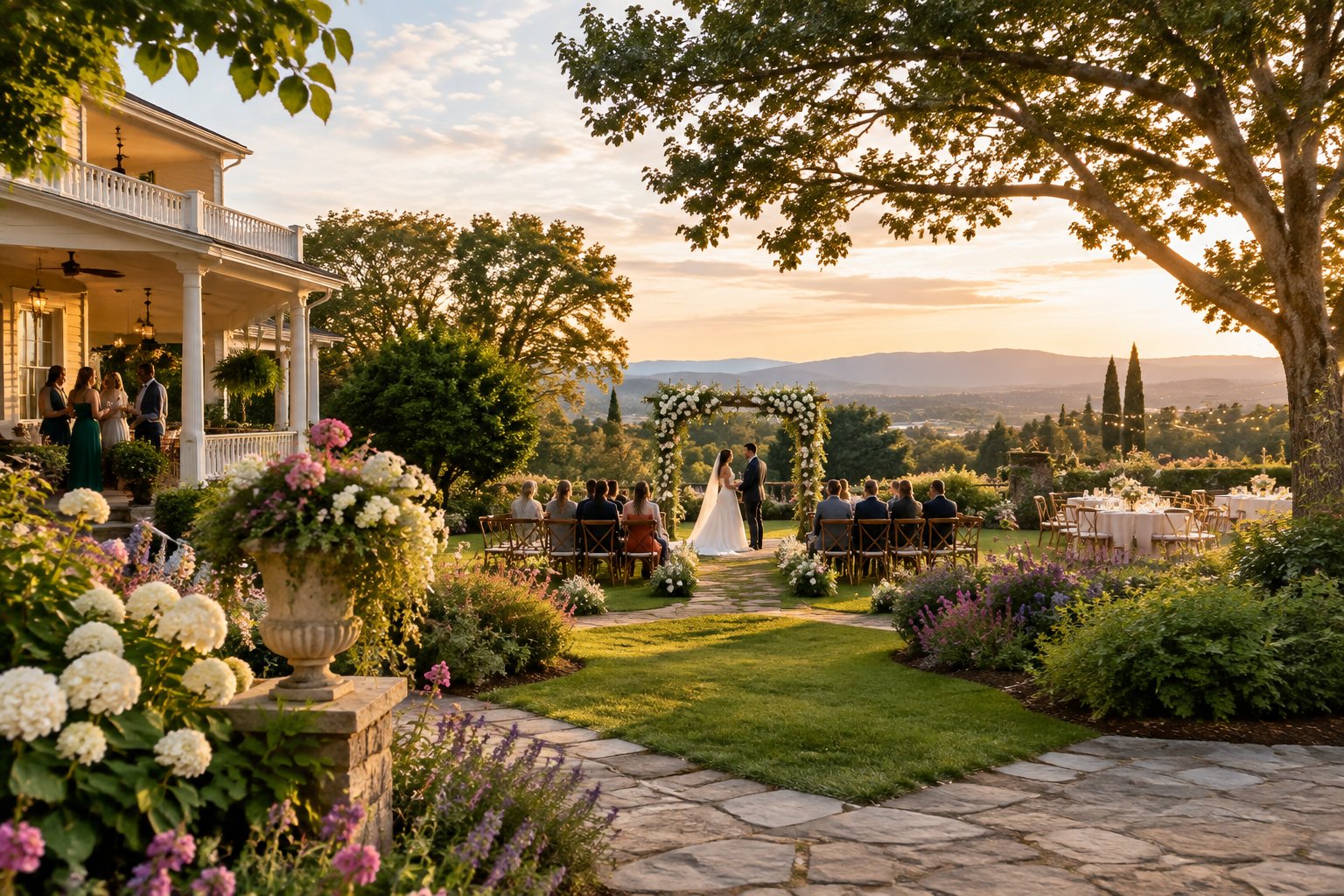
In New York, The New York Botanical Garden in the Bronx offers a major botanical setting, while Brooklyn Botanic Garden brings landscaped beauty into Brooklyn. Massachusetts options include Willowdale Estate, Tower Hill Botanic Garden, and Planterra Conservatory.
These venues suit couples who want established gardens, strong photo locations, and access to city or regional accommodations. Confirm ceremony areas, private event hours, seasonal closures, and the distance between garden spaces and reception rooms.
Southern California and Coastal Garden Escapes
Southern California gives you a wide range of light, climate, and landscape. Franciscan Gardens in San Juan Capistrano offers historic character, while Japanese Friendship Garden in San Diego provides a calm, carefully designed setting. Twin Oaks, associated with Trademark Venues, adds an estate-style option in the region.
Ask about heat, sun exposure, parking, noise limits, and sunset timing. Coastal conditions can change quickly, so review wind plans and evening temperature expectations with the venue team.
Midwest, Mountain, and Desert Backdrops
The Chicago Botanic Garden provides a broad botanical setting in Illinois. Denver Botanic Gardens brings mountain-region light and seasonal planting to Colorado. The Desert Botanical Garden in Phoenix offers a dramatic Sonoran landscape, while Paine Art Center and Gardens in Oshkosh adds formal gardens and historic architecture in Wisconsin.
Each climate calls for a different planning approach. Check bloom calendars, shade, walking distances, hydration, attire guidance, and indoor options before you commit to a ceremony time.
Southeast Gardens With Historic Character
Cheekwood Estate & Gardens in Nashville combines an estate atmosphere with landscaped grounds. Airlie Gardens in Wilmington, North Carolina, offers mature planting and Southern coastal character. Atlanta and nearby Georgia properties add more garden and mansion-style choices for couples seeking a regional celebration.
Historic venues can carry preservation rules that affect candles, hanging décor, amplified sound, and vendor access. Request a site map and a written list of permitted installations before planning your design.
European Destination Gardens Worth the Journey
European garden venues pair layered landscapes with historic architecture, making them strong choices for a destination wedding with a sense of place. Build your plan around travel time, legal ceremony requirements, guest lodging, and a reception schedule that lets everyone enjoy the property.
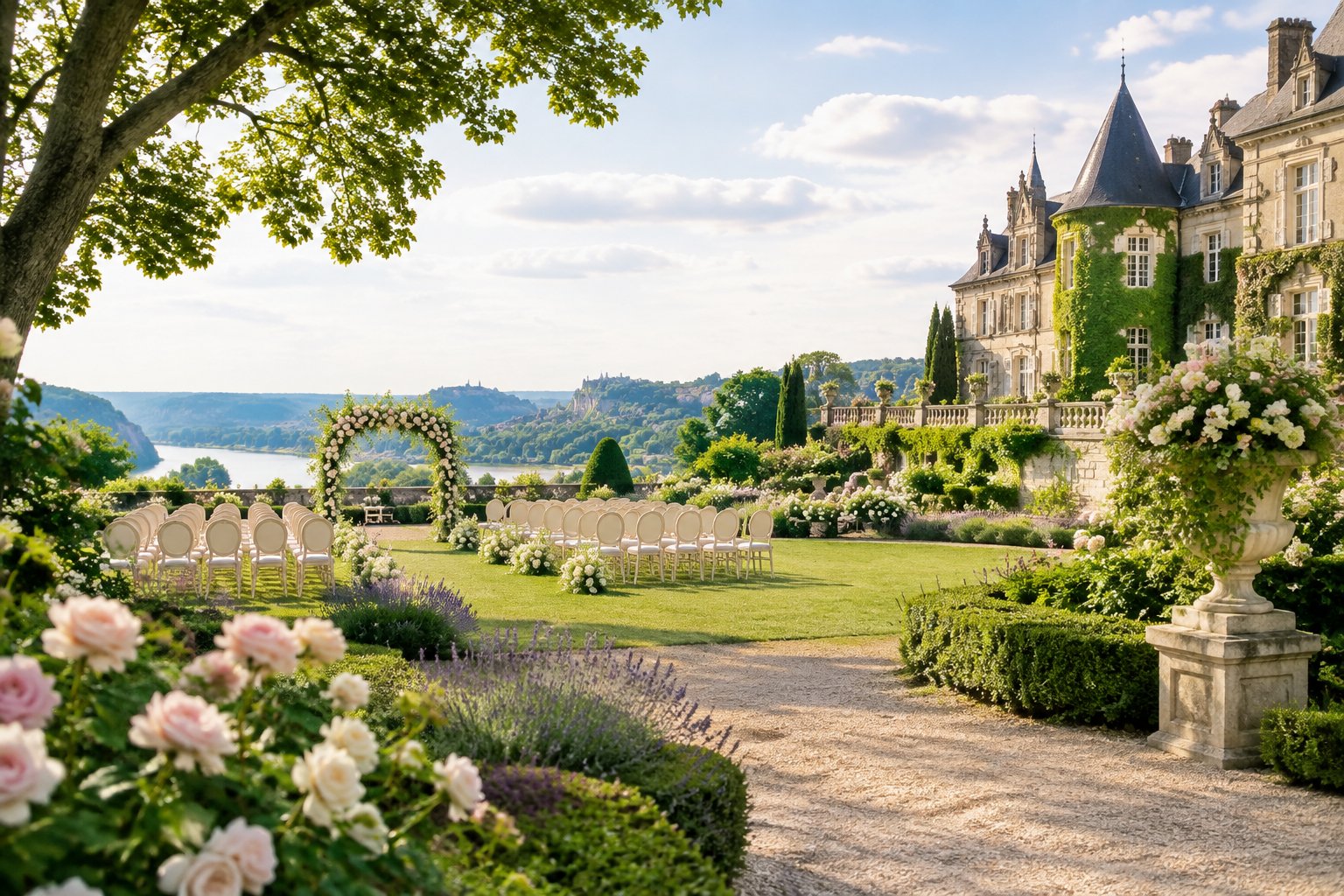
Tuscan Villas and Lake Como Landscapes
Villa Cetinale and La Foce offer Tuscan views, cypress trees, formal planting, and estate architecture. Villa Balbiano on Lake Como brings lakeside scenery and grand interiors, while Isola del Garda adds a private-island setting on Lake Garda. Belmond Villa San Michele near Florence combines hillside views with Renaissance architecture.
Ask each property about exclusive use, ceremony locations, guest lodging, transfer times, music limits, and rain plans. A destination schedule should include a welcome gathering and enough arrival time for guests crossing time zones.
French Châteaux From Provence to the Loire Valley
Château de Sannes in Provence suits warm-weather celebrations surrounded by gardens and regional scenery. Château du Grand-Lucé in the Loire Valley provides formal grounds, historic interiors, and a strong architectural backdrop.
French gardens can carry much of your visual design through symmetry, fountains, stonework, and mature trees. Confirm local vendor requirements, curfews, transportation, accommodation blocks, and the documents needed for a legal marriage.
Spanish and Florentine Estates With Architectural Drama
Castell de Sant Marçal near Barcelona offers a historic estate atmosphere with gardens and grand architectural details. Florentine properties such as Villa San Michele bring terraced landscapes, cypress-lined views, and city access.
Choose ceremony and dinner locations with guest comfort in mind. Stone paths, stairs, heat, and evening lighting affect how easily guests move through the property. A planner familiar with the area can coordinate translations, transport, permits, and local suppliers.
Plan for Season, Weather, and the Wedding Day
A successful garden wedding starts with a season-specific plan for blooms, temperature, rain, guest comfort, and venue access. Ask your venue to show you the property during your target month and to explain exactly how the event changes if weather turns.
When Will Your Garden Look Its Best?
Bloom timing differs by region and property. Rose gardens peak at different points from tropical gardens, desert landscapes, or formal spring borders. Ask for past event photos from your month, planting schedules, pollen concerns, sunset times, and lawn conditions.
Schedule your outdoor wedding ceremony when guests have shade and comfortable temperatures. Late afternoon often gives softer light, while earlier ceremonies may help you avoid evening chill or summer heat. Your photographer can help you match ceremony timing with portraits and dinner service.
Build a Rain and Heat Backup Plan
A weather plan should name the alternate ceremony location, guest route, rental changes, and decision deadline. Ask whether the venue holds a tent, pavilion, conservatory, mansion room, or covered terrace for your date.
For heat, provide shaded seating, water, fans, cooling towels, and a comfortable indoor area. For rain, confirm flooring, lighting, power, drainage, coat storage, and restroom access. Event rentals should be reserved early when tents, heaters, fans, or flooring are part of the plan.
Use Natural Features Without Overdecorating
Let a wisteria arbor, rose gardens, waterfalls, koi pond, or reflecting pool serve as a focal point. Place the ceremony so guests can see the feature without blocking pathways or placing equipment near fragile planting.
Use flowers to frame the setting instead of covering it. A low aisle design, restrained altar arrangement, and simple reception centerpieces keep the garden visible in photographs and reduce installation time.
Questions to Ask Before You Book
Bring these questions to your venue tour:
- What is the seated guest capacity for the ceremony and reception?
- Which spaces are reserved exclusively for your wedding?
- Where will guests go if rain, heat, or wind affects the ceremony?
- What happens to the plan if the alternate room is needed?
- Which event rentals are included in the fee?
- Are there rules for candles, confetti, hanging décor, amplified music, or drones?
- Where can vendors load in, park, prepare food, and store equipment?
- What accessibility routes connect parking, ceremony areas, restrooms, and reception spaces?
- What are the event end time, cleanup deadline, and overtime fees?
- Which seasonal conditions should you expect on your wedding date?
Take written answers home and compare them with your budget, guest list, and preferred style before you place a deposit.