
Book Guest Unique Wedding Venues With Confidence
A memorable celebration starts with a venue that fits your guest experience, budget, and wedding style. To book unique wedding venues with confidence, choose a space that supports your guest count, event flow, accessibility needs, and full wedding plan before you pay a deposit.
Unique venues can include museums, greenhouses, galleries, estates, theaters, vineyards, and private homes. Their character gives your wedding a strong sense of place, while their layouts and rules require careful review.
Check how guests will arrive, move through the property, hear the ceremony, find restrooms, and stay comfortable throughout the day.
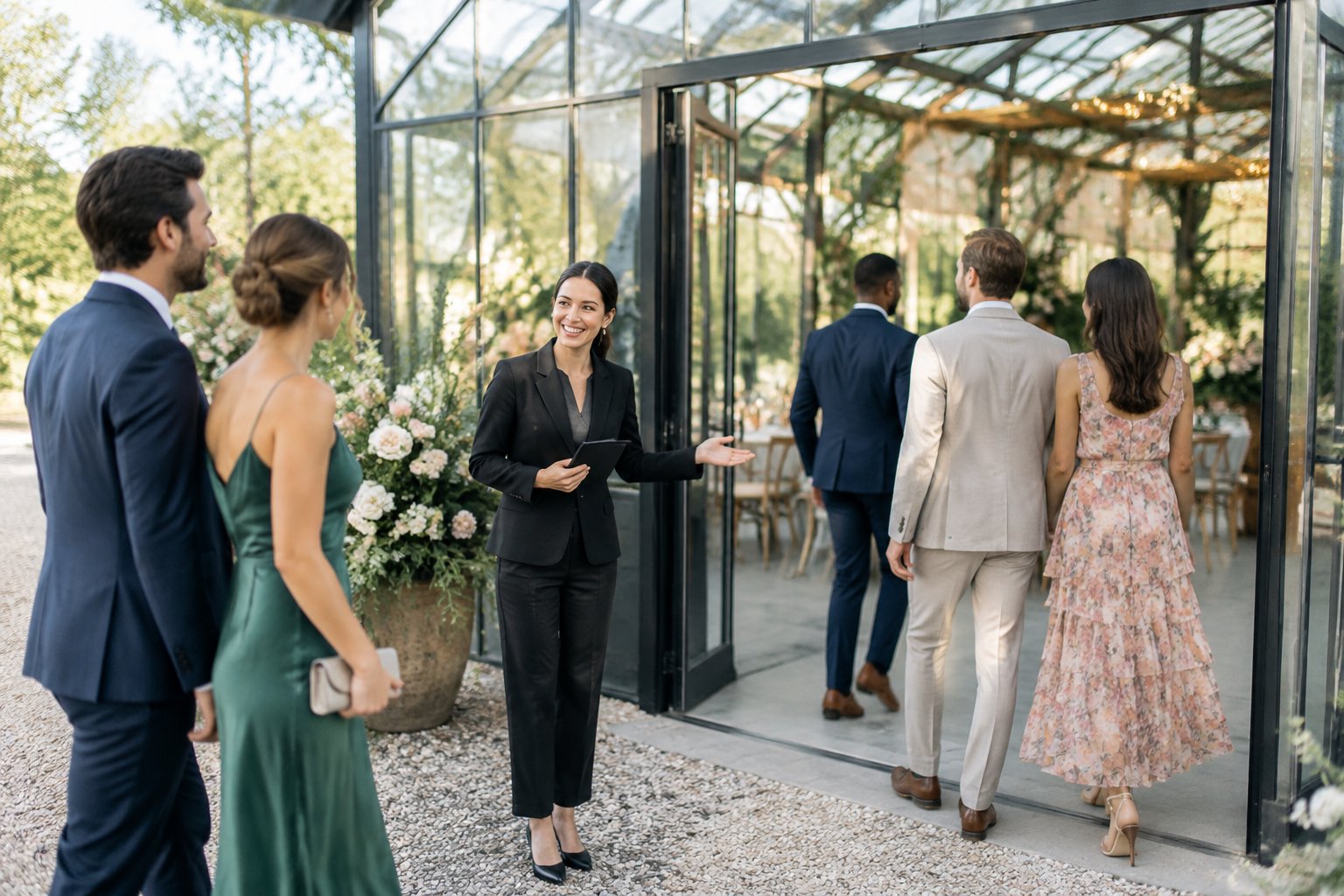
Start by writing down your maximum guest count, preferred location, budget range, date flexibility, and essential accessibility features. Then use wedding venue ideas to spark possibilities before you contact venues and schedule tours.
Match the Setting to Your Guest Experience
The best wedding venues connect their visual style with practical guest needs, including comfortable capacity, easy movement, climate control, and accessible facilities. A beautiful setting works well when your guests can enjoy it without confusion or discomfort.
What Guest Count Can the Space Comfortably Handle?
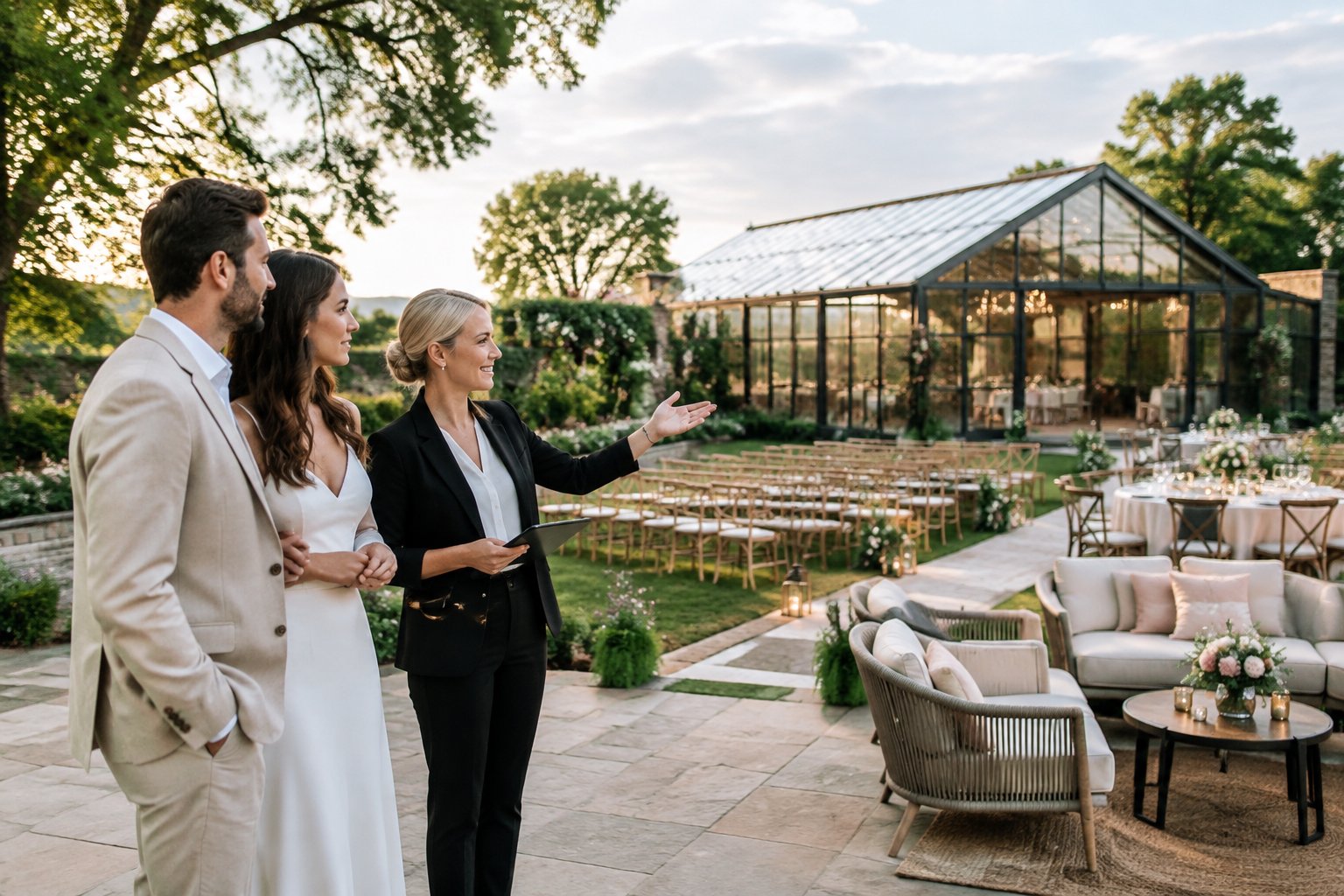
Ask for the seated dinner capacity with tables, chairs, a dance floor, bar, catering area, entertainment, and clear accessible routes in place. A posted maximum often reflects legal occupancy, while your usable guest count depends on the complete floor plan.
Give the venue your highest possible invitation count when you inquire. Request a sample layout for your guest count and ask where the ceremony, cocktail hour, dinner, dancing, buffet, and restrooms will be located.
A smaller guest list may suit intimate galleries, restaurants, and private estates. A larger celebration needs wider circulation paths, sufficient restrooms, strong parking access, and space for staff and vendors.
Can One Property Support the Ceremony, Reception, and Cocktail Hour?
One property can simplify transportation and help your day flow smoothly when each event space has a clear purpose. Look for a ceremony area, a separate cocktail space, and a reception room that can be reset without leaving guests waiting.
Ask how long a room change takes, where guests go during the transition, and whether rain affects the plan. Confirm that each area has suitable lighting, sound, seating, restrooms, and climate control.
If your ceremony and reception use separate properties, measure the travel time at your event hour. Include shuttle access, rideshare pickup, parking, and directions in your decision.
Which Venue Style Fits Your Wedding Vision?
Match the venue’s built-in character to the mood you want guests to feel. A greenhouse supports a light, garden-inspired celebration, while a theater suits dramatic entrances, stage lighting, and performances.
Review the property’s fixed features before planning décor. Historic details, artwork, exposed beams, gardens, or city views can guide your color palette and reduce decoration needs.
Ask about restrictions near artwork, walls, landscaping, historic surfaces, and open flames. Your venue style should also support the experience you want after dinner.
Lounges encourage conversation, open lawns create space for activities, and strong acoustics help guests follow speeches and music.
Explore Distinctive Venue Types
Distinctive wedding venues give you several ways to build atmosphere, from art-filled interiors to outdoor landscapes and full-property retreats. Consider the guest journey, production needs, weather plan, and lodging options alongside the visual appeal.
Museums and Galleries for Art-Led Celebrations
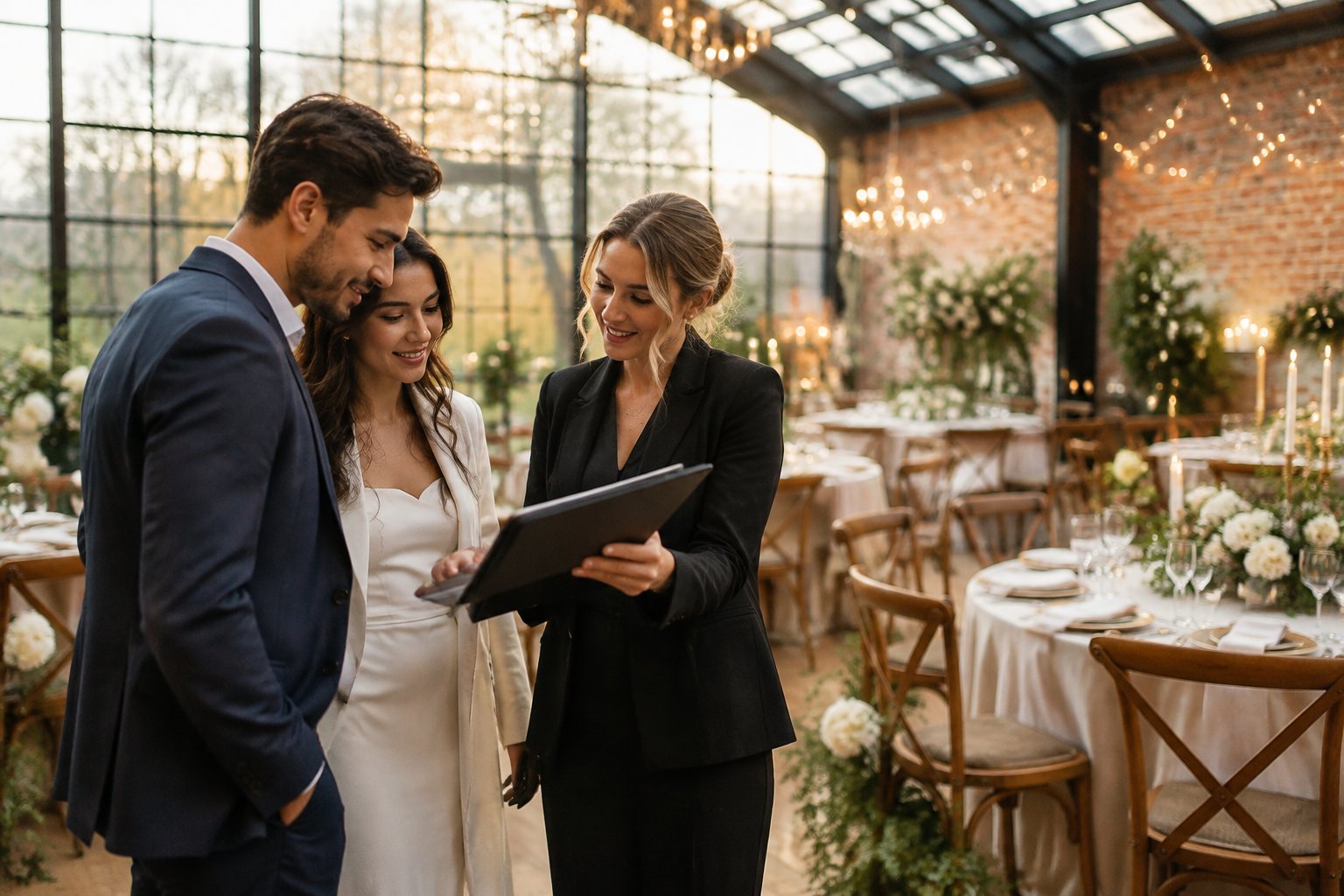
Museums and galleries provide built-in visual interest through architecture, collections, sculpture, and curated lighting. These spaces suit modern, editorial, formal, and art-focused weddings.
Ask whether guests can access all exhibits, where food and drinks are allowed, and how close décor may come to displays. Confirm the electrical capacity for lighting and sound, along with rules for candles, confetti, hanging installations, and photography.
Check the acoustics in rooms with hard floors and tall ceilings. You may need a professional sound plan for vows, speeches, and music.
Gardens and Vineyards for Scenic Outdoor Events
Gardens and vineyards create natural ceremony backdrops and relaxed paths between gathering areas. They work well for outdoor-focused weddings with seasonal flowers, open-air dining, and sunset portraits.
Review the walking surfaces, shade, lighting, restroom access, parking, and weather backup. A complete rain plan may require a tent, indoor room, heaters, fans, flooring, or transportation between areas.
Ask when the property looks its best and how the landscape changes through your wedding season. Confirm sound limits, closing times, insect control, and any restrictions on outdoor cooking or amplified music.
Theaters, Lofts, and Repurposed Spaces for Character
Theaters, lofts, warehouses, libraries, breweries, and repurposed buildings offer strong architecture and flexible design possibilities. Their unusual layouts can support a ceremony onstage, dinner beneath exposed beams, or dancing in an open industrial room.
Inspect loading access, elevators, power, heating, cooling, restrooms, and vendor staging areas. Ask whether the building has weight limits, noise restrictions, fire-safety rules, or limited setup hours.
Measure the room with your planner or rental company if you need large installations, a band, specialty lighting, or an elaborate seating plan.
Estates and Resorts for a Full Wedding Weekend
Estates and resorts give you a private setting for several wedding events, with lodging, meals, activities, and shared time in one place. This format suits guests traveling from different cities and couples planning welcome gatherings or farewell meals.
Compare the guest count for lodging with the count for each event space. Ask about room blocks, accessibility, check-in times, transportation, quiet hours, pool access, and other events on the property.
A full wedding weekend needs a clear schedule and guest communication plan. Confirm which spaces remain private to your group and which areas guests share with other visitors.
How to Find a Wedding Venue That Fits Your Priorities
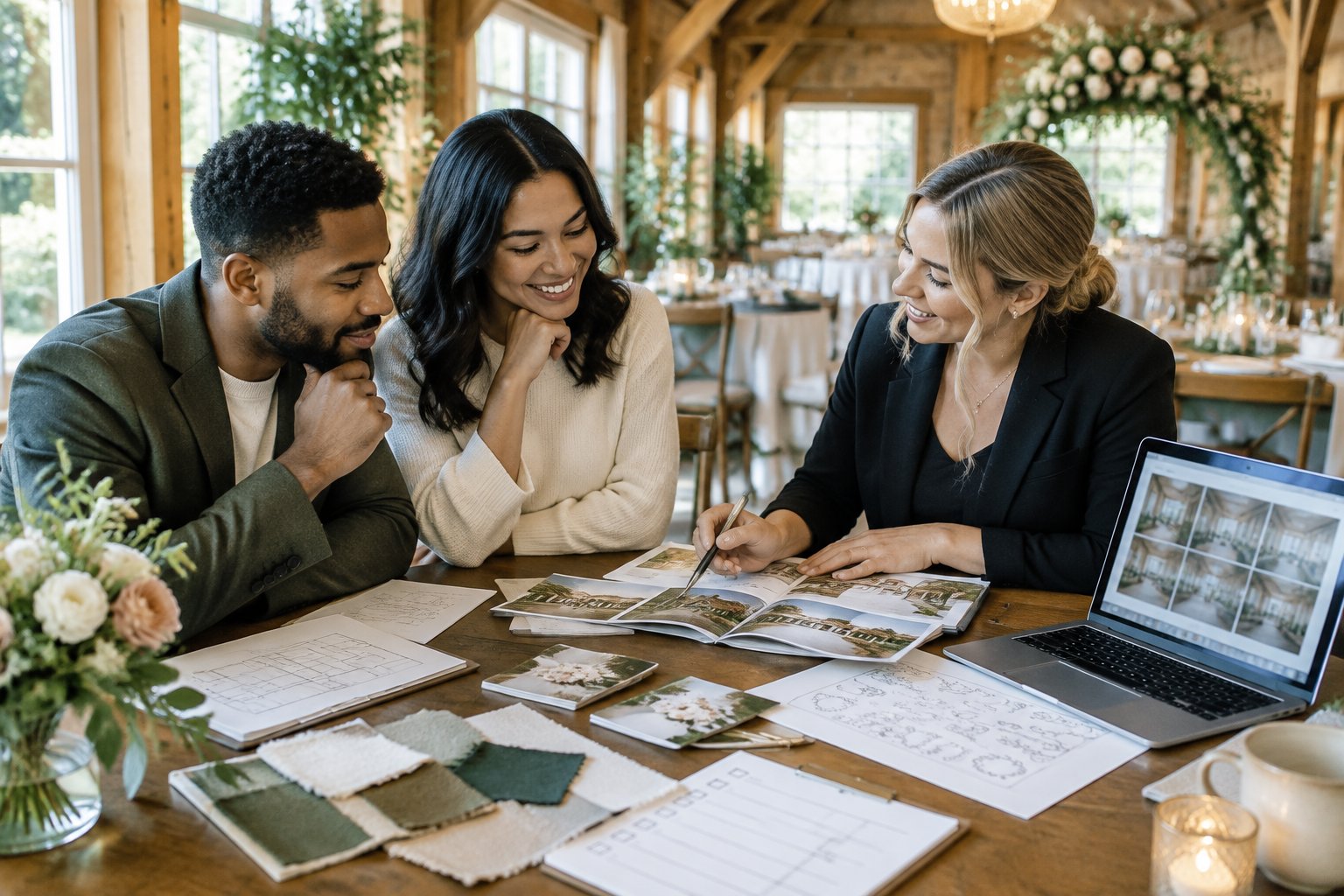
To find a wedding venue efficiently, define your nonnegotiables, search with specific filters, and compare written rental details using the same event assumptions. This process keeps an attractive listing from distracting you from capacity, cost, access, and logistics.
Set Nonnegotiables Before You Start Searching
Write your requirements in three groups:
- Must have: The venue cannot work without it, such as step-free access or a specific capacity.
- Strong preference: It improves the celebration, such as an outdoor ceremony area.
- Optional: It adds style or convenience, such as a fireplace or getting-ready suite.
Set your maximum invitation count, date range, travel radius, event style, budget, ceremony plan, and catering needs. Include guest comfort items such as parking, nearby lodging, restrooms, shade, temperature control, and quiet areas.
For smaller celebrations, these tips for choosing the perfect venue for a small wedding can help you weigh intimacy, layout, and service needs.
Use Directories and Local Searches Effectively
Search by venue type and location, such as “museum wedding venue in Philadelphia” or “vineyard wedding venue near Austin.” Use venue directories, map listings, planner recommendations, real wedding galleries, and local event businesses to find a wider range of spaces.
Save venues that show a floor plan, guest capacity, starting price, event photos, vendor policies, and clear contact information. Read recent reviews for comments about communication, service, parking, cleanup, and the guest experience.
Email a short project brief with your date, guest count, event format, and budget range. A venue’s first reply can reveal how clearly its team communicates.
Shortlist Venues With Comparable Rental Details
Ask every shortlisted venue for an itemized proposal based on the same date, guest count, event hours, ceremony plan, catering style, bar service, and rental needs. Record the site fee, food and beverage minimum, taxes, service charges, staffing, deposits, insurance, and overtime.
Keep notes on included furniture, linens, setup, cleanup, security, lighting, sound, parking, and getting-ready areas. Mark every item that requires an outside vendor.
A shared spreadsheet helps you compare four or five serious options without relying on memory or photos.
Compare Costs, Inclusions, and Venue Rules
A fair venue comparison uses the complete event cost and every rule that affects your design, vendors, timeline, and guest experience. The lowest rental fee can lead to a higher final bill when essential services sit outside the quote.
What Does the Rental Fee Actually Include?
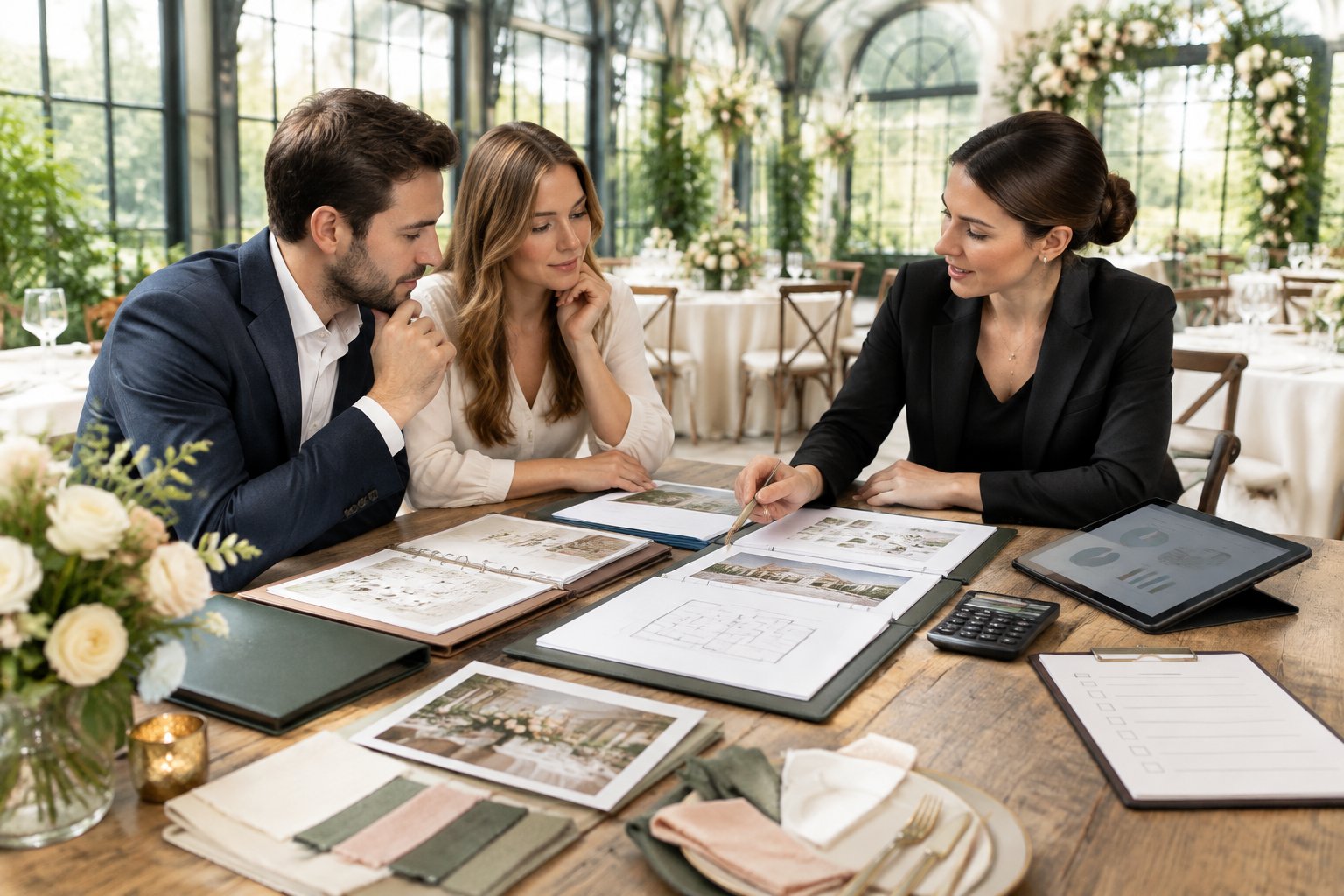
Ask for a written list of everything included in the venue rental. It may cover tables, chairs, linens, staff, cleaning, security, ceremony furniture, setup, breakdown, lighting, sound equipment, or a venue coordinator.
Separate the site fee from catering and bar charges. A food and beverage minimum requires you to spend a set amount on those services, while taxes, service charges, gratuities, staffing, and rentals might appear separately.
Request a sample invoice for your estimated guest count. This shows how the quote changes after required services and local taxes are added.
Which Restrictions Can Change Your Budget?
Venue rules can affect your vendor choices and rental needs. Ask about preferred or exclusive caterers, outside vendor fees, corkage, cake cutting, alcohol service, décor installation, candles, hanging items, amplified sound, music curfews, and cleanup.
Check setup and breakdown windows. A short access period can require extra labor, rushed deliveries, or a second rental day.
Ask about insurance, security, damage deposits, generators, heating, cooling, parking, valet, and shuttle service. Historic properties and unusual event spaces may have limits on electrical use, floor loads, wall attachments, open flames, or amplified sound.
Put each restriction into your working budget before you sign.
How Should You Compare Quotes Fairly?
Use the same event scope for every quote:
- Same guest count
- Same event hours
- Same ceremony and reception spaces
- Same catering and bar assumptions
- Same furniture and equipment needs
- Same taxes, service charges, staffing, and insurance
Calculate the likely total by adding the venue fee, catering, bar, required rentals, staffing, transport, insurance, security, setup, cleanup, taxes, and possible overtime. Keep a contingency for changes and unexpected requirements.
Record the payment schedule, cancellation terms, rescheduling rules, refund policy, damage provisions, and date-hold period beside the price.
Plan a Stay-Over Celebration
A stay-over celebration works best when lodging, event spaces, transportation, meals, and private-use terms support the same guest count and weekend schedule. On-site accommodation can create connection and convenience while adding room, service, and planning commitments.
When Is On-Site Lodging Worth It?
On-site lodging is valuable when many guests travel long distances, transportation is limited, or you want several events in one location. It also helps guests avoid driving after the reception and gives older relatives easier access to the celebration.
Compare the number of available rooms with your guest count and family needs. Ask about accessible rooms, suites, parking, breakfast, check-in, checkout, housekeeping, pets, children, and early arrivals.
Review the distance between lodging and event areas. Steep paths, long walks, stairs, or poor lighting can create problems for guests carrying luggage or using mobility aids.
How Do Multi-Day Packages Change the Guest Experience?
Multi-day packages create space for a welcome dinner, ceremony, reception, brunch, and shared activities. They also require clear communication about which events are hosted by you and which costs guests pay themselves.
Ask for a complete schedule of access hours, meals, staffing, room assignments, cleaning, and transportation. Confirm whether the venue provides a coordinator for each event or only for the wedding day.
Build in quiet periods between gatherings. Guests appreciate time to rest, explore the area, or manage personal needs during a full wedding weekend.
What Should You Confirm Before a Property Buyout?
A property buyout should state which rooms, buildings, outdoor areas, and amenities belong exclusively to your group. Confirm the minimum stay, required room count, check-in process, guest services, maintenance, and rules for outside visitors.
Ask whether other events, residents, or venue operations continue during your stay. Review quiet hours, pool use, fire features, alcohol service, parking, deliveries, pets, children, and damage policies.
Get a written schedule for setup, event access, vendor arrival, teardown, checkout, and final cleanup. Align the buyout terms with your guest count before you announce the location.
Tour, Inquire, and Secure Your Date
A confident booking follows a structured tour, a written proposal, and a careful contract review. Use the same questions and scoring system at each property so emotion stays connected to practical facts.
What Questions Should You Ask During a Venue Tour?
Ask how many guests fit comfortably for your ceremony, dinner, and dancing. Walk through the arrival route, accessible entrances, restrooms, parking, cocktail area, reception room, catering space, and emergency exits.
Confirm the rain plan, temperature control, lighting, acoustics, power, noise limits, closing time, vendor access, setup window, cleanup process, and overnight storage. Ask where guests wait during room changes and how staff direct them between spaces.
Bring your guest-count range, budget worksheet, vendor list, camera, measuring tape, and accessibility checklist. Visit at a similar time of day to see traffic, sunlight, noise, parking, and temperature conditions.
How Far Ahead Should You Reserve a Popular Date?
Reserve a high-demand Saturday, distinctive property, or peak-season date about 12 to 18 months ahead when possible. Start earlier for limited-capacity unique venues, holiday weekends, destination celebrations, or properties with on-site lodging.
Flexibility with weekdays, seasons, and dates gives you more choices. Ask how long the venue will hold a date, whether the hold is written, and which payment turns the reservation into a confirmed booking.
If your date is close, send a complete inquiry immediately and include backup dates. A clear brief helps the venue respond with availability and accurate pricing.
What Belongs in the Final Contract Review?
Your contract should identify the event date, spaces, access hours, guest-count limit, rental fee, food and beverage terms, taxes, service charges, staffing, included items, vendor rules, and payment schedule.
Review cancellation, postponement, weather, force majeure, damage, insurance, overtime, cleanup, noise, alcohol, parking, and security clauses. Confirm every verbal promise in writing, including floor plans, rain plans, room blocks, setup times, and included rentals.
Before signing, ask who controls final event decisions, when the guest count is due, how changes are priced, and what happens if the venue changes ownership or operations. Keep the signed agreement, proposal, floor plan, and payment receipts together.