
Boutique Wedding Venues Ireland: Intimate Places With Character
Ireland gives you an exceptional choice of intimate wedding settings, from restored country houses and castle estates to relaxed barns and coastal retreats. For couples seeking boutique wedding venues in Ireland, private estates and small country houses offer the strongest blend of character, personal service, flexible celebration plans, and memorable guest experiences.
A boutique venue suits you when the place feels part of your story. You might want a candlelit dinner in a historic dining room, a garden ceremony followed by a house party, or a destination wedding where your closest guests stay together for the weekend.
Smaller spaces also let you spend more time with each guest and shape the day around your priorities. Browse the options below, shortlist the settings that fit your guest count and wedding style, then request a detailed quote directly from your preferred venue. You can also use these tips for choosing the perfect venue for a small wedding as you compare your choices.
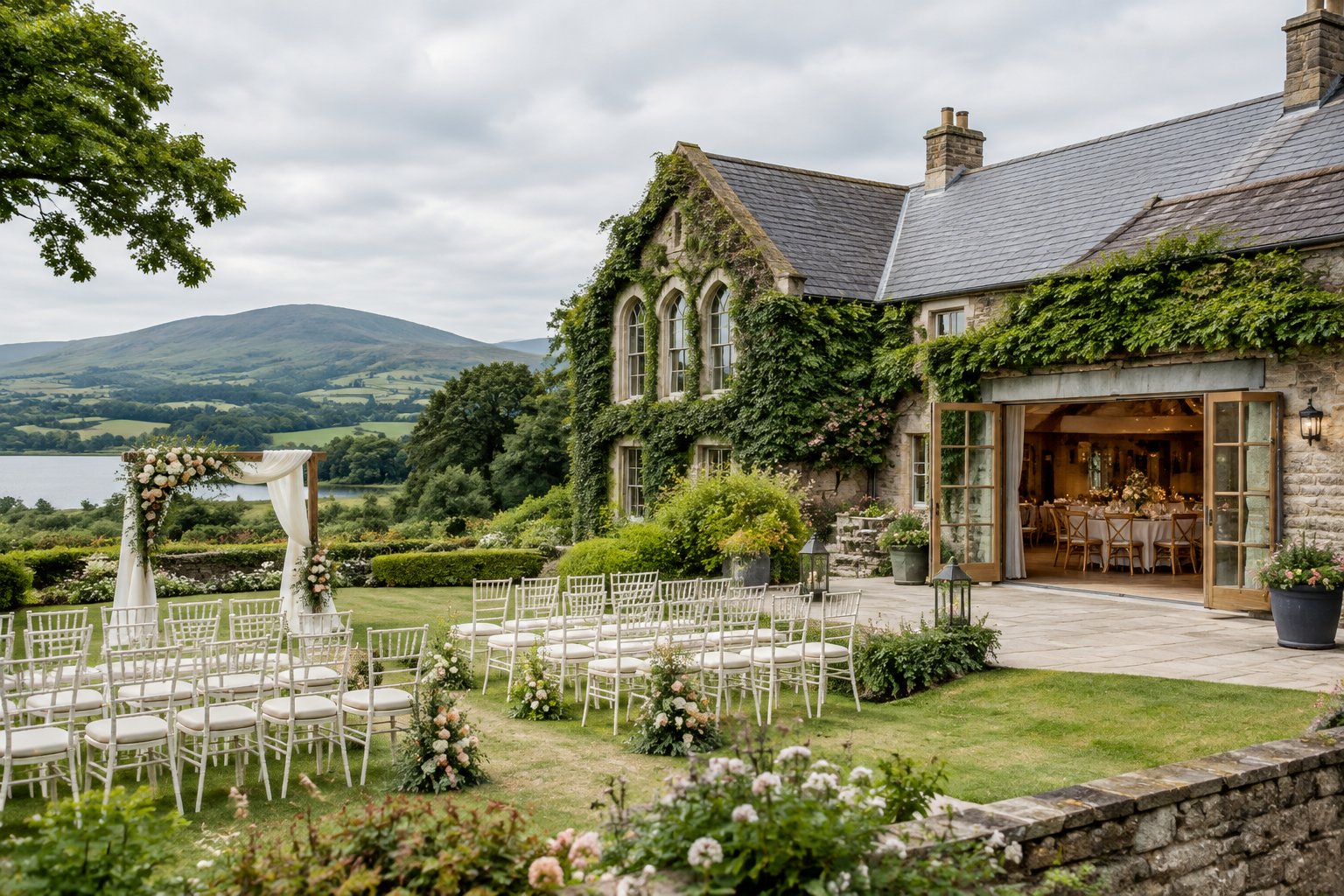
What Makes a Wedding Venue Feel Boutique?
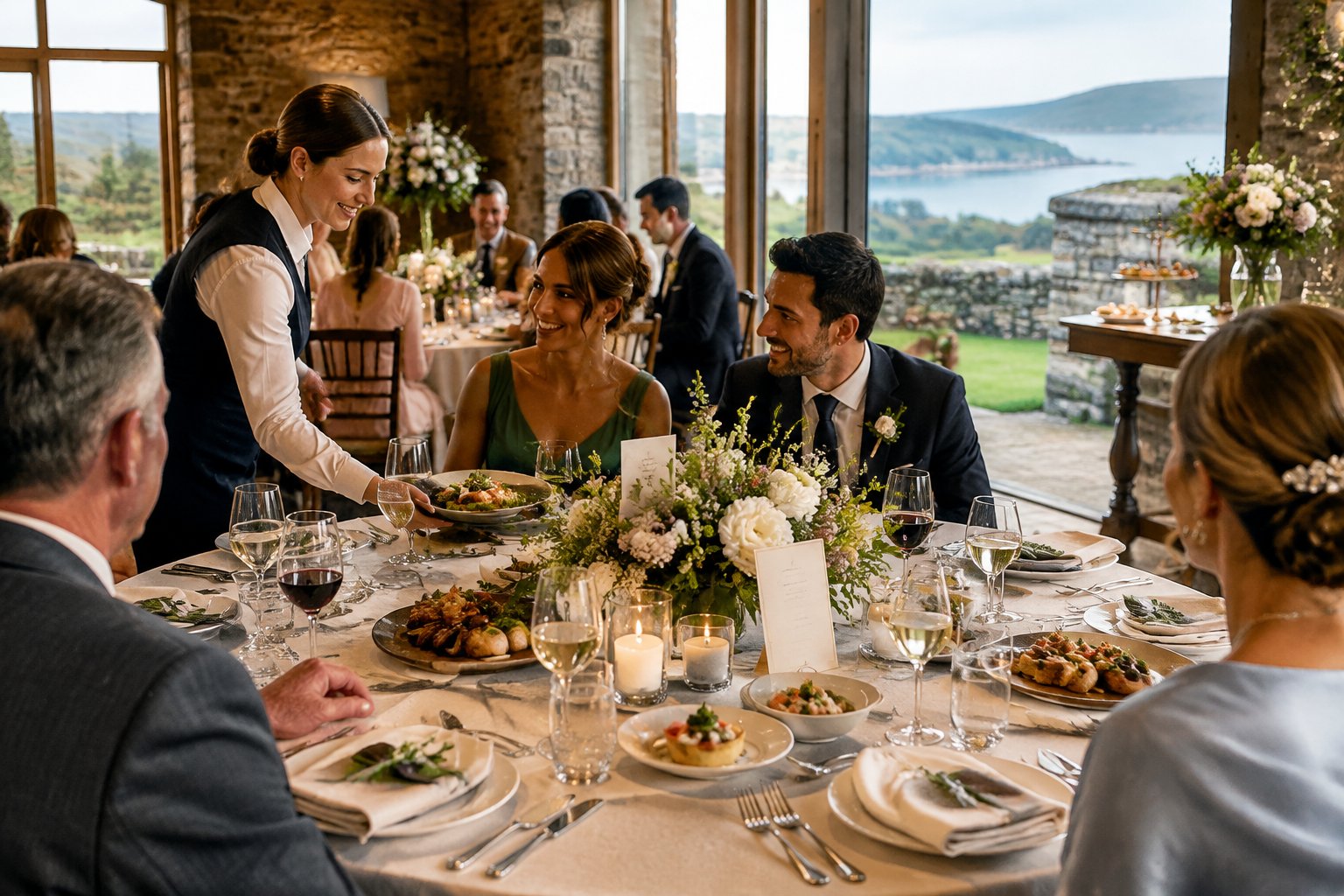
A boutique wedding venue gives you a private, personal setting where the architecture, service, and celebration style feel closely connected. Exclusive use, tailored wedding packages, a welcoming bridal suite, and a distinctive wedding reception venue all help create that experience.
The best choice balances atmosphere with practical details. Your guest count, accommodation needs, food plans, ceremony layout, and weather backup should fit the property without forcing the day into a fixed template.
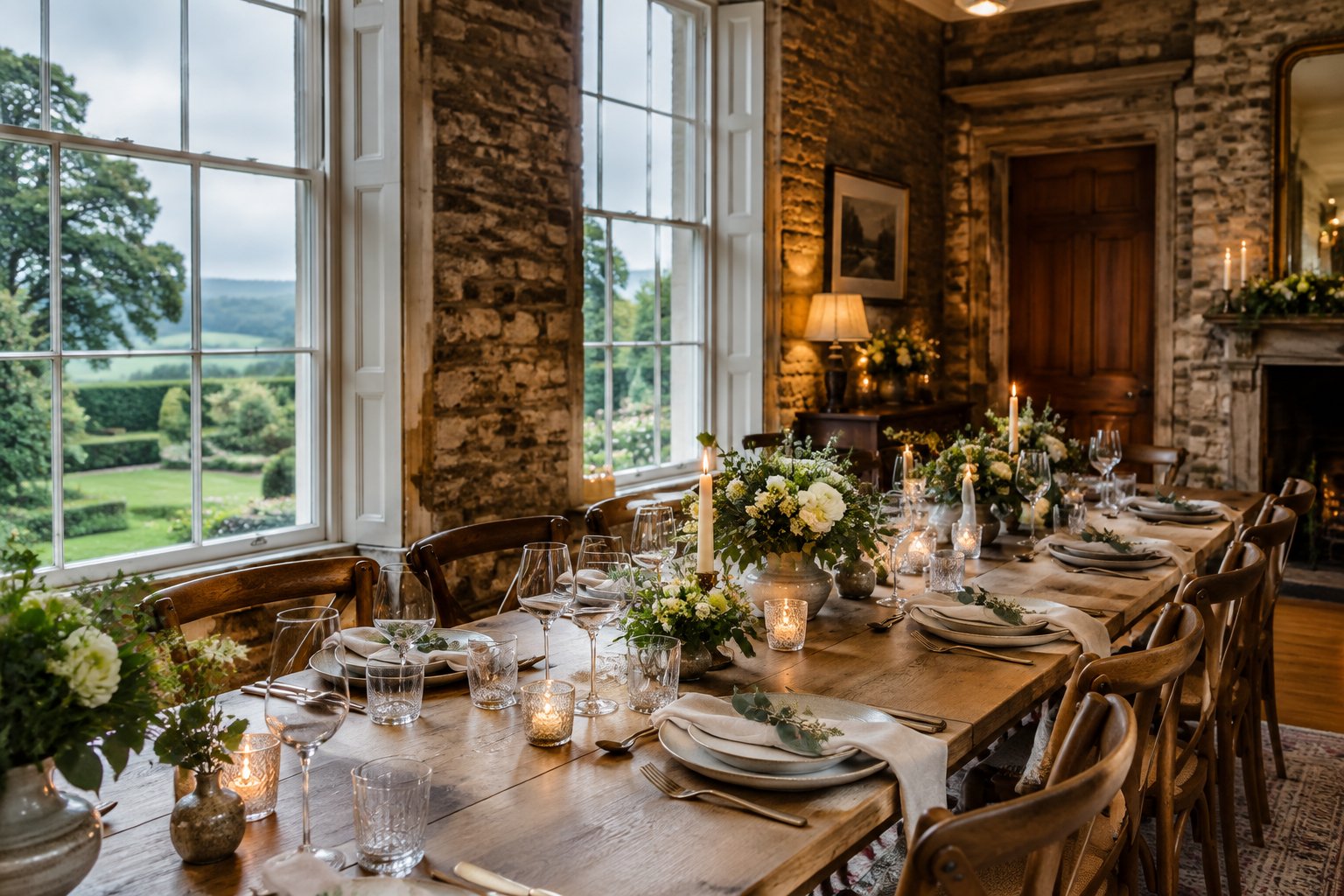
Exclusive Use, Personal Service, and a Sense of Place
Exclusive use gives you and your guests control of the main celebration spaces. You can move through the ceremony, drinks reception, dinner, and dancing without sharing the property with another wedding party.
Personal service also shows in small details. A coordinator who knows your plans, staff who remember guest preferences, and a team willing to shape menus or room layouts can make planning smoother. Country houses in Ireland bring added character through original fireplaces, period rooms, gardens, family collections, and local history.
A luxury wedding venue does not need to feel formal. Many boutique properties combine polished service with relaxed hosting, allowing guests to settle in and enjoy the house.
How Boutique Venues Differ From Large Hotels
Large hotels offer strong infrastructure, broad room capacity, and familiar event systems. Boutique venues focus on atmosphere, privacy, and a more focused guest experience.
You may find fewer event spaces, which creates a clearer flow across the day. The dining room, gardens, library, bar, or drawing room each has a defined role. Ask whether the venue hosts one wedding at a time, which spaces are private, and how the team handles setup between events.
The Guest Count, Overnight Stay, and Wedding Weekend Balance
A small wedding works best when the property feels full of energy without feeling crowded. Confirm the minimum guest number, maximum seated capacity, dance-floor layout, and dining room dimensions before you book.
On-site accommodation supports a relaxed wedding weekend. Guests can arrive early, settle into the property, and continue conversations over breakfast the next morning. If rooms are limited, ask about nearby inns, transport, room blocks, and checkout times.
Standout Venues for Intimate and Design-Led Celebrations
Ireland’s boutique venue list spans elegant estates, historic castles, rustic barns, private villages, and city properties. You can narrow your search by the atmosphere you want your guests to feel, from refined country-house dining to a lively house-party weekend.
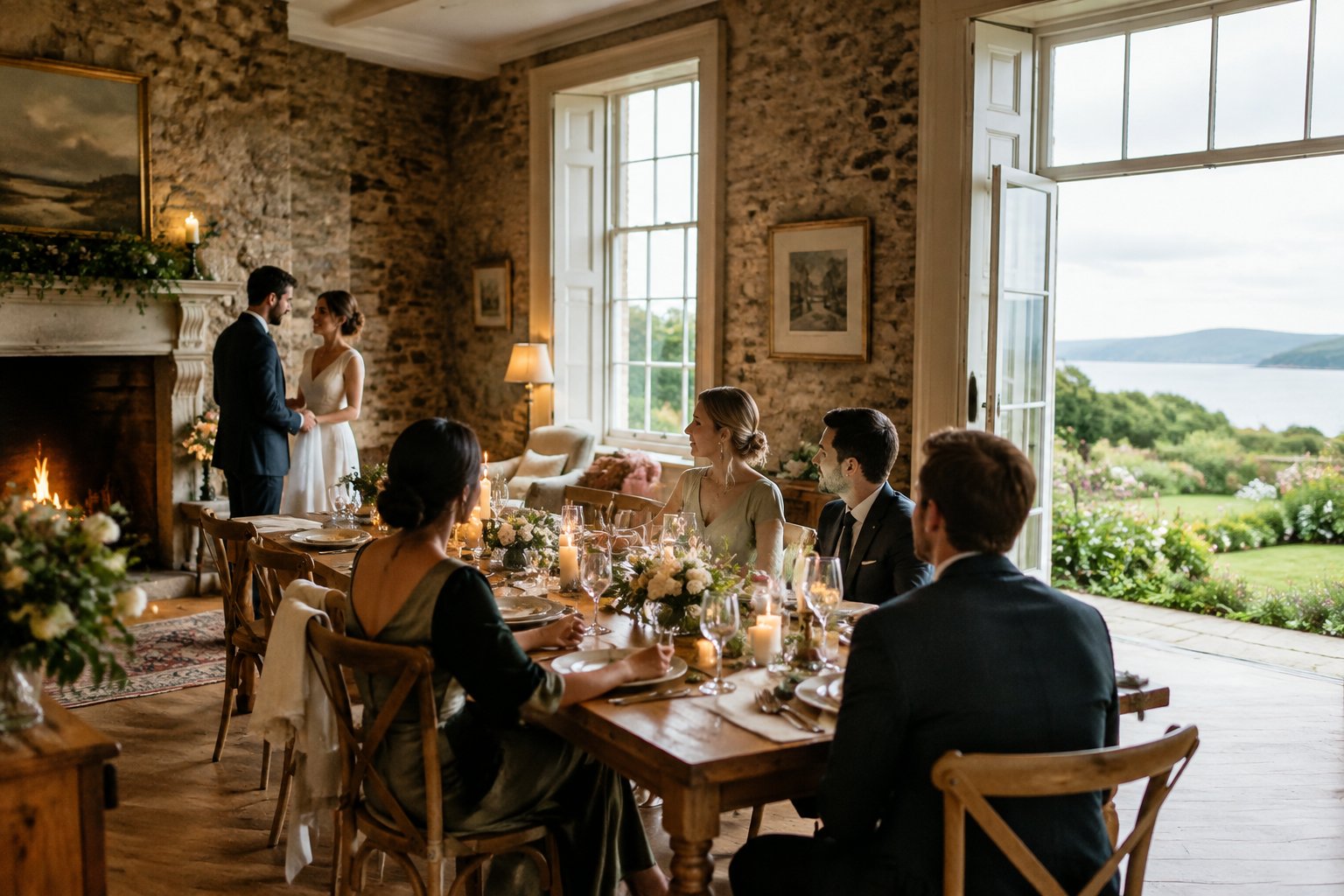
Elegant Country Houses and Private Estates
Tankardstown House and Ballymagarvey Village in County Meath offer historic settings with gardens, tailored event spaces, and a strong sense of privacy. Virginia Park Lodge combines country-house character with food-led hospitality, while Martinstown House in County Kildare suits couples seeking a private estate atmosphere.
Bellinter House gives you Georgian style and landscaped grounds near Navan. Gloster House, Marlfield House, and Horetown House bring refined interiors, gardens, and intimate hosting to different parts of the country.
Ballybeg House offers a relaxed private-estate setting, while Hillmount House creates a more personal house-party feel. The Millhouse, The Village Barn, and Cloughjordan House suit couples drawn to rustic textures, creative spaces, and informal celebrations.
Castles With Character Rather Than Ceremony
Luttrellstown Castle and Castle Leslie Estate offer grand architecture with space for destination-style celebrations. Bellingham Castle, Cabra Castle, Markree Castle, and Darver Castle each bring a distinct historic mood, from romantic towers to richly detailed interiors.
A castle wedding venue works well when you want strong visual character throughout the day. Look beyond the façade and ask about dining-room acoustics, guest-room locations, ceremony options, accessibility, and the route between each part of the celebration.
Rustic Barns, Villages, and Relaxed House Parties
Barn venues create a warm backdrop for long tables, seasonal food, live music, and personal décor. A village-style setting gives guests several spaces to explore, while a private house encourages a slower weekend rhythm.
Ask how much styling you can bring, whether the venue supplies furniture and tableware, and how late music can continue. Confirm catering rules, lighting needs, restroom facilities, parking, and the wet-weather plan before you compare hire fees.
Distinctive Dublin Options for a City Celebration
Clontarf Castle Hotel gives you historic atmosphere close to Dublin, with city access for guests traveling from Ireland or abroad. A city celebration also lets guests combine the wedding with restaurants, galleries, music, and sightseeing.
Dublin suits you when transport links and nearby accommodation rank high on your list. Check traffic, parking, noise limits, guest-room availability, and whether the venue’s private rooms suit your ceremony and dinner size.
Find the Right Setting for Your Wedding Style
Your wedding style should guide the venue search from the start. A fairytale wedding calls for historic architecture, a food-led celebration needs a strong kitchen and dining room, and an outdoor ceremony needs a detailed backup plan.
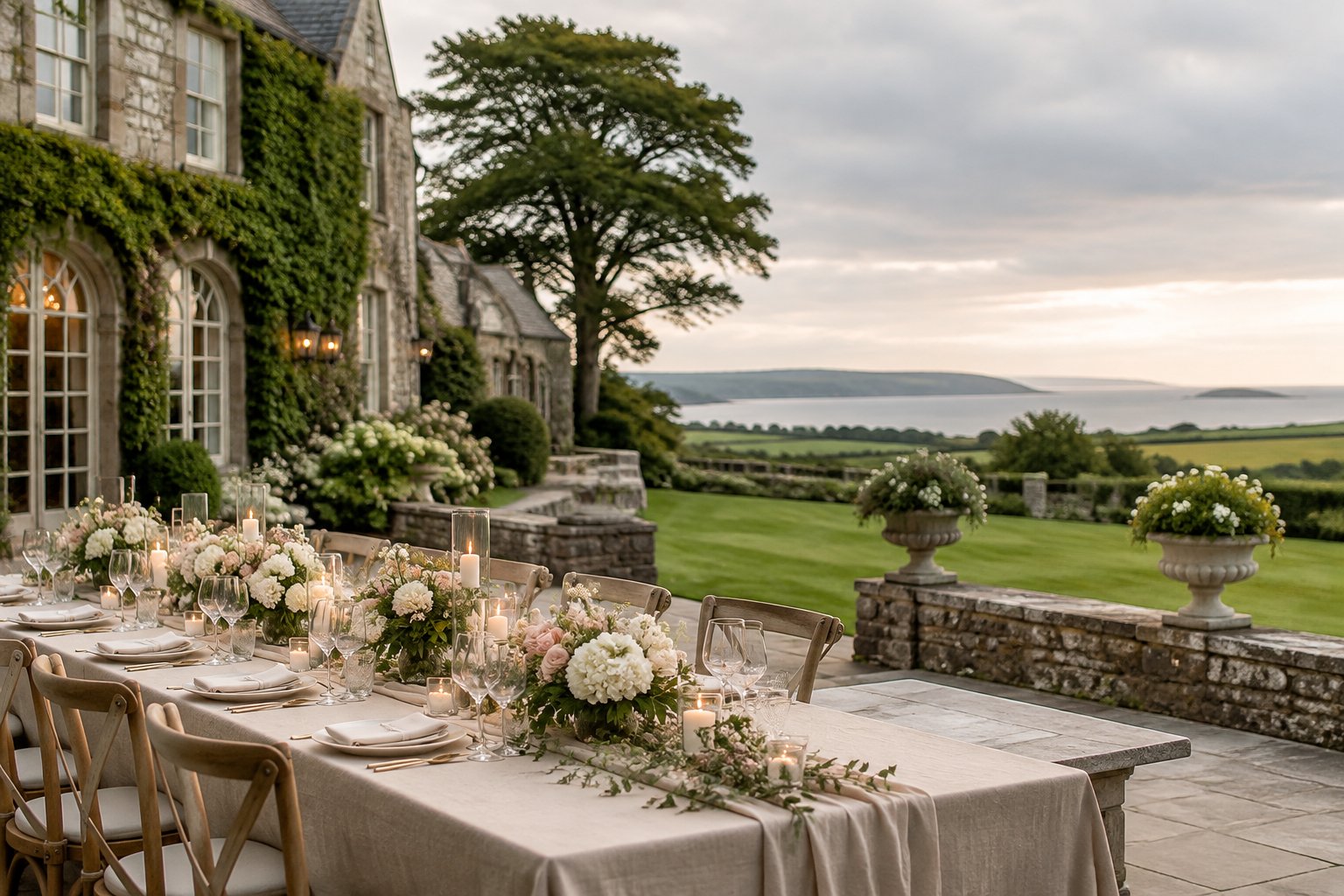
For a Fairytale Castle Wedding
Choose a castle with ceremony spaces that work in every season. Luttrellstown Castle, The Lodge at Ashford, Belle Isle, and Temple House offer dramatic architecture, landscaped grounds, and a sense of occasion.
A castle wedding venue should also feel comfortable after the ceremony. Review guest-room layouts, dining spaces, bar areas, late-night arrangements, and accessibility. Castle hotels often suit couples who want a full-service destination experience with rooms and events in one setting.
For Food-Led Country House Weddings
Virginia Park Lodge is associated with chef Richard Corrigan and offers a strong food-centered identity. Other country house weddings can give you seasonal menus, private dining rooms, local produce, and a slower meal-focused pace.
Ask to see sample menus and clarify whether you can request substitutions, tasting appointments, late-night food, children’s meals, and dietary options. The dining room should support conversation, service, speeches, and dancing without making guests feel separated.
For Outdoor Weddings With a Strong Plan B
Inish Beg Estate and Rock Farm Slane near Slane offer natural surroundings for couples who want an outdoor ceremony with a clear connection to the landscape. Rock Farm’s setting near the River Boyne and Boyne Valley adds countryside appeal.
Your backup plan needs its own charm and enough space for every guest. Confirm who makes the weather call, how quickly the ceremony can move indoors, and whether the same furniture, décor, sound, and photography plans still work.
For a Coastal, Island, or Waterside Escape
Rathmullan House gives you a coastal setting near the Irish Sea, while Lough Corrib and the landscapes around Galway provide a waterside backdrop. The Cliffs of Moher create a dramatic location for portraits or a small ceremony where local rules and safety planning allow it.
Coastal weddings require extra care with wind, rain, transport, footwear, and sound. Check indoor dining space, nearby accommodation, sunset timing, and the travel plan for guests arriving from outside the area.
How to Compare Packages, Food, and Guest Experience
Compare venues by their complete celebration cost and guest journey, not by the headline hire fee alone. A useful comparison includes the wedding ceremony, wedding reception, wedding banquet, accommodation, staffing, rentals, drinks, taxes, service charges, and supplier fees.
What Should a Wedding Package Include?
Request an itemized quote covering:
- Venue hire and exclusive-use hours
- Ceremony room and reception spaces
- Tables, chairs, linens, glassware, and tableware
- Catering, drinks, cake service, and late-night food
- Wedding coordinator and service staff
- Bridal suite and getting-ready access
- On-site accommodation and breakfast
- Sound equipment, lighting, setup, and cleanup
- Parking, transport arrangements, and supplier access
- Taxes, service charges, corkage, overtime, and cancellation terms
A package can simplify wedding planning when its inclusions match your priorities. A bespoke plan gives you more control over food, décor, entertainment, and suppliers, with added coordination work.
Questions to Ask About Ceremony and Reception Flow
Walk through the guest journey from arrival to departure. Ask where guests wait before the wedding ceremony, where drinks are served afterward, how the room changes for dinner, and where the band or DJ sets up.
Confirm the ceremony capacity, legal requirements, sound system, accessibility, bar location, dance floor, and curfew. A smooth layout keeps guests connected and reduces delays between each part of the day.
Why Food, Accommodation, and Supplier Flexibility Matter
Food shapes the pace and feel of your reception. Ask who designs the menu, whether you can schedule a tasting, how dietary needs are handled, and whether the venue supports family-style dining, plated courses, or a relaxed sharing menu. These questions about choosing the right wedding caterer can help you prepare for a menu meeting.
Accommodation keeps guests close and makes a destination wedding easier to manage. Supplier flexibility affects your budget and style, so confirm rules for photographers, florists, musicians, planners, and external caterers before paying a deposit.
Plan a Venue Visit and Book With Confidence
A productive venue visit tests how the property works for your date, guest count, travel plans, and weather conditions. Bring your partner, guest estimate, budget range, and a written list of questions so each viewing gives you comparable information.
Popular properties near Navan, Kildare, and Limerick may book well ahead for summer Saturdays. Grand venues such as Adare Manor, Mount Juliet Estate, and Carton House require early planning, while Cliff at Lyons, Rathsallagh House, Boyne Hill House, Loughcrew House, Barberstown Castle, and Kilshane House each have their own capacity, accommodation, and event rules.
How to Assess Light, Layout, and Wet-Weather Options
Visit at a similar time of day to your planned ceremony. Check natural light in the ceremony room, dinner space, bridal suite, and portrait locations. Listen for echoes, road noise, nearby events, and music restrictions.
Walk the wet-weather route from ceremony to drinks and dinner. A covered walkway, attractive drawing room, or Victorian marquee can protect the experience when outdoor plans change. Confirm flooring, heating, lighting, accessibility, and restroom access for every backup space.
Check Travel Times and Local Accommodation
Map travel from the nearest airport, train station, major hotel areas, and local accommodation. Rural venues need clear plans for taxis, shuttles, designated drivers, and guests with limited mobility.
Ask the venue for a current room list and nearby recommendations. Check whether guests must stay on-site, whether transport runs after the reception, and how long the trip takes at your planned finish time.
When to Consider a Marquee or an Unusual Ceremony Space
A marquee can expand your dining options, create a separate dance area, or support a larger guest list on an estate. Ask who supplies the structure, flooring, power, lighting, heating, toilets, furniture, permits, and weather protection.
Price each item before comparing the venue with an indoor property.
Unusual ceremony spaces add personality when they are safe, accessible, and practical. Castle ruins, gardens, chapels, and house libraries each need clear plans for seating, sound, photographs, guest movement, and legal approval.
Confirm every detail in the contract before you place your deposit.