
Boutique Wedding Venues: How to Find the Right One
Choosing among wedding venues shapes your guest experience, design budget, and wedding style from the start. Boutique wedding venues suit couples who want a personal celebration in a distinctive setting, with fewer guests and more attention to atmosphere and service. You can find that feeling in a private estate, a garden property, a small luxury hotel, a vineyard, or a coastal retreat.
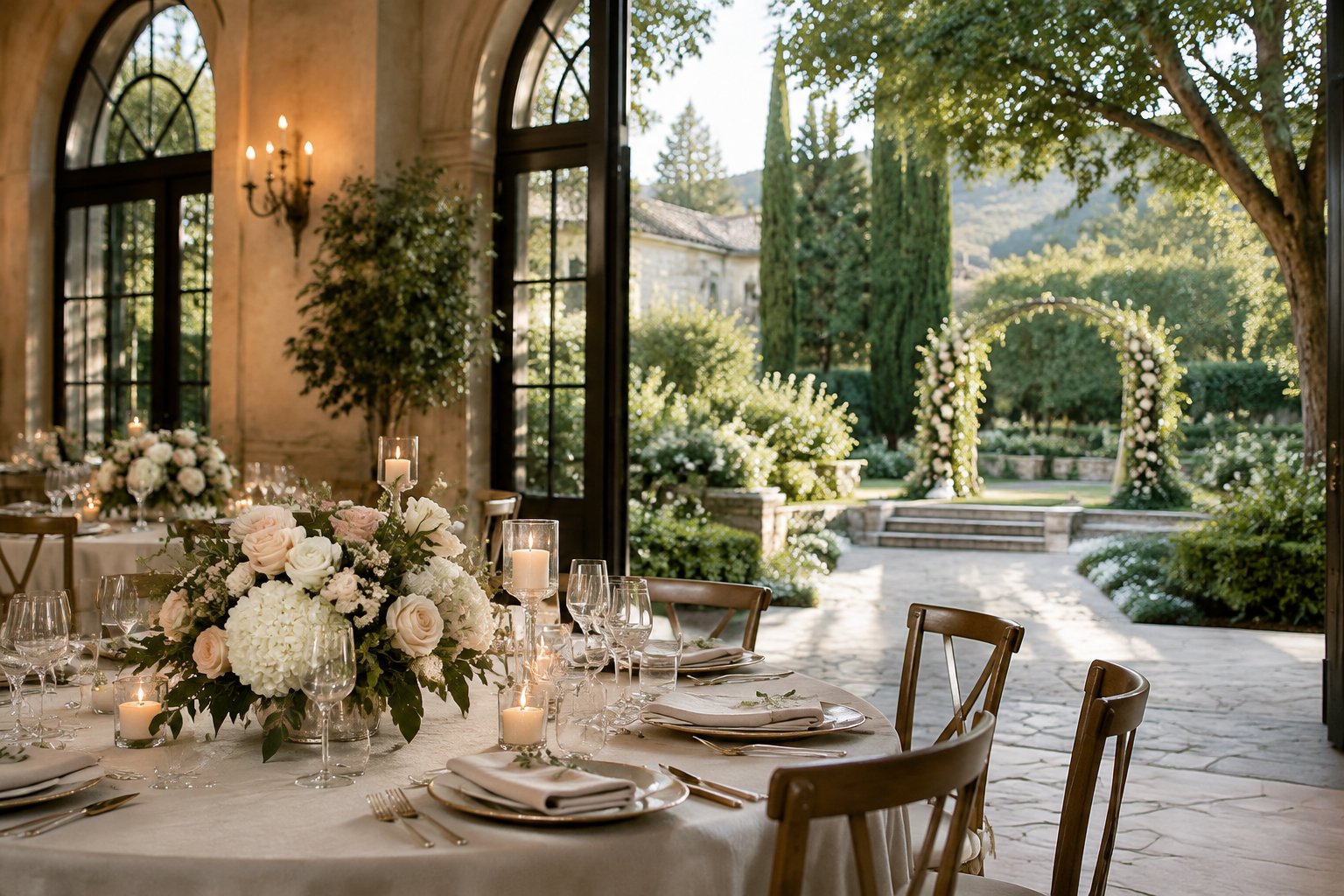
Start by defining your guest count, preferred setting, date, and three priorities for the wedding celebration. Then compare each venue by its full cost, layout, rules, and ability to support your plans. If you are exploring an intimate event, browse these tips for choosing the perfect venue for a small wedding and request tours from the properties that fit your list.
What Makes a Venue Feel Boutique?
A boutique venue feels boutique when its scale, design, privacy, and service work together to create a tailored guest experience. You should notice a clear sense of place as soon as you arrive, whether the property offers modern luxury, historic details, or a relaxed garden setting.
Intimate Scale, Character, and Personal Service
Boutique properties keep the guest list manageable so the space feels comfortable and connected. A smaller setting gives you room to focus on a thoughtful meal, strong photography, custom stationery, and details your guests will notice.
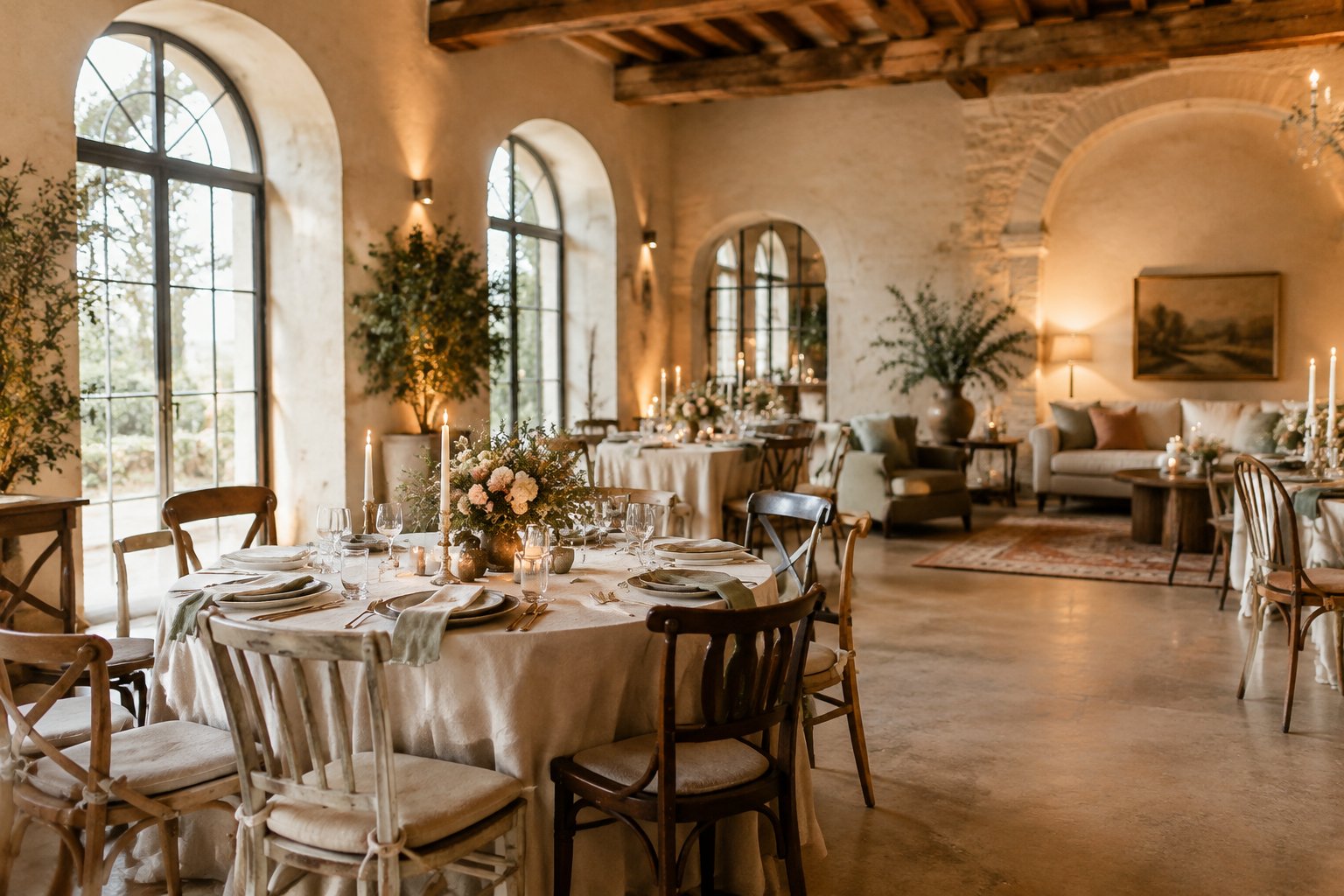
Look for character that exists before you add décor. Original stonework, arched windows, mature trees, terraces, artwork, or a well-designed dining room can give your wedding visual depth. Ask how many events the team hosts each weekend and who will guide your celebration on the day.
Personal service shows up in clear answers, flexible planning support, and staff who remember your priorities.
Exclusive Use vs. Shared Hotel Spaces
Exclusive use gives you control over the property, guest flow, music, and timing. It also lets your guests feel that the setting belongs to your wedding for the duration of the event. Ask whether exclusive use includes guest rooms, outdoor areas, getting-ready suites, and all dining spaces.
A shared hotel can offer convenience, room service, elevators, and established guest support. You will need to confirm how the hotel separates your celebration from other weddings, conferences, or leisure guests. Check the location of shared entrances, pools, restaurants, and elevators before you book.
How Boutique Properties Support a Personal Wedding Style
Choose a venue whose architecture already supports your wedding style. Clean-lined spaces suit contemporary décor, while a private estate or courtyard can support romantic florals and candlelight with less added production.
Review the venue’s preferred-vendor rules, furniture options, lighting limits, and setup window. A flexible property lets you shape the ceremony, dinner, music, and guest welcome without forcing every choice into a fixed package.
Which Setting Matches Your Celebration?
The right setting should support the feeling you want guests to carry through the day, from the ceremony view to the last dance. Vineyards, coastal properties, courtyards, and converted barns each create a different rhythm, so choose the landscape before you choose décor.
Vineyards and Wine-Country Estates
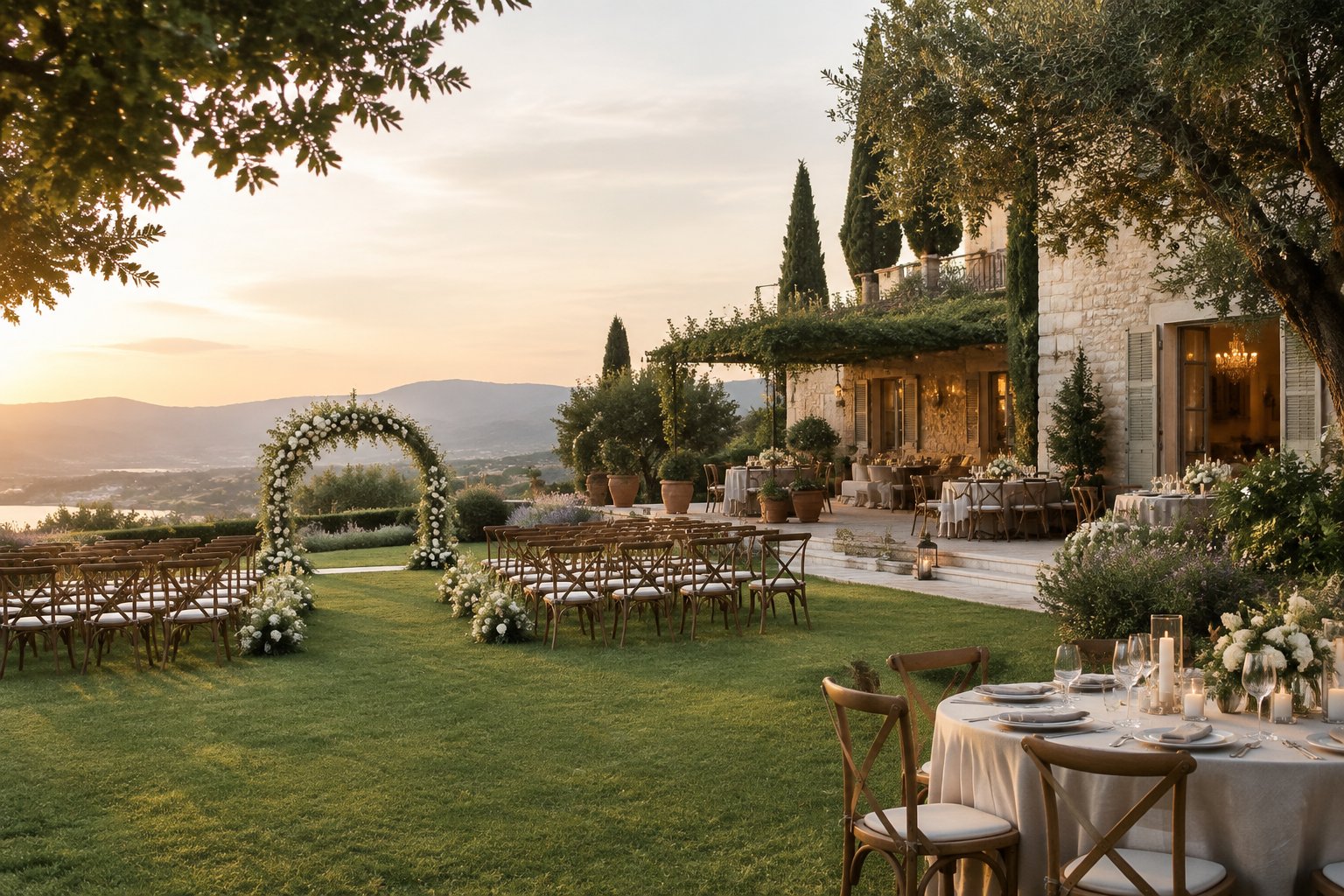
Vineyards give you rows of vines, open views, and a natural path from ceremony to cocktail hour to dinner. A wine-country estate works well for a relaxed celebration with a polished menu, local wine, and long outdoor dinners.
Ask about harvest dates, evening temperatures, lighting, transportation, and noise limits. Confirm whether the ceremony overlooks the vines and whether the reception has a covered or indoor option.
Coastal Retreats With Ocean Views
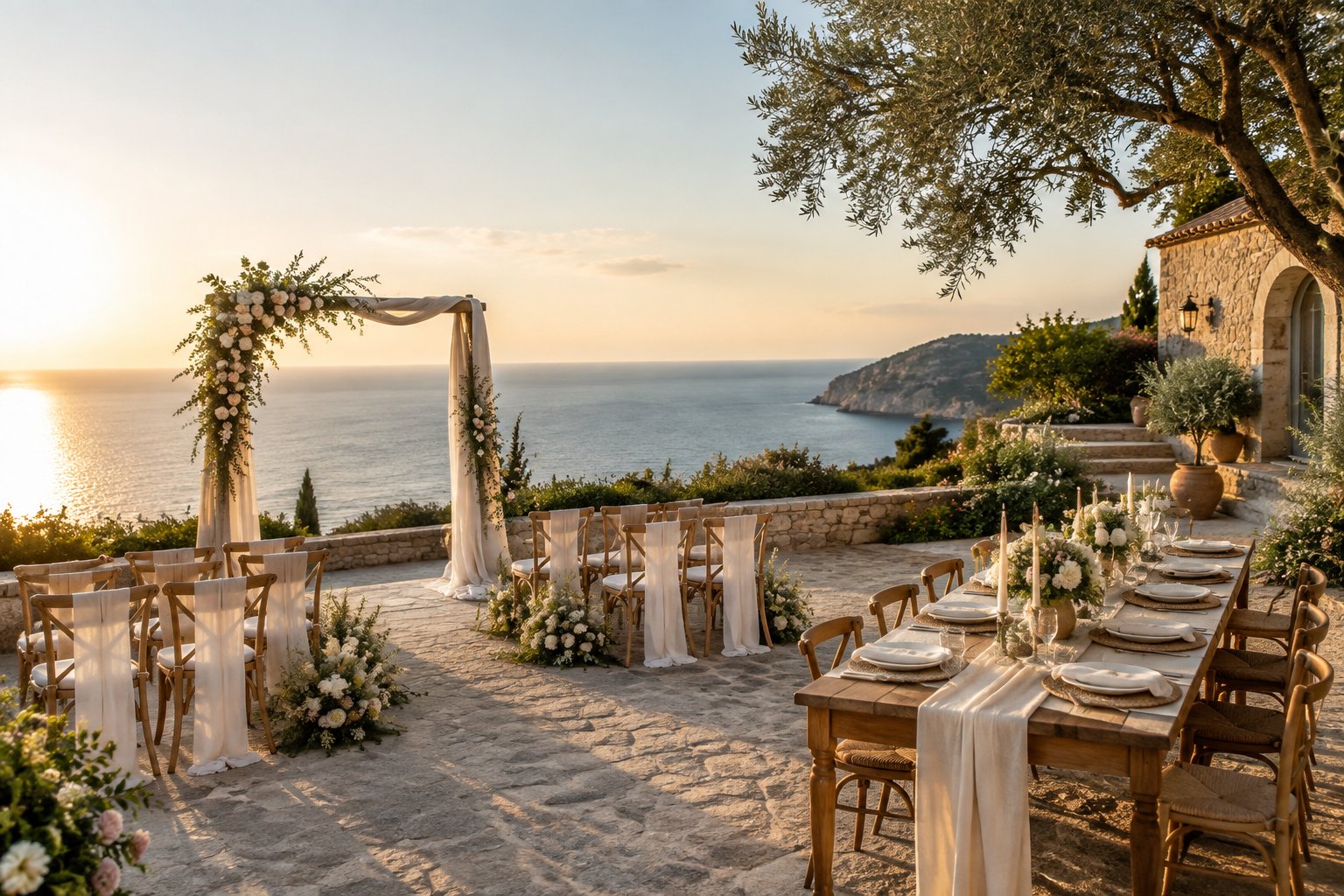
Coastal venues create a strong backdrop with panoramic ocean views, fresh air, and sunset portraits. They suit couples who want a calm, destination-style celebration with a short guest list and a clear connection to the landscape.
Check wind exposure, salt air, access paths, restrooms, and sound limits. Ask when the sun reaches the ceremony area and whether guests need to walk across sand, stairs, or uneven ground.
Courtyards, Gardens, and Olive Groves
Courtyards offer privacy and a natural gathering point for drinks, dinner, and dancing. Gardens bring color and texture, while olive groves create a simple Mediterranean setting that needs little extra decoration.
Confirm lighting after sunset, power access, pest control, restroom locations, and the surface under dining tables. A beautiful garden still needs enough space for catering staff, musicians, and guest movement.
Boutique Hotels and Barn Spaces
Boutique hotels offer guest rooms and event support in one property, which helps simplify a destination wedding weekend. A barn wedding venue brings timber, open space, and a relaxed country feel that you can refine with elegant furniture and lighting.
Compare how much design work each space needs. Luxury wedding venues with built-in character can reduce rental and décor costs, while a blank barn may require lighting, flooring, restrooms, climate control, and additional power.
Planning an Intimate Destination Wedding
An intimate destination wedding works best when the venue, guest logistics, legal plan, and weekend schedule are designed together. You should evaluate travel time, room options, local vendors, ceremony rules, and activities before you fall in love with the view.
Why Spain Works for Modern-Luxe Celebrations
Spain offers varied settings for destination weddings, from coastal estates and historic towns to vineyards and olive groves. You can build a modern-luxe celebration around local food, regional wine, warm evenings, and architecture with built-in character.
Ask your venue about the season, travel routes, accommodation, supplier access, and local sound rules. A planner who works in the area can help coordinate translations, contracts, transportation, and timing across several vendors.
Choosing Between Spain and Bordeaux
Spain suits couples who want broad regional choices and a mix of coastal, rural, and historic settings. Bordeaux appeals to couples drawn to wine-country estates, château architecture, refined dining, and a slower countryside atmosphere.
| Criterion | Spain | Bordeaux |
|---|---|---|
| Setting range | Coast, city, estate | Vineyards, châteaux |
| Design feel | Mediterranean, modern | French, classic |
| Wine focus | Regional variety | Bordeaux estates |
| Guest travel | Regional airports | Bordeaux airport |
| Best fit | Flexible destination style | Wine-led celebration |
Compare flight routes, transfer times, room blocks, and venue hire rules for your guest list. The prettiest location loses its appeal when guests face difficult travel or long transfers between lodging and events.
Making a Multi-Day Wedding Weekend Feel Effortless
Give each event a clear purpose and a comfortable pace. A welcome dinner can introduce local food, while a casual outing gives guests time to connect before the ceremony. Keep the wedding day focused on the ceremony, meal, music, and time together.
Share one guest document with travel details, hotel information, dress guidance, transportation times, and emergency contacts. Build in quiet periods so guests can rest, explore, or enjoy the property without a full schedule.
For a practical planning list, use this destination wedding checklist and confirm local marriage requirements with your planner and the relevant authorities.
How to Compare Shortlisted Properties
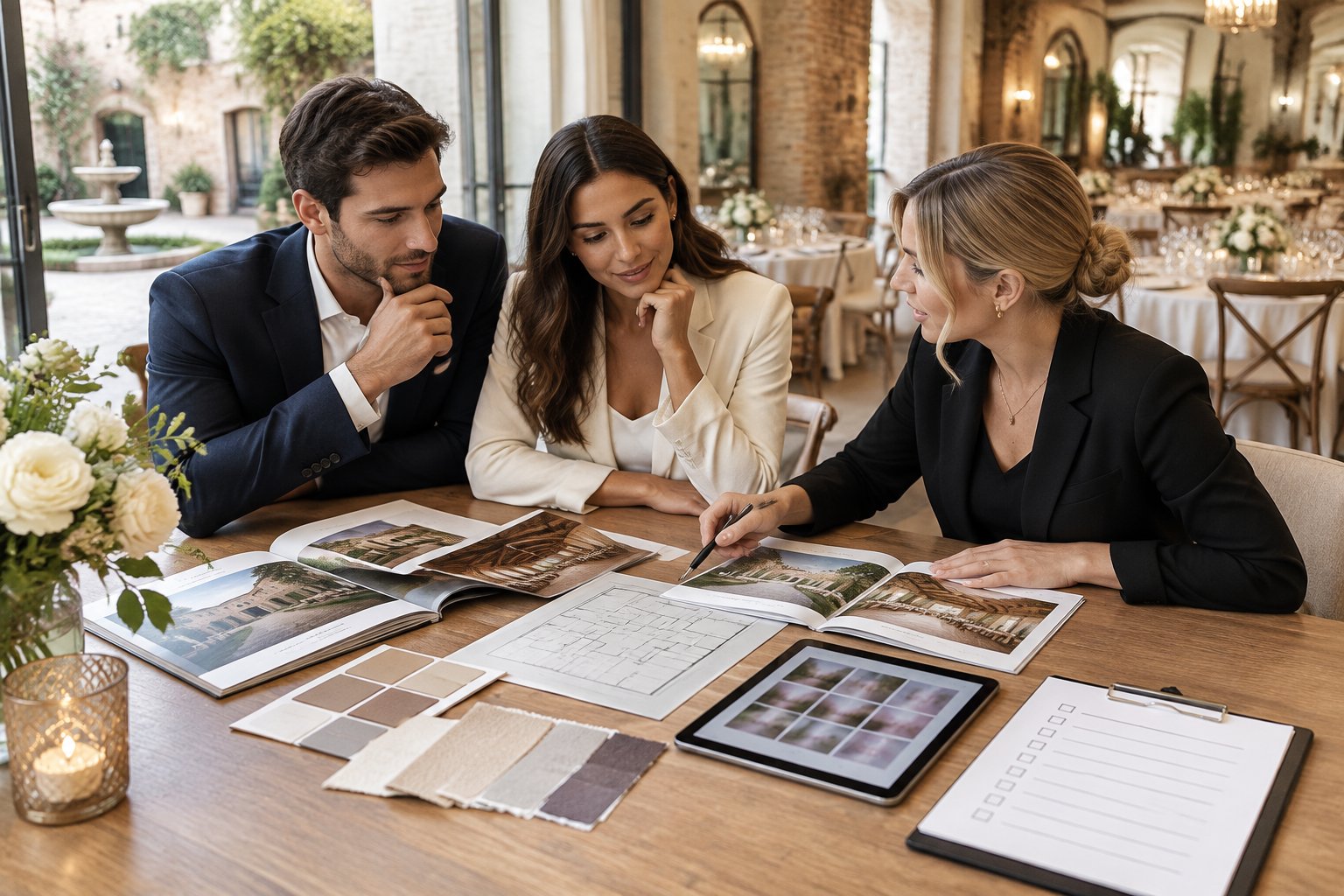
Compare shortlisted properties with the same scorecard, using guest comfort, total cost, flow, and contract terms as your main measures. A venue tour should answer practical questions about the ceremony, reception, staff, and plan for difficult weather.
Guest Capacity, Accommodation, and Accessibility
Use your realistic guest count, including children, vendors, and last-minute additions. Ask for seated dinner capacity, ceremony capacity, dance floor dimensions, and the maximum number of guests the venue can house.
Check nearby hotels, airport access, parking, shuttle routes, elevators, ramps, restroom locations, and walking distances. Ask whether older guests or anyone with mobility needs can reach every key area without stairs or steep paths.
Ceremony and Reception Flow for Outdoor Celebrations
Walk the day in order: guest arrival, ceremony, cocktails, dinner, speeches, dancing, and departure. Look for a clear route between spaces, shade for waiting guests, nearby restrooms, and a practical location for the bar.
Ask where vendors load in, where musicians set up, and where guests go during room changes. Outdoor ceremonies need an indoor plan that preserves comfort and keeps the schedule moving.
Vendor Rules, Weather Plans, and Curfews
Request the approved-vendor list and ask about outside caterers, alcohol, rentals, candles, décor installation, and insurance. Confirm setup access, cleanup duties, power supply, parking for vendors, and overtime rates.
A useful weather plan names the exact backup room, floor plan, furniture changes, and decision deadline. Ask about wind, heat, rain, and smoke conditions. Check music curfews, bar closing time, amplified sound rules, and teardown requirements before signing.
Questions to Ask Before Signing a Contract
Ask for written answers to these questions:
- What does the venue fee include?
- Which taxes, service fees, staffing costs, and rentals are added?
- What payment schedule and cancellation terms apply?
- Who is your venue contact during planning and on the wedding day?
- When can vendors arrive, and when must cleanup end?
- What happens if your guest count changes?
- Which spaces and amenities are private to your event?
- How is the weather plan activated?
- What insurance, permits, or security arrangements are required?
Keep the answers with your itemized quote and contract. This makes it easier to compare a private estate with a hotel or another luxury wedding venue.
Budgeting for a Small Luxury Celebration
A small luxury celebration gives you more control over where your budget goes, though a boutique venue still requires a full cost review. Guest count, date, location, catering model, rentals, accommodation, and planner support all shape the final number.
What Is Included in a Venue Hire Fee?
A venue hire fee might cover the property for a set time, while other spaces include tables, chairs, lighting, staffing, catering, or coordination. Request an itemized list before comparing prices.
Check these cost areas:
- Ceremony chairs and reception furniture
- Linens, glassware, tableware, and bar equipment
- Catering, staffing, and service charges
- Floral installation, lighting, sound, and power
- Setup, cleanup, security, parking, and overtime
- Heating, cooling, tenting, or weather equipment
A lower rental fee can require more outside rentals and labor. Compare the complete event estimate, not the venue fee by itself. These tips for designing a budget-friendly small wedding can help you place funds behind the guest experience.
Where Micro-Weddings Can Deliver More Value
Micro-weddings give you the chance to invest in the details that shape the day, such as a chef-led meal, better wine, custom stationery, upgraded photography coverage, or guest transportation. A smaller list also lets you consider properties with limited capacity and distinctive design.
Keep the guest count firm before requesting quotes. Each additional person affects food, drinks, rentals, staffing, seating, and transportation. Compare Friday, Sunday, and off-season dates if your schedule allows.
When a Planner Is Worth the Investment
A planner earns their fee when your event involves travel, multiple venues, a private estate, custom vendors, or a multi-day schedule. Destination celebrations also benefit from local knowledge about contracts, transportation, weather, language, and legal requirements.
Ask planners for examples of celebrations with a similar guest count and setting. Confirm what their fee includes, who manages vendor communication, and whether they coordinate setup and the wedding day itself.
Finding Inspiration Without Copying Someone Else’s Day
Use wedding inspiration to identify the elements you love, then translate those ideas through your venue, story, and guest experience. A strong wedding style comes from a few clear choices that work together across the celebration.
Using Editorial Features to Refine Your Vision
Editorial features from sources such as One Fab Day can help you spot recurring details in weddings that appeal to you. Save examples by category, including ceremony structure, tables, florals, lighting, attire, and stationery.
Review your saved images and mark the features that repeat. You might prefer candlelit dinners, sculptural florals, natural textures, or clean modern lines. Give your planner and creative team a short list of priorities instead of a large collection of unrelated references.
Turning Venue Architecture and Landscape Into a Design Direction
Let the property guide your palette, materials, and layout. A stone estate can support warm neutrals and layered candlelight, while an oceanfront setting may suit pale tones, natural fibers, and an open table plan.
Keep décor connected to the space. Frame a garden view, repeat a color from the architecture, or use local materials in the tablescape. For more ideas, explore these luxury wedding decoration ideas and adapt them to your venue’s scale.
Creating a Celebration Guests Will Remember
Guests remember how easy it felt to arrive, where they shared a meal, and how much time they had with you. Give them clear directions, comfortable seating, food that suits the setting, and a timeline with room to breathe.
Add personal details through music, ceremony wording, welcome notes, regional dishes, or a signature drink. Review each choice against your wedding style and the venue’s natural character before adding more décor.