
Bright Days Honeymoon Packages: Cerebral Palsy Travel
A honeymoon should give you time to rest, celebrate, and enjoy each other. If you are searching for bright days honeymoon packages cerebral palsy, start by matching your mobility, care, and energy needs with a provider that has the right travel model.
Bright Days Recreational Services has served people with developmental disabilities since 1999, offering safe, enjoyable group vacations with planned activities and transportation.
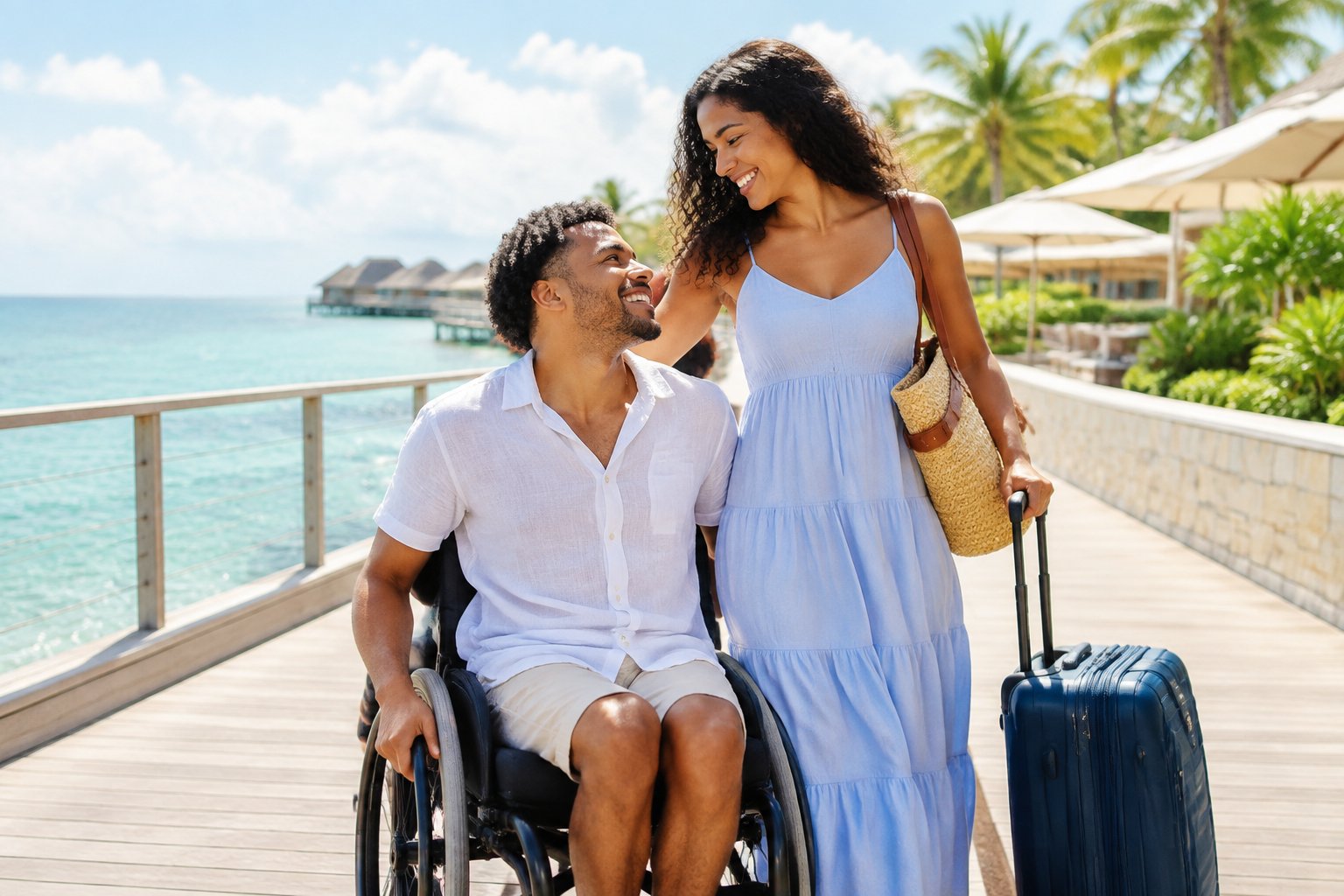
Bright Days may be a helpful resource for group recreation, while a honeymoon specialist or accessible travel advisor may better fit a private romantic trip. You can contact Bright Days Recreational Services at 413-529-0250 to ask about current trips and whether one suits your needs, then use the planning steps below to shape a honeymoon that feels comfortable and personal.
What Bright Days Offers—and What It Does Not
Bright Days Recreational Services provides organized vacations for people with developmental disabilities, while private honeymoon planning belongs with a provider that specializes in romantic travel and customized accessibility.
Bright Days Recreational Services for Developmental Disabilities
Bright Days has offered recreational services since 1999. Its trips are designed for people with developmental disabilities and small social groups, including senior, church, school, and community groups.
Activities, transportation, and schedules are arranged to support a safe and enjoyable vacation.
You can ask about destinations, activity levels, lodging, staff support, and current specials. Bright Days requires participants or contact persons to call 413-529-0250 to register.
New participants are screened before registration, and reservations require completed paperwork and a 50% deposit.
Why Its Staffed Van Vacations and Custom Bus Tours Are Not Honeymoon Packages
Staffed van vacations and custom bus tours serve group travel needs. They can provide structure, planned activities, and staff support for travelers who enjoy shared recreation.
A honeymoon calls for a different planning style, with privacy, flexible pacing, couple-focused experiences, and room features selected around your needs.
Bright Days can be worth considering when you want a supported group vacation after your wedding. For a private honeymoon, ask a travel advisor to arrange an accessible room, private transfers, suitable excursions, and romantic dining.
How to Find the Right Travel Provider for Your Needs
Ask each provider these questions before paying a deposit:
- Have you planned trips for travelers with cerebral palsy?
- How do you verify hotel room measurements and bathroom access?
- Can you arrange accessible airport transfers?
- Who helps if equipment is damaged or a transfer fails?
- What support is included in the price?
- What happens if your mobility or care needs change?
Choose Bright Days for a structured recreational group experience when its trip details match your needs. Choose a specialist advisor for a private honeymoon that requires detailed coordination across hotels, flights, transfers, and excursions.
How to Plan an Accessible Honeymoon With Cerebral Palsy
Accessible honeymoon planning works best when you build the trip around your energy, mobility equipment, personal care, and comfort needs before choosing a destination.
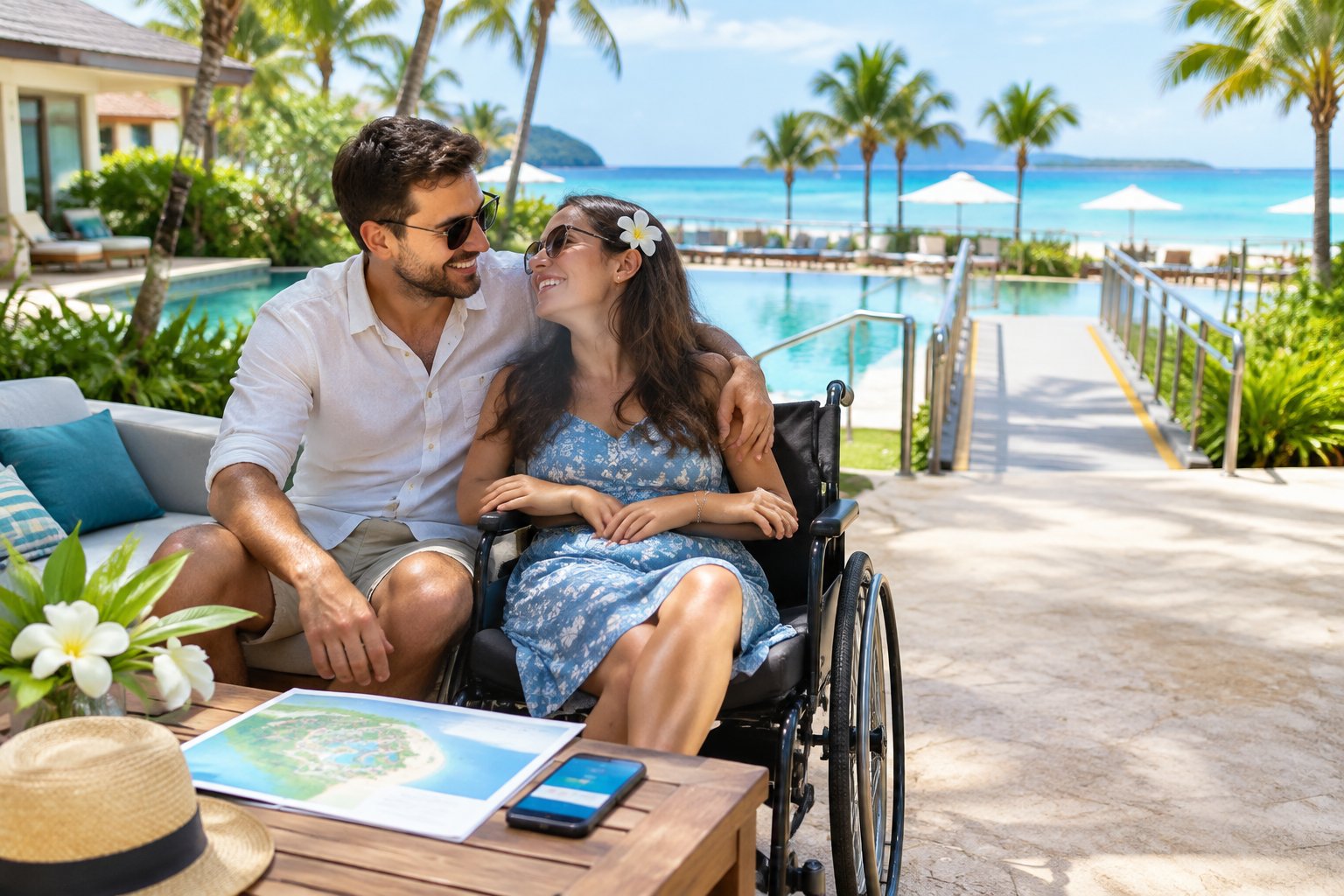
Traveling with cerebral palsy can involve extra planning for transfers, medication timing, fatigue, communication, and equipment. A clear plan gives you room to enjoy romantic getaways without filling every day with logistics.
Start With Your Mobility, Care, and Energy Needs
Write down what helps you travel comfortably. Include your wheelchair or walker, transfer method, seating needs, personal care support, medication schedule, communication preferences, and rest periods.
Record the measurements of your mobility equipment. Note the width, height, turning radius, battery type, and total weight.
Share this information with airlines, hotels, transportation companies, and tour operators.
Plan one major activity per day when fatigue or muscle tone makes long outings difficult. Leave open time for naps, stretching, meals, and changes in plans.
Ask Hotels Specific Accessibility Questions Before Booking
The phrase “accessible room” does not provide enough detail. Ask for measurements and photographs of the exact room when possible.
Confirm:
- Door width and entrance thresholds
- Bed height and clearance
- Bathroom doorway and turning space
- Roll-in shower dimensions
- Grab-bar locations
- Shower-chair availability
- Sink height and knee clearance
- Elevator access from the room to dining areas and pools
- Step-free routes to transportation and activities
Ask who will meet you at check-in and whether the accessible room is guaranteed. Save the name of the employee who confirms your requests.
Choose Accessible Transportation, Transfers, and Excursions
Request an accessible vehicle with a lift or ramp that fits your equipment. Confirm whether you will remain in your wheelchair during the ride or transfer into a vehicle seat.
For flights, request wheelchair assistance and boarding support when you book. For cruises, verify gangway access, accessible cabins, shore excursions, and tender-boat procedures.
Ask excursion companies about pavement, slopes, seating, restroom access, transfer support, and emergency plans. A private car and guide may provide more comfort than a large group tour.
Build Flexibility Into Your Itinerary
Schedule longer connection times and avoid back-to-back activities. Keep the first day light so you can recover from travel and learn the layout of your hotel.
Choose refundable or changeable reservations when the price fits your budget. Carry essential medication, documents, chargers, and backup supplies in your cabin bag.
If an attraction becomes tiring, replace it with room service, a scenic accessible route, a spa treatment, or quiet time by the water. Your romantic getaways should leave space for rest.
Which Honeymoon Destinations Work Best for Accessibility?
Destinations with verified accessible rooms, step-free routes, reliable transportation, and easy access to medical services create smoother unforgettable honeymoons.
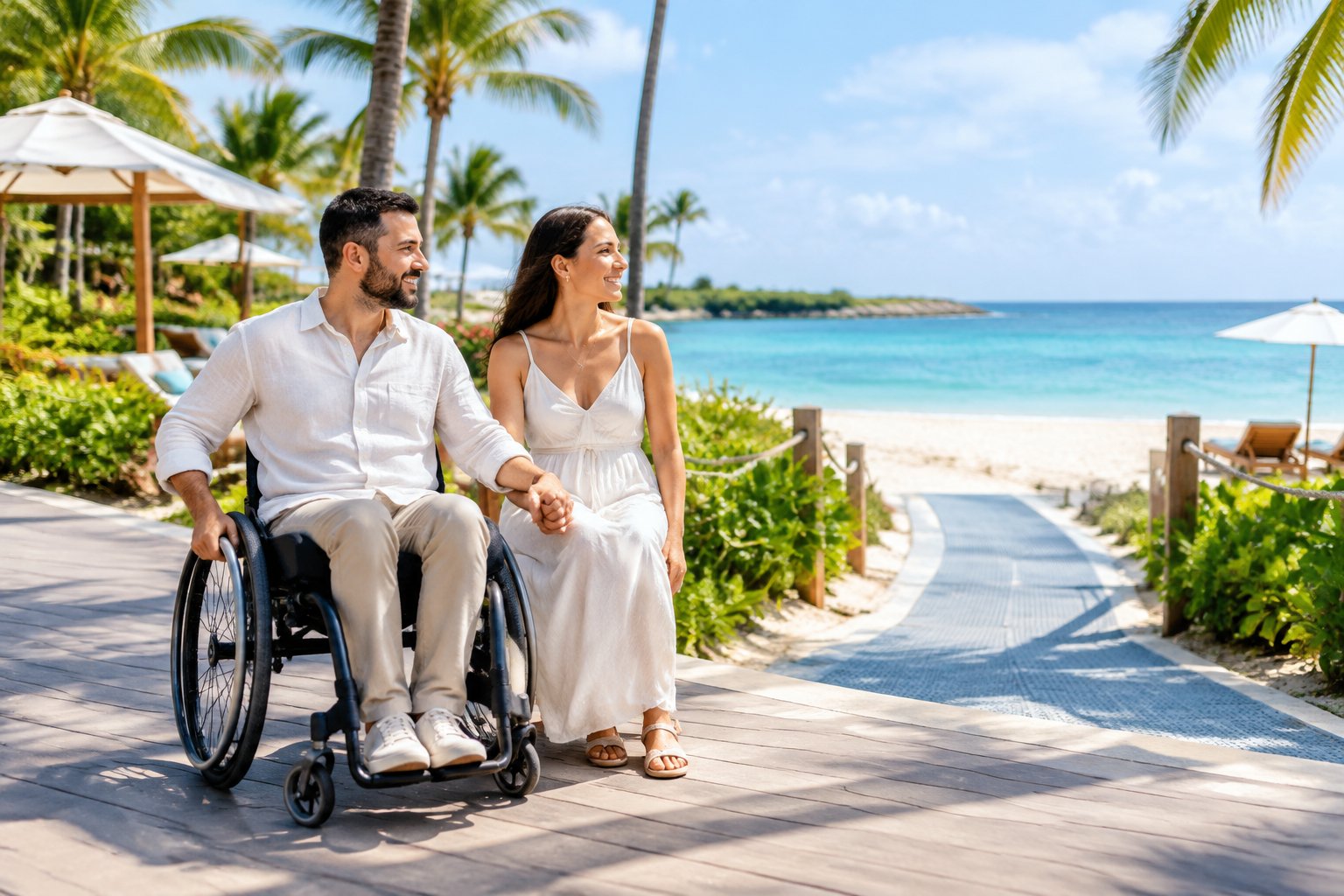
Destination choice should follow your access needs and preferred pace. Compare the full route from your home to your room, including airports, transfers, hotel grounds, restaurants, beaches, and excursions.
Maldives Resorts and Accessible Overwater Experiences
The Maldives offers private villas, calm water, and memorable beach settings. Accessibility varies by island, so ask each resort about airport transfers, jetty access, pathways, villa entrances, bathroom layouts, pool access, and boat excursions.
An overwater villa may involve steps, narrow paths, or a transfer from a boat. Request current photographs and a written access plan before booking.
A beach villa near dining and reception may reduce travel across uneven surfaces.
Plan for the long journey from the United States. Confirm how you will manage rest, medication, equipment, and airport transfers during the trip.
City Escapes With Step-Free Attractions
A city break gives you access to museums, restaurants, theaters, parks, and historic sites in one area. Look for hotels near accessible public transportation and attractions with published access details.
Check sidewalks, curb cuts, street slopes, elevator availability, and accessible restrooms. Contact museums and venues about entrance procedures, companion seating, quiet spaces, and wheelchair routes.
You can find ideas among these unique honeymoon destinations while checking each attraction individually.
Beach Resorts With Accessible Rooms and Pools
Beach resorts offer relaxation with fewer daily transfers when your room, dining, pool, and beach access are close together. Ask whether pathways use firm surfaces and whether the resort provides beach wheelchairs, pool lifts, accessible cabanas, and shaded rest areas.
Confirm that the accessible room has a usable shower and enough space for your equipment. Ask about transportation between the airport and resort, since a resort’s own shuttle may not accommodate every wheelchair.
Cruises as a Lower-Logistics Option for Couples
Cruises place your room, meals, entertainment, and many activities in one setting. Accessible cabins can include wider doors, turning space, roll-in showers, lowered fixtures, and grab bars.
Review the ship’s deck routes, pool lifts, theater seating, elevator locations, and shore excursion policies. Port transfers may include tender boats that create extra access challenges.
Contact the cruise line before booking and describe your equipment in detail.
A cruise can reduce hotel changes while still giving you several destinations. Sea days also provide built-in rest periods.
Accessible Travel Options Beyond a Traditional Honeymoon
Group and recreational travel can give you support, structure, and social connection when a private honeymoon is not your preferred format.
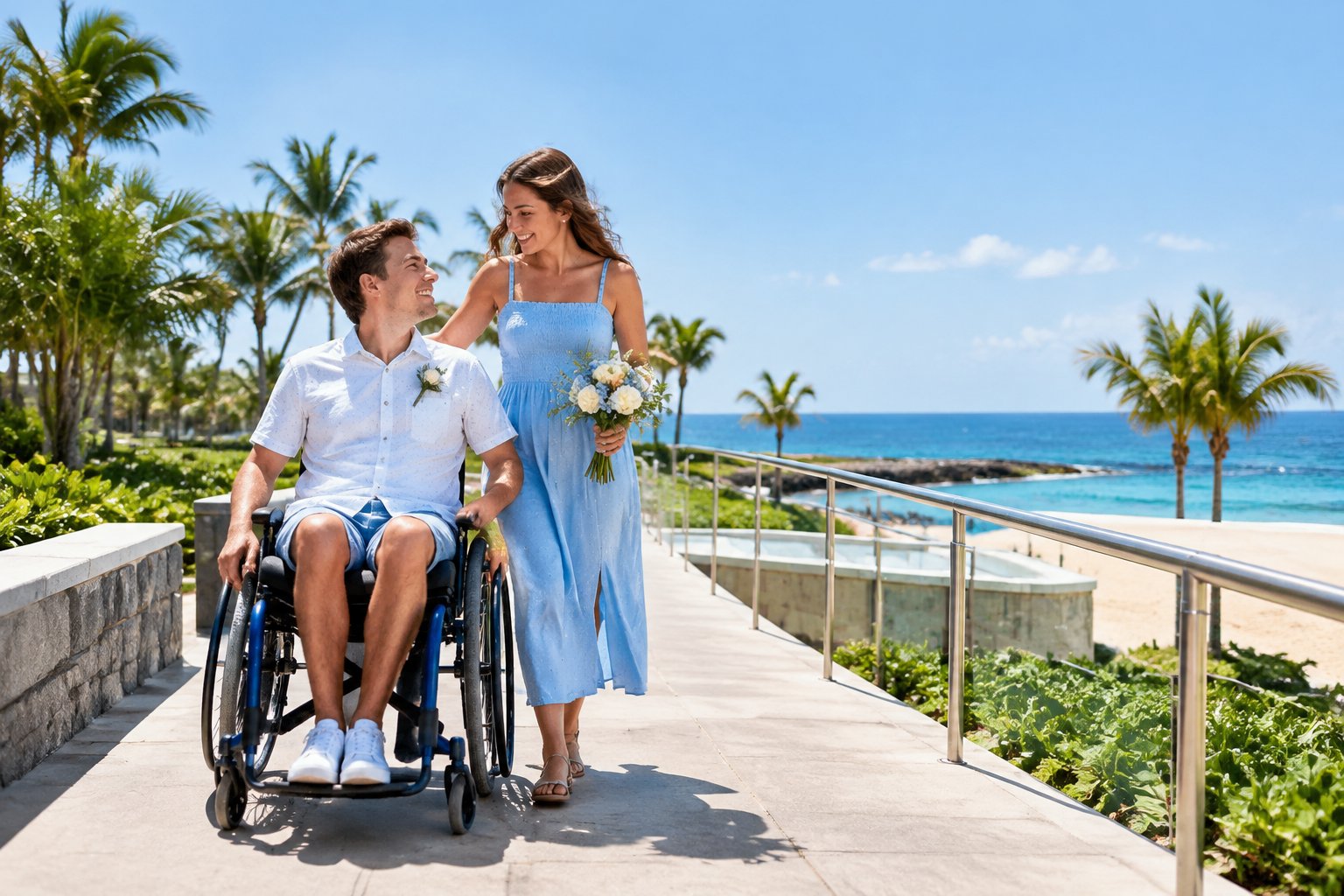
You can combine a private romantic trip with a later supported vacation. The right choice depends on your need for staff assistance, shared activities, flexible pacing, and personal space.
Chaperoned Vacations for People With Developmental Disabilities
Chaperoned vacations for people with developmental disabilities provide planned routes and trained trip leaders. Some providers arrange road trips, cruises, national park visits, city tours, sports events, and amusement park trips.
Ask how many staff members travel with the group, what personal support they provide, and whether couples share rooms. Review the daily schedule, mobility requirements, medication procedures, and emergency contacts before registering.
Bright Days focuses on safe and enjoyable vacations for people with developmental disabilities. Call 413-529-0250 to ask about current offerings and registration requirements.
Road Trips With Mobility and Sensory Breaks
Road trips offer control over your pace and luggage. Choose an accessible vehicle, map rest stops, and identify hotels with roll-in showers before departure.
Plan breaks at regular intervals. Carry snacks, water, medication, chargers, cushions, and backup mobility supplies within easy reach.
Check whether each stop has accessible parking, restrooms, smooth paths, and quiet areas.
A shorter route with fewer hotel changes may provide more energy for sightseeing and time together.
Amusement Parks and Special-Needs Planning
Amusement parks can provide accessible attractions, reserved seating, quiet areas, companion policies, and an access pass for eligible guests. Policies differ by park, so review the current rules before arrival.
Ask about ride-transfer requirements, wheelchair storage, accessible queues, sensory supports, show seating, and accessible transportation inside the park. Bring a medical or mobility information card if staff need help understanding your requirements.
Schedule breaks away from crowded areas and select attractions that fit your comfort level.
When Group Recreational Services Are the Better Fit
Group recreational services suit you when staff support, planned transportation, and social activities reduce travel stress. They also help when you want a destination experience without coordinating every reservation yourself.
Review the provider’s screening process, deposits, cancellation rules, room arrangements, staffing, and assistance limits. Bright Days requires screening for new participants and confirms reservations after receiving paperwork and a 50% deposit.
A group trip can be a valuable post-wedding celebration or a supported vacation for one partner while you plan a separate private honeymoon.
How to Navigate Flights, Security, and Airport Support
Early airline coordination, TSA Cares, and careful equipment planning make airport travel more predictable for wheelchair users.
Airlines provide disability-related assistance under the Air Carrier Access Act. Request services when you book and contact the airline before departure to confirm wheelchair handling, boarding help, seating, and connection support.
When to Contact TSA Cares
Contact TSA Cares at 1-855-787-2227 about 72 hours before your flight when you want guidance about screening procedures or checkpoint support. TSA Cares can coordinate with a TSA Customer Service Manager and help arrange contact with a passenger support specialist.
TSA Cares does not replace your airline’s wheelchair or airport escort request. Submit both requests and save confirmation numbers.
Tell the TSA representative about mobility equipment, medication, communication needs, positioning concerns, and any assistance you need during screening.
What a Passenger Support Specialist Can Help With
A passenger support specialist can explain screening steps, coordinate with checkpoint staff, and help you communicate your needs. You can request guidance for screening a wheelchair, walker, communication device, medical supplies, or other equipment.
Arrive with extra time for screening and gate changes. Tell TSA staff how to move your equipment safely and explain any areas that cause pain or loss of balance.
Airline personnel handle boarding, transfers, baggage, and wheelchair delivery. Keep those requests separate from TSA screening support.
Protecting Wheelchairs, Medication, and Essential Equipment
Label your wheelchair, cushions, charger, communication devices, and bags with your name and phone number. Photograph your equipment before leaving home and carry instructions for batteries, controls, folding parts, and safe handling.
Pack medication, medical supplies, vital documents, chargers, and a change of clothes in your carry-on bag. Keep medication in original labeled containers and declare medically necessary liquids or supplies during screening.
Ask the airline how it will handle your wheelchair at the gate and when it will be returned after landing. Report damage before leaving the airport and request written documentation.
Choosing a Specialist Travel Advisor or Tour Provider
A specialist travel advisor adds value when your honeymoon involves several accessibility details that need coordination across airlines, hotels, transfers, cruises, and excursions.
A provider that understands romantic travel can also arrange private dining, room celebrations, accessible transportation, and pacing that suits you. Look for experience with travelers who have cerebral palsy and ask for specific examples of accessibility planning.
Questions to Ask About Accessibility Experience
Ask these questions during your first consultation:
- How many accessible honeymoons have you planned?
- Do you work with wheelchair users and travelers with cerebral palsy?
- Who verifies room measurements and transportation equipment?
- Can you arrange accessible airport transfers?
- How do you handle medication, mobility devices, and damaged equipment?
- Will you provide written confirmations for accessibility requests?
- Who is available during the trip if a supplier changes plans?
Request a sample itinerary that includes travel time, rest periods, accessible routes, and backup activities.
How to Compare Support, Insurance, and Cancellation Terms
Read every supplier’s terms before paying. Check deposit dates, final-payment deadlines, cancellation charges, refund rules, change fees, medical exclusions, and coverage for mobility equipment.
Travel insurance policies differ widely. Ask whether a policy covers preexisting conditions, trip interruption, emergency medical care, evacuation, missed connections, and equipment damage. Request answers in writing.
Compare the advisor’s planning fee with the work included. A lower fee may cover booking only, while a higher fee may include accessibility checks, supplier calls, documents, and support during travel.
When a Honeymoon Specialist Adds Value
A honeymoon specialist helps when you want a private romantic itinerary with several moving parts. That may include a long-haul flight, an accessible resort, a cruise connection, private transfers, special meals, and accessible excursions.
Unforgettable Honeymoons offers personalized honeymoon planning and has more than 31 years in business. An A+ BBB-rated agency with experience in romantic getaways may also provide useful destination and supplier guidance, provided it can answer your accessibility questions in detail.
Choose a provider that documents each request, explains what suppliers have confirmed, and gives you a clear contact plan for travel days.