
Can a Bride Wear White if She Is Not a Virgin? Exploring Modern Wedding Traditions
Weddings are personal celebrations of love and commitment, and the choice of attire can reflect that uniqueness. Many people often wonder about the tradition of brides wearing white and if that tradition still holds true today. You can absolutely wear a white wedding dress, regardless of your past.
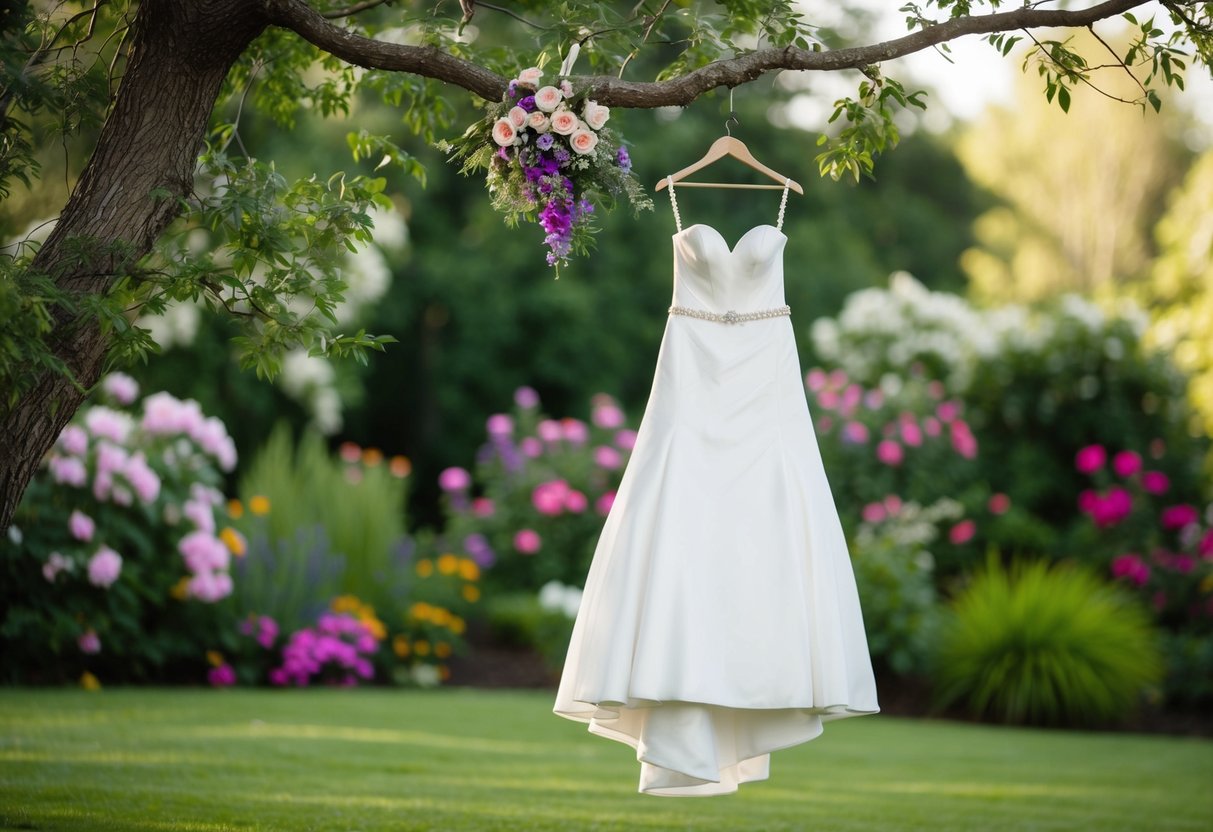
The color white has long been associated with purity, but its meaning has evolved. Today, brides of all backgrounds and experiences choose white to symbolize joy, new beginnings, and the promise of marriage.
It’s a personal decision, and your wedding dress should represent who you are and the love you feel as you enter this new chapter.
So if you’ve experienced life a bit more fully, don’t let tradition hold you back. You have every right to wear white on your special day. Embrace your choice and celebrate your love, knowing that what matters most is the commitment you’re making.
The Evolution of Wedding Dress Traditions
Wedding dress traditions have changed over time, reflecting culture, values, and individual choices.
In this section, you’ll explore the importance of the white wedding dress and Queen Victoria‘s role in shaping this iconic symbol.
The Significance of White
Wearing white on your wedding day has deep roots in tradition. The color white is often associated with purity and innocence. For many brides, it symbolizes a fresh start in their lives while celebrating their love.
Historically, brides wore a variety of colors before the 19th century. As trends evolved, the white wedding dress became more popular.
This shift started to represent not just purity but also a status symbol among wealthy families.
Today, many brides still choose white dresses, but it’s important to remember that wearing white isn’t limited to those who are virgins. The choice of dress color can reflect personal meaning, cultural values, or simply your style.
Queen Victoria’s Influence
Queen Victoria greatly impacted the wedding dress tradition when she married Prince Albert in 1840. She chose to wear a white dress made of silk satin, breaking away from the norm of colorful gowns.
Her choice highlighted how a white wedding dress could be both fashionable and meaningful. After her wedding, many brides began to emulate her style, making white the preferred color for weddings.
Queen Victoria’s influence helped establish the white wedding dress as a tradition that remains strong today. Even though preferences continue to evolve, her impact is still felt in modern wedding attire selections.
By understanding this history, you can appreciate the significance behind the dress you choose for your special day, no matter the color.
Cultural Perceptions and Modern Trends
When it comes to bridal wear, cultural perceptions are evolving. You may wonder how the meanings of colors and attitudes towards marriage influence the choice of wearing white, especially if you are not a virgin.
Color Symbolism in Bridal Wear
Traditionally, white gowns symbolize purity and innocence. This idea has roots in cultural beliefs about sex and marriage. Many believe that wearing a white dress signifies a new beginning or a “new creation” in oneself.
However, as views about sin and shame change, so does the symbolism of color.
Brides now embrace a variety of colors, including blue gowns and other shades. This shift reflects a broader acceptance of individual stories and experiences.
The choice of a white dress today can still hold joy and grace, celebrating love without strict adherence to old norms.
Shifting Attitudes Towards Marriage
Modern attitudes towards marriage have shifted significantly. In the past, you might have felt pressure to wear white due to the implications of purity.
Thankfully, many now view weddings as personal celebrations that reflect love in its diversity.
Brides of all backgrounds choose what resonates with their journey, regardless of sexual history.
Given this shift, wearing white is no longer tied solely to past beliefs about virginity. Instead, it can symbolize joy and commitment, emphasizing love and connection above all else.
This trend highlights a celebration of unique stories in every couple’s journey.
Choosing Your Wedding Dress
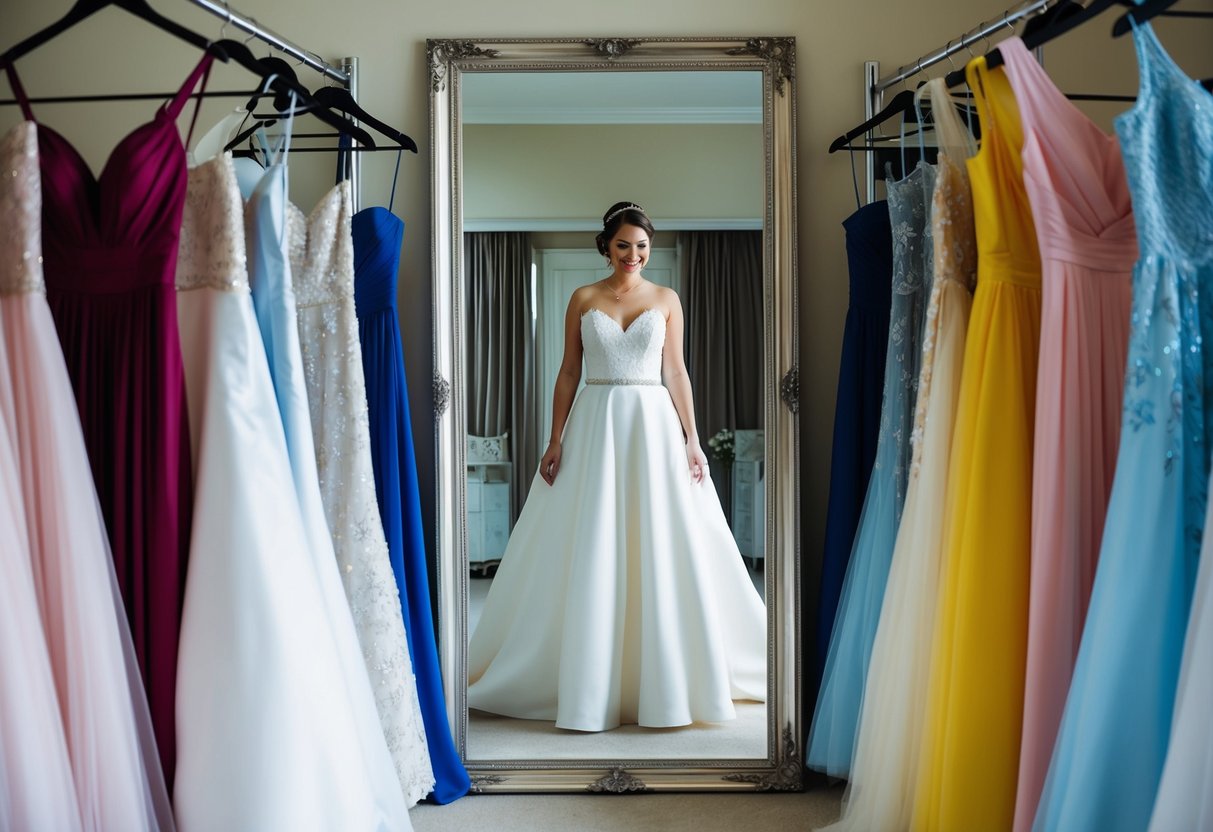
Finding the perfect wedding dress is an exciting journey. You want to reflect your personal style and be comfortable while considering the venue and your wedding guests.
Reflecting Personal Style and Comfort
Your wedding dress should be a true reflection of who you are. Whether you choose a classic white gown or a colorful alternative, prioritize what makes you feel confident.
Consider styles that suit your body shape. A-line dresses are flattering for many figures, while fitted styles can show off your curves.
Materials play a big role too. Lace can add elegance, while satin is often soft and flowing. Comfort is key since you’ll wear this dress for hours.
Think about how you’ll feel when walking down the aisle. If wearing white feels right for you, embrace that choice. Remember, it’s your day, and your happiness matters most.
Considering the Venue and Audience
The location of your wedding can influence your dress choice significantly. If you plan to marry in a church, a more traditional white gown may fit nicely.
Outdoor weddings can allow for more casual or colorful dresses. Think about fabrics that suit the weather too. For example, lighter materials work well for warm days, and more layered options are better for cooler settings.
You should also consider your wedding guests. Their expectations can help guide your decisions, but remember it’s ultimately about you.
Wearing white, regardless of your past, can be a beautiful statement. Whatever you choose, make sure it aligns with your vision for the day, creating lasting memories for you and your guests.