
Can a Brother Give His Sister Away at a Wedding? Exploring Tradition and Family Roles
Weddings today celebrate personal choices and family connections more than ever. Many couples make unique decisions that reflect their relationships and values. Yes, a brother can absolutely give his sister away at her wedding, and it can be a deeply meaningful choice that honors their bond.

In modern wedding planning, including a brother in this special role can showcase family dynamics and the support siblings provide. This choice highlights the importance of personal values and the unique stories behind each couple.
Whether your brother has been your rock or you share a close friendship, having him walk you down the aisle can add a special touch to your ceremony.
Choosing who gives you away is all about what feels right for you. Embrace the chance to include those who mean the most and make your wedding day truly your own.
Understanding the Tradition of Giving Away the Bride
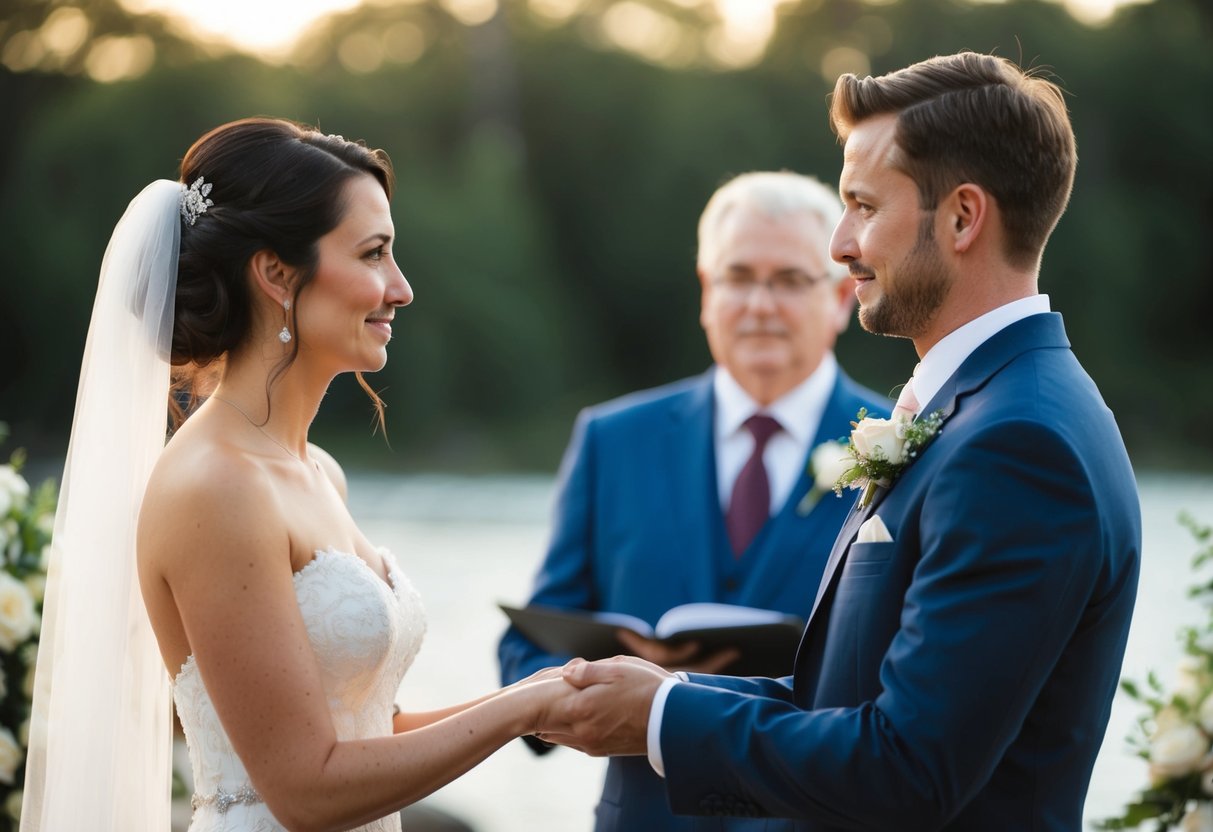
The tradition of giving away the bride has deep roots and various meanings across cultures. You might be curious about how this practice has changed over time and what it looks like in different cultures.
Historical Context and Evolution
The act of giving away the bride dates back to ancient times. Originally, it was a way to symbolize the transfer of responsibility from the bride’s family to the groom’s family. This practice often involved a form of dowry, which was property or money given to the groom’s family as part of the marriage arrangement.
Traditionally, the father of the bride would perform this role, highlighting the father-daughter bond. However, in modern ceremonies, other family members, such as brothers or uncles, can also take on this responsibility. This evolution reflects changing social norms and greater equality in relationships.
Cultural Variations in Wedding Traditions
Different cultures have unique takes on who gives the bride away. In some societies, the bride’s family plays an active role in the ceremony, whereas, in others, it may be seen as less important.
For example, in certain cultures, a brother may give his sister away if their father is not present. This is a way to honor family ties and ensure that the bride feels supported. Other variations might involve a symbolic gesture during the ceremony, such as the bride’s parents walking her down the aisle together. Understanding these cultural differences helps you appreciate the diverse elements that make each wedding special.
Roles of Family Members in Weddings
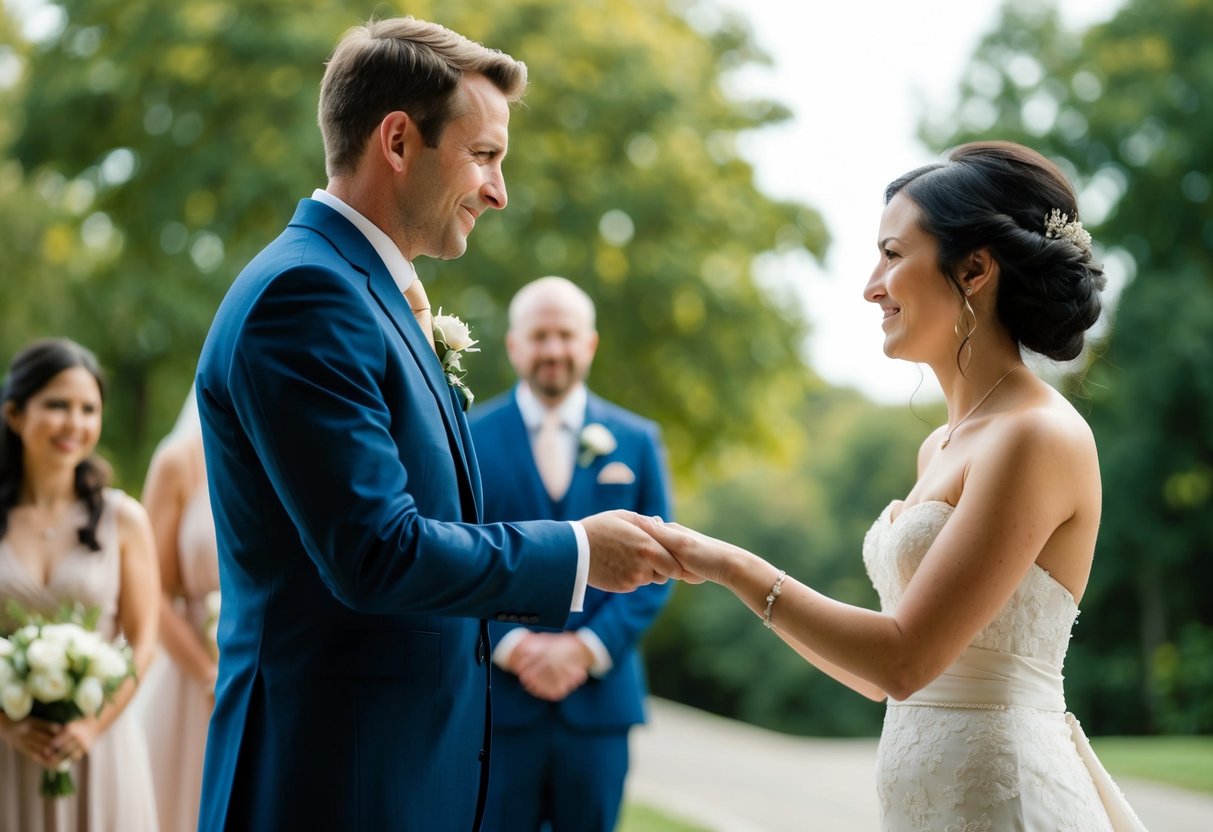
Family members play important roles in weddings, often symbolizing love and support. Each individual, whether they are immediate family or extended family like grandparents, can add a special touch to the ceremony. Here are some key roles they may fulfill.
The Significance of the Father Figure
In many cultures, a father figure traditionally gives the bride away. This role signifies the protection and support he has provided throughout her life. It could be her father, stepfather, or even an older brother who fulfills this responsibility.
The choice often reflects emotional ties rather than strict tradition. Many brides might feel closer to their stepfather or an uncle. If you choose someone other than your father, it highlights your unique relationship.
This act of giving away also marks a new chapter in life. It symbolizes your transition from childhood to marriage. It’s a moment loaded with affection and sentiment.
Mother and Stepparent Involvement
Mothers and stepparents play vital roles too, contributing emotional warmth to the ceremony. The mother’s presence often showcases the nurturing side of family. She may help with planning and express her happiness during the wedding.
If your stepmother is in your life, including her can strengthen family bonds. She can participate in pre-wedding traditions, like a bridal shower. Your mother can also share a special moment at the ceremony, highlighting her love and support.
Extended Family and Grandparents
Extended family members, including grandparents, can offer wisdom and support. Their presence can ground your ceremony in family history and love. Grandparents often enjoy a special seat at the wedding, showcasing their importance in your life.
Involving them means sharing traditions that may have been passed down. This could include readings or roles like giving a toast. The blessings from grandparents can add significant meaning to the day.
Including extended family also creates a sense of unity. It reminds everyone of the collective love and support surrounding you as you start this new journey. Your wedding can reflect the bonds you share with both immediate and extended family.
Modern Interpretations and Variations
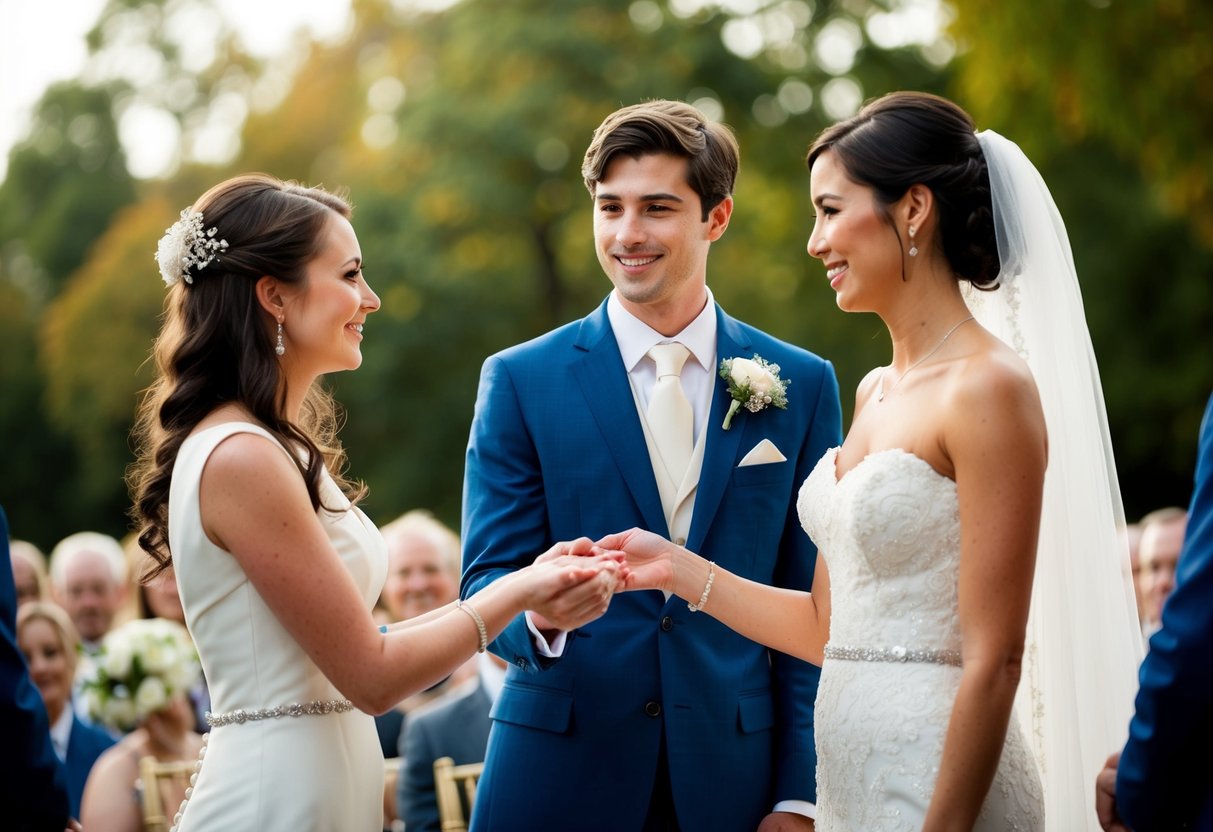
Recent trends have expanded the traditional idea of who can give the bride away at weddings. Today, siblings, LGBTQ couples, and unique alternatives to the typical processional are gaining popularity. These changes reflect the evolving nature of relationships and personal preferences in modern ceremonies.
Siblings Giving Away the Bride
Having a brother give his sister away is a heartfelt choice for many modern brides. This shift emphasizes the bond between siblings. It showcases their support and love as she enters this new chapter.
In situations where a father is absent or the relationship is strained, a brother can step in. This reflects the growing acceptance of diverse family structures. Many couples appreciate this option, as it symbolizes a strong family connection during the wedding ceremony.
LGBTQ Couples and Wedding Traditions
For LGBTQ couples, traditional wedding roles often transform into something more personal and meaningful. Many same-sex couples opt for alternative interpretations of the processional. Instead of a singular figure, multiple people can walk down the aisle with them.
This could include parents, siblings, or close friends, celebrating the couple’s love and support network. Importantly, no one person needs to give them away. The focus shifts to unity rather than following conventional norms, making the ceremony a true reflection of their relationship.
Alternatives to the Traditional Processional
Modern weddings often incorporate unique alternatives to the traditional giving away of the bride. Many couples choose to walk down the aisle together, symbolizing equality and partnership.
You might also see options like having both parents escort the bride. Others may opt for a friend or mentor to provide support. These variations allow your ceremony to highlight the relationships that matter most to you, creating a more personal experience.
Planning the Ceremony Processional
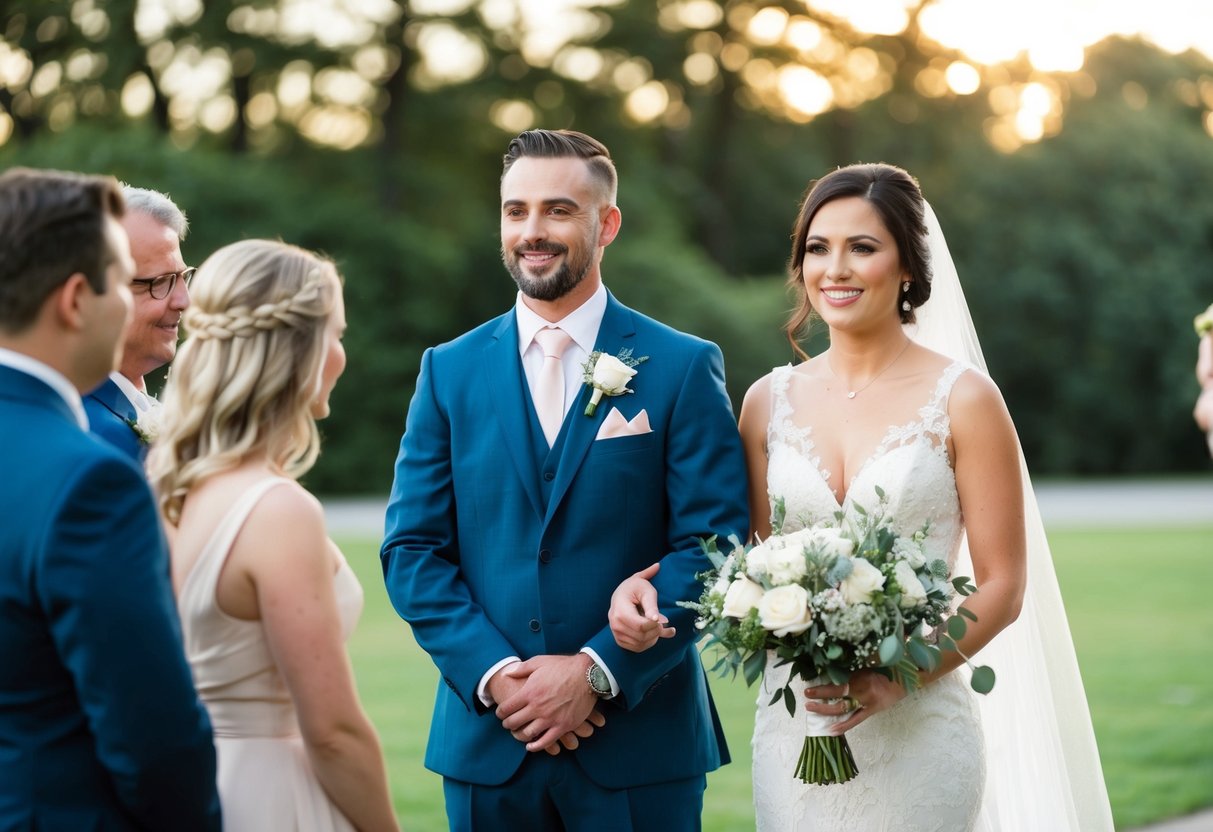
It’s important to arrange the ceremony processional thoughtfully. This part of the wedding sets the tone for the day and involves various elements, including who will walk down the aisle and how. You can customize it to reflect your personality and family dynamics.
Involving a Wedding Planner
A wedding planner can simplify the process of planning your ceremony processional. They have experience and can offer valuable advice based on what has worked for previous weddings.
Your planner can help you outline key roles, like who will escort you and your bridal party. They can also suggest a suitable order for the processional. If you want your brother to give you away, the planner will ensure this moment feels special. They can also coordinate with vendors, making sure everyone knows where to be.
Creating a Personalized Ceremony
Creating a personalized ceremony involves including meaningful touches that tell your story. Start by deciding who will take part in your processional. A close relative, like your brother or stepdad, can walk you down the aisle, making it a personal experience.
Consider the order of the procession as well. You might have family members walk first, then the wedding party, followed by yourself and your brother. This setup adds emotional weight to your entrance.
Think about incorporating special music or personal vows that reflect your journey together. All these details create a unique ceremony that represents you both.