
Can a Celebrant Do a Funeral? Understanding Their Role in Celebrating Lives
When planning a funeral, you might wonder about the role of a celebrant. A funeral celebrant can certainly lead a funeral service or memorial, offering a personal touch to honor your loved one. They specialize in creating meaningful ceremonies that reflect the unique life and personality of the person being remembered.
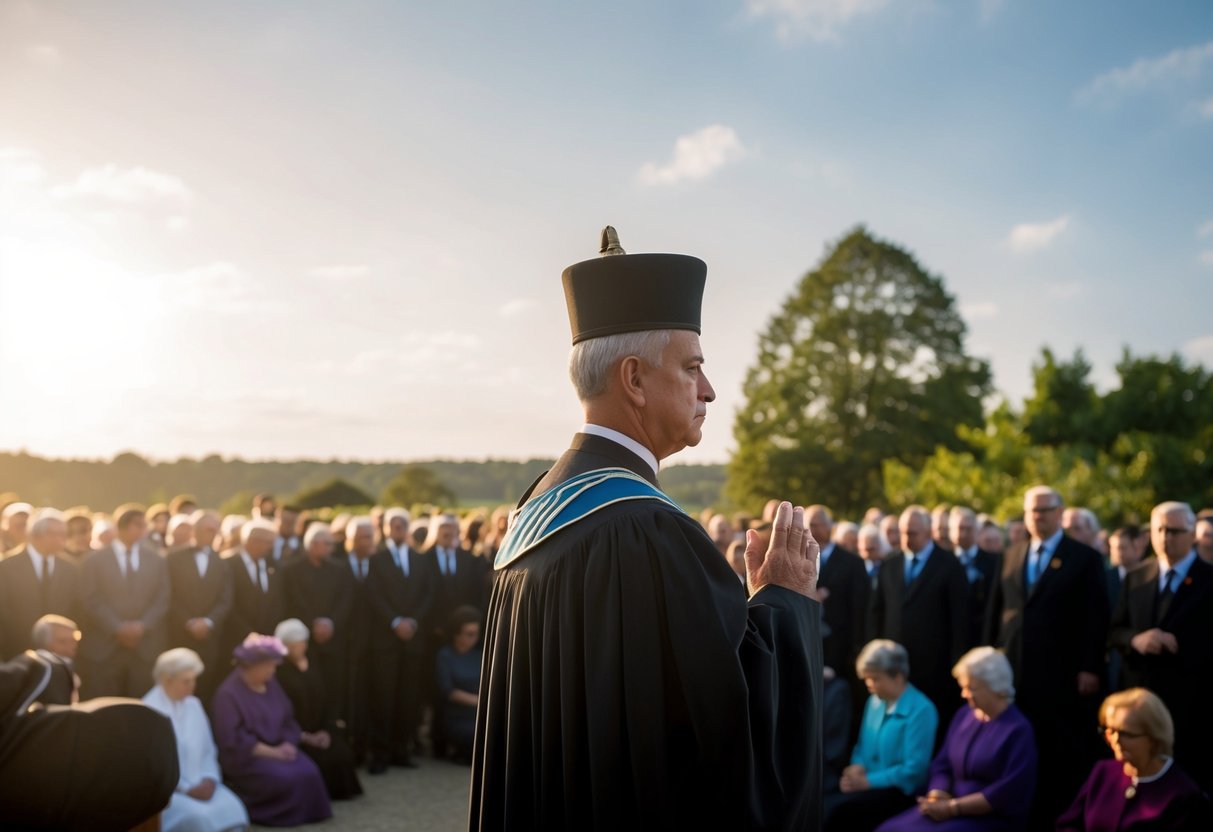
You have the option to choose a civil or religious celebrant based on what feels right for you and your family. Whether it’s a traditional funeral service or a more modern celebration of life, celebrants can incorporate elements that resonate with you. This flexibility allows for a more tailored experience during a difficult time.
Using a celebrant can ease the pressure of planning a service. They guide you through the process and help you focus on what truly matters—celebrating the life of your loved one in a way that feels genuine and heartfelt.
Understanding the Role of a Celebrant
Celebrants play an important role in guiding families through the process of creating meaningful memorial services. They provide support, flexibility, and personal touches that reflect the unique life of the deceased.
What Does a Celebrant Do?
A funeral celebrant is a professional who conducts memorial services and funerals. They help in planning and leading ceremonies that honor the deceased’s life. This can include writing a heartfelt tribute, personalizing the service, and incorporating rituals that reflect the deceased’s beliefs and values.
Celebrants often meet with families to understand their wishes. They can assist with logistics, such as music selections, readings, and speeches. Many funeral celebrants are trained and may have completed certification programs to ensure they provide meaningful support. They are not tied to any specific religion, making them versatile for any type of service.
The Difference Between Celebrants and Clergy
While both celebrants and clergy can officiate funerals, there are key differences. Clergy members typically belong to a specific religious group and may conduct services based on tradition. Their approach often involves spiritual elements aligned with their faith.
In contrast, celebrants are flexible and can tailor services to focus on the deceased’s unique personality. They can integrate various beliefs and practices into the ceremony, making it more inclusive. Both play important roles, but celebrants tend to concentrate on crafting a personal and heartfelt experience that resonates with the family and attendees.
Planning a Meaningful Funeral with a Celebrant
When planning a funeral, you want it to reflect the life and values of your loved one. A celebrant can help shape a unique and heartfelt service, tailored to your needs. Let’s explore how to organize the details effectively.
The Process of Organising a Funeral
To begin, you’ll want to meet with a celebrant who specializes in funeral services. This initial discussion allows you to share your loved one’s story and any specific wishes you have.
You may also coordinate with a funeral director to handle logistics like the venue and burial or cremation arrangements. They can help you understand the order of service, which outlines the flow of the ceremony.
It’s essential to focus on elements that resonate, such as music, photos, and personal touches that honor who they were. Your celebrant will work with you to ensure everything aligns with your vision for the day.
Crafting a Personalized Eulogy
A eulogy is a chance to celebrate and remember your loved one. Your celebrant will assist you in crafting a personalized eulogy that captures their essence.
Start by gathering memories—stories, achievements, and qualities that define them. This can be a collaborative effort, involving family and friends.
The celebrant can guide you in structuring your thoughts into a heartfelt narrative. Having a meaningful tribute will help attendees connect and reflect during the funeral service.
Selecting Funeral Poems and Readings
Choosing the right poems and readings can enhance the emotional depth of the service. Your celebrant can suggest appropriate options based on your loved one’s preferences and beliefs.
Consider poems that resonate with their life experiences or values. For example, you might choose a poem about love, loss, or nature.
Incorporating personal readings, such as letters or quotes, can also add a unique touch. Discuss your ideas with the celebrant to weave these elements seamlessly into the ceremony. This attention to detail makes the funeral service all the more special.
Types of Funeral Services and Celebrants
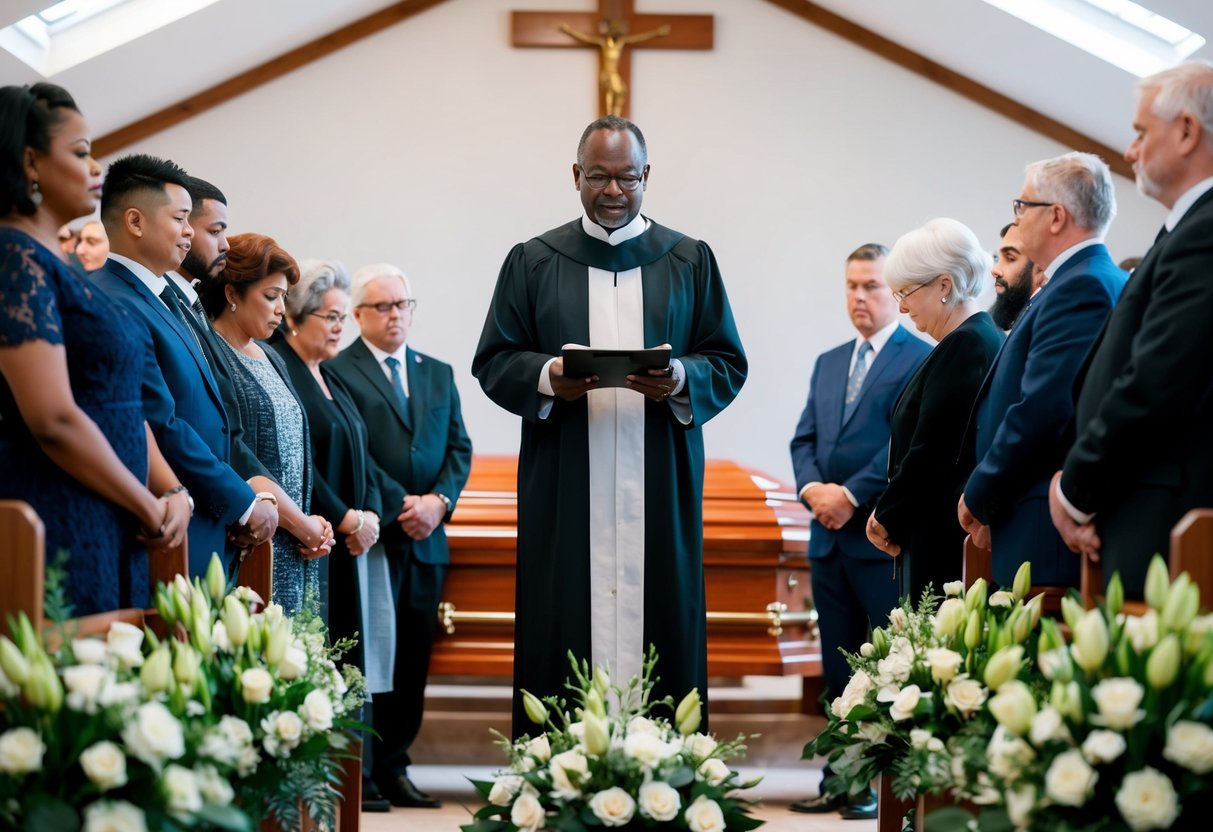
When planning a funeral, you may consider various types of services and the role of different celebrants. Understanding the differences between religious and non-religious funerals, as well as the types of celebrants available, can help you make the right choice.
Religious vs. Non-Religious Funerals
Religious funerals often include ceremonies tied to particular beliefs or practices. For example, Christian funerals may involve prayer, hymns, and readings from the Bible. In these cases, a clergy member typically leads the service, providing spiritual guidance to the grieving family.
On the other hand, non-religious funerals focus on celebrating the individual’s life without religious elements. These services may take place in various settings, such as a community center or a park. A celebrant, who can be either a humanist or a civil celebrant, leads these ceremonies, often sharing stories and memories that reflect the person’s unique life experiences.
Humanist Celebrants and Civil Funeral Celebrants
Humanist celebrants focus on secular values and beliefs. They often emphasize compassion, human rights, and personal stories during the service. This approach can create a heartfelt and meaningful celebration of life without religious references. Humanist celebrants aim to honor the deceased in a way that resonates with family and friends.
Civil funeral celebrants, while similar, may be more flexible and open to incorporating a wider variety of elements, such as poetry or music. They can tailor the service to reflect an individual’s personality and wishes. Working with either type of celebrant, you can create a personalized memorial service that truly honors the deceased.