
Can a Celebrant Legally Marry You in Scotland? Understanding the Legalities and Process
Choosing a celebrant for your wedding in Scotland can be an exciting part of planning your special day. In Scotland, only certain celebrants have the legal authority to conduct marriage ceremonies that are recognized by law. This means you must know which types of celebrants can officiate your wedding to ensure that your ceremony is legally binding.
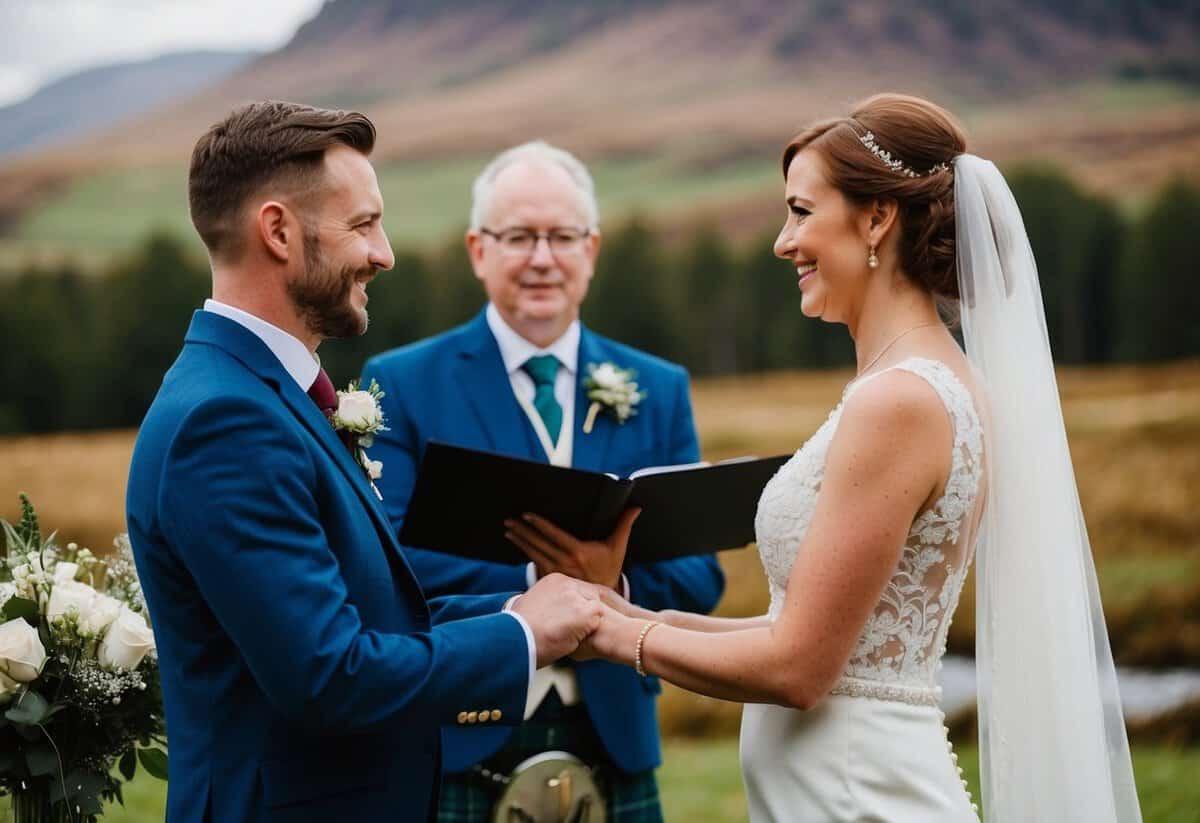
If you’re considering a celebrant for a personalized touch, it’s important to find one who is authorized by the Registrar General of Scotland. They can bring your vision to life while ensuring all legal requirements are met. You’ll discover a variety of options, from humanist celebrants to those affiliated with belief bodies, all ready to make your ceremony memorable and meaningful.
Whether you dream of a beach wedding or a cozy backyard gathering, understanding the role of celebrants in Scotland will help you navigate the planning process with confidence. As you plan your celebration, knowing the legalities can make all the difference in your big day.
Roles and Responsibilities
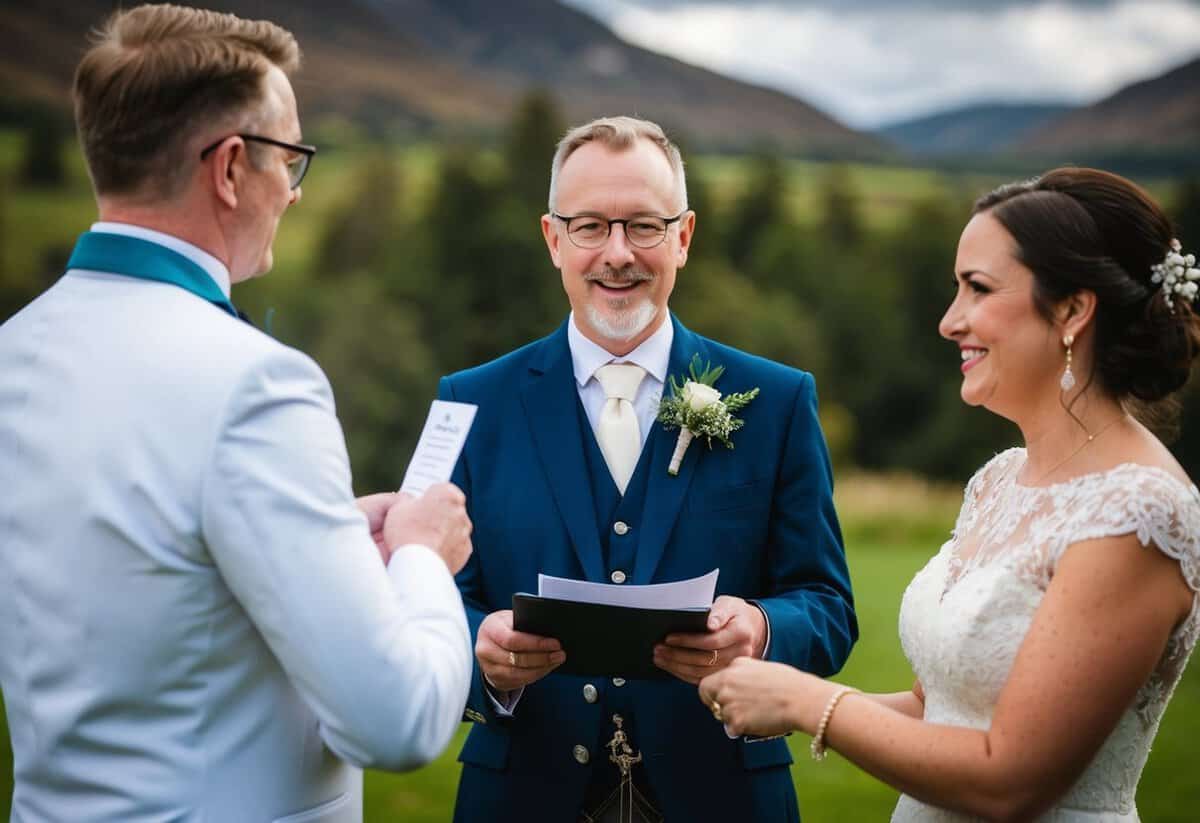
Understanding the roles and responsibilities of celebrants in Scotland can help you choose the right person for your wedding. Celebrants play a vital role in your ceremony, but it’s important to know how they differ from registrars and what types of celebrants you can find.
Authorized Celebrants in Scotland
In Scotland, only authorized celebrants can legally perform marriage ceremonies. These include registrars and those from recognized belief bodies. If you’re looking for a more personalized experience, consider independent celebrants or humanist celebrants.
Independent celebrants can create unique ceremonies tailored to your values, while humanist celebrants focus on non-religious content but still have the legal authority to marry you. This gives you options for how your ceremony reflects your beliefs and preferences.
Differences Between Registrars and Celebrants
Registrars and celebrants have distinct roles in the wedding process. Registrars are local government officials who ensure that legal aspects of the marriage are met. They follow strict guidelines and may have a limited scope for personalizing ceremonies.
In contrast, celebrants, particularly independent and humanist ones, focus on creating heartfelt and personal ceremonies. They can incorporate various themes and elements that resonate with you. However, remember that if you choose a celebrant, you must have a separate legal ceremony with a registrar to ensure your marriage is valid.
The Significance of Independent and Humanist Celebrants
Independent and humanist celebrants offer a unique touch to your wedding. A humanist celebrant provides a ceremony rooted in non-religious beliefs but is still legally recognized in Scotland. They can weave your personal stories and values into the ceremony, making it truly special.
Independent celebrants can also tailor the ceremony to reflect your desires. This flexibility allows for creative writing, special rituals, or even integrating family traditions. Choosing either type helps ensure your ceremony is memorable and meaningful, showcasing your journey as a couple.
Legal Requirements for Marriage in Scotland
Getting married in Scotland involves specific legal requirements that ensure your ceremony is recognized by the law. Knowing what documentation, the role of witnesses, and the process around the marriage schedule can help make your wedding day smooth and stress-free.
Necessary Documentation for Legal Marriage
To marry legally in Scotland, you must provide certain documentation. First, you’ll need to fill out an M10 form. This form is essential as it registers your intention to marry.
You’ll also need to gather the following documents:
- Birth certificates for both parties
- Valid identification, such as a passport or driving license
- Proof of address for both individuals
After you complete the M10 form, you must give notice of marriage to your local Registrar at least 29 days before your wedding date. This gives the registrar enough time to process your forms and ensures that you receive the marriage schedule, which is crucial for your ceremony.
The Role of Witnesses in a Wedding Ceremony
Witnesses play a vital part in your wedding ceremony in Scotland. You are required to have at least two witnesses present during the ceremony, and they must be over 16 years old.
The role of witnesses includes:
- Attesting that you both consent to the marriage
- Signing the marriage schedule after the ceremony
Your witnesses can be friends or family, and they need to understand English to comprehend what they are signing. Including your loved ones in this role makes the day even more special.
Understanding the Marriage Schedule
The marriage schedule is a key document that you will need for your legal wedding. Once you give notice of marriage and your forms are approved, the local Registrar will issue it to you.
This document contains important information, such as:
- Your names
- Date and place of the marriage
- Details of your witnesses
You must bring the marriage schedule to your ceremony. It is signed by you, your witnesses, and the celebrant during the wedding. This schedule is what makes your marriage legally binding in Scotland, so it’s essential to keep it safe until the big day.
Types of Ceremonies in Scotland
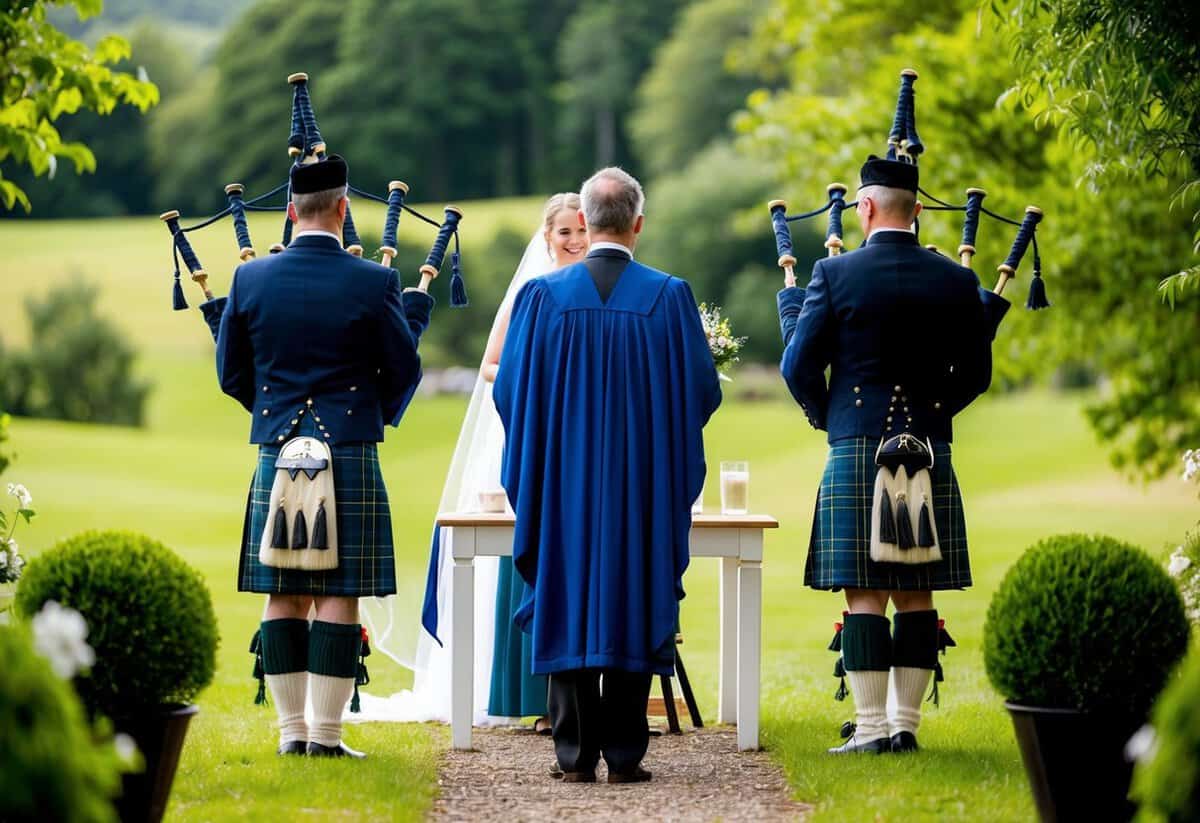
In Scotland, you have options for your wedding ceremony. These include civil, religious, and belief ceremonies. Each type offers unique experiences and requirements that cater to different preferences and values.
Civil vs. Religious vs. Belief Ceremonies
Civil ceremonies are straightforward and can take place in a registry office or an agreed venue. A registrar will officiate your ceremony, making it legally binding. This type is ideal if you prefer a simple approach without religious elements.
Religious ceremonies are conducted by a member of a faith group. You can choose a traditional church setting or another location of your choice. If you want your ceremony to reflect your religious beliefs, this option suits you best.
Belief ceremonies are led by celebrants who represent belief bodies, like humanist organizations. These ceremonies offer flexibility in terms of content and venue, allowing you to personalize your vows and rituals.
Civil Partnerships and Their Recognition
Civil partnerships in Scotland offer an alternative to traditional marriages. They provide legal recognition to couples who want to formalize their relationship without a marriage.
Unlike marriages, civil partnerships do not have religious elements. You can register your civil partnership at a registry office or any approved location. The ceremony can be tailored to your preferences by a recognized celebrant.
Both civil marriages and civil partnerships carry the same legal status. This means you have the same rights and responsibilities, including matters like property and inheritance.
Whichever option you choose, it’s important to ensure your celebrant is authorized to conduct the ceremony. This will ensure that your wedding or partnership is legally binding.
Planning Your Celebrant-Led Wedding
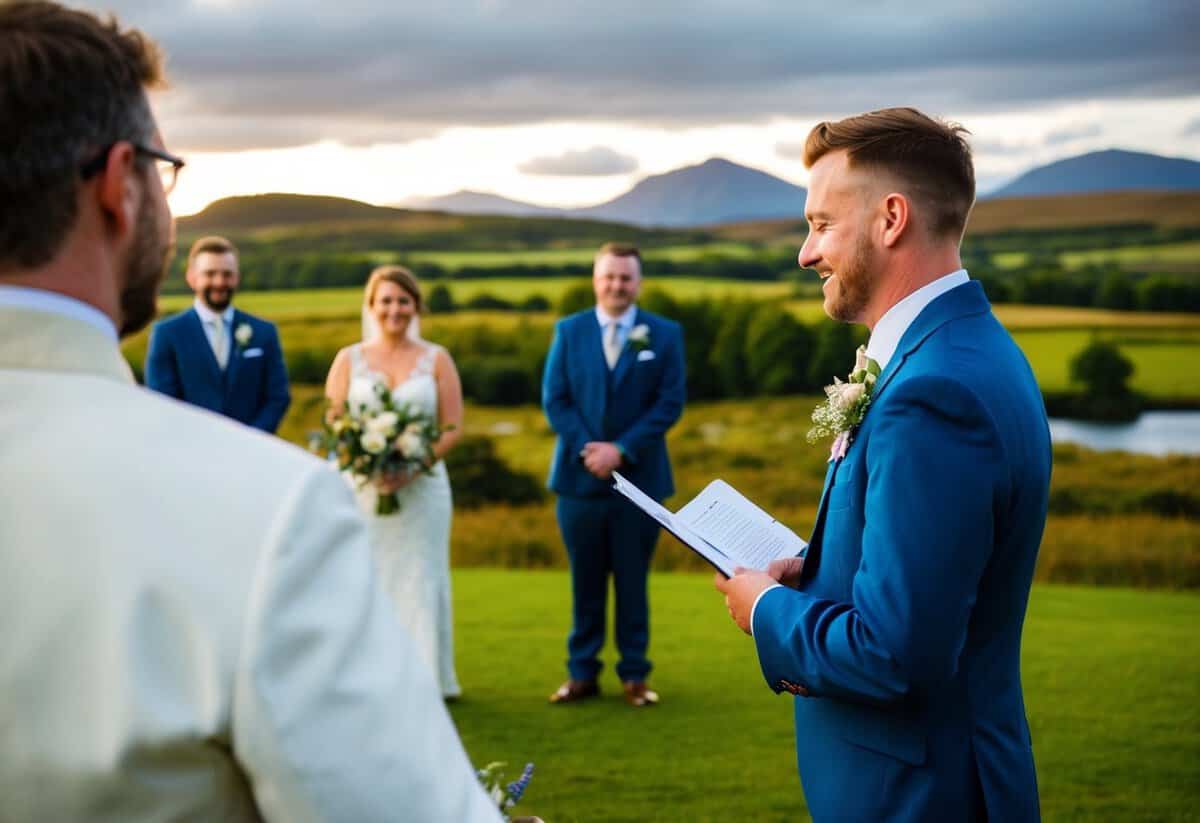
Planning a celebrant-led wedding gives you the chance to create a ceremony filled with personal meaning. You can choose the right celebrant and decide on unique elements that truly reflect your style and values.
Choosing the Right Celebrant for Your Special Day
Finding the right celebrant is crucial. Start by researching local celebrants in your area. Look for reviews and visit their websites to understand their style.
Consider having a personal meeting to discuss your vision. Ask about their experience with celebrant-led weddings and if they have performed a celebrant ceremony in your area. Ensure they can legally marry you in Scotland and have experience with any specific rituals you wish to include, like handfasting.
Your celebrant will guide you through the process, helping you feel at ease on your wedding day. Choose someone who resonates with you and makes you feel comfortable.
Unique Elements of Celebrant-Led Ceremonies
Celebrant-led weddings are known for their flexibility. You can customize your ceremony with unique elements that matter to you.
You can incorporate personal vows, readings, and music that reflect your journey as a couple. Some couples choose meaningful rituals, like lighting a unity candle or handfasting, which symbolizes the binding of their lives together. You can also involve family and friends by having them participate in select parts of the ceremony.
Your celebrant will help you weave these elements into a cohesive and heartfelt ceremony. Remember, this is your special day, and every detail should feel right to you.