
Can a Celebrant Legally Marry You in the UK? Understanding Your Options
When planning your wedding, you might wonder about the role of a celebrant and what it means for your marriage. In the UK, a celebrant cannot legally marry you on their own. Instead, you need to have a legal ceremony conducted by an authorized registrar or in a registered venue. This means that while a celebrant can provide a beautiful and personalized ceremony, it must be separate from the legal part of your marriage.
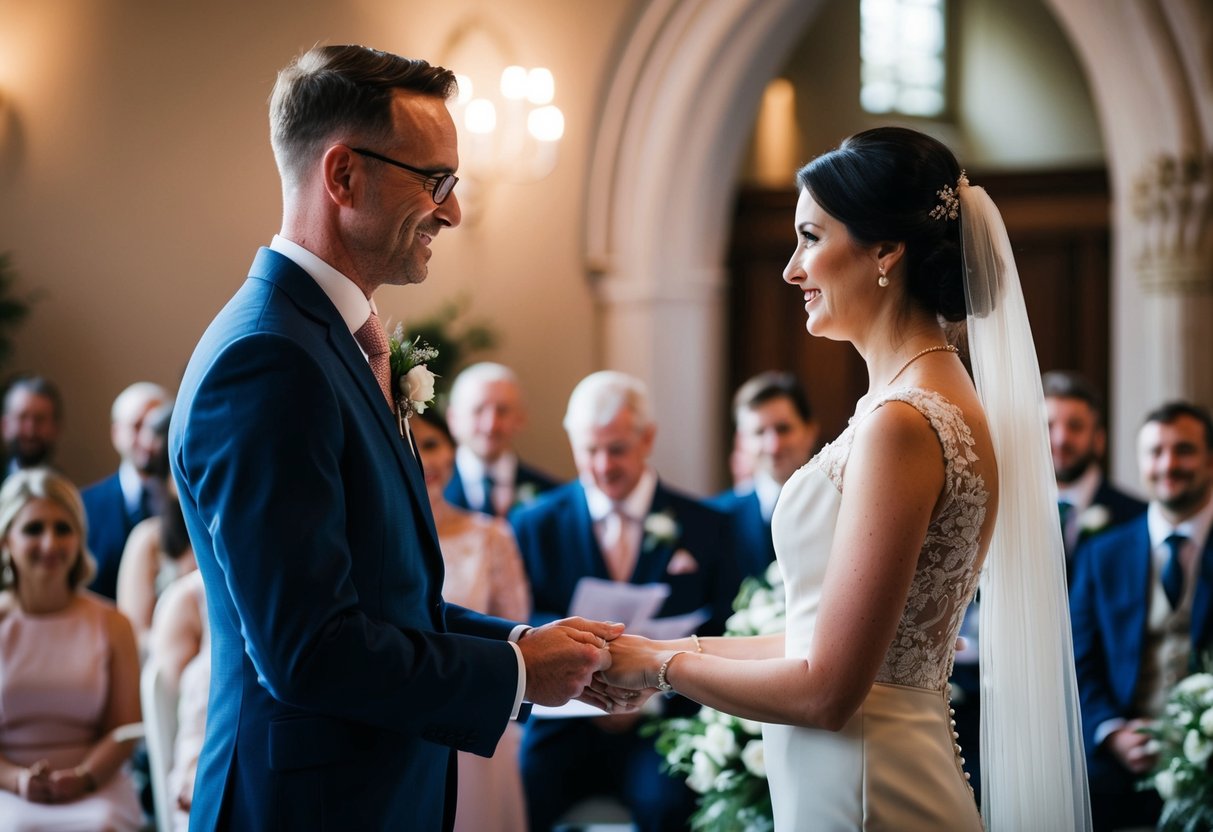
You may choose to have a civil ceremony at a register office a week or two before your celebrant-led wedding. This allows you to enjoy the special elements of your celebration without worrying about the legalities during the main event.
Many couples appreciate this approach, as it provides the opportunity to create a unique and meaningful experience just the way you envision it.
Understanding these legal requirements ensures you are well-prepared for your big day. With the right planning, you can have the celebrant-led wedding you dream of while also completing the necessary legal steps.
Understanding the Role of a Celebrant in the UK
Celebrants play a special part in weddings across the UK. They help create unique, personalized ceremonies that reflect the couple’s values and beliefs. This section discusses the types of celebrants and the differences between celebrant-led and legal ceremonies.
Types of Celebrants
In the UK, various types of celebrants can conduct your wedding ceremony. Independent celebrants are not tied to any religious group. They can create custom ceremonies based on your wishes.
Humanist celebrants focus on non-religious beliefs. They celebrate love and commitment in a meaningful way. If you prefer a ceremony without religious elements, a humanist celebrant might be the right choice.
Religious celebrants conduct ceremonies within the framework of a specific faith. They often follow traditions and rituals important to that religion. Understanding these options helps you pick the best celebrant for your wedding day.
The Difference Between Celebrant-Led and Legal Ceremonies
A celebrant-led wedding ceremony focuses on personal stories and love. It allows you to express your journey uniquely. You can include readings, rituals, and music that matter to you. Celebrants help you craft a memorable experience.
On the other hand, a legal ceremony is required to make your marriage official. This is done in the presence of a registrar or an authorized person. You must fulfill specific legal requirements for this to be valid.
Many couples choose to have a legal ceremony at a register office before their celebrant-led celebration. This way, you can enjoy both the legal aspects and the meaningful ceremony you desire.
Legal Requirements for Marriage in the UK
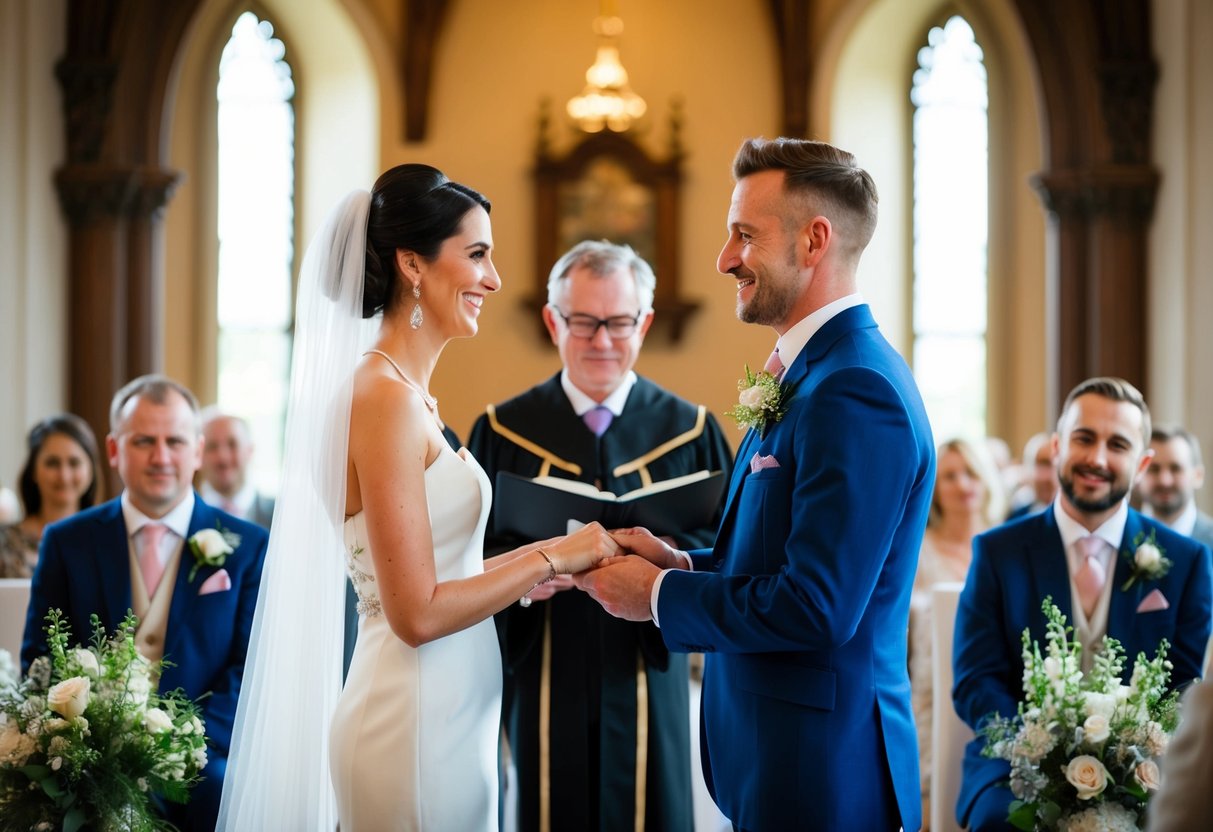
Getting married in the UK requires following specific legal steps. Understanding these requirements can help you ensure that your marriage is recognized legally.
Giving Notice and the Notice of Marriage
Before getting married, you need to give notice of your marriage at your local register office. This is a formal declaration of your intention to marry. You must do this at least 28 days before your wedding day.
Both partners must be present to give notice and provide valid identification. This could include a passport or a driver’s license. You’ll also need to show proof of residency, like a utility bill.
After giving notice, your details will be displayed for 28 days. If no objections are made, you can proceed with your wedding.
Marriage Certificate and Legal Documentation
Once the ceremony is complete, you’ll need to obtain a marriage certificate. This legal document proves you are married and is essential for various legal matters, such as changing your name or applying for benefits.
You can get your marriage certificate from the register office where you gave notice. There may be a small fee for this document.
Make sure to keep it in a safe place. It’s important to have proper documentation for future needs.
Marriage Laws and the Law Commission
In the UK, marriage laws are designed to protect individuals and ensure that weddings are conducted fairly. The Law Commission periodically reviews these laws, suggesting updates to make the process simpler and more accessible.
Currently, marriage must occur in a registered venue. Celebrants can conduct ceremonies, but you still need to complete the legal component separately.
The Law Commission also emphasizes the importance of clear legal rights and responsibilities for couples. This helps to ensure that all marriages are treated equally under the law.
Planning Your Wedding Ceremony
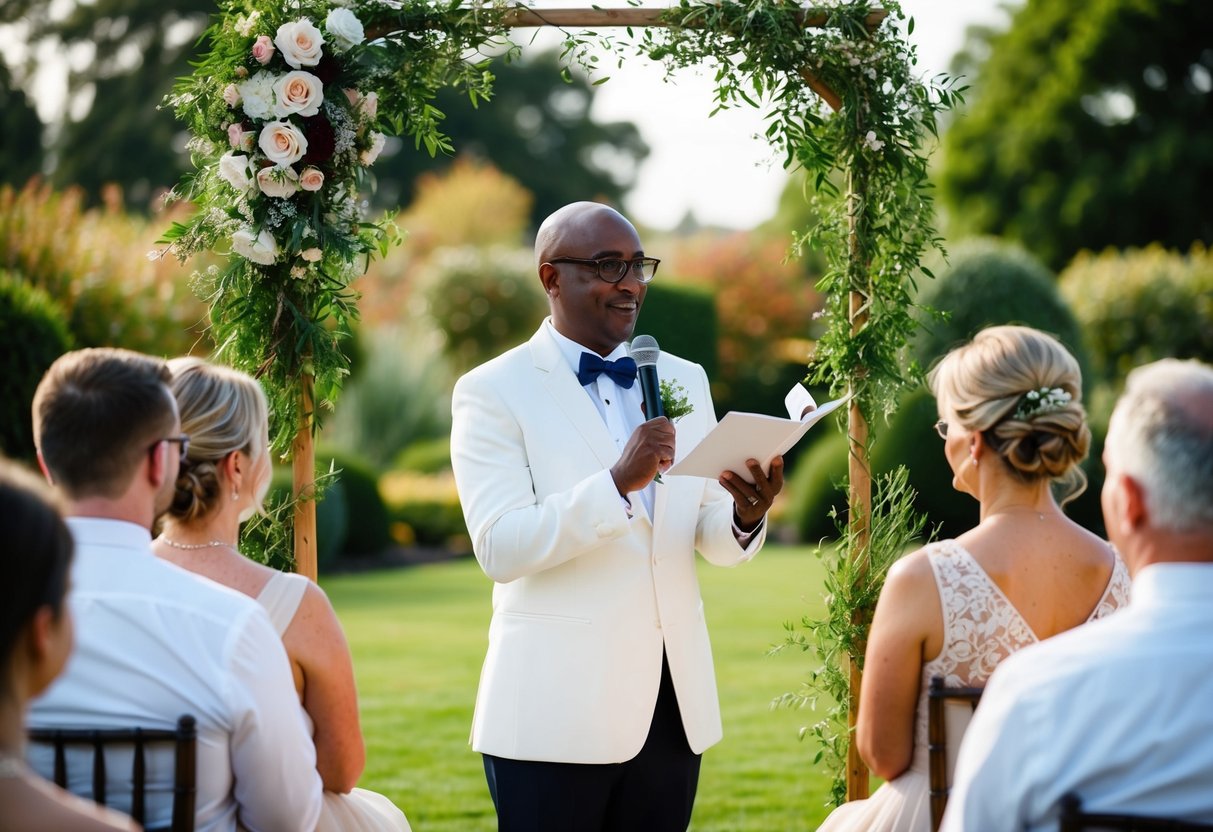
Planning your wedding ceremony involves careful choices to create a memorable day. You need to focus on selecting the right celebrant, finding the perfect venue, and designing a ceremony that reflects your love story.
Choosing the Right Celebrant
Selecting a wedding celebrant is a crucial step. Look for someone who understands your vision and style. Check their experience, especially with celebrant-led ceremonies. A good celebrant will guide you through writing your vows and include personal touches that matter to you.
Don’t forget to ask about their flexibility. Will they allow for unique elements, like storytelling or special rituals? Read reviews and consider scheduling a meeting. The right celebrant will help make your wedding day feel special and authentic.
Selecting a Venue
The venue sets the tone for your ceremony. Think about a registered venue to ensure your wedding is legally binding. You might prefer a cozy outdoor setting or a grand hall. Consider accessibility for your guests too.
If you’re dreaming of a destination wedding, research local regulations. Some places have specific requirements for ceremonies. Also, check if the venue provides options for decorations and seating arrangements. Your venue should reflect your style while accommodating your needs.
Designing Your Ceremony
Designing your ceremony allows you to express your love story. Work with your celebrant to include personal vows that resonate with you both. You might want to incorporate symbolic acts, like exchanging rings or lighting a unity candle.
Think about the order of events. Will you want friends or family to participate in readings? Discuss with your celebrant how to include these details seamlessly. Your ceremony should feel personal and engaging, creating memories that last a lifetime.
The Celebrant-Led Ceremony Experience
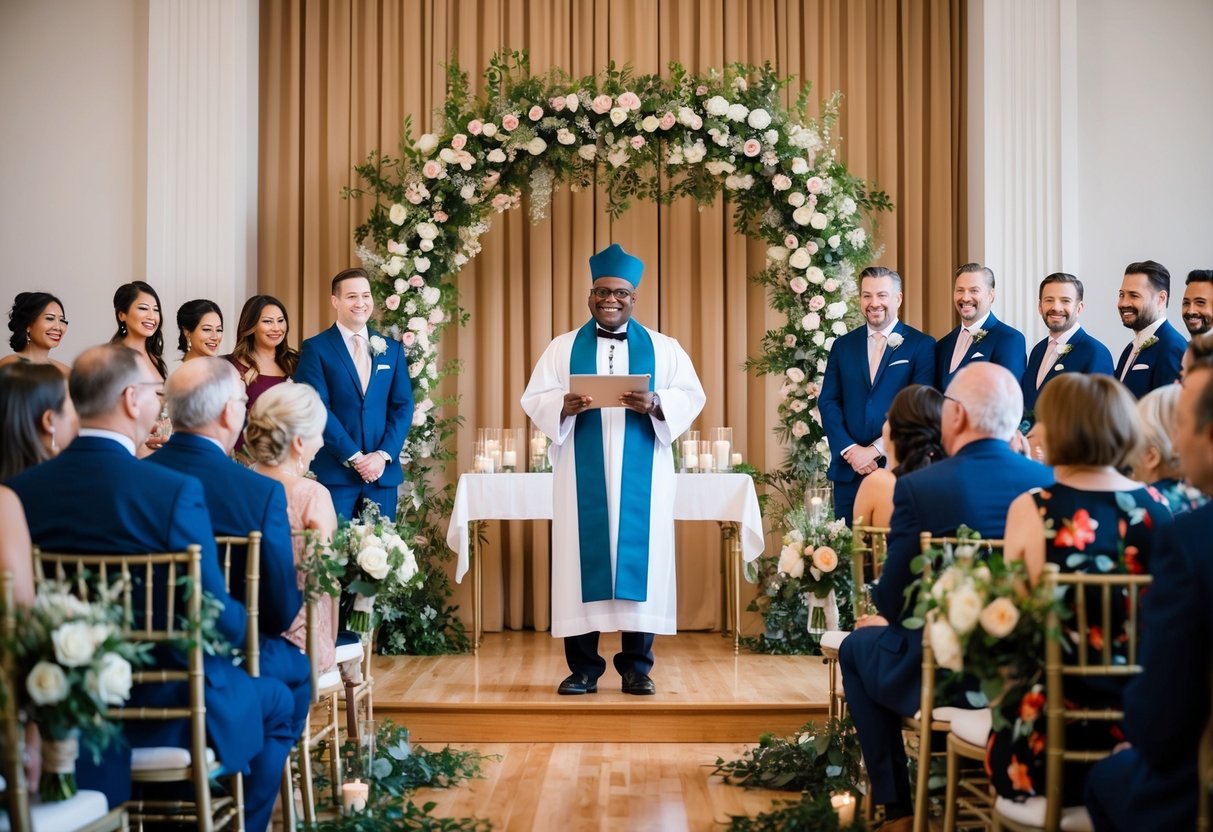
A celebrant-led ceremony gives you the freedom to create a unique experience that reflects your love story. You can personalize your vows and incorporate meaningful rituals, making the day truly yours.
Personalizing Your Vows and Ceremony
When choosing a celebrant-led ceremony, personalizing your vows is one of the most special parts. You can write your own vows, sharing your feelings and promises in a way that resonates with you. Consider including your love story, key moments that define your relationship, and what marriage means to you.
Your celebrant can guide you in crafting these vows. They can help you with structure and ideas while ensuring your words are heartfelt and genuine. This makes your vows a true reflection of your connection. Plus, having the chance to express yourselves uniquely adds an emotional touch to the ceremony.
Incorporating Symbolic Gestures
In a celebrant-led wedding, you have the flexibility to incorporate various symbolic gestures. These gestures can represent your relationship, values, and commitments.
Some popular options include:
- Unity Sand Ceremony: You can mix different colored sands to symbolize your joining as a couple.
- Ring Warming: Guests pass your rings around during the ceremony, blessing them with their good wishes.
- Planting a Tree: This symbolizes your growing love and commitment.
These gestures not only enhance the ceremony but also engage your guests on a deeper level. They give everyone a chance to feel involved and celebrate your union.