
Can a Celebrant Officiate a Wedding? Understanding Your Options
If you’re planning a wedding, you might be wondering if a celebrant can take on the role of officiant. The answer is yes, a celebrant can officiate a wedding, often bringing a unique and personal touch to your ceremony.
Celebrants are trained professionals who create customized ceremonies that reflect your values and beliefs, making your special day even more memorable.
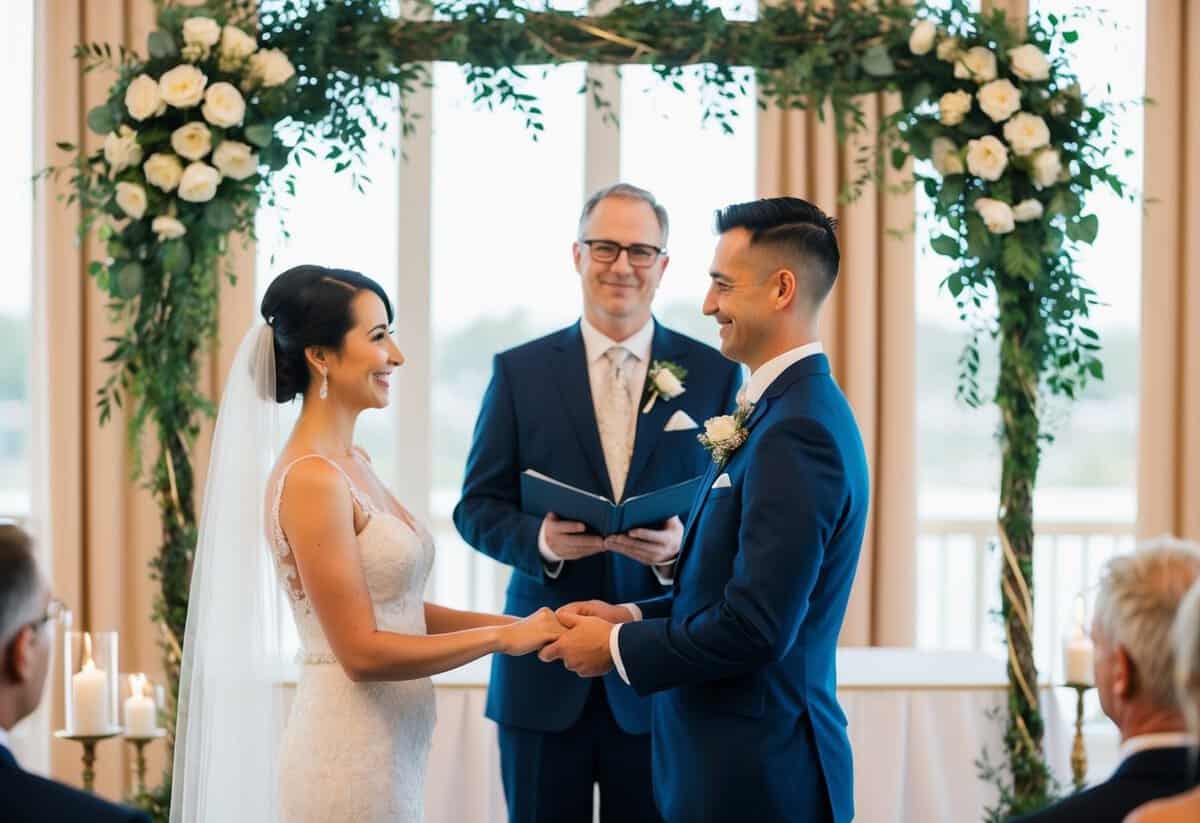
Using a celebrant offers flexibility in your wedding vows and format. Unlike traditional officiants, celebrants are not bound by specific religious rituals, which allows you to design a ceremony that perfectly fits your relationship.
This means you can incorporate personal stories, special readings, or cultural elements that are meaningful to you.
Hiring a celebrant also means you’ll have guidance throughout the planning process. They can assist with crafting your vows and help coordinate the flow of the ceremony, ensuring everything runs smoothly. With their support, you can focus on enjoying your big day while feeling confident that your ceremony is in good hands.
Understanding the Role of a Celebrant
A celebrant plays a special role in your wedding ceremony. They can help create a personalized experience that reflects your love story. Understanding what a celebrant does helps you decide if they are the right choice for your big day.
Comparing Celebrants and Officiants
Celebrants and officiants both play important roles in wedding ceremonies, but their functions can vary significantly. An officiant is usually a professional officiant who leads both civil and religious ceremonies. This person may be a priest, minister, or any religious leader.
On the other hand, a celebrant is more flexible. They often do not belong to a specific religion. This allows them to design a ceremony that matches your personal beliefs and desires.
For instance, humanist celebrants focus on non-religious ceremonies, while independent celebrants can include various cultural elements. This freedom enables a more customized experience.
Types of Celebrants
There are several types of celebrants you can choose from, depending on your preferences. Non-denominational celebrants provide ceremonies that are not tied to any specific religion, making them a good fit for couples who want a personal touch.
Religious officiants, like priests and ministers, perform weddings within religious guidelines. If you want a traditional religious ceremony, this is a suitable option.
Lastly, civil officiants focus on legal aspects and conduct secular ceremonies. They typically handle the legal paperwork to ensure your marriage is recognized. Understanding these types will help you decide which kind of celebrant fits your vision for your wedding day.
Legal Aspects of Officiating a Wedding
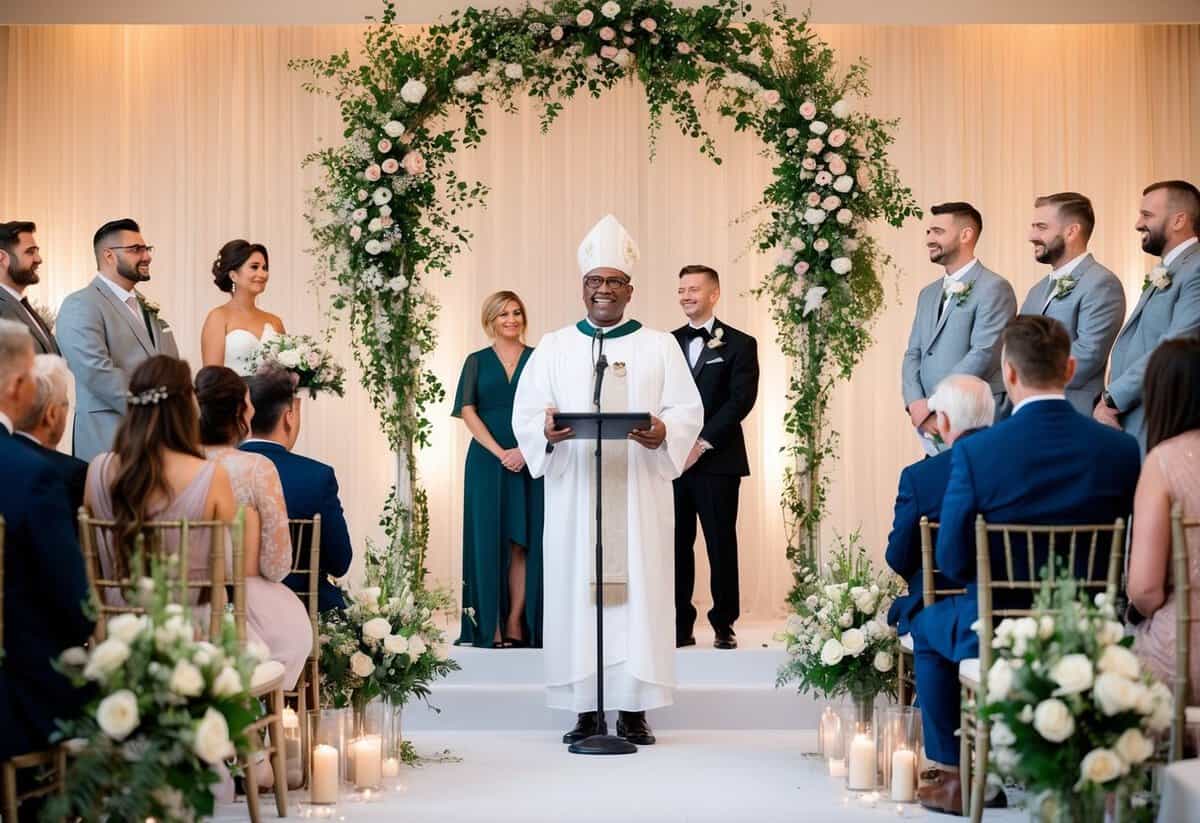
Understanding the legal aspects of officiating a wedding is crucial. You need to know about marriage licenses, the authority given by ordination, and the specific laws in your state. Each component plays a vital role in ensuring the ceremony is valid and recognized.
Obtaining a Marriage License
Before the wedding ceremony can take place, the couple needs to obtain a marriage license. This license is typically issued by a local government office.
The requirements for obtaining a marriage license vary by state. Generally, both parties must be present and provide identification.
There may also be a small fee involved. Some states have waiting periods, meaning you cannot get married immediately after obtaining the license.
Always check the specific rules in your area to ensure everything is in order. Failing to secure the license can lead to complications for all involved.
Ordination and Legal Authority
To officiate a wedding legally, you must be recognized as an ordained officiant. This means you have been granted authority to perform weddings under state laws.
Many officiants become ordained through organizations like American Marriage Ministries or other online platforms.
Online ordination is a popular choice and can be quick and easy. Once ordained, you can perform either secular ceremonies or religious ones.
Your legal standing as an officiant is essential, as it ensures the marriage is recognized. Without proper ordination, the ceremony may not hold any legal weight.
Local and State Law Requirements
Each state has unique laws regarding who can officiate a wedding. Commonly, justices of the peace, licensed celebrants, and ordained ministers are allowed to perform ceremonies.
You should familiarize yourself with your local jurisdiction’s laws. Some states may have additional requirements or restrictions for officiants.
For example, certain locations may require you to register as an officiant before the ceremony. Others may have specific documentation that you must submit after the wedding to validate the marriage. Always comply with local and state laws to avoid legal issues later on.
Ceremony Preparation and Execution
Preparing for your wedding ceremony is an exciting process. It involves creating a meaningful script, ensuring the ceremony flows smoothly, and customizing it to reflect your relationship. Each of these steps is essential for a memorable experience.
Creating a Wedding Ceremony Script
Start by crafting a wedding ceremony script that includes key elements like the declaration of intent and wedding vows. Your officiant can guide you in writing this script.
Discuss the tone you want—be it formal, casual, or somewhere in between. Include personal anecdotes to make the ceremony feel special.
You might also add readings, songs, or rituals that resonate with you two. The script should clearly outline each part of the ceremony, including the pronouncement of marriage, so everyone knows what to expect.
The Flow of the Ceremony
The flow of your ceremony matters a lot. It sets the mood and keeps guests engaged.
Typically, a wedding ceremony starts with a welcome address followed by the declaration of intent. Next, the officiant solemnizes the marriage, leading to the exchange of vows and rings.
It’s helpful to practice public speaking with your officiant to ensure you feel comfortable. Don’t forget to include cues for special moments like the first kiss, which signals joy and unity.
Having a well-planned flow allows everyone to enjoy the moment, making it easier for your guests to follow along.
Customizing the Ceremony
Your wedding ceremony should reflect your unique love story. Discuss with your officiant how to personalize the ceremony. You can include traditions, rituals, or themes that have significance to you both.
Consider the dress code and setting to complement your customized ceremony. For instance, beach weddings might call for relaxed attire, while formal settings require more elegant choices.
Lastly, think about how you want to express your love through the wedding vows. Personalized vows can make the ceremony truly yours, allowing you to share heartfelt promises and emotions that connect you both. This custom touch will leave a lasting impression on you and your guests.