
Can a Celebrant Perform a Marriage? Understanding Their Role in Your Ceremony
If you’re considering a unique wedding ceremony, you might wonder about the role of a celebrant. A celebrant can legally perform a marriage, provided they are recognized as an officiant in your area. This means they can help craft a personal and memorable ceremony that reflects your style and values.
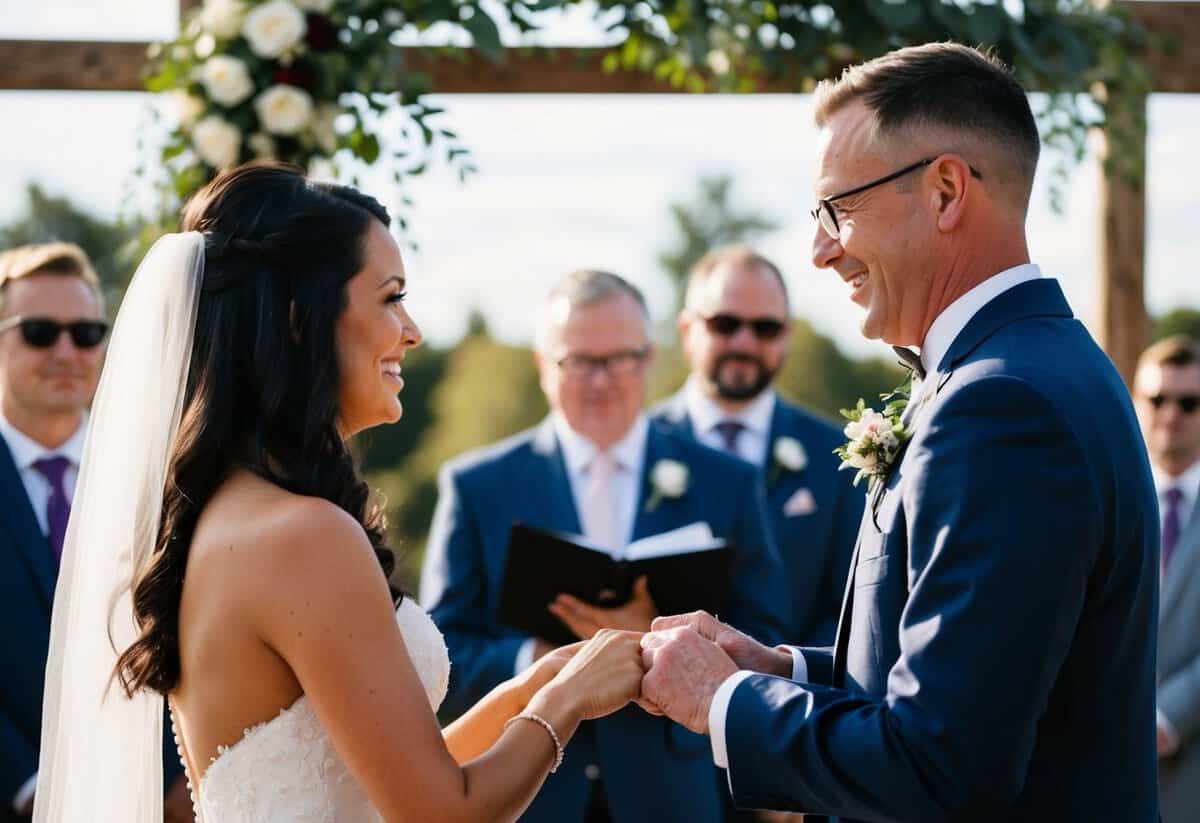
Celebrants are often versatile, blending elements of tradition and personal touch. They can guide you through writing vows, creating rituals, and planning the ceremony to suit your needs. With the right celebrant, your wedding can feel truly special and tailor-made just for you.
Choosing a celebrant gives you the freedom to have a ceremony outside the typical religious or civil formats. They offer a way to celebrate love that feels authentic and meaningful, allowing you to embrace your unique journey together.
Understanding the Role of a Celebrant
Celebrants play an essential part in many wedding ceremonies. They can be civil, religious, or independent, and their main duty is to make your special day memorable. Knowing the different types of celebrants and their roles can help you decide who best fits your vision for your ceremony.
Different Types of Celebrants
There are various types of celebrants to choose from.
-
Civil Celebrants: These officiants focus on secular ceremonies. They craft weddings that reflect your personal style without religious elements.
-
Religious Celebrants: If you’re looking for a faith-based ceremony, religious officiants, such as licensed ministers, can help create a spiritual experience. They incorporate religious beliefs and traditions.
-
Independent Celebrants: These celebrants often blend both civil and religious elements. They work with you to create a unique ceremony that fits your beliefs.
-
Online Ordination: Some celebrants may become ordained online, allowing them to perform weddings in certain areas. It’s important to verify their licensing in your state or country.
What Does a Celebrant Do?
A celebrant’s job is to make your ceremony personal and meaningful. They craft a ceremony from scratch that reflects your story as a couple. They listen to your ideas and visions.
Celebrants must also be familiar with the marriage laws in their area. This ensures your ceremony is recognized legally.
On the day of the wedding, the celebrant leads the ceremony. They guide you through the vows and rituals, making it smooth and enjoyable.
Unlike traditional officiants bound to specific venues, celebrants can perform ceremonies anywhere you choose—be it a beach, park, or your backyard. This allows for more creativity and personalization in your wedding venue.
Legal Requirements for Performing Marriages
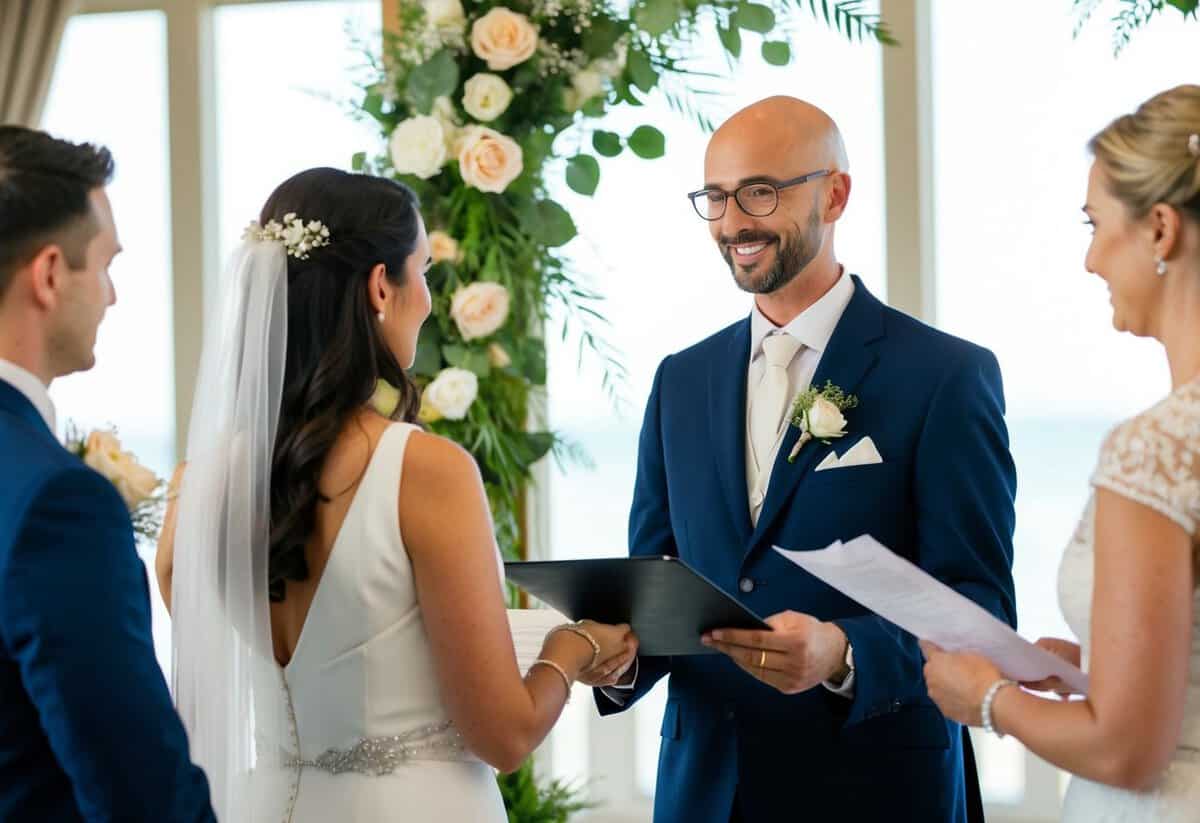
When considering a celebrant for your wedding, knowing the legalities of their authority is essential. This information helps ensure your marriage is valid and recognized by the law. Below, you’ll find important factors like ordination and licensing, state laws, and necessary documentation.
Ordination and Licensing
To legally perform a marriage, a celebrant often needs to be ordained or licensed. This can vary based on the state or territory your wedding is in.
-
Ordained Minister: Many celebrants are ordained ministers recognized by a religious organization. Being ordained usually requires obtaining a certificate of ordination.
-
Licensed Celebrants: Some states allow individuals to become licensed celebrants. This process usually involves submitting an application and proving their qualifications.
-
Online Ordination: In recent years, online ordination has gained popularity. Websites offer quick and easy ordination for celebrants. However, check if your state recognizes online ordination, as laws may differ.
State and Commonwealth Laws
Both state and commonwealth laws govern who can officiate a marriage. These laws ensure that the ceremony meets specific legal requirements.
-
State Laws: Each state has its own regulations. You should research the laws in your area to determine what is needed for your celebrant to marry you. For example, some states require officiants to register with the state or county.
-
Commonwealth Regulations: In some countries, such as Australia, marriage laws fall under commonwealth jurisdiction. This means that certain qualifications for officiants are enforced across states and territories.
Documentation and Certificates
Having the right documentation is crucial for a successful wedding ceremony.
-
Ordination Certificate: If your celebrant is ordained, make sure they have their ordination certificate available. This document shows they have met the necessary requirements.
-
Letter of Good Standing: Some jurisdictions require officiants to provide a letter of good standing from their religious organization. This letter confirms that the celebrant is in good standing and authorized to perform marriages.
-
Marriage License: Before the ceremony, you and your partner will need to acquire a marriage license. Check local laws to know where and how to obtain one.
The Marriage Ceremony Process
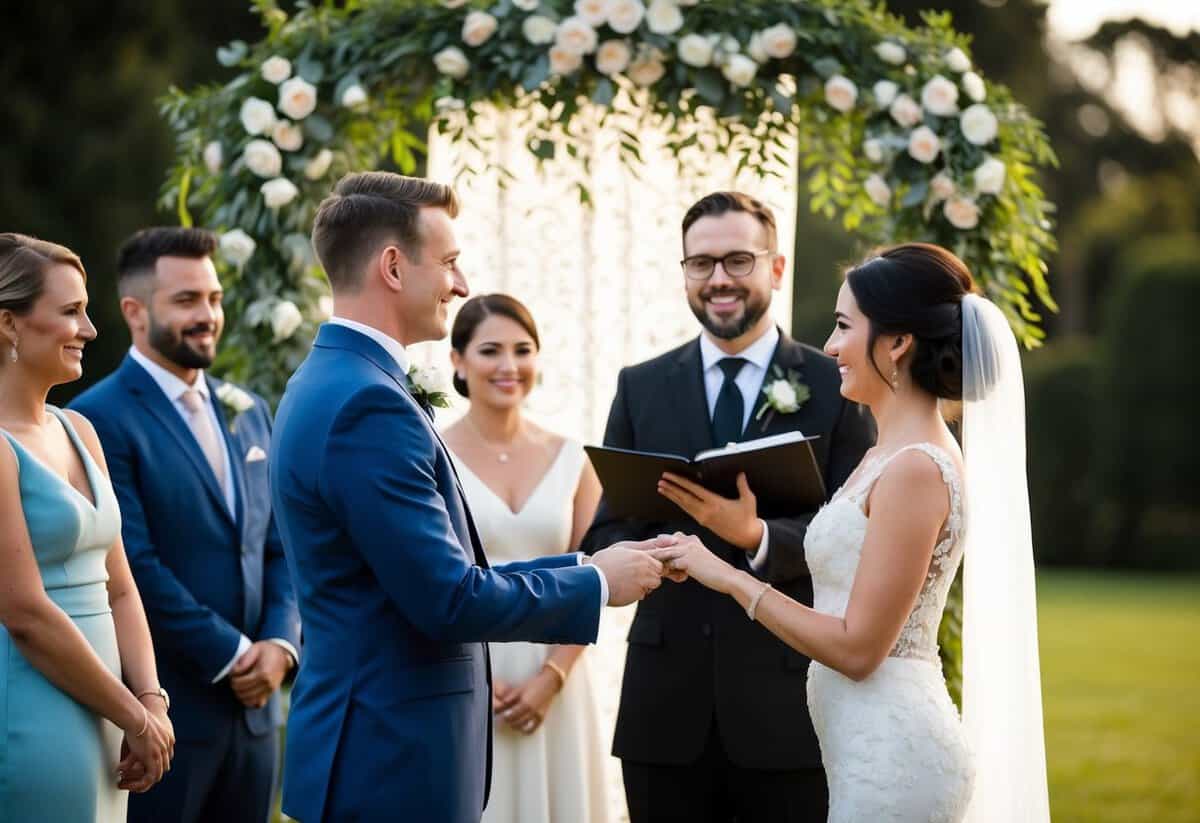
Understanding the marriage ceremony process is crucial for ensuring a smooth event. It involves several key steps that you, as a couple, must navigate. Each part contributes to formalizing your union and celebrating your love.
Pre-Ceremony Legalities
Before the ceremony, you must obtain a marriage license from your local county clerk. This document is necessary and typically has a waiting period before it becomes active.
Next, ensure that your celebrant or officiant is authorized to perform the marriage in your state. Some states have specific requirements, such as registration. Once the license is secured, both partners need to sign the declaration of intent. This document signals your commitment to enter into a marriage contract.
During the Ceremony
The ceremony is the heart of the wedding day. As you stand before your guests, your celebrant will guide you through the rites of marriage. This includes sharing vows and often involves an oath that symbolizes your commitment.
Key components of the ceremony include the reading of personal vows and perhaps a unity ritual, like lighting a candle together. At this moment, you’ll also sign the marriage certificate, solidifying your bond in front of witnesses.
The celebrant plays a crucial role, as they will solemnize the marriage, creating a meaningful experience tailored to you.
Post-Ceremony Requirements
After saying “I do,” there are additional steps to complete. You must ensure your signed marriage certificate is submitted to the appropriate authorities. This process usually involves your officiant sending the documents to the county clerk’s office.
You will receive your official marriage certificate, which serves as proof of your marriage. Keep this document safe, as you might need it for legal purposes down the line. Celebrants can also provide guidance on name changes or other post-marriage tasks.
Special Situations and Exceptions
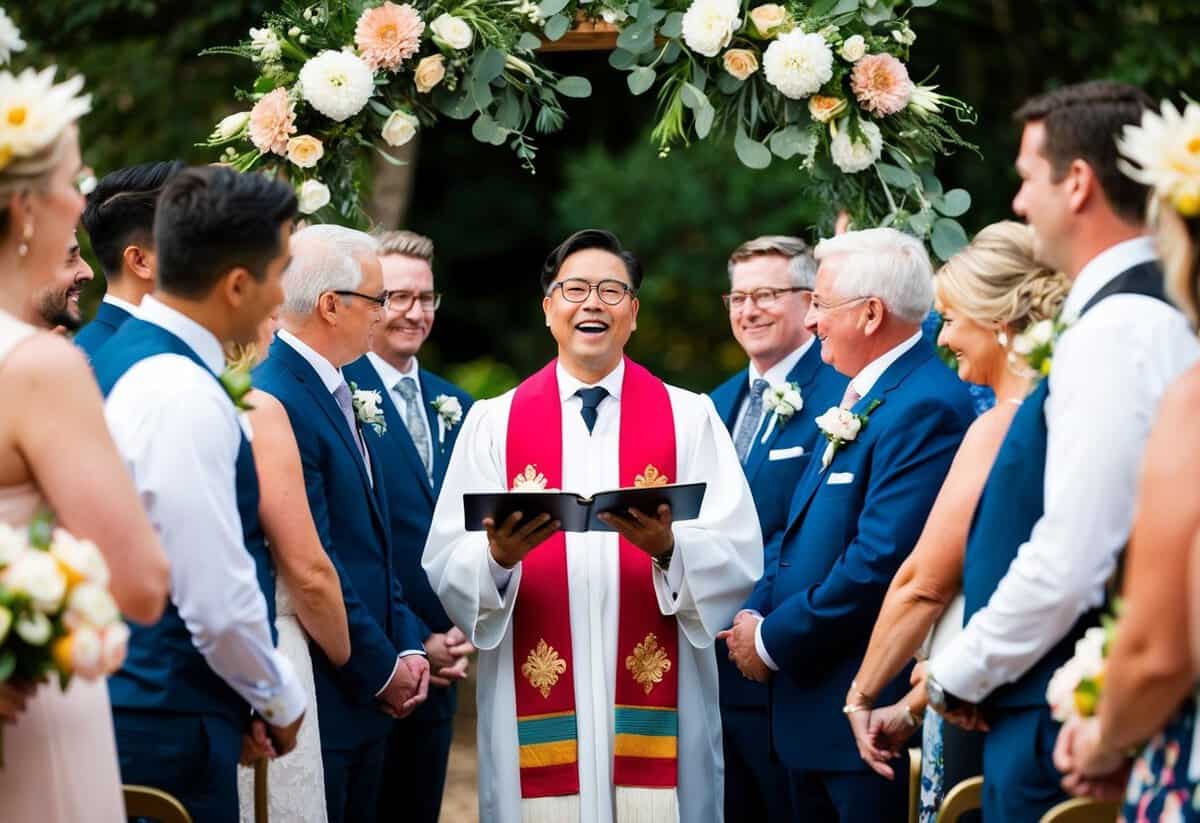
You might wonder about unique circumstances regarding who can officiate a wedding. Certain special situations and exceptions exist that can affect the role of celebrants in marriage ceremonies.
Destination and Theme Weddings
When planning a destination wedding, you’ll find that the rules can vary by location. If you choose to get married in a unique venue, like a beach or historical site, check the local laws regarding marriage officiants. In some areas, specific permits or registrations may be necessary for civil celebrants.
In the case of theme weddings, you may want a specific type of officiant. For instance, if you’re having a pirate-themed wedding, you might choose a ship captain to officiate. Such choices should be made with attention to whether the chosen officiant meets the legal requirements to perform the ceremony in your location.
Special Authorizations
Certain officiants can perform marriages under specific conditions. Judges, justices of the peace, and clergy members have the authority to officiate weddings.
If you prefer a more personalized ceremony, look into hiring a civil celebrant.
Some states allow chaplains or religious leaders to officiate, but they often need special authorizations or licenses. For example, military chaplains can perform wedding ceremonies for service members.
Be sure to research your area’s rules for officiant registration to ensure that your chosen celebrant is legally recognized, especially if you are using services from organizations like American Marriage Ministries (AMM).