
Can a Civil Celebrant Marry You? Understanding Your Wedding Options
If you’re planning a wedding, you might be wondering about civil celebrants. Yes, a civil celebrant can legally marry you, provided they are registered and authorized to perform marriage ceremonies in your location. This option allows for a personalized and unique ceremony that can reflect your beliefs and values.
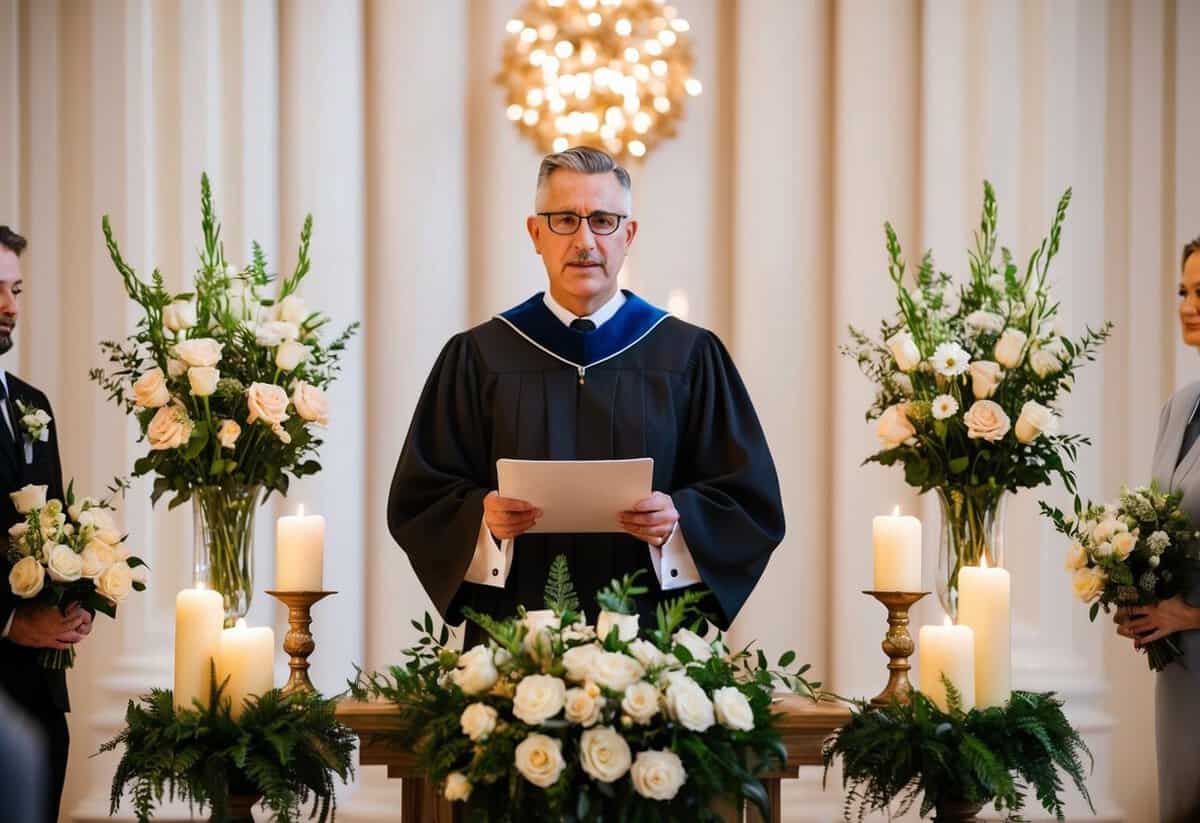
Working with a civil celebrant offers flexibility. You can choose the location, vows, and style of the ceremony to make it truly yours. Understanding how civil celebrants fit into the wedding landscape can help you make an informed decision about your special day.
As you explore your options for someone to officiate your wedding, knowing the role of a civil celebrant can open up exciting possibilities for a memorable experience. Keep reading to discover more about what a civil celebrant can offer you on your wedding day.
Understanding the Role of a Celebrant
A celebrant plays an important role in weddings and can offer a personalized touch to your ceremony. Knowing the differences between celebrants and other officiants can help you choose the right fit for your special day.
Differences Between Celebrants and Other Officiants
Celebrants are trained professionals who specialize in creating and conducting personalized ceremonies. Unlike traditional officiants, they focus on making your event unique and meaningful.
Civil celebrants often facilitate civil ceremonies, which are non-religious. They can perform marriages without religious affiliations, allowing for a more flexible approach.
In contrast, religious officiants, such as clergy or pastors, must adhere to specific religious guidelines. This means their ceremonies usually include traditions or practices tied to their faith.
You may choose a civil celebrant if you desire a ceremony that reflects your personal beliefs, values, and story.
Types of Wedding Officiants
There are several types of wedding officiants, each serving different needs. Here’s a quick list of common officiants you might consider:
- Civil Celebrants: Provide non-religious ceremonies and focus on personal stories.
- Religious Officiants: Include clergy and ordained ministers who conduct ceremonies that reflect their faith.
- Judges and Justices of the Peace: Often perform civil marriage ceremonies, typically in a legal context.
- Professional Officiants: Trained to manage weddings and can be either civil or religious in nature.
When selecting your officiant, think about the tone and feel you want for your ceremony. Each type brings unique qualities that can help shape your special day.
The Legalities of Getting Married
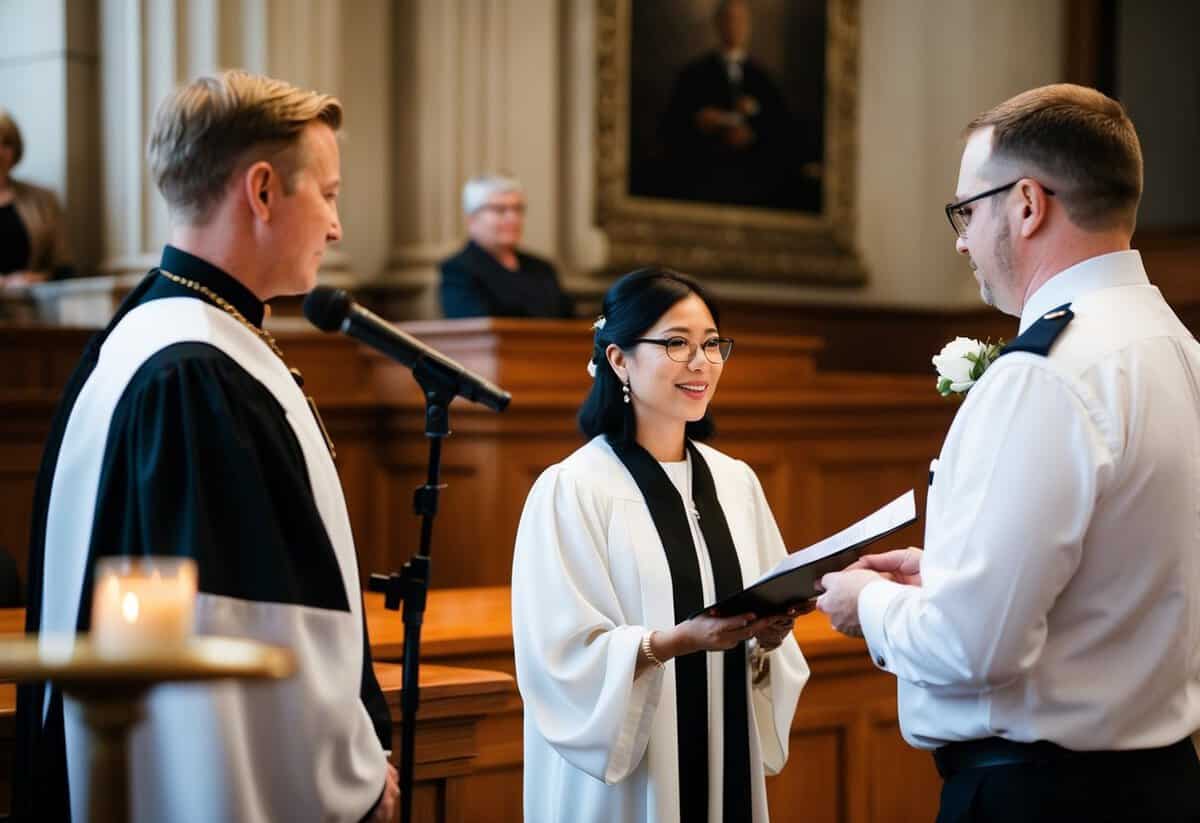
Understanding the legal aspects of getting married can help you navigate the process smoothly. This includes knowing about marriage licenses and the role of celebrants in making your marriage official.
Understanding Marriage Licenses and Certificates
A marriage license is a key document you need before tying the knot. You must apply for it, usually at a county clerk’s office, and provide identification and sometimes proof of residency. Each state has its own marriage laws, including waiting periods or fees.
Once you have the license, it allows you to conduct a marriage ceremony legally. After the ceremony, a marriage certificate is issued, providing proof of your marriage. This certificate is important for legal purposes, such as changing your last name or applying for benefits.
Role of the Celebrant in Legal Marriage
A civil celebrant plays a vital role in solemnizing your marriage. They are licensed officiants who can perform marriage ceremonies, ensuring all legal requirements are met. This includes verifying you have a valid marriage license before the ceremony starts.
During the ceremony, the celebrant leads the vows and manages the overall flow. Afterward, they complete the marriage license and submit it to the appropriate government office. This ensures that your marriage is recognized legally, making them essential for a civil ceremony.
Justices of the peace and judges can also officiate marriages, but civil celebrants offer a more personalized experience.
Planning Your Wedding Ceremony
Planning your wedding ceremony is a crucial part of the wedding process. Working with a celebrant allows for a personalized and meaningful experience that reflects your values and wishes. Here are important aspects to consider when planning your special day.
Choosing the Right Celebrant for Your Wedding
If you’re looking for a celebrant, consider what type suits your needs best. You can choose a professional wedding officiant who specializes in civil ceremonies, interfaith ceremonies, or secular ceremonies.
Think about their experience and style. A good celebrant will listen to your ideas and help craft a ceremony that feels authentic to you.
Make sure to check reviews and ask for recommendations. It’s essential to feel comfortable with your celebrant since they will guide you through this special moment. Don’t hesitate to meet with a few before making your decision.
Customizing Your Ceremony with a Celebrant
A celebrant can help you customize your wedding ceremony to fit your vision. You might want to include elements like readings, music, or rituals such as a unity candle lighting.
Discuss your preferences with your celebrant. They can integrate personal touches, whether it’s a special quote or a culturally significant tradition.
Consider the overall tone you want for your ceremony. Do you prefer something formal or a more relaxed, casual vibe?
A celebrant will work with you to ensure your ceremony reflects your personality and values, making it a memorable occasion for you and your guests.