
Can a Family Member Be a Celebrant? Understanding the Rules and Benefits
Having a family member officiate your wedding can add a personal touch to your special day. Yes, a family member can absolutely serve as a celebrant as long as they meet legal requirements in your area. This option allows you to have someone who knows you well and understands your relationship play an important role in your wedding ceremony.
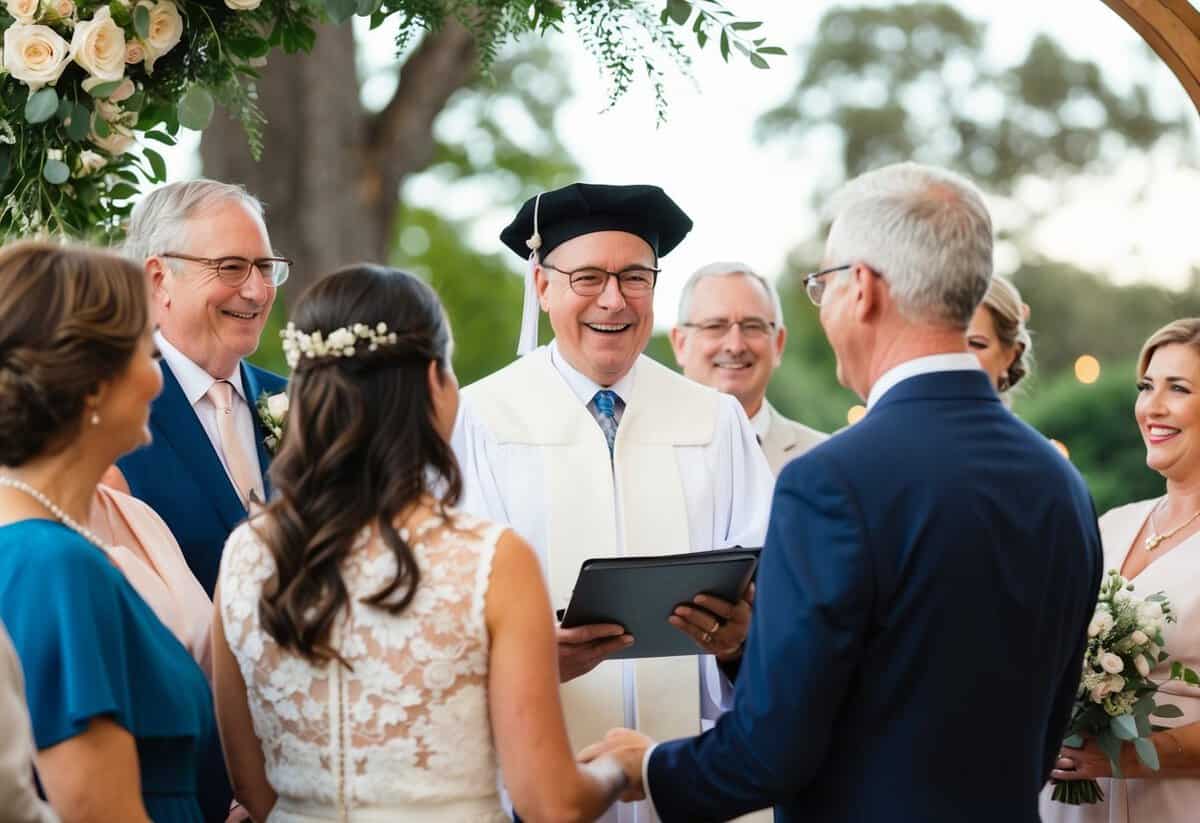
Choosing a loved one as your celebrant can create memorable moments and make your wedding day even more meaningful. Imagine exchanging vows with the guidance of someone who has shared in your journey. It can strengthen bonds and create lasting memories for everyone involved.
Before you decide, be sure to check local laws and regulations regarding celebrants. Your family member might need to register as an officiant or fulfill certain requirements to make your wedding legally binding. With the right preparation, you can have the heartfelt ceremony you’ve always dreamed of.
Understanding the Role of a Celebrant
A celebrant plays a key role in many life events, such as weddings, funerals, and ceremonies. They help create personalized experiences that honor the individuals involved, reflecting their beliefs, stories, and values.
Variations Across Cultures and Countries
The role of a celebrant can differ widely depending on cultural and geographical contexts. In Australia, for instance, you have options like wedding celebrants who are trained professionals holding a Certificate IV in Celebrancy. They focus on crafting ceremonies that celebrate love and commitment.
In contrast, a religious officiant might guide a ceremony in accordance with specific faith traditions. Meanwhile, in other countries, a magistrate or a justice of the peace may perform legal ceremonies. Each type of celebrant contributes uniquely to the celebratory experience, reflecting diverse values and practices.
Professional vs. Personal Celebrants
Choosing between a professional and a personal celebrant can change the dynamic of a ceremony. A professional celebrant is trained and often brings a wealth of resources for crafting memorable events, focusing on the details that matter most to you.
On the other hand, a family member can offer a deeply personal touch. They might incorporate shared memories and meaningful anecdotes, making the ceremony feel intimate. It’s important to consider your needs—whether you prefer a formal setting or a more casual, heartfelt atmosphere. This decision can significantly impact how you and your guests experience the event.
Legal Considerations for Family Member Celebrants

When thinking about a family member officiating your wedding, it’s important to understand their legal roles and duties. Additionally, knowing how to obtain the necessary marriage license and certificate is crucial.
Authorized Roles and Duties
Your family member can officiate your wedding if they have the right credentials. They must be an authorized marriage celebrant, which could be a licensed minister, judge, or someone who has completed the necessary steps to officiate weddings in your state.
Before the ceremony, you should ensure they understand their responsibilities. This includes conducting the ceremony, ensuring both parties consent, and signing the marriage certificate. Being prepared is key to a smooth wedding experience.
You may want to help them gather any required materials, like vows and readings, to make the ceremony personal and meaningful. This support can make the occasion more special and comfortable for everyone involved.
Obtaining a Marriage License and Certificate
You and your partner must apply for a marriage license before your wedding day. This license is a legal requirement in most states. Check with your local office for specific details, as requirements can vary greatly.
After the ceremony, your family member must sign the marriage certificate. This document serves as proof that you are legally married. Be sure to return the signed certificate to the appropriate office to finalize your marriage.
Fulfilling these legal steps can help avoid any future issues. Planning ahead ensures that your family member can officiate without any surprises on your big day.
Planning the Ceremony with a Family Celebrant

When you choose a family member as your celebrant, planning the ceremony is an important step. This is where you can reflect your unique story and ensure everything runs smoothly. Below are key aspects to consider.
Designing the Ceremony Script
Creating the ceremony script is essential for your big day. Your family celebrant can help craft a script that fits your style and vision. Start by discussing the structure of the ceremony.
Include key elements like the welcome message, vows, and any readings. Personal anecdotes or shared memories can make the script special.
Don’t forget the legal requirements, such as the monitum phrase, if needed in your area. This part signifies the legal commitment you are making. Collaborate closely with your celebrant to ensure the script aligns with your wishes.
Incorporating Personal Elements
Adding personal touches to the ceremony can make it memorable. Think about how you can weave in your story, cultures, or traditions.
You might consider involving family members in special readings or performances. This creates a sense of togetherness during the wedding celebration.
Reflect on your journey together and express this in your vows. These heartfelt promises are central to the ceremony and emphasize your commitment to each other.
Engage with your family celebrant about unique rituals that represent you as a couple. This collaboration will make the ceremony feel more authentic and enjoyable for everyone involved.