
Can a Family Member Officiate a Wedding in Florida? Here’s What You Need to Know
If you’re planning a wedding in Florida, you might be wondering who can officiate your ceremony. It’s a common question for couples wanting a personal touch, especially when it comes to including family. In Florida, a family member can legally officiate your wedding as long as they meet certain requirements. This can make your special day even more meaningful, as you can have someone close to you lead the ceremony.
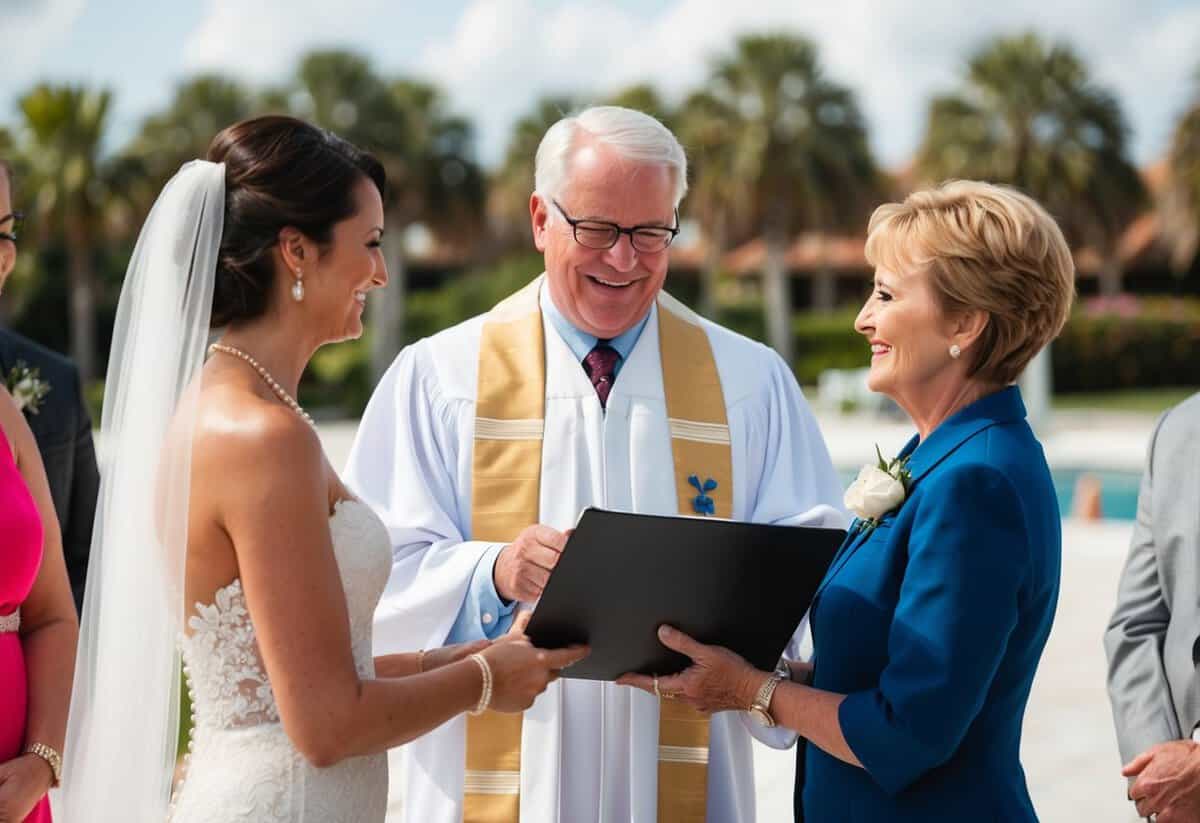
Choosing a family member to officiate not only brings a personal connection to the event but also allows for a unique and heartfelt experience. Understanding the legal framework in Florida is essential to make this happen. With the right steps and possibly some ordination, your loved one can ensure that your marriage is recognized by the state.
As you plan your wedding in Florida, consider the joy and significance of having a family member at the forefront of your ceremony. This can create cherished memories for both you and your guests, making your celebration truly unforgettable.
Legal Requirements to Officiate a Wedding in Florida

If you’re considering having a family member officiate your wedding in Florida, it’s important to understand the legal requirements. Several steps are necessary, including ordination and obtaining a marriage license. Additionally, certain individuals can solemnize marriages under Florida law.
Getting Ordained and Registration
To officiate a wedding in Florida, your family member must be an ordained minister or hold a similar position. They can easily become an ordained minister through various online programs, such as the American Marriage Ministries. It’s free and straightforward.
In Florida, there is no formal registration required for wedding officiants. This means your newly ordained family member can perform the ceremony without needing to register with a government office. Just make sure they have their ordination documents accessible on the wedding day.
Obtaining a Marriage License in Florida
Before a wedding takes place, a marriage license must be obtained. You and your partner should apply for a Florida marriage license from any county clerk’s office. Remember, both parties must be present.
You will need to provide valid identification, such as a driver’s license or passport. The license typically costs around $93.50, but fees can vary by county. Once issued, a marriage license is valid for 60 days. There’s no waiting period, so you can marry right away!
Solemnization Authority of a Wedding Officiant
In Florida, the law allows a variety of individuals to solemnize marriages. These include ordained ministers, notaries public, and even certain public officials.
If your family member is an ordained minister, they have the right to solemnize marriages. This means they can conduct the ceremony, sign the marriage license, and make it official. Notaries public also have this authority, which can be a handy option if they are properly trained. Be sure to designate someone who is comfortable leading the ceremony and fulfilling these important responsibilities.
Steps to Officiate a Wedding
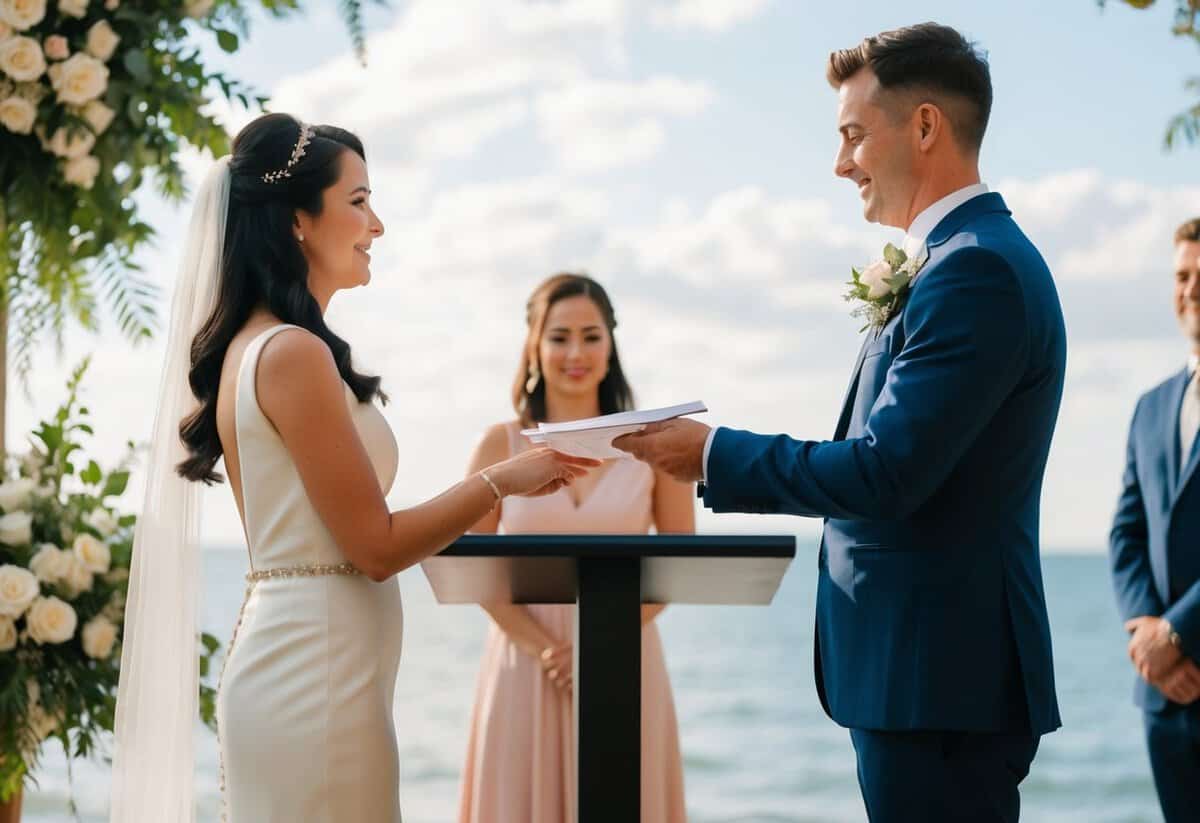
If you want to have a family member officiate your wedding in Florida, there are some steps to follow. These steps include getting ordained, conducting the ceremony, and fulfilling responsibilities after the event. Here’s how you can ensure everything goes smoothly.
Ordination by an Organization
To officiate a wedding legally, your family member must be ordained by an organization. Many people choose online options like the Universal Life Church or American Marriage Ministries.
The ordination process is usually simple. You can fill out an application online, pay a small fee, and receive a confirmation quickly. Once ordained, they should ask for a letter of good standing from the organization. This letter can help prove their authority to solemnize marriages and might be required by the local county clerk.
Performing the Marriage Ceremony
When it’s time for the ceremony, your officiant needs to follow Florida laws to ensure it’s valid. This includes stating the intentions of both individuals, often with phrases like “Do you take…” during the ceremony.
They should also check the couple’s marriage license beforehand. This document must be obtained from a Florida county clerk and brought to the ceremony.
A personal touch makes the event special, so feel free to plan the ceremony according to your style. The officiant can incorporate readings, vows, and rituals that reflect your love story.
Post-Ceremony Obligations
After the ceremony, the officiant has essential duties. They must sign the marriage license, making sure all the details are correct.
Once signed, it’s their job to return the license to the county clerk’s office within a specific timeframe, usually within a couple of days. This step is crucial for the marriage to be legally recognized in Florida.
Remind your officiant to keep a copy of the signed license for records. This way, they have proof of completing their duties as a wedding officiant. Following these steps will ensure that your marriage is both meaningful and recognized legally.
Important Considerations for Ceremony Planning
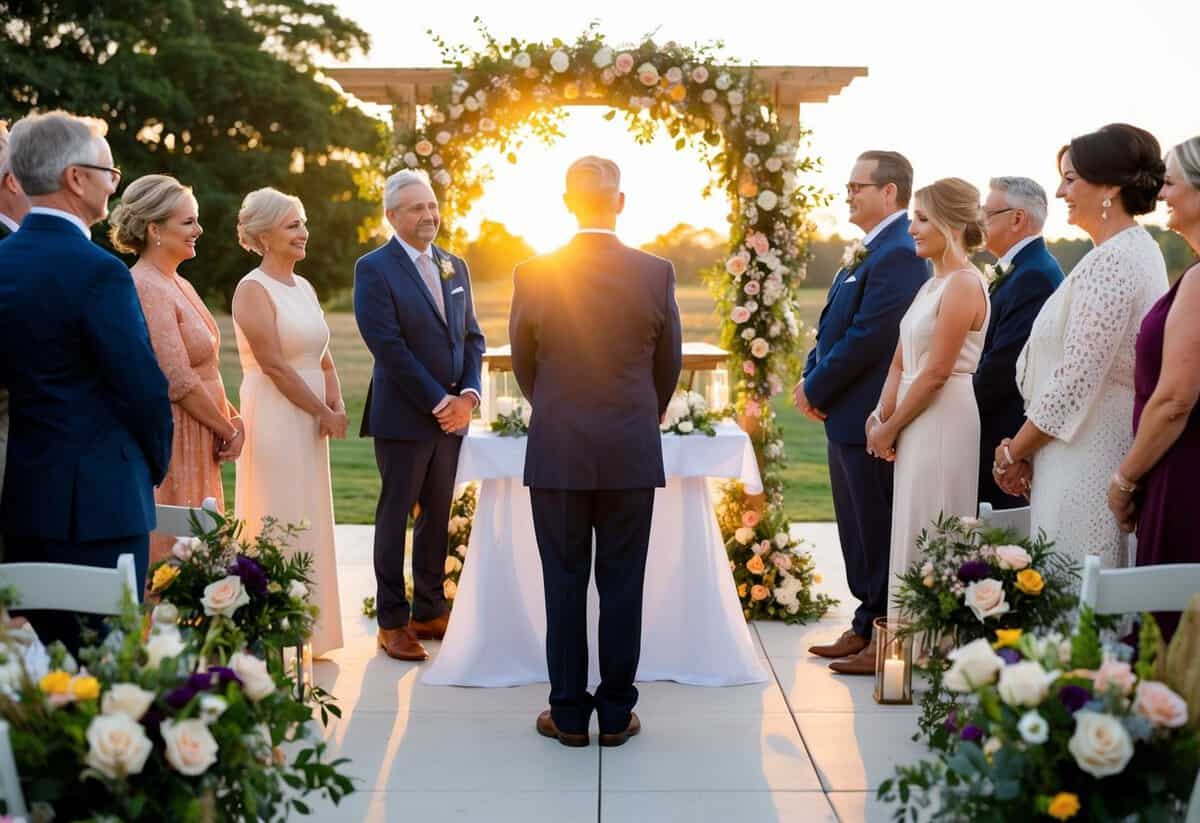
When planning a wedding ceremony in Florida, timing and location are crucial. Additionally, understanding the preparation and responsibilities of your officiant is important for a smooth experience. These elements will help ensure your special day goes without a hitch.
Timing and Location
Choosing the right time and place for your Florida wedding ceremony can greatly affect the mood and logistics. First, think about the waiting period for your marriage license. In Florida, there is a three-day waiting period unless you complete a premarital counseling course, which can waive this requirement.
Next, consider popular locations. Beaches, parks, and gardens are common choices in Florida. Make sure to check for permits if needed. Timing is also key; a sunset ceremony can create a magical atmosphere, but think about the weather and guest comfort too.
Preparation and Responsibilities of an Officiant
Selecting a family member as your officiant can add a personal touch, but they need to be well-prepared. They should understand their responsibilities for the solemnization of marriage.
This includes knowing how to lead the ceremony, keep guests engaged, and handle any legal paperwork.
Your officiant should also be comfortable speaking in front of a crowd. Encourage them to practice the ceremony multiple times to feel confident.
Consider having a wedding helper guide them on the day. This can help ensure everything runs smoothly, allowing you to focus on enjoying your special moments.