
Can a Humanist Celebrant Legally Marry You? Understanding the Legalities and Celebratory Aspects
When planning your wedding, you may wonder about the role of a humanist celebrant. Many couples are drawn to the idea of a personalized ceremony that reflects their values and beliefs. In some parts of the UK, a humanist celebrant can legally marry you, but this is not the case everywhere.
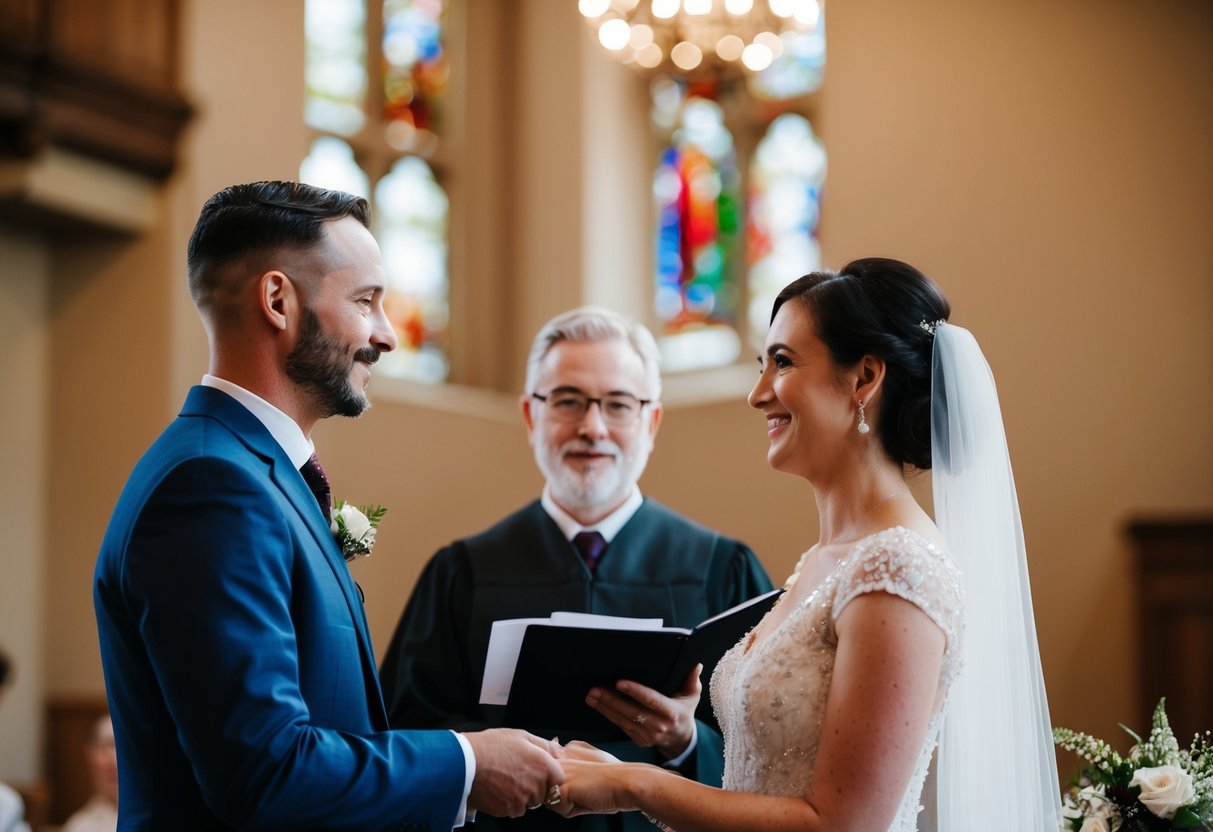
In Scotland and Northern Ireland, humanist celebrants have the authority to conduct legal wedding ceremonies. This means you can celebrate your love in a way that feels authentic and meaningful to you. Conversely, in England and Wales, humanist ceremonies hold significant emotional value, but they do not have legal recognition at this time.
If you’re considering a humanist wedding, it’s important to know your options and local laws. Understanding where you stand can help you make the best choices for your special day.
As you explore this topic, you’ll find all the essential information you need to make informed decisions.
Humanist Celebrants and Legal Marriages
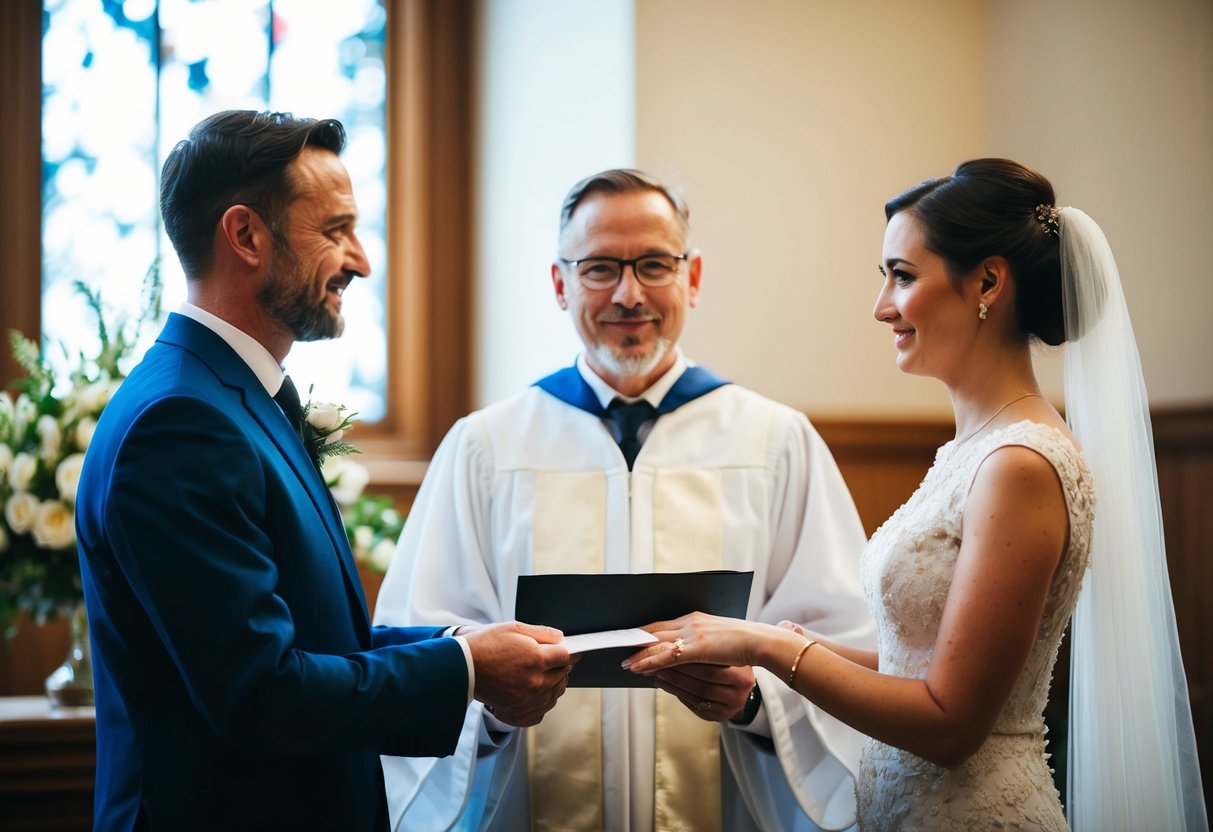
Humanist celebrants play an important role in the world of non-religious ceremonies. They can conduct personalized ceremonies that reflect your beliefs and values, making your special day unique. Here’s what you need to know about their legal status and practices across the UK.
Understanding the Role of a Humanist Celebrant
A humanist celebrant is trained to lead non-religious ceremonies such as weddings, funerals, and child naming events. They focus on crafting a ceremony that aligns with your personal beliefs.
While they can create meaningful ceremonies, it’s important to note that a humanist celebrant cannot perform a legally binding wedding alone in certain areas. In some parts of the UK, you may need to complete a basic legal ceremony at a register office before your main ceremony. This process ensures that your union is recognized legally.
If you choose a celebrant, they can help guide you through the necessary steps and arrange your special day exactly how you envision it.
Humanist Ceremonies Across the UK
Humanist ceremonies are growing in popularity across the UK, providing a welcoming choice for couples seeking a non-religious option. In England and Wales, recent campaigns have pushed for humanist marriages to gain legal recognition, similar to civil marriages.
In places like Northern Ireland and Scotland, humanist celebrants can conduct legally binding weddings. This means you can enjoy a personalized ceremony without needing a separate legal marriage ceremony afterward.
Options like handfasting can also be part of your day. This beautiful ritual symbolizes your commitment and can be tailored to suit your preferences. Always check local regulations when planning, as laws vary by region regarding legal recognition of humanist ceremonies.
Legislation and Regional Differences
The legal standing of humanist celebrants to perform weddings varies across the UK. Understanding these regional differences is essential for you if you plan to have a humanist ceremony. Each area has its own laws regarding whether humanist marriages are legally recognized.
Marriage Laws in England and Wales
In England and Wales, humanist marriages are not legally recognized. This means that while humanist celebrants can perform a wedding ceremony, it will not have legal standing. You will need to complete a separate legal ceremony through a registry office. The process involves obtaining a marriage schedule and booking a date with the registrar.
The Law Commission has considered changes to these laws, but as of now, you will not be able to have a fully humanist wedding that is legally binding in this region. If you choose a humanist ceremony, it’s important to plan for the registry office visit.
Legal Status of Humanist Weddings in Scotland
Scotland is different. Humanist marriages gained legal recognition in 2005, making them a popular choice for many couples. Celebrants trained by Humanist Society Scotland can legally perform these ceremonies.
You can plan your wedding without any additional legal steps. Humanist weddings can take place anywhere, but the celebrant must be registered. This flexibility allows for personalized ceremonies that reflect your beliefs and values, making it a special option for many couples in Scotland.
Marriage Law in Northern Ireland
In Northern Ireland, humanist marriages are also legally recognized. This means that a humanist celebrant can perform legally binding ceremonies. Humanist weddings have become increasingly popular in recent years.
If you opt for this type of marriage, your celebrant must follow certain legal requirements. They need to be registered and must submit necessary paperwork to the local authorities. This makes your humanist ceremony valid, giving you both the personal touch and legal recognition in Northern Ireland.
Recognising Humanist Marriage in Jersey, Guernsey, and Isle of Man
The Channel Islands and the Isle of Man have their own marriage laws concerning humanist weddings. In Jersey and Guernsey, humanist marriages are recognized similarly to Scotland and Northern Ireland.
You have the option to have a humanist ceremony that is legally binding. However, the Isle of Man is still working on this issue. As of now, you would need to have a legal ceremony before the humanist celebration there. It’s best to check the local requirements before planning your special day.
Each region’s laws impact how you can celebrate your marriage. Make sure you understand the legal aspects for your area to enjoy your humanist wedding fully!
Arranging Your Humanist Wedding
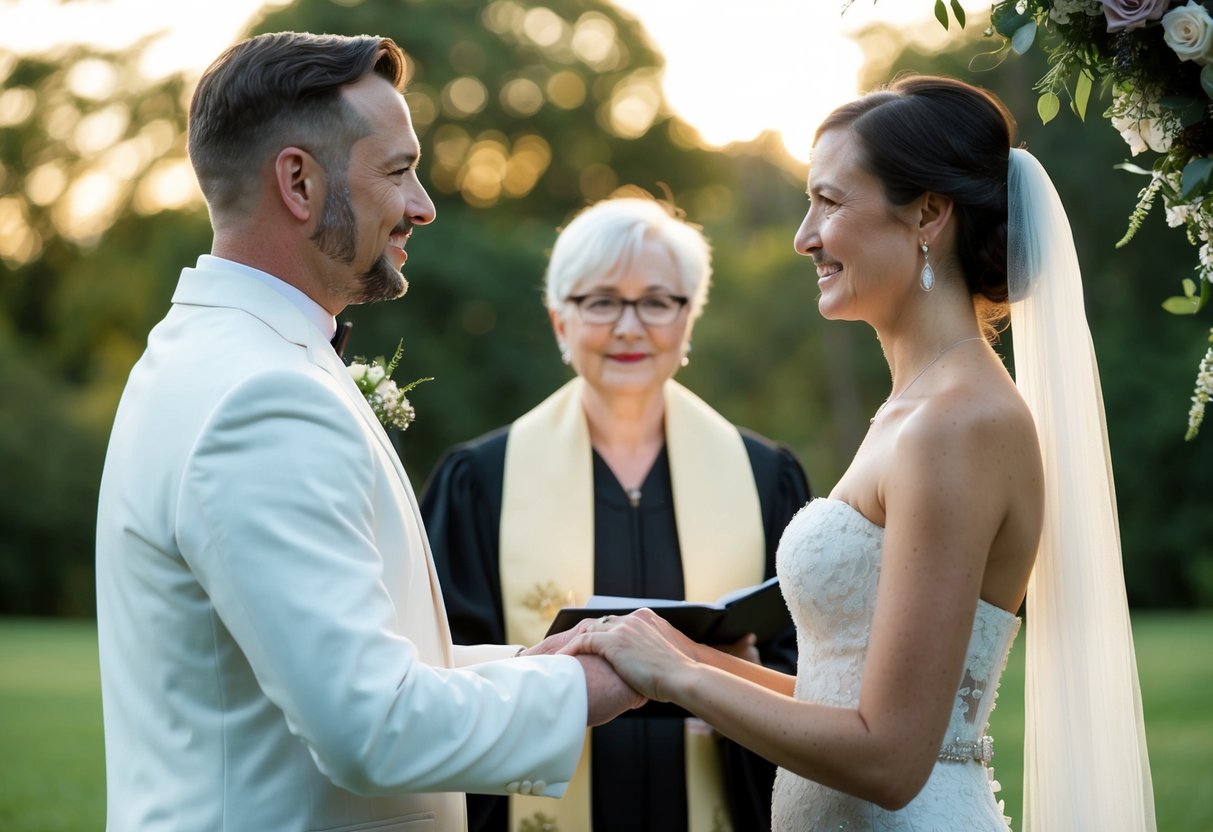
Planning your humanist wedding involves careful attention to both the celebrant and venue, as well as understanding the necessary legal steps. Here’s what you need to consider to create a meaningful ceremony.
Choosing Your Celebrant and Venue
Selecting the right celebrant is a key step in arranging your humanist wedding. A celebrant should be someone who understands your values and vision for the ceremony. They will work with you to create a personalized script that reflects your relationship, traditions, and desires.
Consider their experience with humanist weddings and check their availability for your chosen date. It’s wise to meet with them beforehand to discuss your ideas.
Next, choosing a venue that resonates with you is essential. Whether it’s a beautiful garden, a beach, or a cozy hall, the place should feel special. Make sure the venue can accommodate your guests comfortably.
Completing Legal Paperwork
For your marriage to be legally recognized, you must complete some paperwork. In most places, a formal civil ceremony is required before the celebrant-led wedding.
Start by contacting your local registration office to understand their specific requirements. You will need to provide documents such as identification and proof of residence.
If you are in a same-sex marriage, ensure that your chosen celebrant is licensed to conduct such ceremonies in your area.
The legal paperwork can sometimes feel overwhelming, but your celebrant can guide you through the process. Be proactive in completing everything well in advance to avoid any last-minute stress.
The Humanist Society: Advocacy and Support
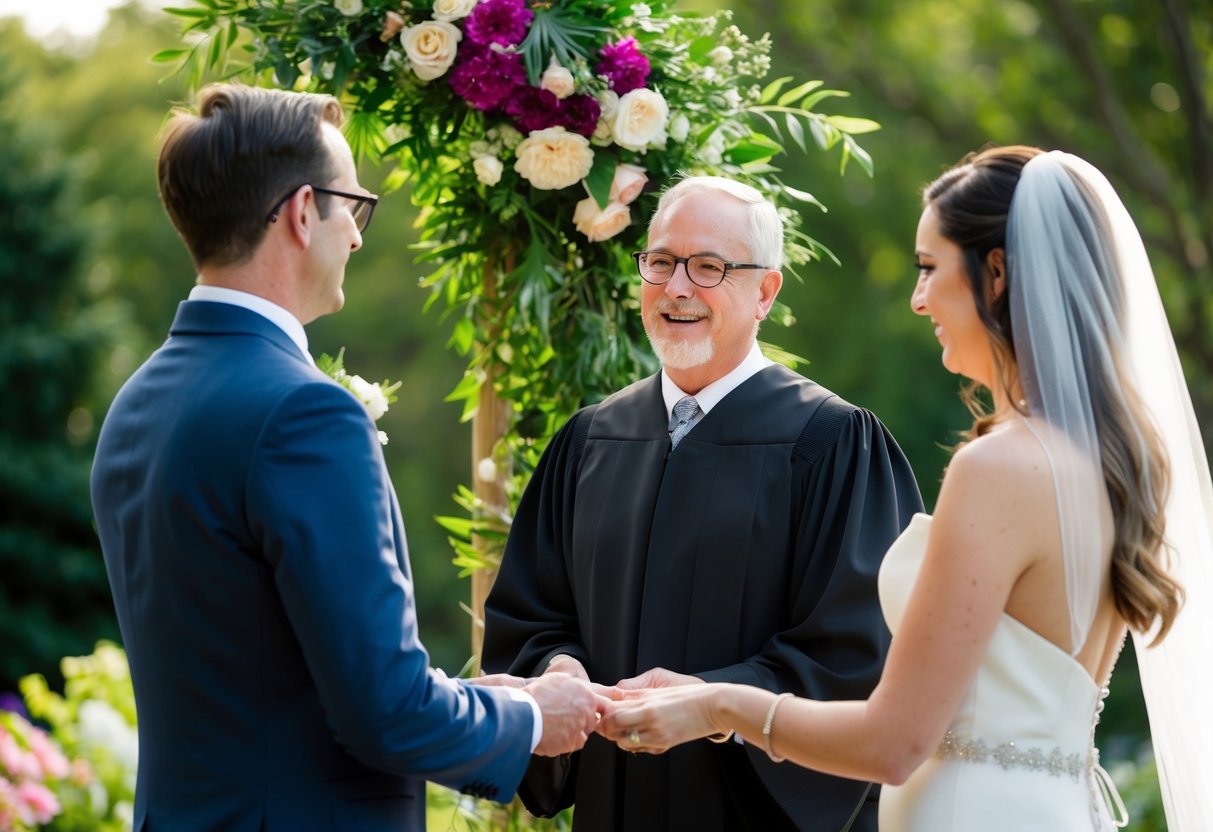
The Humanist Society plays a crucial role in supporting those who want a meaningful and personal ceremony. If you are considering a humanist wedding ceremony, their resources can be very helpful.
They provide training for celebrants, ensuring that they are well-prepared to conduct various ceremonies. These celebrations can include weddings, memorials, and other significant life events.
You can contact the Humanist Society for guidance on the legal aspects of a humanist celebrant officiating your wedding. They clarify that humanist celebrants have the same legal rights as clergy, allowing them to perform weddings in many locations.
In Scotland, the Humanist Society has been active since 2005, advocating for the recognition of humanist ceremonies. Their work has led to a broader acceptance of humanist weddings across the UK.
The society also offers support to celebrants and couples alike, helping you find the right person to create a ceremony that reflects your values and beliefs. They encourage open communication and trust between celebrants and those they serve.
If you’re seeking a ceremony that is completely secular and personalized, exploring the options provided by the Humanist Society can be a great step forward. Their commitment ensures you have the support you need as you plan your special day.