
Can a Jeweller Cut Off a Wedding Ring? Here’s What You Need to Know
If you find yourself wondering about the options for a stuck wedding ring, you’re not alone. Many people face this issue at some point.
Fortunately, a jeweler can cut off a wedding ring safely and effectively. They have the right tools and experience to handle various situations where a ring has become too tight or is stuck due to swelling or weight gain.
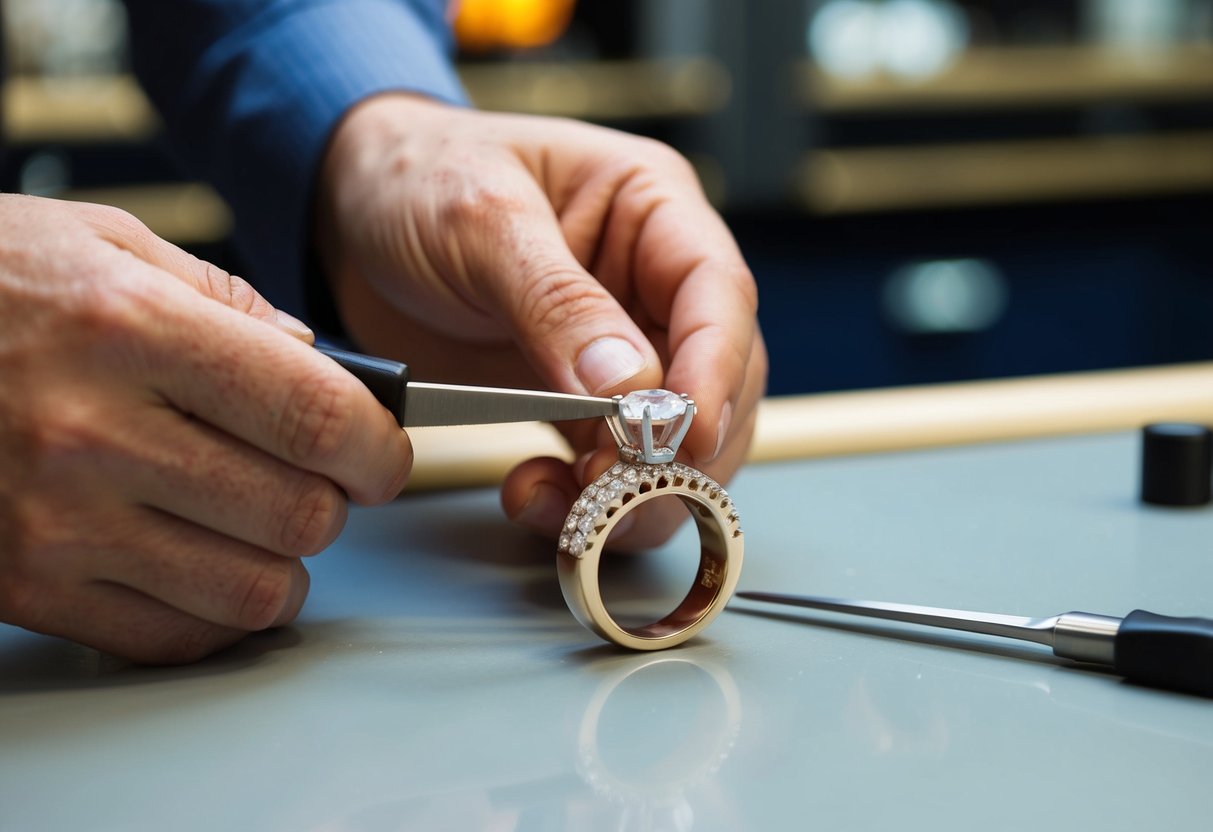
Knowing that there are professionals who can help adds some peace of mind. Most jewelers use specialized techniques to ensure your finger remains unharmed during the ring removal process. After taking off the ring, they can also advise you on repairs or resizing, keeping your cherished piece in great condition.
Whether it’s a ring made of gold, platinum, or another metal, a skilled jeweler can efficiently handle the job. If you’re facing a stubborn ring situation, don’t hesitate to seek help from a trusted jeweler who understands these challenges.
Understanding Ring Removal
When a wedding ring becomes tight, you might wonder why it happened and what risks are involved. Learning about the causes and health impacts can help you make informed decisions about removal.
Causes of a Tight Wedding Ring
A tight ring can happen for several reasons. Common causes include swelling due to injury, hot weather, or weight gain. Your fingers can also swell from everyday activities like exercise or even sitting with your arms down.
Sometimes, medical conditions such as arthritis or fluid retention can lead to a swollen finger. This swelling can tighten the ring, making it difficult to remove. It’s important to recognize the signs of a tight ring early.
If the ring starts to feel uncomfortable, it’s best to address it. Trying to remove a ring when your finger is swollen can lead to discomfort or potential injury.
Health Risks of a Stuck Ring
A stuck ring poses several health risks. The main concern is that it can cut off circulation to your finger. If the blood flow is restricted for too long, it can cause pain, numbness, or even more serious injury.
If you experience swelling, it’s crucial to reduce swelling. Techniques such as elevating your hand or applying ice can help ease the discomfort.
If the ring still won’t budge, seeking professional help is the next step. Jewelers can safely cut the ring without causing harm to your finger. Knowing when to act can prevent complications and keep your fingers safe.
How Jewelers Remove Rings
When a ring is too tight, jewelers use specific tools and techniques to safely cut it off. Understanding the tools and the process can help you feel more prepared if you ever need this service.
Professional Ring Cutting Tools
Jewelers rely on specialized tools for cutting rings. These tools are essential for safely removing rings without causing harm to your finger.
Common tools include:
- High-speed steel ring cutter: This tool is designed to cut through various metals quickly.
- Diamond blade: A diamond blade provides precision cuts, especially for harder materials.
- Cutting pliers: After making an initial cut, these pliers help widen the gap for easier removal.
Using the right tool is critical to ensure a clean cut while minimizing damage to the ring or your finger.
The Process of Ring Cutting
The cutting process starts with the jeweler assessing the ring and finger. They look for the best place to cut, often considering the design of the ring.
Steps typically include:
- Marking the cut: The jeweler marks where they will make the cut to ensure accuracy.
- Making the cut: Using a ring cutter or diamond blade, they carefully slice through the metal.
- Widening the gap: After cutting, they use pliers to gently open the ring, allowing it to slip off your finger.
This careful method helps reduce any potential damage while ensuring that the ring can often be repaired and worn again.
DIY Ring Removal Techniques
If you find yourself struggling to remove a ring, there are some effective DIY techniques you can try at home. Using safe lubrication methods and alternative removal methods can help make the process easier without causing damage to your finger or the ring.
Safe Lubrication Methods
Lubrication can assist in easily sliding the ring off your finger. Common household items work well for this purpose.
-
Soap: Applying soap can create a slippery surface, making it easier for the ring to move. Use a generous amount and work it into the area around the ring.
-
Baby Oil: A few drops of baby oil can provide a smooth glide. Massage it around the ring for better effectiveness.
-
Petroleum Jelly: This thick lubricant adds a protective barrier, making it easier for the ring to slide off.
-
Hand Lotion: A small amount of hand lotion can also be effective. The added moisture can help reduce friction.
Try these lubricants and see if they help the ring come off your finger more easily.
Alternative Removal Methods
Sometimes, you may need to take extra steps if lubrication doesn’t work. Here are some alternative methods.
-
Dental Floss: You can use dental floss to help push the ring off. Wrap the floss around your finger tightly, starting below the ring. Then, work the end of the floss upward, encouraging the ring to slide off.
-
Ice Pack: If your finger is swollen, applying an ice pack can reduce swelling. Keep it on for 10-15 minutes before trying to remove the ring.
-
Household Tools: In some cases, tools like a ring cutter can be used, but these should be handled with care. If you’re not confident, show it to someone with experience.
Try these alternative techniques if lubrication isn’t enough.
After Removing the Ring
After a jeweler successfully removes your wedding ring, it’s important to take care of both your finger and your ring. You may need to address any medical issues and consider options for ring repair or resizing.
Treating the Finger Post-Removal
Once the ring is removed, check your finger for signs of damage or irritation. If your finger is swollen or discolored, you may want to apply a cold compress to reduce swelling. It’s important to keep the area clean to prevent infection.
If you notice any persistent pain or unusual symptoms, don’t hesitate to seek medical help. In some cases, you may need to visit an emergency room for further evaluation. They can assess any damage and recommend treatment if needed. Taking these steps will help ensure your finger heals properly.
Repairing and Resizing the Ring
After your finger is treated, you should think about your wedding ring. Many rings can be repaired or resized.
A jeweler can assess the repair needs and suggest options if your ring was damaged during removal. Common repair methods include reshaping the band or replacing any lost stones.
Meanwhile, resizing may involve adding or removing material if your ring no longer fits. Techniques like using sizing beads can help adjust the fit without altering the ring’s structure.
Depending on the metal type, such as gold or platinum, repair methods may vary. Make sure to discuss the best solutions with your jeweler to restore your ring to its original beauty.