
Can a Mother of the Bride Walk Down the Aisle Alone? Exploring Her Special Role
Walking down the aisle is often seen as a moment filled with tradition and expectation, especially for the mother of the bride. Many may wonder, can a mother of the bride indeed walk down the aisle alone if she chooses to do so. This choice can express her independence and strength, showing her confidence as she supports her daughter on this special day.
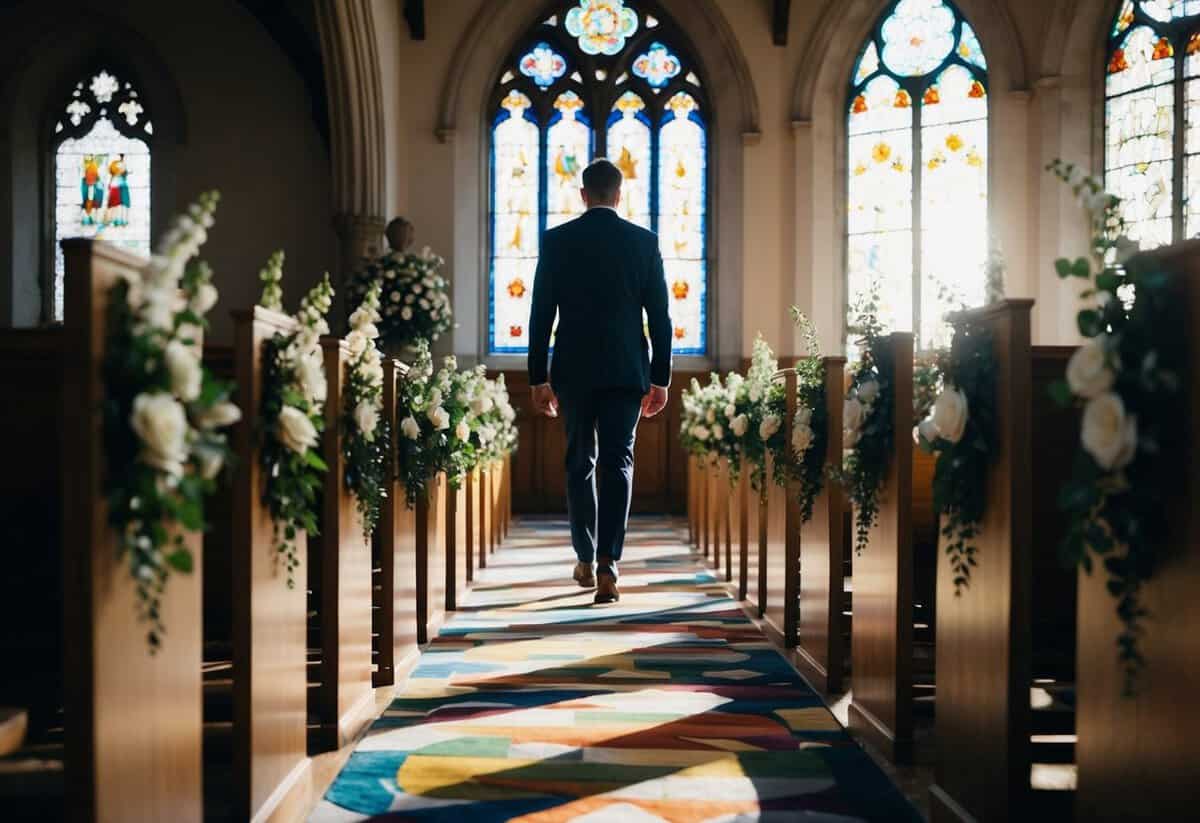
Deciding whether to walk solo can also depend on personal circumstances, such as family dynamics or past experiences.
For some mothers, walking down the aisle alone can symbolize a new chapter in life. It’s a powerful statement reflecting her individuality while still honoring the love between her and her daughter.
If you’re navigating this decision, you’re not alone. Many mothers are embracing the idea of walking down the aisle independently, redefining what this moment means to them. Exploring the reasons behind this choice can inspire you to make the best decision for your own special day.
Considering the Role of Tradition
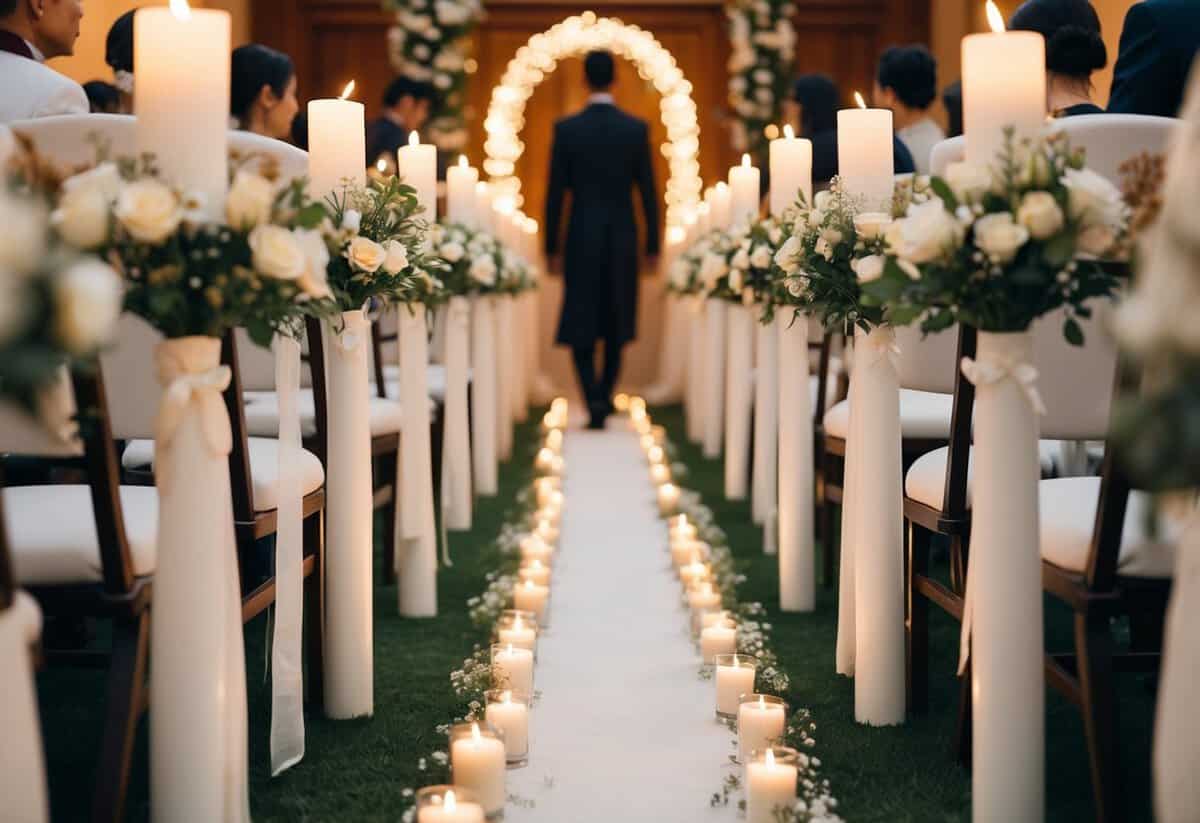
Tradition plays a crucial role in weddings, influencing various aspects of the ceremony, including who walks down the aisle. These customs often reflect cultural values and family ties, shaping how different ceremonies unfold.
The Significance of Walking Down the Aisle
Traditionally, the father of the bride walks his daughter down the aisle to give her away. This moment symbolizes the father’s approval and support for his daughter’s union. It is a powerful gesture that highlights family bonds.
In recent years, many brides are choosing to break this tradition. Some mothers walk alone or with their children instead. This choice can represent independence and strength, showcasing a new perspective on family roles during the wedding ceremony.
The Evolution of Wedding Traditions
Wedding traditions are constantly evolving. In Jewish tradition, for example, the father typically escorts the bride, but this is not a strict rule. Some brides may opt for their mother, siblings, or even close friends to accompany them.
Culture influences these choices as well. Different cultures have unique customs regarding who walks down the aisle. As society changes, wedding ceremonies adapt to reflect these shifts in beliefs and values. This evolution allows greater flexibility and personal expression during a wedding, making it more meaningful for everyone involved.
The Mother of the Bride’s Independence
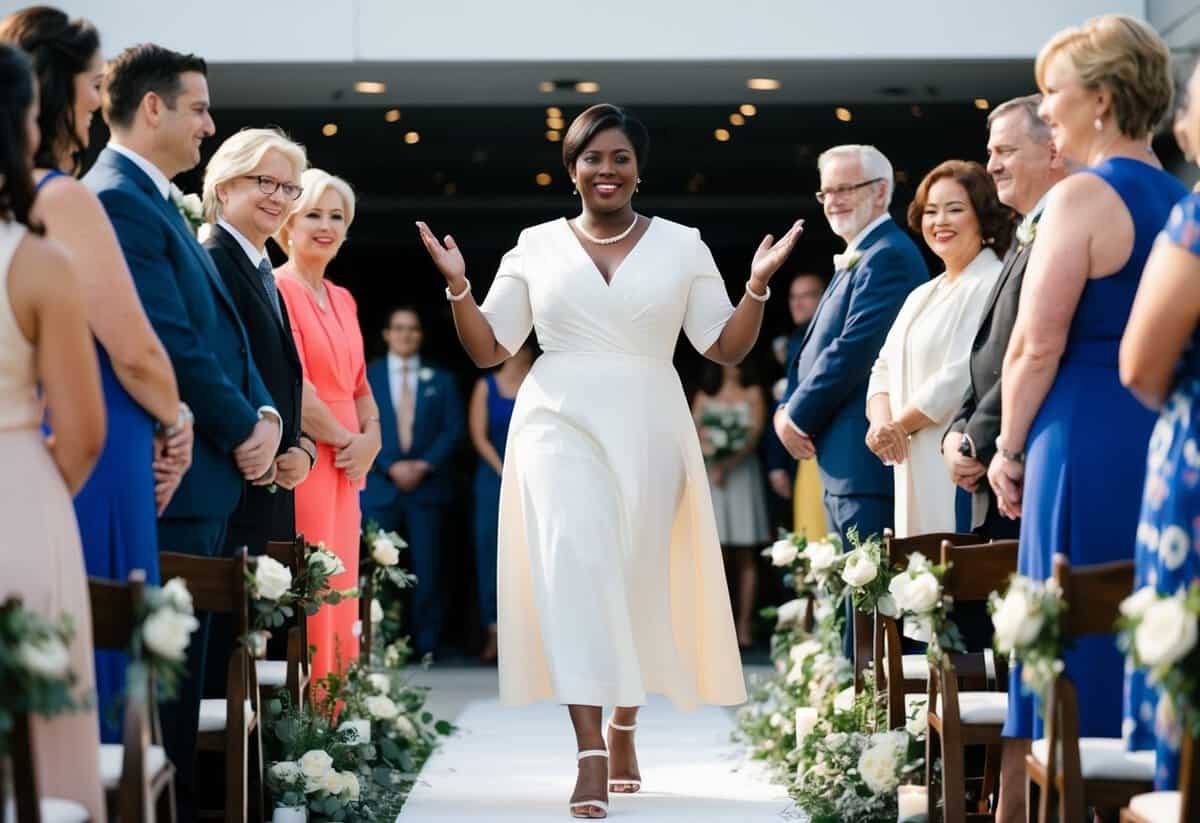
Walking down the aisle is a personal moment for a mother of the bride. Many factors shape her decision about whether to walk alone or be escorted. Independence can bring empowerment and joy during this special day.
Embracing Solo Moments
Deciding to walk down the aisle alone can be a powerful statement of independence. It symbolizes strength and self-reliance. You may find that taking this step allows you to shine on your daughter’s big day.
Walking solo shows that you are comfortable with who you are. It can set a positive tone for the ceremony. This moment is about celebrating your journey, showing that love and support can come from within. You can use this time to reflect on the moment and enjoy the attention as you walk gracefully to meet your daughter.
Alternative Escorts Aside from the Father
Sometimes, family dynamics make traditional escorting difficult. The mother of the bride might be divorced or prefer a different escort. Choosing a stepfather, male relative, or close friend can add special meaning.
If you are not walking alone, consider who holds significance in your life. You may feel empowered choosing someone who shares a close bond with you. This alternative can also highlight the support system surrounding your daughter. Whether it’s a brother, son, or dear friend, having them beside you can enhance your experience and connection to the ceremony.
Planning the Processional
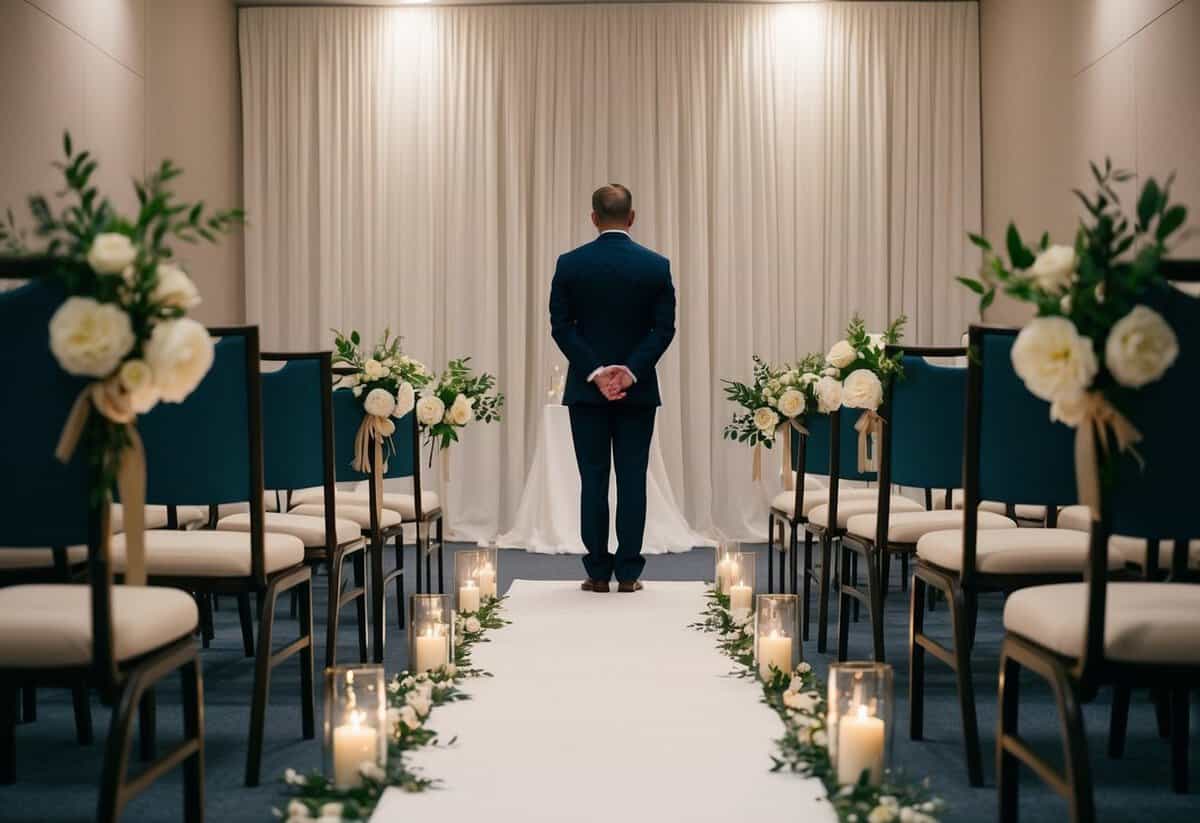
Planning the processional is all about setting the right tone for your wedding ceremony. You’ll want to think carefully about the order of people walking down the aisle and how to include those you love, even pets.
Processional Order and Etiquette
The processional order is key to creating a smooth flow during the ceremony. Traditionally, the order starts with family, such as grandparents, followed by the groom’s mother, and then the bride’s mother. After them, the wedding party, including bridesmaids and groomsmen, walks down the aisle.
To keep things organized, you might consider using a wedding planner. They can help ensure everyone knows their role and when to walk. Don’t forget to discuss any special traditions or cultural practices that may influence the order. Making a clear plan will help everyone feel comfortable and excited.
Including Loved Ones and Pets
Including loved ones in the processional adds a personal touch to your ceremony. If your mother wants to walk alone, that’s perfectly fine. It’s a powerful statement of independence. Alternatively, she could be escorted by a family member or significant other.
You might also think about incorporating pets into the processional. Many couples are now including their furry friends, creating a delightful moment as they walk down the aisle together. Make sure to plan how this will work, especially around the altar. Your guests will appreciate the special touch!
Support and Sentimentality on the Wedding Day
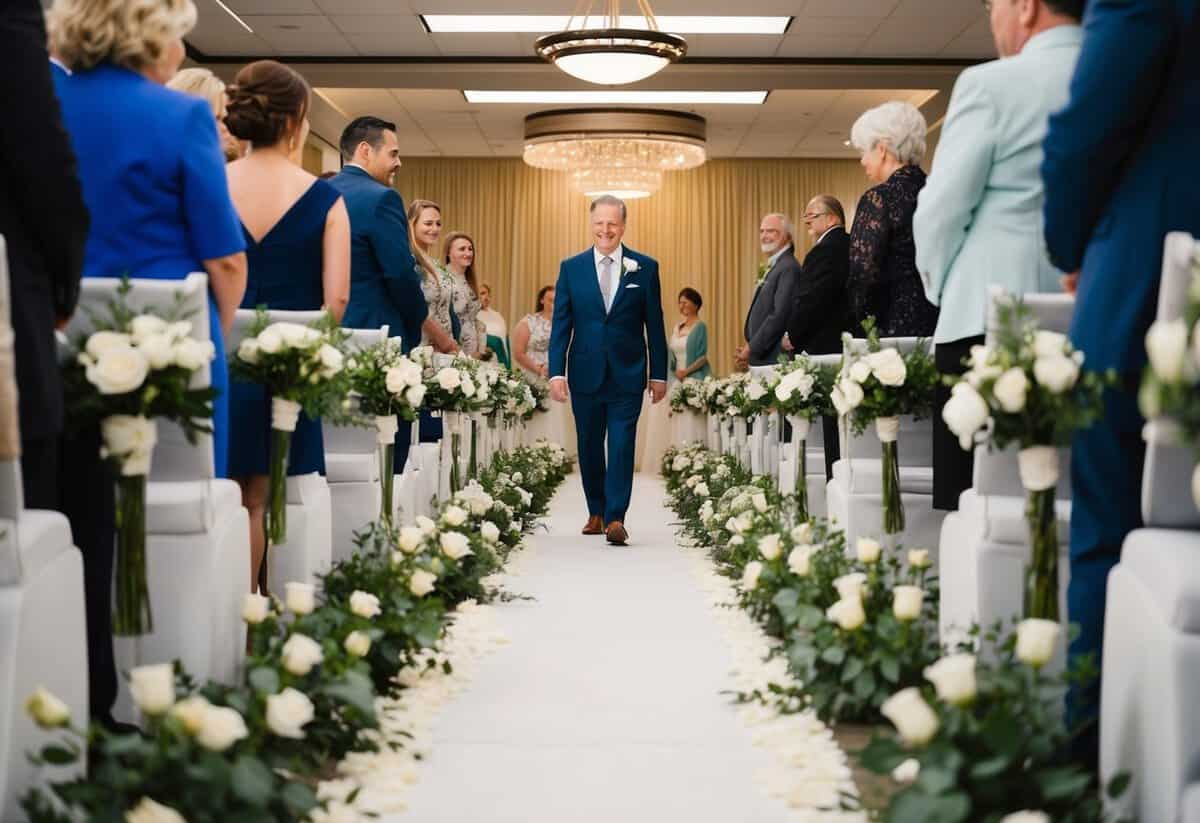
Weddings are deeply emotional events. They bring together family and friends to celebrate love and support. The roles of those attending can greatly impact the day, adding to its significance.
Roles of Family and Friends
Your family and friends play vital roles on your wedding day. These loved ones provide support, joy, and comfort during a time filled with excitement and nerves.
Many mothers want to share this moment with someone special. If the mother of the bride walks down the aisle alone, it symbolizes her strength. This choice can be empowering, highlighting her independence.
Alternatively, having a supportive family member or close friend accompany her can bring warmth and closeness. It reinforces the bonds of love that surround you on this significant day. Whether it’s a sibling, a close friend, or another family member, their presence can make the moment even more special.
Honoring Loved Ones in the Ceremony
Incorporating family and friends into the ceremony creates a deeper emotional connection. Many couples choose to honor loved ones who may not be present. This can be done through special rituals, photographs, or dedicated moments during the ceremony.
You might consider lighting a candle in memory of a loved one or displaying photos on a memory table. These actions remind everyone of the important people in your life and the love that surrounds your union.
Including family members in readings or musical performances can also enhance the ceremony’s intimacy. This way, everyone feels involved in celebrating your love. It transforms a simple wedding into a heartfelt gathering filled with support and sentimental moments.