
Can a Registrar Marry You Anywhere? Discover the Flexibility of Civil Ceremonies
When planning your wedding, you might wonder about the role of a registrar and where they can conduct your ceremony. A registrar can legally marry you, but they are limited to specific venues approved by law. This means you can’t just pick any location; it must be a registered building or a designated space recognized by your local authority.
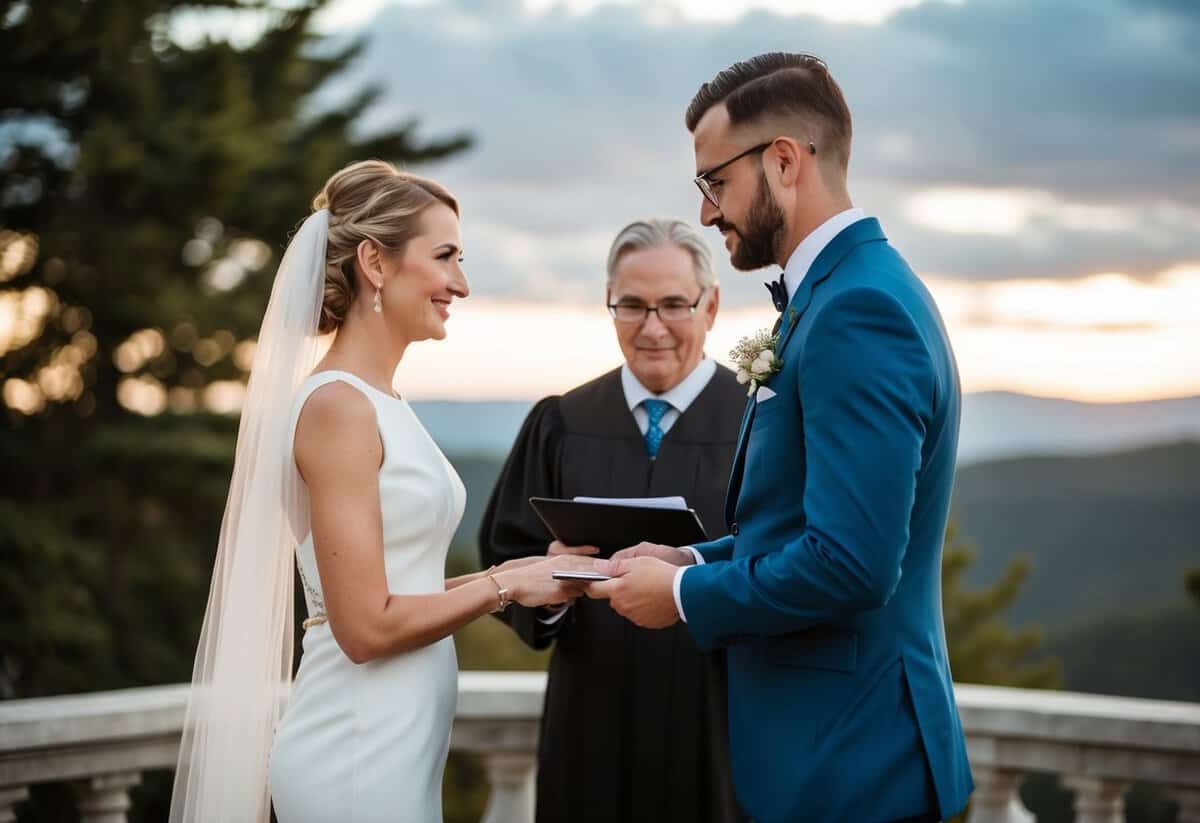
Understanding the rules around where a registrar can officiate is key to your wedding planning. If you have a special location in mind, like a park or a family home, you may need to consider hiring a celebrant instead. This option could offer more flexibility in terms of where and how you celebrate your big day.
As you navigate through the complexities of wedding planning, knowing your options will help you make informed choices. You want your day to be perfect, so let’s explore what you need to know about choosing a registrar and the venues available for your ceremony.
Understanding the Role of a Registrar
A registrar plays a key role in the legal aspects of marriage and civil partnerships. Their responsibilities and limitations differ significantly from those of a celebrant. It’s essential to know these differences and what a registrar can legally do for your ceremony.
Difference Between a Registrar and a Celebrant
A registrar is an official who can legally conduct a civil marriage ceremony or civil partnership. They are employed by the local authority. This means they can only perform the ceremony in specific locations, such as a Registry Office or other licensed premises.
On the other hand, a celebrant offers more creative freedom in planning your ceremony. While they provide a personalized touch, they cannot legally marry you. You can have a celebrant conduct your ceremony and still make it official by having a registrar perform the legal aspects at a different time or venue.
Legal Powers of a Registrar
Registrars have the legal authority to conduct marriage and partnership ceremonies. They must adhere to specific guidelines set by law. For instance, registrars cannot include religious or spiritual content in their ceremonies.
If you wish to have a civil ceremony or partnership, you must follow the legal requirements. You will need to give notice of your intention to marry at your local registry office. This step usually requires you to provide documents like passports and proof of address.
Legal Requirements for a Marriage Ceremony
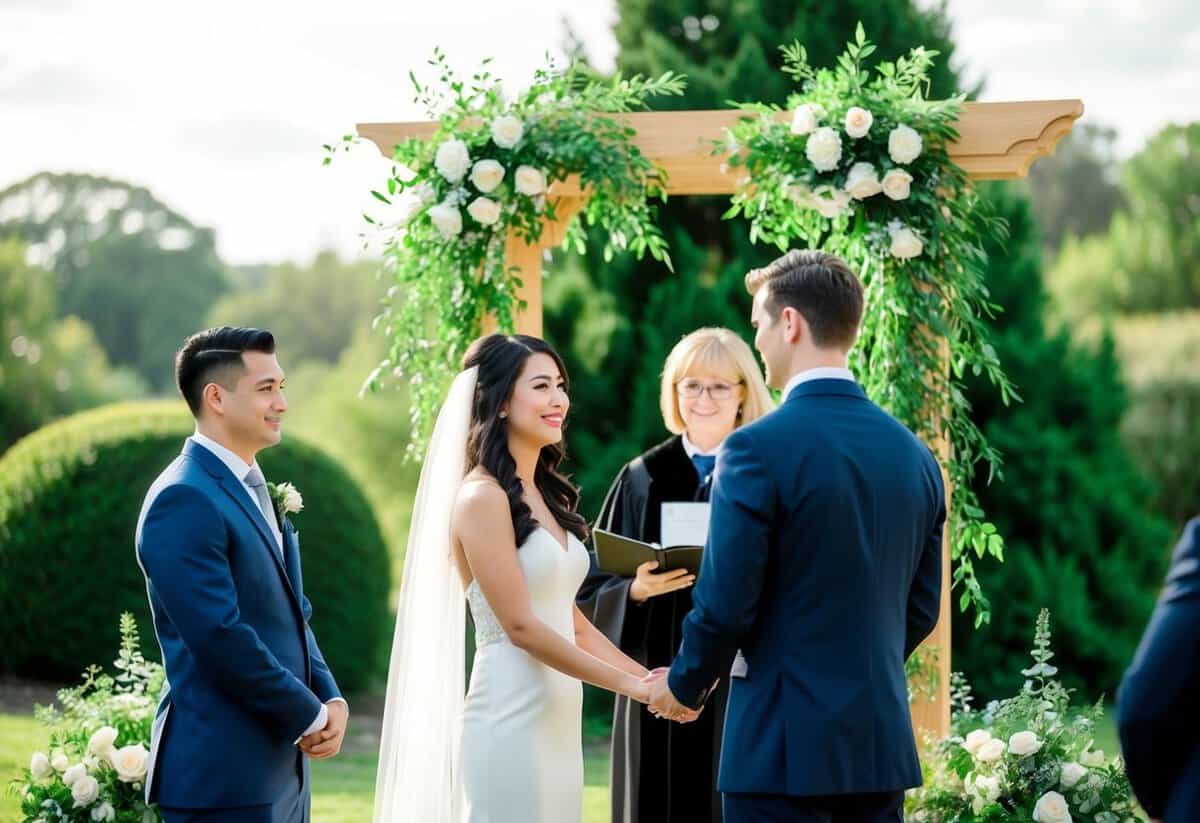
When planning a marriage ceremony, it’s important to be aware of the legal requirements involved. This includes filing the necessary notices, obtaining a marriage license, considering venue restrictions, and understanding the role of witnesses and documentation.
Notice for Intended Marriage
Before a marriage can take place, you typically must submit a notice for intended marriage. This notice informs the registrar of your plan to marry and often requires specific documents. Common documents include your birth certificate and a valid passport for identity verification.
The notice period usually lasts for 28 days but can vary by location. If either party has been previously married, you may also need to provide a death certificate or divorce decree. This notice is essential, as it ensures there are no legal barriers to your marriage.
Obtaining a Marriage License
After submitting your notice, the next step is obtaining a marriage license. You’ll usually need to complete a marriage license application, which may require personal information such as names, dates of birth, and immigration status.
In most locations, both partners need to apply together in person. There may also be a fee involved. The marriage license typically has an expiration date, so be sure to plan your ceremony accordingly. Having your license in hand makes your ceremony legally binding.
Venue Restrictions and Permissions
Choosing where to get married can be exciting, but it’s essential to consider any venue restrictions. Some locations require specific permissions, while others may not be authorized for marriages at all.
If you plan to marry in a public space, like a park, check local regulations. You might need a permit, especially for larger gatherings. If you’re using a private venue, confirm their ability to accommodate marriages and any required forms. Being aware of these details can save you from last-minute complications.
Witnesses and Documentation
Every legally binding marriage requires witnesses. Typically, you need at least one or two witnesses present during the ceremony. They must be of legal age, often 18 or older, and will sign the marriage certificate afterward.
Alongside witnesses, ensure you have all necessary documentation ready for the ceremony. This may include your marriage license, identification, and any divorce or death certificates, if applicable. Having everything organized helps the ceremony run smoothly and securely documents your commitment.
Planning Your Ceremony with a Registrar
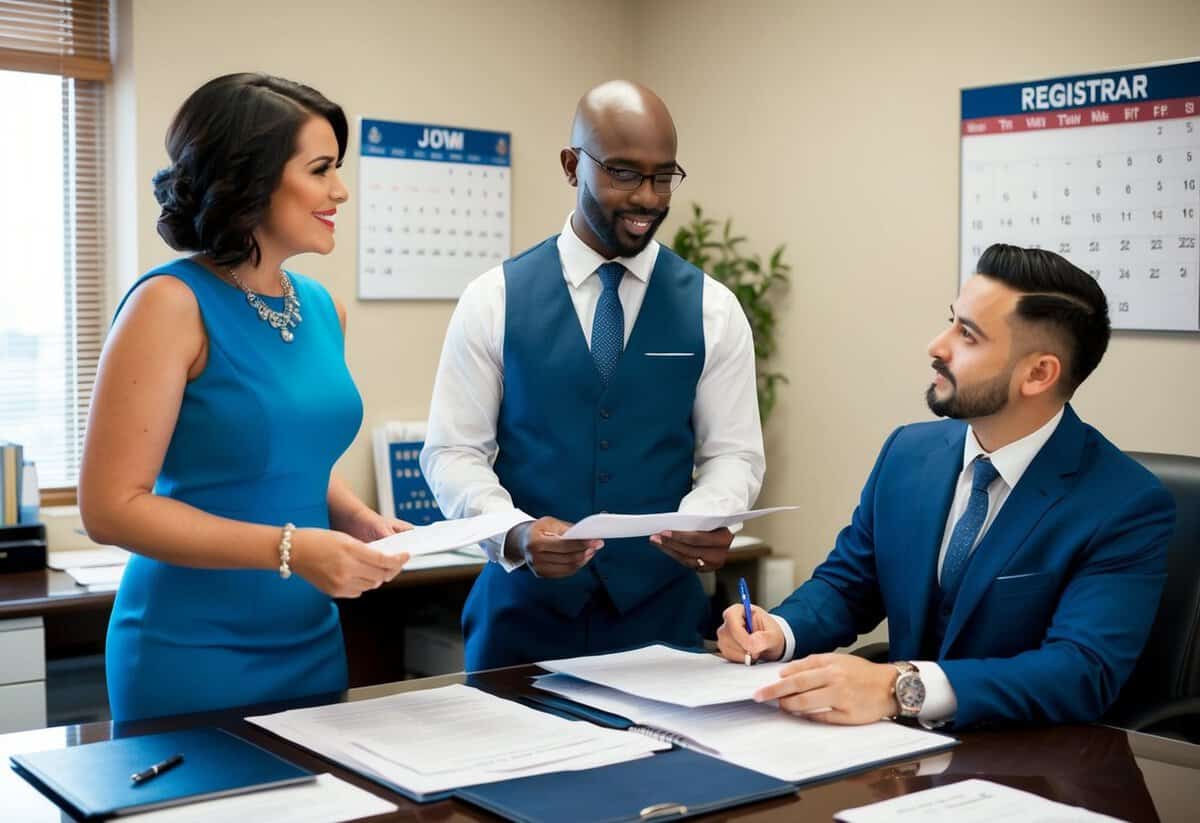
When planning your ceremony, working with a registrar involves specific steps to ensure everything goes smoothly. This section covers how to book your appointment and how to personalize your wedding ceremony.
Booking an Appointment
To start, you need to book an appointment with your local registrar. They typically have specific office hours, so check when they are available. You may need to visit the registrar’s office in person along with your partner to give notice of your marriage.
During this meeting, you’ll need to provide some important documents, such as proof of identity and address. You can ask the registrar about their available dates and times for the ceremony. Remember, registrars can only perform weddings at licensed venues, like certain hotels or event spaces, or at their own offices.
It’s wise to schedule your appointment well in advance to secure your preferred date. On average, you should plan a few months ahead if possible.
Personalizing the Wedding Ceremony
While registrars must follow certain legal protocols, they also try to make your ceremony special for you. However, your vows must follow prescribed wording. Personal vows are often allowed, but confirm this with your registrar.
You can choose to include special readings, songs, or even a religious blessing if it fits within the guidelines. It’s important to talk to your registrar about what can be included to ensure your wishes are met.
Also, if you’re considering a celebrant for added personalization, remember they allow more freedom with ceremony content, while the registrar will be more structured. So, think carefully about the type of ceremony you want.
Marriage Considerations for Specific Circumstances
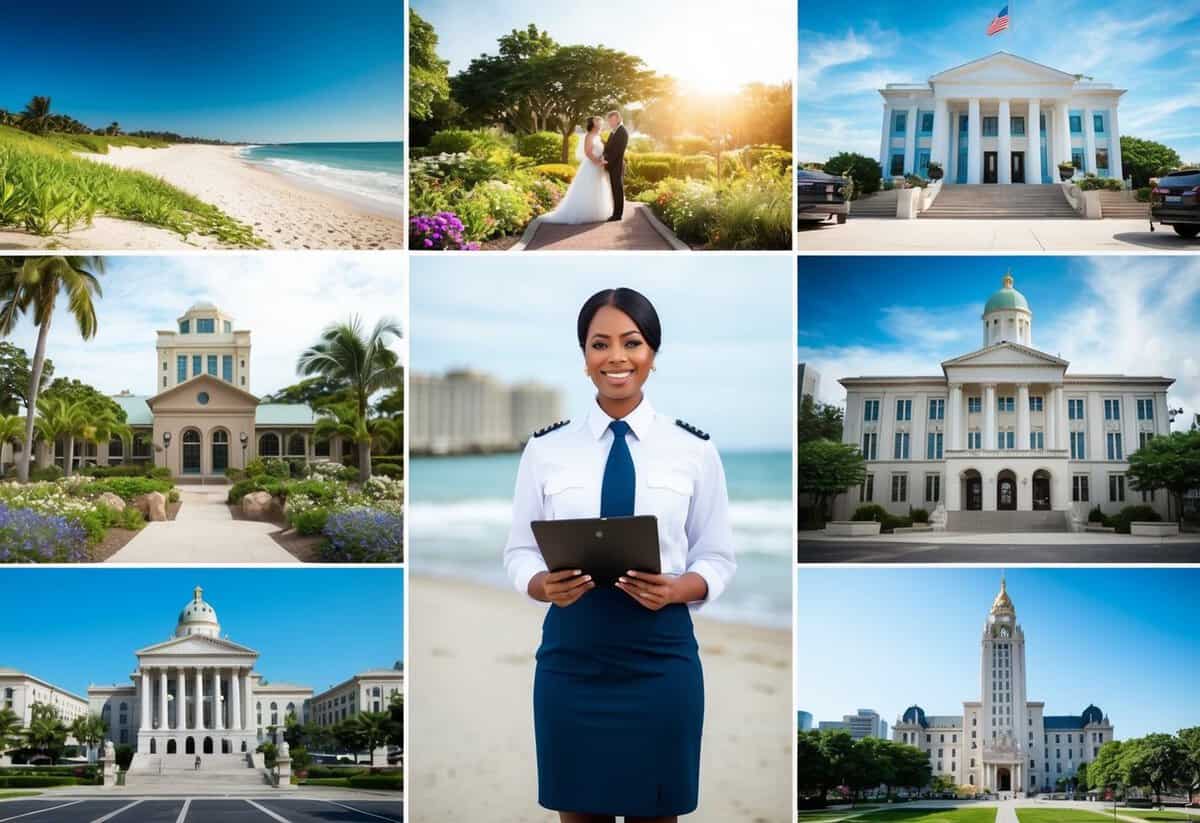
When planning your marriage, specific circumstances may affect your experience. Understanding local regulations, name changes, and visa issues can make your journey smoother.
Destination Weddings and Local Regulations
If you’re considering a destination wedding, it’s crucial to check the local marriage laws. Each location has its own requirements. Some may need residency periods, while others might require specific documents like identification or proof of divorce, if applicable.
For example, many countries require a marriage license obtained in advance. This can mean paperwork be sent to the local authorities.
Additionally, consider how local customs might impact your ceremony. For instance, some locations may have unique traditions or regulations surrounding same-sex marriages. Always research beforehand to avoid surprises.
Name Change and Post-Marriage Procedures
After tying the knot, you may want to change your name. This process can vary by state or country. Generally, you’ll need to start with your marriage certificate as proof.
Make a list of places to update your name, including:
- Social Security Administration
- Banks and financial institutions
- Driver’s license office
Don’t forget other important documents like passports, insurance policies, and professional licenses.
You should also consider the impact of your name change on family visa applications or any EU settlement schemes if you’re moving to a different country.
Marriage for Non-Citizens and Visa Issues
Non-citizens should consider certain factors when getting married abroad. For instance, getting married abroad can affect visa options. In many countries, a marriage can be a pathway to residency.
Make sure to have the right documentation, such as birth certificates or passports. Also, familiarize yourself with the family visa process. This is especially important if you plan to reside together in your spouse’s home country.
If you’re a same-sex couple, ensure that the country recognizes your marriage in terms of residency and visa rights. Some nations may have restrictions or specific processes for non-citizen couples. Always consult local laws to ensure a smooth experience.