
Can a Registrar Marry You at Home? Understanding the Process and Requirements
Getting married in the comfort of your own home can sound appealing, especially if you want a more personal touch on your special day. In England and Wales, a registrar can marry you at home if your home is an approved venue. This option makes it easier to celebrate with close family and friends without the stress of a traditional venue.
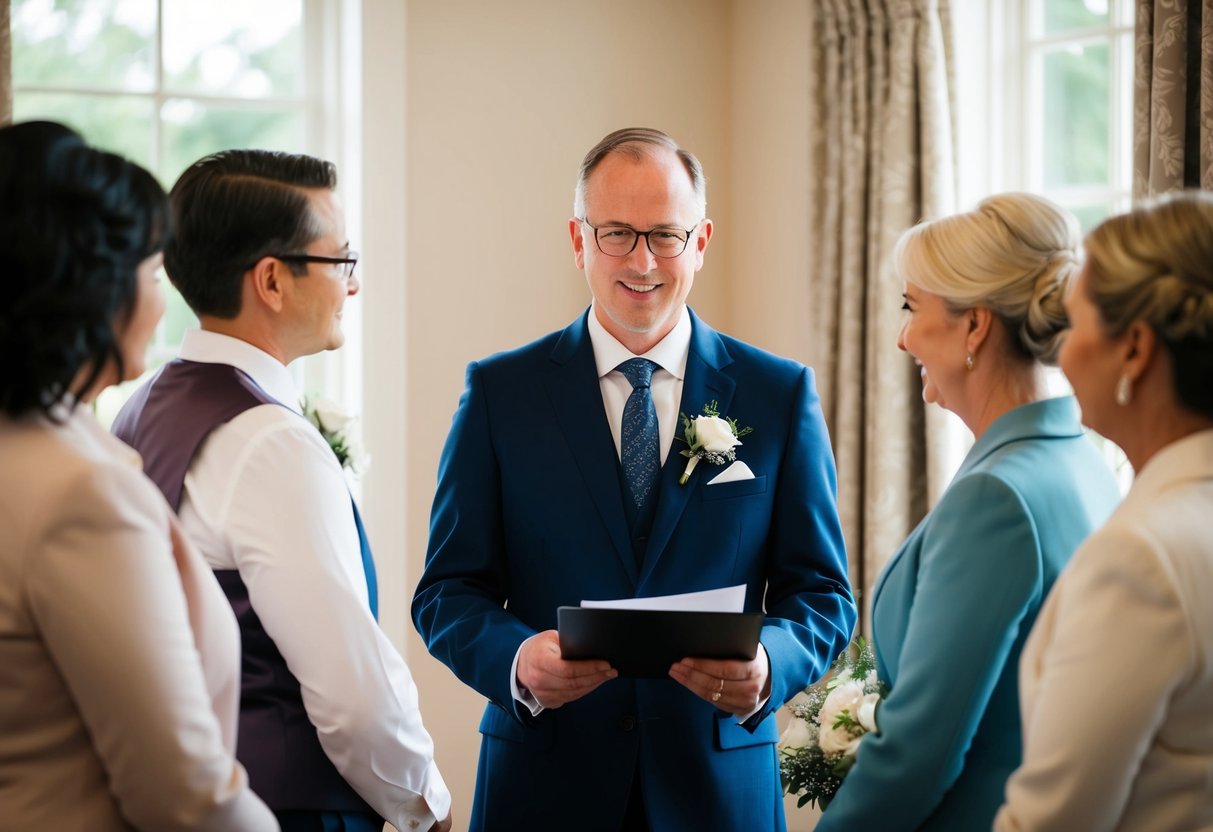
Planning a wedding at home offers many advantages, like avoiding rental fees and allowing more freedom with decorations and music. You’ll also create a cozy atmosphere that reflects your style. However, there are some important details to consider, such as obtaining a marriage license and hiring a wedding officiant.
If you’re curious about how to navigate this process, you’re in the right place. Understanding the requirements and options available can help you create a memorable wedding that truly feels like yours.
Understanding the Role of a Registrar in Marriage Ceremonies
A registrar is key to making sure your marriage is legal and recognized. They handle the official parts of the ceremony and help keep things running smoothly. Here’s what you need to know about their role.
What Is a Registrar?
A registrar is a local authority employee who specializes in marriage and civil partnership ceremonies. They are responsible for ensuring that all legal requirements are met during a marriage.
To have a legal marriage, you need a registrar to perform the ceremony. After the ceremony is complete, they issue the marriage certificate. This certificate is important for legal recognition of your marriage.
Registrar vs. Celebrant
It’s essential to know the difference between a registrar and a celebrant. A registrar can legally marry you during a civil ceremony, but their role is limited. They follow strict guidelines and cannot include any religious or spiritual content in the ceremony.
On the other hand, a celebrant can create a personalized ceremony tailored to your wishes. If you want a unique touch, consider having both. The registrar handles the legal aspect, while the celebrant adds special elements to the celebration.
Registrar’s Duties During a Marriage Ceremony
During your marriage ceremony, the registrar has specific duties to ensure everything goes smoothly. They will verify your identity and check your documents before the ceremony begins.
Then, they read specific legal wording, which is necessary for your marriage to be valid. After the ceremony, they will also help you sign the marriage register, an official record of your marriage.
Finally, the registrar issues your marriage certificate. This document is vital, as it serves as proof of your legal marriage. Remember to ask any questions if you’re unsure about the process.
The Legalities of Marrying at Home
When considering a home wedding, it’s essential to understand the legal requirements and options available. You need to know what is required for a civil ceremony at home, how it differs from marrying at a licensed venue, and what documents you will need to ensure everything is legal.
Understanding the Legal Requirements
To marry at home, you must meet specific legal requirements. First, confirm that your home can be an approved venue. In England and Wales, it needs to be licensed for civil ceremonies.
You will also need to give notice of your marriage at your local registry office. This notice must be done at least 28 days before the wedding. Both partners must live in the registration district for at least seven days before giving notice. After completing these steps, you can legally marry.
Register Office vs. Licensed Venues
Choosing between a register office and a licensed venue is crucial. A register office is a straightforward option for smaller ceremonies.
Licensed venues, including homes, can offer a more personal touch. If you prefer to marry at home, ensure it is a licensed venue. This will allow you to have the registrar conduct the ceremony at your location. Remember, you cannot have a home wedding without the proper licensing.
Requirements for a Civil Ceremony at Home
To hold a civil ceremony at home, you need to meet several requirements. First, make sure to obtain a temporary marriage license if your home is not already a licensed venue.
Next, arrange for a registrar to officiate your ceremony. The registrar will read a legal statement to confirm the marriage. You also need two witnesses present at your ceremony. After the wedding, you will receive a marriage certificate, which serves as legal proof of your marriage. Be sure to keep this document safe, as it is essential for legal matters in the future.
Planning a Home Wedding with a Registrar
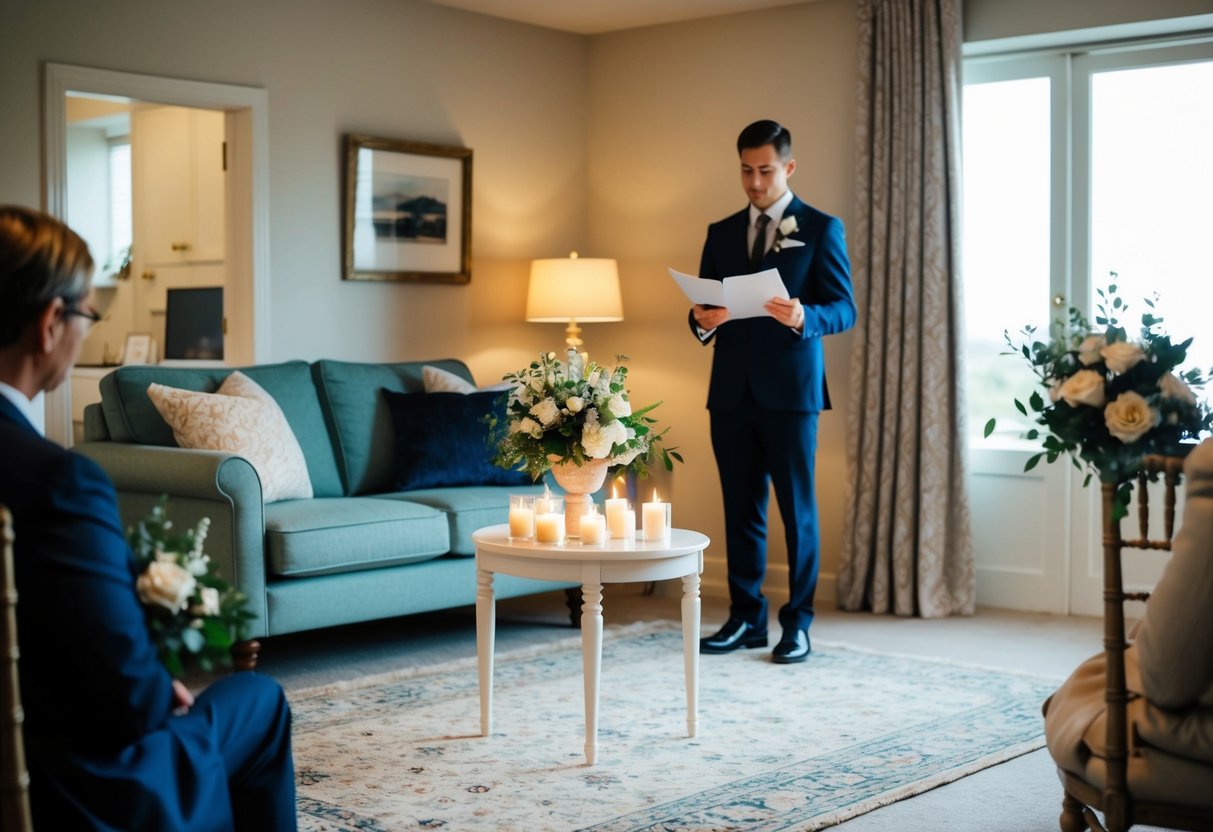
When planning a home wedding with a registrar, there are important steps you need to follow. This process includes giving notice and obtaining a marriage schedule. You also need to choose the right registrar and understand the role of witnesses.
Giving Notice and Marriage Schedule
Before you can get married at home, you must give notice of marriage. This means you need to book an appointment at your local registry office to inform them of your intent to marry.
During this appointment, you’ll need to provide proof of identity and address, such as a passport or utility bill.
After giving notice, you’ll receive a marriage schedule. This document confirms that you are legally allowed to marry. Make sure to complete this step at least 28 days before your ceremony, as there is a waiting period.
Choosing the Right Registrar for Your Home Wedding
It’s important to select a registrar who fits your vision for your home wedding. Check your local council’s website for registered officers who can conduct ceremonies at home.
When contacting potential registrars, ask about their experience with home weddings. Discuss any specific requests you might have for the ceremony.
Keep in mind that registrars have to follow legal guidelines. This means that while they can help guide your ceremony, there may be restrictions on the content.
Choosing a registrar who understands your preferences can help make your special day memorable.
The Role of Witnesses and Family
Witnesses play an essential role in the wedding ceremony. You’ll need at least two witnesses present during your home wedding. These witnesses must be over 16 years old and understand English.
You can choose family members or friends that you feel comfortable with. Their presence adds support and joy to the occasion.
Additionally, having family around can make the day feel even more special. It’s a great way to include loved ones in your celebration. Be sure to communicate your plans with them so everyone knows what to expect on your big day.
Personal Touches for Your Home Marriage Ceremony
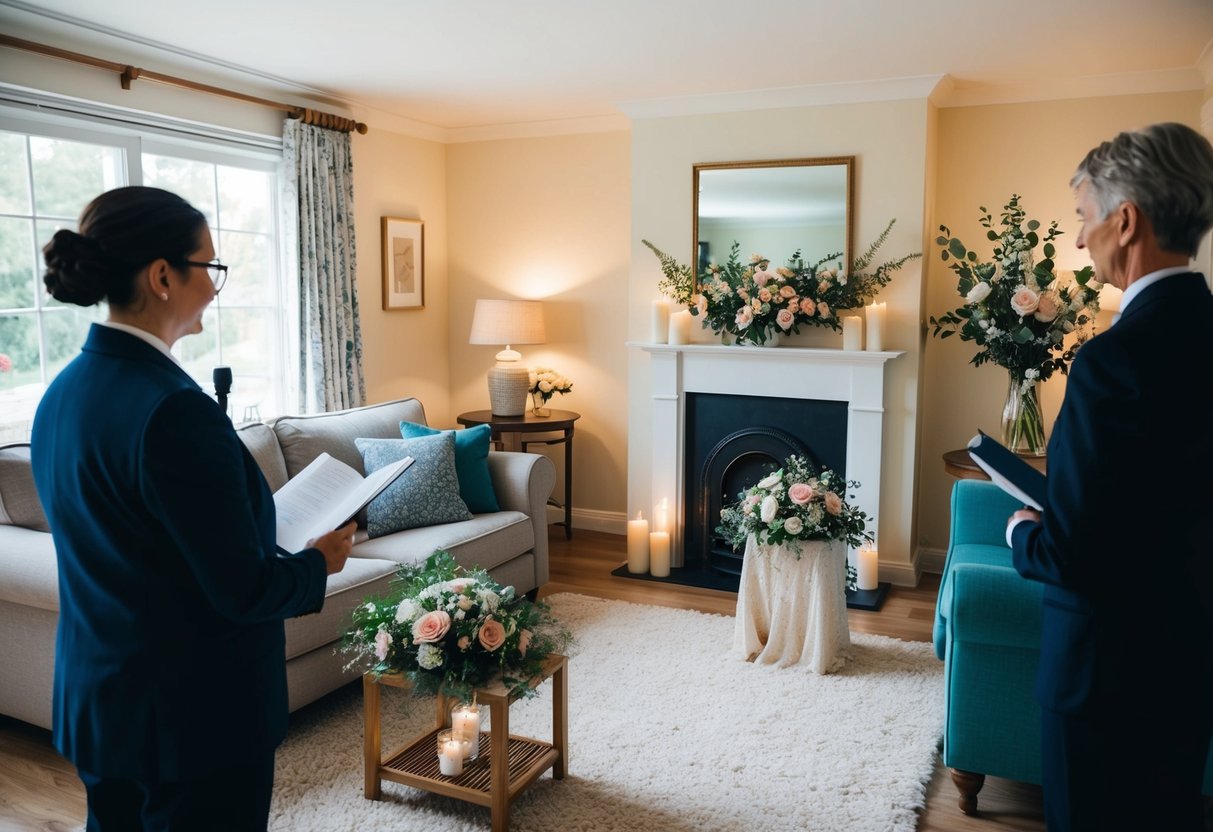
A home marriage ceremony offers a unique chance to personalize your special day. You can infuse elements that truly reflect you and your partner, making the celebration authentic and meaningful.
Incorporating Personal Vows and Readings
Personal vows add a heartfelt touch to your ceremony. You might choose to write vows that express your love, dreams, and promises. This is an opportunity to share your unique story.
Consider including special readings that resonate with both of you. These can be poems, excerpts from your favorite books, or meaningful quotes. You could ask a friend or family member to read them.
This approach makes the ceremony feel more intimate. Sharing personal vows and readings strengthens your bond in front of loved ones.
Creating a Memorable Atmosphere
The atmosphere plays a big role in your home wedding. Start with decorations that reflect your style. Use flowers, lights, and personal mementos that have meaning to you both.
Choose a suitable area in your home for the ceremony. Make sure it’s comfortable for guests and has enough space for any celebrant or officiant you may hire.
Consider adding personal elements like a unity ceremony. This could be lighting a candle or planting a tree together. Each detail contributes to a warm and memorable experience.
Post-Ceremony Considerations
After the ceremony, think about how you’ll celebrate. You could have a casual reception with family and friends right at home.
If you need to make any name changes after your marriage, it’s a good idea to plan this in advance. Planning ahead will help you with future documents like your passport or applying for a death certificate.
If a celebrant officiated your wedding, ask them for a copy of your marriage certificate. This ensures everything is official and recognized. These small steps help ensure your day is truly special and legally binding.