
Can a Registrar Marry You at Home? Exploring Your Options for a Home Ceremony
If you’re dreaming of a cozy wedding at home, you might wonder if a registrar can make that happen. Yes, a registrar can marry you at home if your residence is an approved venue. This option allows you to celebrate in a familiar and personal setting, making your special day even more memorable.
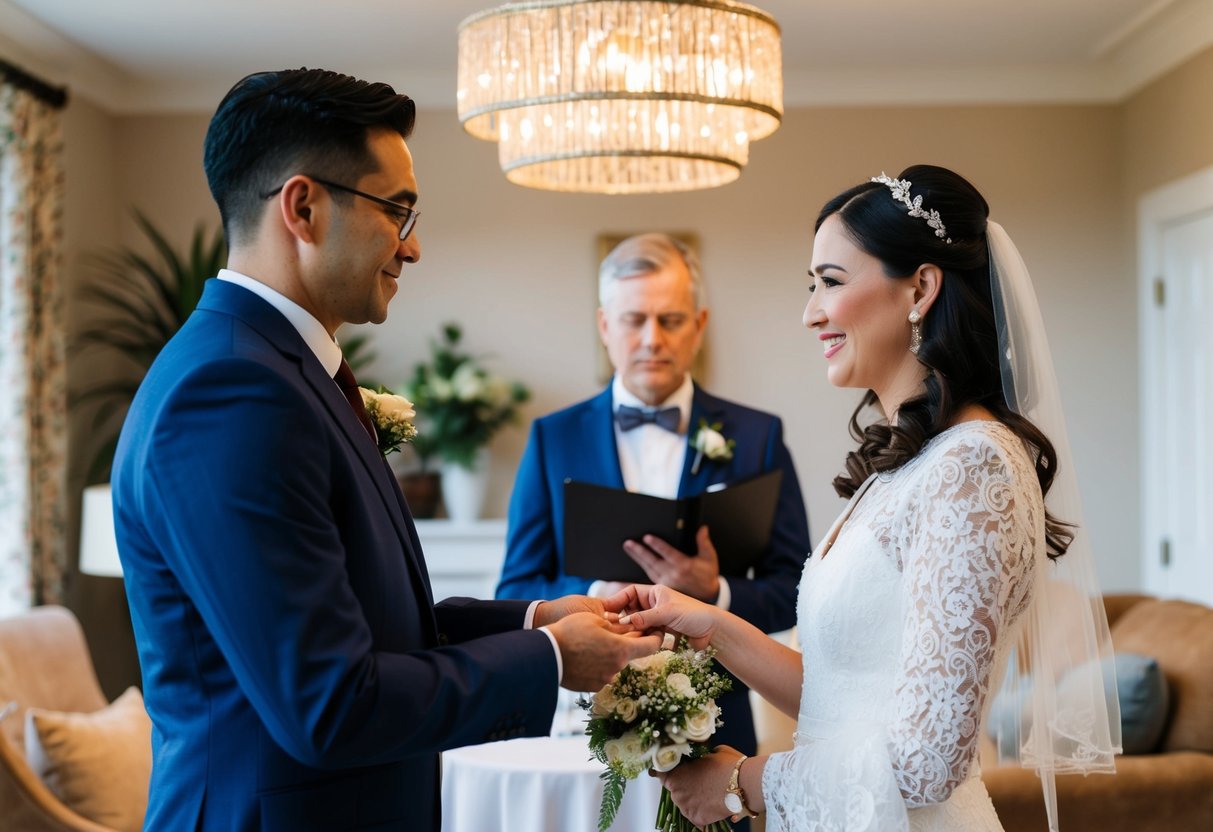
Planning your wedding at home has its perks. You’ll avoid the stress of scheduling and fees associated with traditional venues. Plus, you can create an intimate atmosphere with your closest friends and family, making the ceremony truly yours.
As you explore this option, it’s important to understand the legal requirements involved. Knowing what needs to be done ahead of time can help you enjoy the process without any last-minute surprises.
Understanding the Role of a Registrar in Home Weddings
When planning a home wedding, knowing what a registrar does is vital. A registrar not only conducts the ceremony but also ensures that all legal aspects are covered.
Registrar’s Duties
The registrar’s main job is to officiate your wedding. They will arrive at your home on the day of the ceremony to lead the event.
You will need to book them in advance, as registrars often have busy schedules. It’s essential to confirm they are available for your chosen date.
During the ceremony, the registrar will read the legal wording required and ask you and your partner to make your vows. They will also sign the marriage register, which is an essential step to make your marriage legal.
You’ll want to discuss any specific preferences or details with them before the big day to ensure everything goes smoothly.
The Legalities of a Home Wedding
To have a registrar marry you at home, your residence must be an approved venue. Check with your local council to learn if your home meets these requirements.
Once confirmed, you’ll need to provide proper documentation, including identification and your notice of marriage. The notice must be submitted at least 28 days prior to the ceremony.
During the ceremony, the registrar will handle all legal aspects. This includes ensuring that the marriage complies with local laws.
You need to confirm these details to make sure your marriage is legally recognized.
Preparations for a Home Wedding Ceremony

Planning a home wedding ceremony involves careful thought about the space, decor, and who you want to be involved. You want to create a setting that reflects your style and makes the day special for you and your partner.
Choosing the Right Space at Home
Selecting the right space is crucial for your ceremony. Consider areas that are spacious enough for your guests and allow for good movement. Living rooms, backyards, or even gardens can be excellent choices.
Make sure there is enough light for photos, and think about the background for your vows. If you choose a backyard, check the weather and have a backup plan. You’ll want to make it comfortable for your witnesses and guests.
Decor and Setting
The decor can transform your home for the wedding ceremony. Simple flowers, candles, and personal touches make the space inviting. You could create a beautiful backdrop for your vows with draped fabric or fairy lights.
Consider seating arrangements. Use chairs, benches, or even blankets for a more casual feel. Make sure the layout allows all your guests to see you as you exchange vows. Small details like table decorations or personal keepsakes can add charm to your ceremony.
Involving Family and Friends
Involving family and friends can make your home wedding even more personal. You might choose to have someone special officiate the ceremony or even ask a family member to read a meaningful passage during the vows.
Engage your guests by involving them in the planning process. They can help with setup, decoration, or even provide music for the ceremony. Sharing this experience makes the day more memorable and allows for cherished moments with the people you love most.
The Legal Process and Documentation
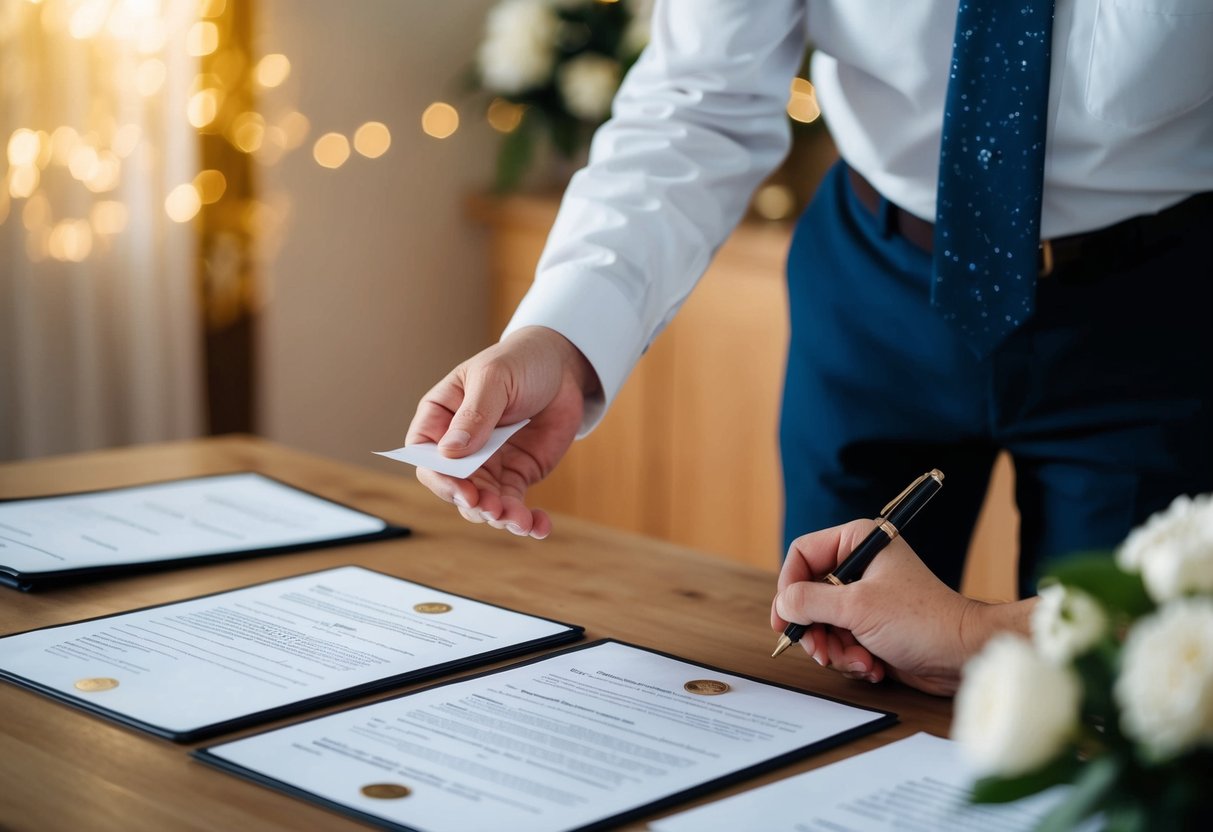
When planning to have a registrar marry you at home, it’s important to understand the necessary legal steps and documentation required. These steps ensure that your marriage is recognized and legally binding.
Giving Notice of Marriage
The first step in the legal process is giving notice of marriage. You must do this at your local register office.
You and your partner need to attend in person. Bring important documents such as proof of identity and proof of address. This can include your passport and utility bills.
Once you give notice, it will be displayed publicly for 28 days. This notice confirms that both of you are free to marry.
Marriage Schedule and Certificates
After the notice period, you will receive a marriage schedule. This document is essential for your ceremony.
Ensure that it’s signed by both you and your partner during the wedding. After getting married, you will need to apply for a marriage certificate. This certificate serves as proof that you are legally married.
You can request this document from your local registrar’s office. It is often needed for name changes, passports, and other legal matters.
Name Changes and Passports
If you plan to change your name after marriage, you’ll need to update your documents.
Start with your passport. To do this, submit your marriage certificate along with the passport application. This ensures your new name appears on your travel documents.
Other places to update your name include your bank and social security office. Keep a copy of your marriage certificate handy, as you may need it for these changes.
After the Ceremony: Legal Considerations
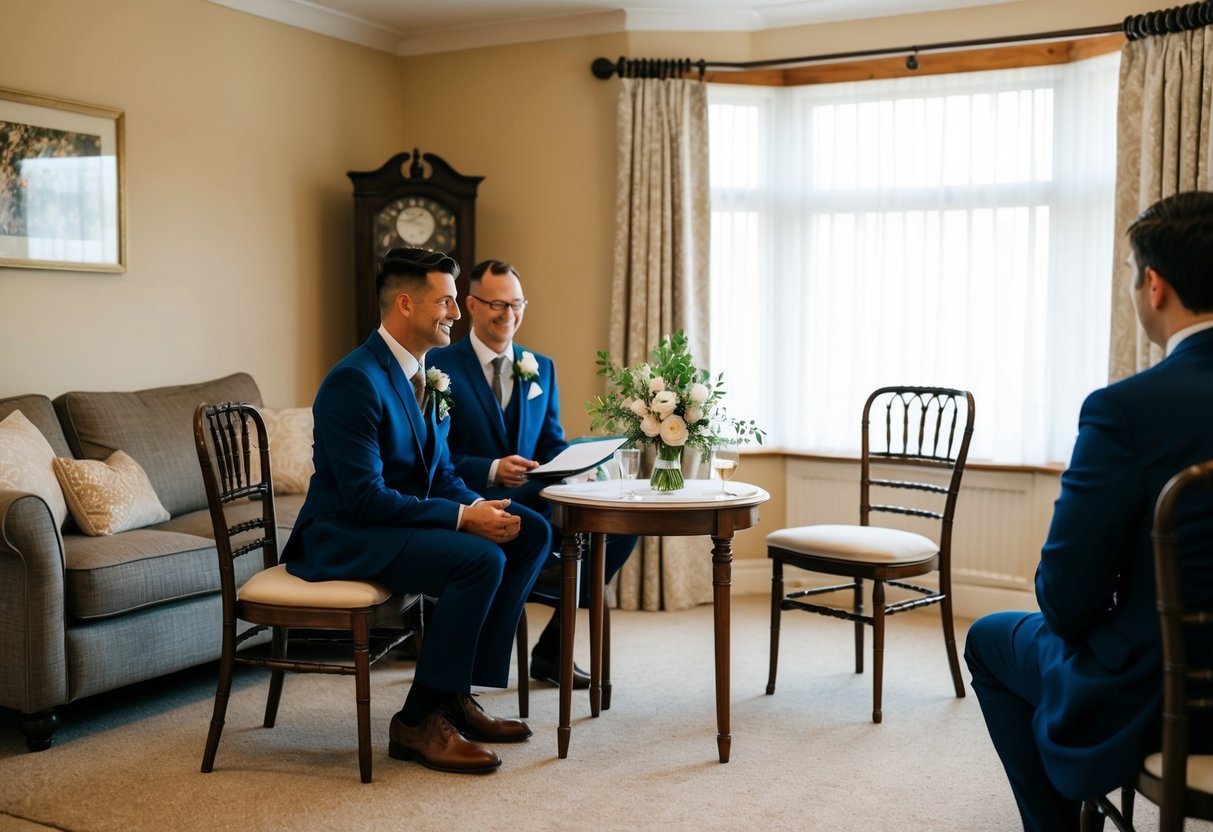
After your home ceremony, there are important steps and legal requirements to follow. Managing these properly will help ensure your marriage is recognized and that you meet any necessary obligations.
Registering the Marriage
Once the ceremony is complete, you need to register your marriage. This is typically done at your local register office.
- Required Documents: You’ll likely need to provide the marriage license, your ID, and possibly proof of residence.
- Timeframe: It’s best to register within a few days of the ceremony to avoid complications.
- Fees: There may be a small fee for processing the registration.
When everything is in order, the register office will issue a marriage certificate. This document is essential for various legal purposes, such as applying for spousal benefits or changing your last name.
Addressing Post-Wedding Legalities
After registering, you should consider other legalities related to your marriage.
- Life Changes: If you plan to travel or move, you may need a marriage certificate for name changes on travel documents.
- Civil Partnerships: If you were in a civil partnership, make sure you understand how your new marriage affects it legally.
- Death Certificates: In case of a spouse’s death, having a marriage certificate simplifies processes related to estates or insurance.
It’s important to know the legal requirements specific to your location. This will help you avoid any unexpected challenges in your married life. Be proactive in addressing these details to ensure a smooth transition into your new life together.