
Can a Retired Minister Marry You? Understanding the Rules and Options
If you’re considering having a retired minister officiate your wedding, you may wonder about the rules and qualifications involved. Yes, a retired minister can legally solemnize your marriage, provided they are still recognized as an ordained minister or have kept their credentials active in some way. This is great news for couples who have a special connection with a retired clergy member and want to include them in their big day.
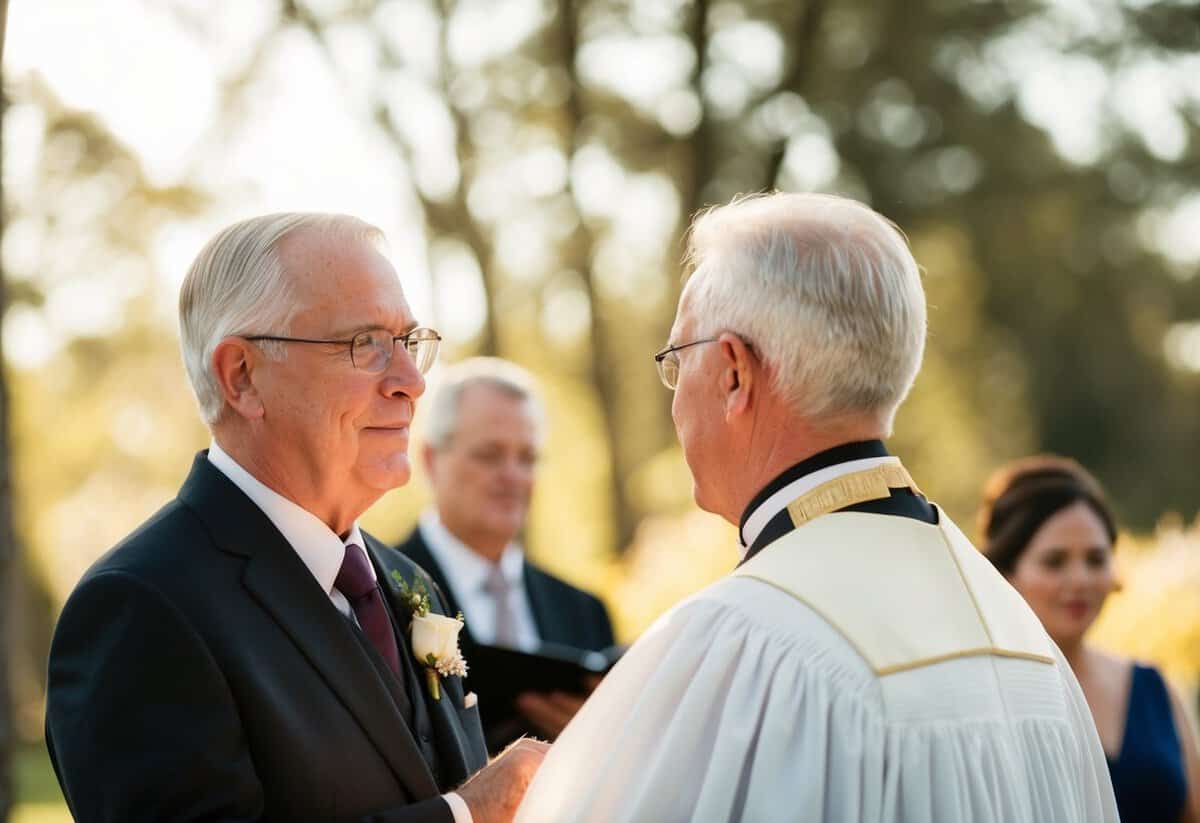
Retired ministers often have a wealth of experience and wisdom to share during your ceremony. They can bring a personal touch that makes the event even more meaningful.
Make sure to check local laws, as some states require ministers to be registered or to meet specific requirements to officiate weddings.
Choosing a retired minister can also be an opportunity to honor your faith and traditions. They can help create a ceremony that reflects your values and beliefs, making your wedding day truly special and memorable.
So, if you have a retired minister in mind, it’s certainly worth exploring your options!
Legalities of Retired Ministers Officiating Marriages
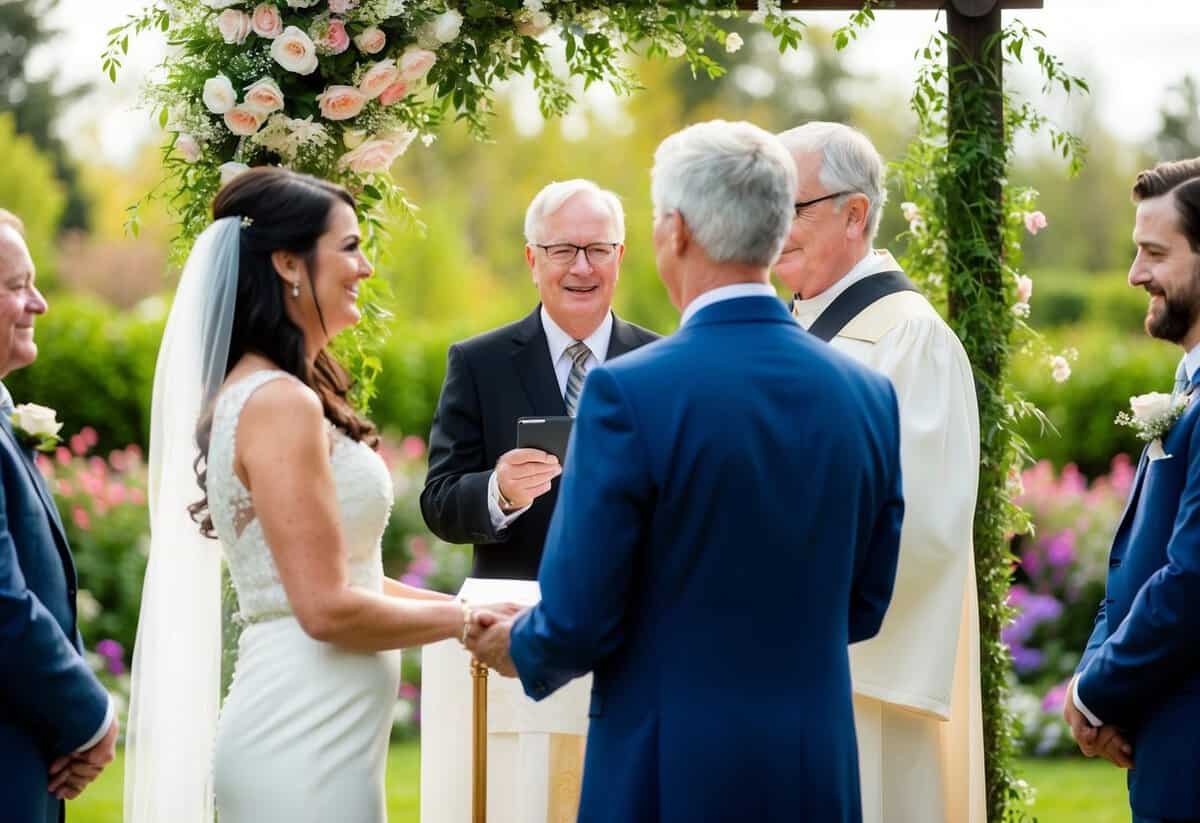
When considering a retired minister to officiate your wedding, it’s important to understand the legalities involved. Different states have specific laws about who can legally perform a marriage.
Marriage Laws and Retired Clergy
In many states, retired ministers have the same authority as active ones to officiate weddings. They must be ordained and often need to be recognized by their faith community.
It’s crucial to ensure they meet your state’s requirements.
Before the ceremony, you typically need to obtain a marriage license. The license must be presented to the officiant before the wedding takes place.
Retired ministers often do not require additional registration to perform marriages but check your state’s laws to be sure.
State-By-State Variances
Each state has unique rules regarding who can solemnize marriages. In Alabama, for example, any ordained minister can officiate, including retired ones. In California, retired clergy must be registered with the civil registrar before performing ceremonies.
Make sure to confirm the specific laws in your state. Knowing whether your retired minister meets these criteria will save you time and confusion as you plan your wedding.
How to Confirm a Retired Minister’s Authority
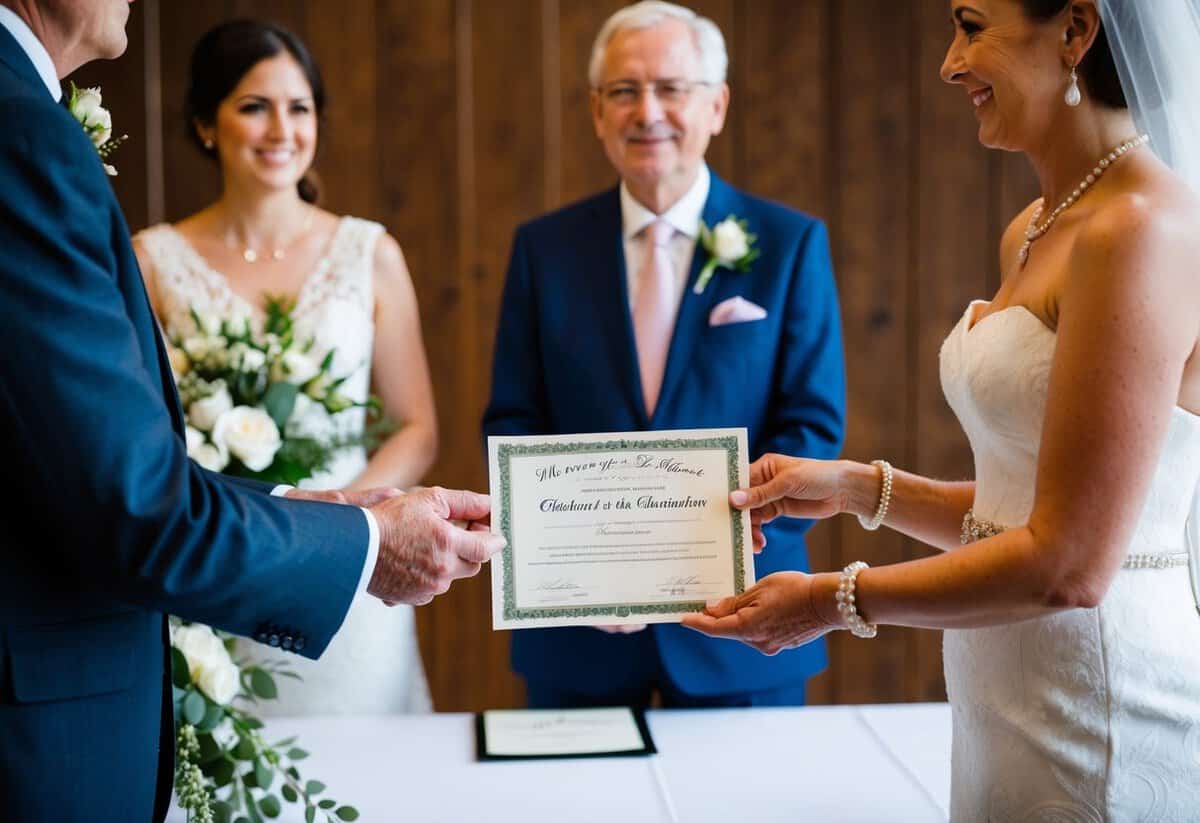
Confirming a retired minister’s authority to officiate your wedding is important. You need to check their ordination and ensure they are recognized by your state. Below are key points to guide you through this process.
Verifying Ordination and Legal Standing
First, confirm that the retired minister is an ordained minister. This can often be done through their church or organization. Many religious groups provide documentation of ordination.
You can ask the minister for their ordination certificate. This document should clearly show that they are authorized to perform weddings.
Additionally, check if they have any legal standing. Some retired ministers may have served as judges or held other official roles, which can affect their ability to marry couples.
Being ordained does not automatically mean they can officiate in all states. Always ensure that they meet your local requirements.
State Approval and Minister Registration
Different states have specific laws about who can officiate weddings. In some cases, a retired minister must register with local authorities. This can include filling out paperwork or getting approval from a county clerk.
To find out the requirements, check with your state’s marriage office. They can provide details about registration, necessary documents, and any fees involved.
It’s also helpful to verify if the minister is registered with your state. You can often find this information online or by contacting the marriage office directly.
Confirming these details will help ensure your wedding ceremony goes smoothly and is legally binding.
Religious Considerations and Denominational Policies
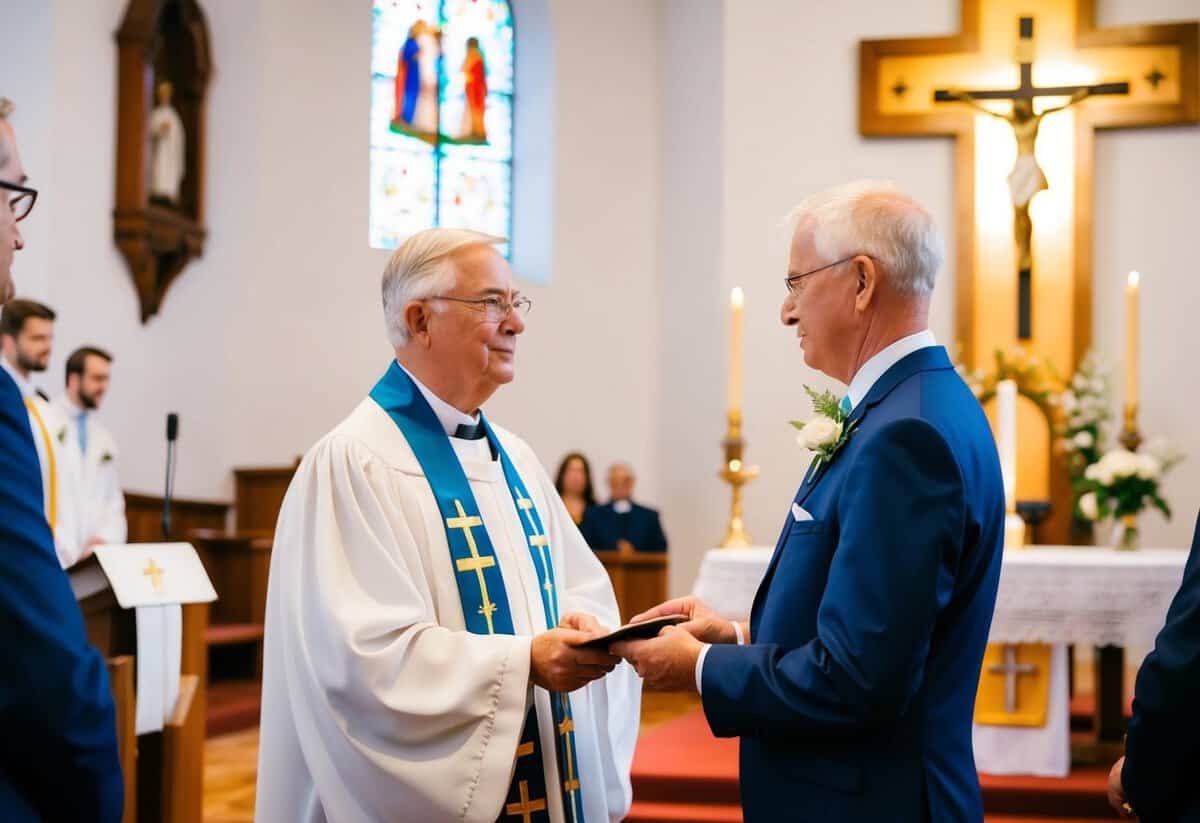
When considering whether a retired minister can officiate your wedding, it’s essential to understand the specific policies of different religious groups. These policies can vary significantly among denominations, particularly within the Catholic Church and various Christian traditions.
Catholic Church’s Stance on Retired Priests
In the Roman Catholic Church, the rules around marriage are quite strict due to canon law. Retired priests can officiate weddings, but they must be in good standing with their bishop.
Celibacy is a key principle, and even retired priests must adhere to this rule. If a retired priest has married or entered into a relationship against church tenets, they lose the ability to officiate weddings.
To marry in the Catholic tradition, couples typically need to follow procedures set by their parish. This may include premarital counseling and obtaining proper permissions from the church.
If you want a retired priest, clear communication with the local diocese is essential.
Various Christian Denominations and Civil Ceremonies
Many Christian denominations have different rules regarding retired ministers officiating weddings. Some allow any licensed minister to perform ceremonies, while others have strict guidelines.
For instance, in many Protestant churches, retired ministers can conduct weddings as long as they follow their church’s policies.
In some cases, these ministers may also be authorized to perform civil ceremonies, depending on local laws.
It’s crucial to check if the minister maintains their status with their particular religious society. When considering a retired minister, ensure they are not only eligible but also willing to fulfill any requirements from both the church and the government.
Preparing for Your Wedding Ceremony
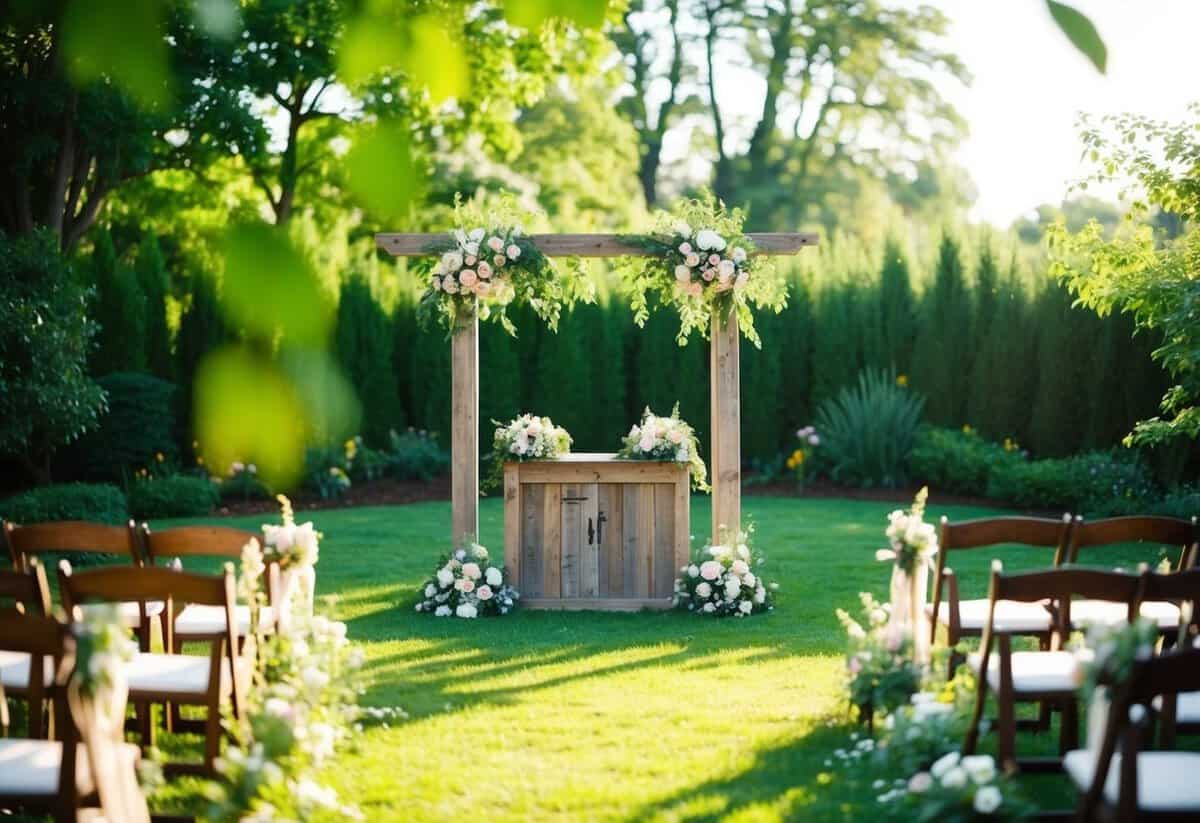
Preparing for your wedding ceremony involves important steps. You need to choose the right officiant and finalize the legal details to ensure everything goes smoothly.
Selecting the Right Officiant for Your Ceremony
Choosing the right officiant is crucial for your wedding. A retired minister can be a great choice, as they often bring experience and warmth to the ceremony.
Consider these points:
- Qualifications: Confirm that your retired minister is licensed to officiate weddings in your state. Some regions require registration with the local authorities.
- Style: Think about the type of ceremony you envision. Discuss your ideas with the officiant to see if their style aligns with your vision.
- Comfort: You should feel comfortable with your officiant. A good rapport helps create a more personal and meaningful experience.
Check with your minister to ensure they are available on your chosen date. Once you select them, it’s a good idea to plan a pre-wedding meeting to discuss any specific wishes or readings.
Finalizing Legal Details with Your Retired Minister
After selecting your officiant, it’s time to cover the essential legal matters. You’ll need a marriage certificate for your wedding to be legally recognized.
Steps to finalize everything:
-
Obtain a License: Visit your local clerk’s office to get a marriage license. Make sure to know the requirements, as they can vary by location.
-
Discuss Ceremony Details: Talk to your retired minister about the structure of the ceremony. This includes any specific vows, readings, or rituals you want included.
-
Confirm Filing Procedures: After the ceremony, ensure your officiant knows the process for filing the marriage certificate. They will usually handle this for you, but it’s good to double-check.
Being organized and clear about these details helps ensure a joyous and stress-free wedding day.