
Can a Son Give His Mother Away at Her Wedding? Exploring Modern Traditions
As you plan your wedding, you may wonder about the traditions surrounding who gives you away. A son can indeed give his mother away at her wedding, symbolizing support and love for her new beginning. This practice is becoming more accepted and can make the ceremony even more meaningful, allowing families to adapt traditions to fit their unique situations.
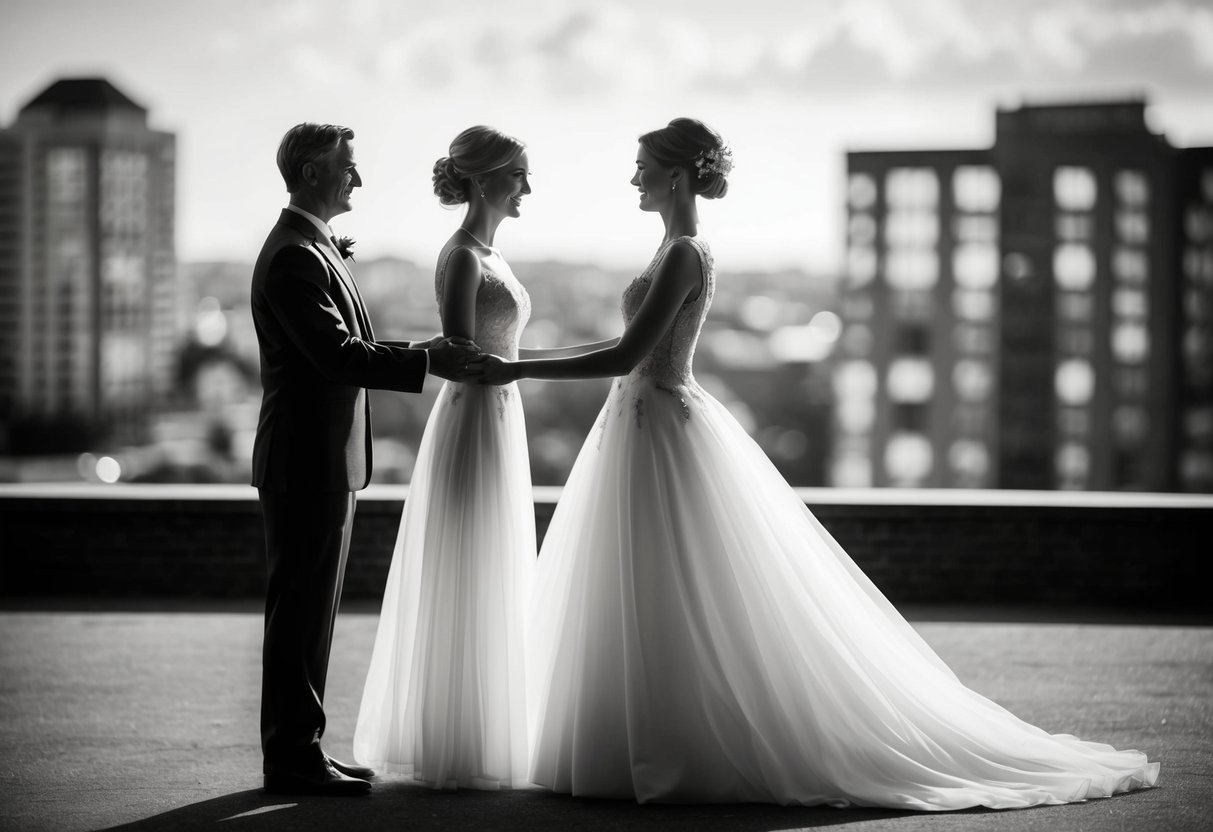
In many families, the wedding ceremony is a time to celebrate not just the union between two people, but the blending of families. Involving your son in this special moment can highlight the bond between mother and child. It creates a beautiful memory that reflects their relationship and your journey together.
Choosing to have your son walk you down the aisle can also inspire other personalized touches in the ceremony. It shows that family roles can evolve, making your wedding a true reflection of your values and beliefs. Embracing this modern twist on tradition can add a heartfelt element to your special day.
The Role of Family in Wedding Traditions
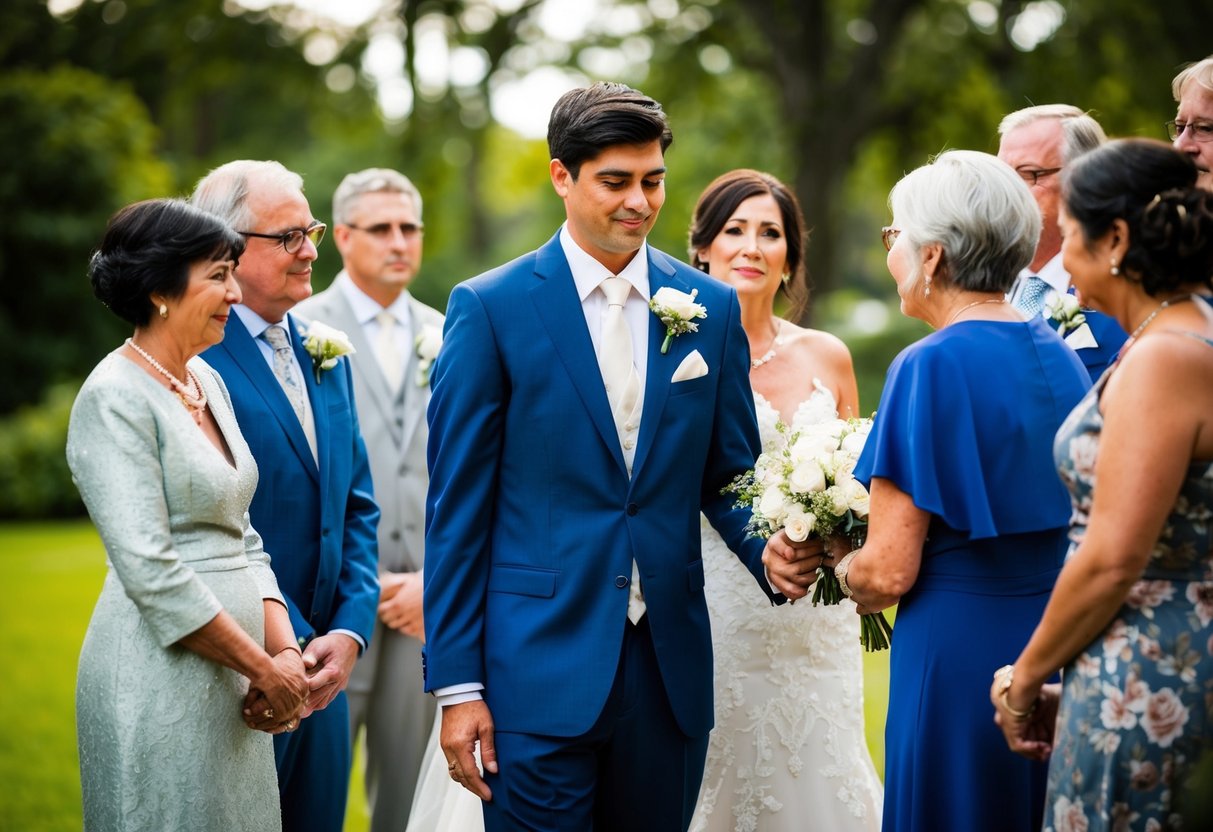
Family plays a vital part in wedding traditions, particularly in the ceremony of giving away the bride. This practice highlights family bonds and shows support for the couple’s new life together. Understanding this role can help you appreciate the significance of who walks you down the aisle.
Historical Significance of Giving Away the Bride
Traditionally, the act of giving away the bride was a way for the father of the bride to transfer responsibility for her care to the groom. This practice stemmed from historical customs that viewed women as property. The father’s role symbolized acceptance of the groom into the family.
Over the years, many families have adapted this tradition. Some may involve the mother of the bride or even stepfathers. This shows how family dynamics influence the wedding ceremony. It’s no longer just about the father; other family members can play crucial roles too.
Modern Interpretations of Family Roles
In contemporary weddings, the roles of parents and family members have evolved. You might choose someone who has been a significant part of your life, like a mother or a sibling. The focus today is more on personal relationships than on strict traditions.
Many couples now embrace flexibility in family roles. It’s not uncommon for a son to give away his mother or for both parents to walk the bride down the aisle. This reflects changing views on family and partnership. You have the freedom to create a ceremony that resonates with your family’s unique story and values.
Planning the Ceremony
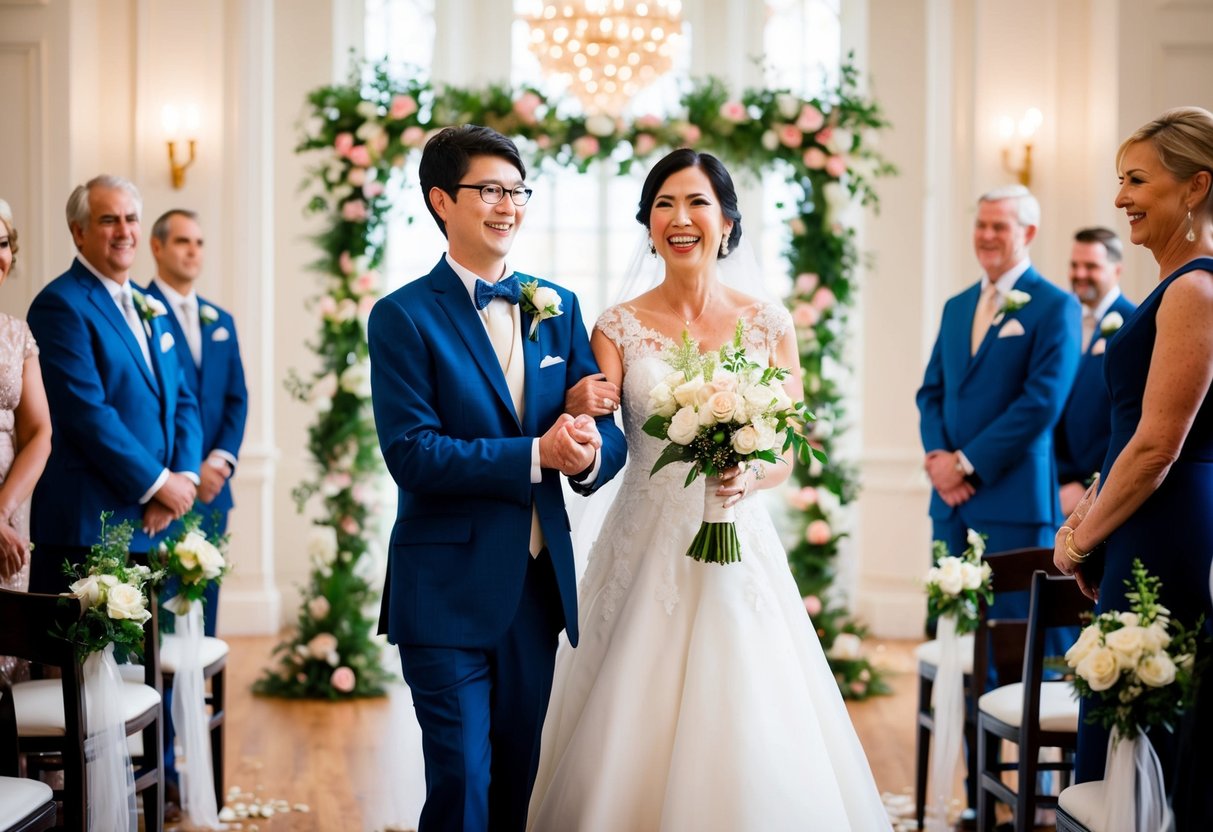
When planning the ceremony, you’ll want to think about who will escort the bride. This decision shapes the event’s tone and adds personal meaning. You’ll also need to clarify responsibilities for the coordinator and bridesmaids to ensure everything runs smoothly.
Choosing Who to Escort the Bride
Choosing who will escort the bride is an important part of the ceremony. Traditionally, this role falls to the father, but you can break with tradition. A son can serve this role to show support for his mother on her special day.
Make this moment unique. Consider family dynamics and personal connections. You might also think about siblings or close friends who have played a big role in your life. Ultimately, this choice reflects your values and the love around you.
Coordinator and Bridesmaid Responsibilities
The coordinator’s role is vital for smooth wedding planning. They handle details like timing, decorations, and seating. Your coordinator will ensure everyone knows their roles on the day of the ceremony, providing a calm atmosphere.
Bridesmaids also have specific tasks. They assist with the bride’s dress, gather personal items, or help with the ceremony layout. It’s essential to communicate these responsibilities clearly during the rehearsal. This way, everyone knows what to expect and when to walk down the aisle, keeping the focus on your special moments.
Personalizing Your Wedding

Your wedding is a special time to reflect your unique story and relationships. Personalizing your ceremony helps make it meaningful for everyone involved, especially when blending families or celebrating second weddings.
Incorporating Stepfamily and Relatives
Incorporating stepfamily and relatives can enrich your wedding experience. If you’re having a second wedding, consider including your stepchildren or step-parents in significant roles.
They can participate in the ceremony by holding rings or lighting candles. This presence symbolizes unity and acceptance, making everyone feel involved.
Also, think about inviting your mother or close relatives to walk beside you. This celebrates your bond, showing that love extends beyond traditional lines. Acknowledging these connections creates a beautiful atmosphere filled with support and joy.
Customizing the Walk Down the Aisle
Customizing your walk down the aisle is a powerful way to express your feelings. Instead of following strict traditions, think about who you want beside you.
You could have your son escort you, which adds a special touch to the moment. This act can signify his blessing and support for your new beginning.
Another idea is to create a small group procession. This includes close family members or friends, showcasing your cherished relationships.
Choose music that resonates with you and reflects your journey, enhancing the emotional impact of the walk.
Every detail counts, so make it personal and special for you!