
Can a Son Walk His Mother Down the Aisle? Exploring Modern Wedding Traditions
Many people wonder about the roles family members play in a wedding ceremony. In modern weddings, traditional customs are evolving. So, it’s perfectly acceptable for a son to walk his mother down the aisle. This gesture can symbolize support and love, making it a meaningful moment in your special day.

In today’s weddings, many couples choose to include family in unique ways. You might decide that both parents or other family members join you in the processional. This trend keeps the focus on relationships rather than sticking strictly to outdated customs.
If you’re considering having your son walk you down the aisle, it reflects a bond that can inspire others at your wedding. It’s a personal choice that adds a special touch to your ceremony, showcasing love and connection in a way that feels right for your family.
Walking the Bride Down the Aisle: Traditions and Variations
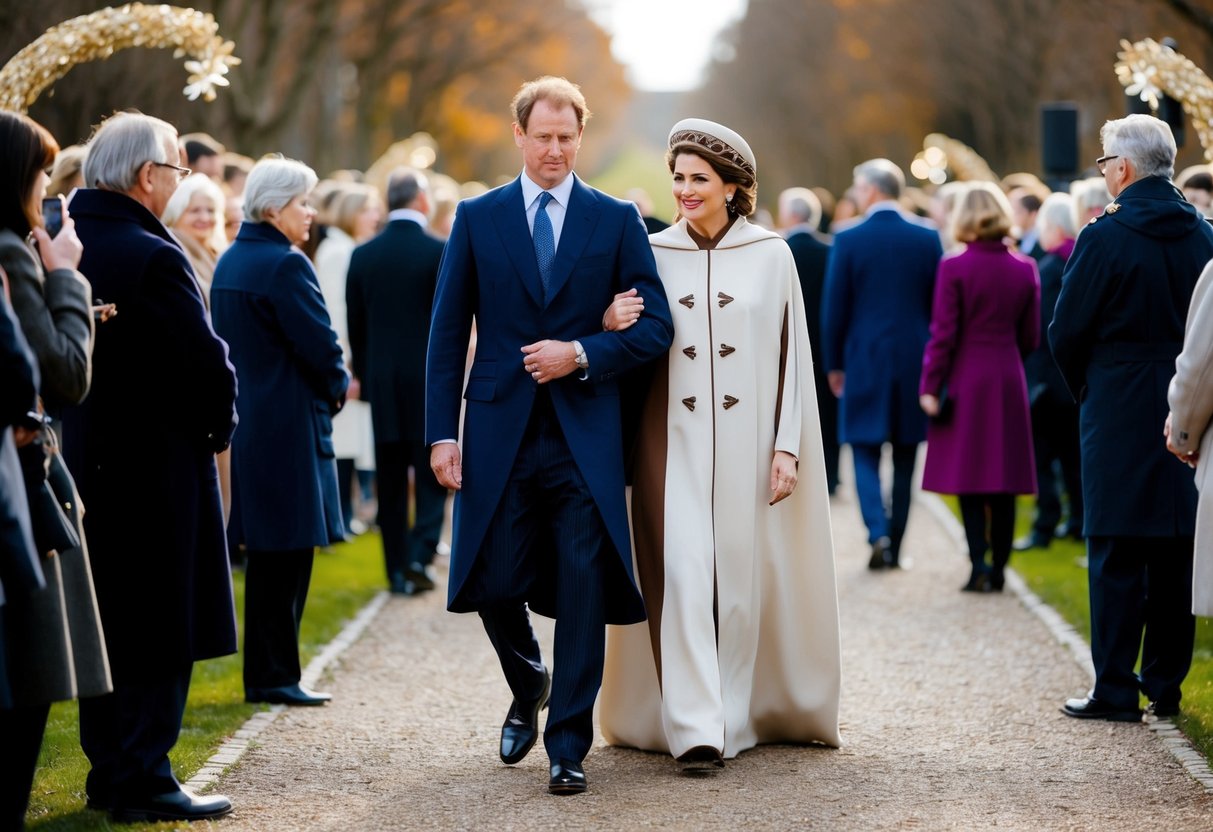
When planning your wedding, the question of who walks the bride down the aisle is significant. Traditions vary based on cultural backgrounds and personal preferences. Understanding these traditions will help you make a choice that feels right for you.
Traditional Roles in the Wedding Processional
In many traditional weddings, the father of the bride plays a central role in the processional. He is often seen as giving the bride away, symbolizing a transition. In Christian and Jewish ceremonies, this is a common practice. However, in a Hindu wedding, the bride may walk alongside her parents, emphasizing family unity.
You might also see variations where both parents accompany the bride. This choice reflects a more modern understanding of family roles and can highlight the support from both paternal and maternal figures. Consider these options and choose what feels best for your special day.
The Role of the Mother of the Bride
The mother of the bride also has a meaningful part in the processional. Traditionally, she walks in just before the bride, marking her support and guidance. Some brides choose to have their mother walk them down the aisle instead of their father. This choice can represent a strong bond between the mother and daughter.
In Jewish ceremonies, for instance, it’s not uncommon for the mother to play a significant role. Many modern brides want to honor their mothers in this way, celebrating their relationship. If you decide to have your mother walk you down the aisle, it’s a beautiful gesture of love and respect.
Modern Interpretations and Adaptations
Modern weddings have seen variations that break away from traditional norms. Many couples personalize their processional to reflect their unique relationships. For instance, a bride might choose to walk down the aisle alone, signaling independence.
Alternatively, couples might opt for both parents to escort their child. This approach can symbolize the unity of families merging. Many brides now incorporate different family members like stepparents or close friends into the processional, celebrating diverse family structures.
These choices let you create a wedding experience that resonates with your personal story and style. Embrace your unique journey as you plan!
The Significance of Family in the Wedding

Family plays a central role in weddings, shaping traditions and emotions throughout the celebration. Whether it’s through rituals or the presence of loved ones, these connections enhance the meaning of the day.
Involving Parents and Grandparents
Bringing parents and grandparents into the wedding ceremony offers a way to honor family bonds. The mother of the groom can walk down the aisle with her son, highlighting their special relationship. This moment shows appreciation for her support and love.
In many cultures, including Jewish ceremonies, grandparents often play key roles. They may be invited to participate in rituals like lighting a family candle, symbolizing the unity of families.
Including family members in the processional, such as having both sets of parents walk together or separately, can create a powerful sense of togetherness. It’s a wonderful way to celebrate blended families, especially in second weddings or arranged marriages.
Familial Honor and Roles in Different Cultures
Different cultures offer unique perspectives on family roles during weddings. For instance, in a Catholic wedding processional, the groom’s parents often walk together, while the bride’s family follows. This traditional order underscores the couple’s connections to their families.
In a Jewish ceremony, elements like the chuppah represent the couple’s home, with family surrounding them for support. In contrast, the mandap in Hindu weddings serves as a sacred space, emphasizing the importance of family ties.
These customs highlight how each culture values familial connections. By involving family members, you acknowledge their influence and love, making your wedding day even more meaningful.
Ceremony Processions and Seating Arrangements
Understanding the ceremony processions and seating arrangements is essential for creating a smooth and memorable wedding experience. This includes knowing who walks when and where everyone sits during the ceremony.
Processional Order and Wedding Party Dynamics
The processional order sets the tone for your ceremony. Traditionally, it starts with the ushers, followed by the bridesmaids and groomsmen. The flower girl and ring bearer often follow them, bringing a touch of cuteness to the procession. The maid of honor walks just before the bride, while the best man follows closely behind the groom.
You can adjust the order to suit your style. For example, each couple can tailor the processional to reflect their personalities and family dynamics. Discussing your vision with your officiant ensures that the timing flows smoothly.
Significance of Seating and Order of Entry
Seating arrangements reflect the importance of relationships. Typically, the groom’s parents sit on the right side and the bride’s on the left. Close family members and friends should have prominent seats for better visibility.
Understanding the seating also helps with the recessional. You might want to plan for your wedding party to exit in reverse order, walking out as a celebration. This adds excitement as you step away together, sealing the memories of your special day.
Organizing these details means your ceremony will feel cohesive and welcoming for all your guests.