
Can a Wedding Ceremony Be 15 Minutes? Tips for a Meaningful and Memorable Experience
A wedding ceremony can absolutely be 15 minutes long and still be meaningful. Shorter ceremonies often help keep guests engaged while allowing couples to focus on what truly matters: their love for each other. This timeframe can be just enough to include essential vows and a few personal touches without dragging on for too long.
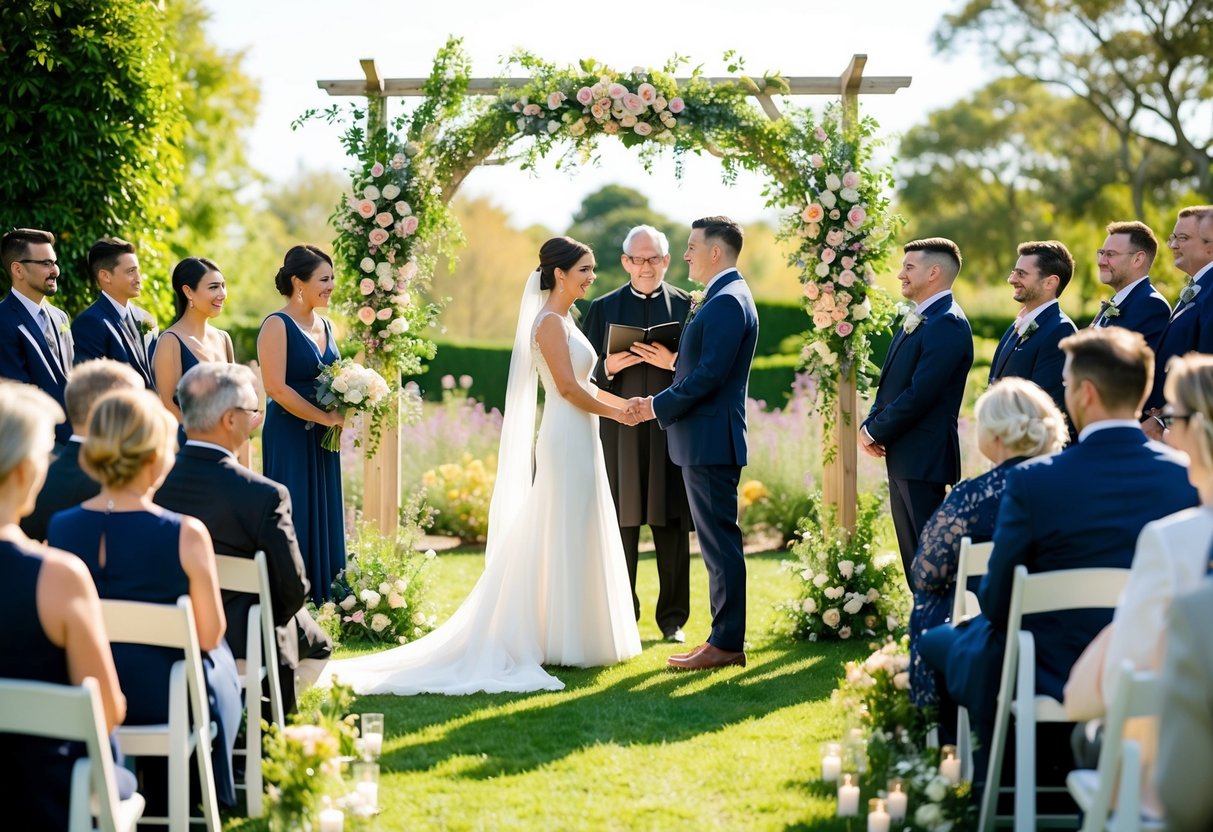
If you’re considering a brief ceremony, you’re not alone. Many couples are opting for shorter weddings that fit their style and make the day feel more intimate. You’ll find that a 15-minute ceremony can still be special, showcasing your unique story and commitment.
Exploring how to craft a memorable and succinct ceremony can be exciting. By focusing on the key moments, you can create a heartfelt experience that leaves a lasting impression on you and your guests.
Essentials of a Wedding Ceremony
Understanding the key elements of a wedding ceremony helps you plan your special day. Each part plays a vital role in creating a memorable experience for you and your guests.
Understanding Ceremony Length
When planning your wedding, you may wonder if a 15-minute ceremony is acceptable. Yes, many couples find this length works well.
A quick ceremony can still feel meaningful. You can focus on the most important elements like the exchange of vows and the first kiss.
Consider the following common ceremony lengths:
- 10-15 minutes: Ideal for civil ceremonies or intimate gatherings.
- 20-30 minutes: Common for traditional ceremonies with additional rituals.
Each minute counts, so choose the essentials for your ceremony script to ensure it reflects your unique love story.
Role of the Officiant
The wedding officiant is crucial to your ceremony. They guide you through the process and ensure all legal aspects are addressed. Your officiant can help craft a personalized ceremony script that represents your values.
Selecting the right officiant is essential. Here are some tips:
- Experience: Look for someone with a track record in performing weddings.
- Style: Choose an officiant whose style aligns with your vision. This can be formal or more casual.
- Compatibility: Ensure you feel comfortable and connected with them.
An officiant will also cue important moments, like the exchange of vows and the first kiss, helping your ceremony flow smoothly.
Designing the Big Day
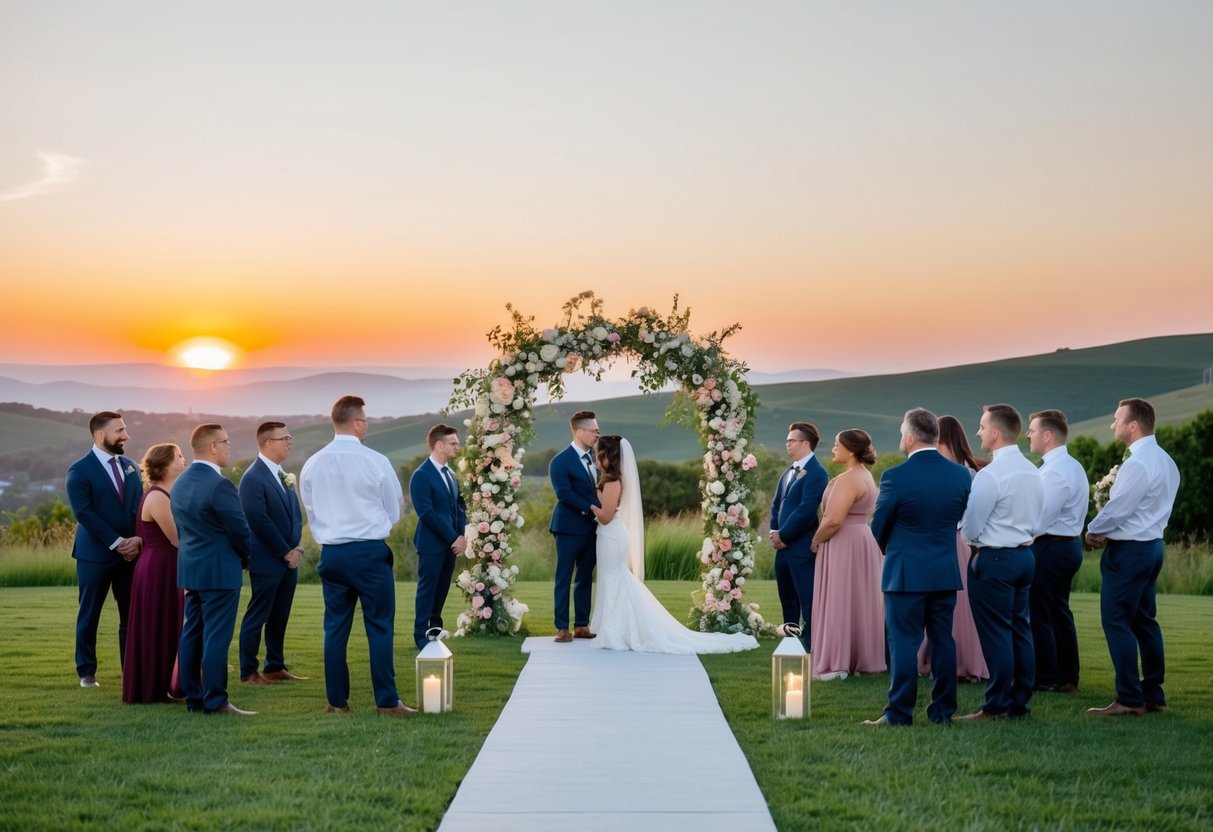
When planning your wedding day, careful organization is key to ensuring everything runs smoothly. You want to create a timeline that includes both your ceremony and reception while allowing enough time for each part of the day.
Creating a Wedding Day Timeline
Start by mapping out your entire wedding day. Consider the main events, like the ceremony, cocktails, and reception.
- Ceremony: If you have a short ceremony, like one lasting 15 minutes, clear scheduling helps keep guests engaged.
- Cocktail Hour: Plan a 30- to 60-minute cocktail hour right after the ceremony. This is a great time for your guests to mingle.
- Reception: Allow at least 2-4 hours for the reception, which includes eating, dancing, and special moments like speeches.
Using a timeline template can help you visualize the day better. Don’t forget to build in a bit of buffer time to minimize stress!
Integrating Ceremony and Reception
Connecting the ceremony and reception smoothly is essential. Make sure guests know where to go after the ceremony. This can be achieved by having clear signage or guides.
- Transportation: Consider transportation options if the venues are different. Chauffeurs or shuttle buses can help move guests easily.
- Theme Consistency: Keep a consistent theme across both events. Choose colors and decor that match.
- Flow: Think about the timeline. A well-planned flow from the ceremony to drinks to dinner keeps everyone happy.
Keep your timeline flexible but structured to adapt to any unexpected delays. Making your big day seamless will allow you and your guests to enjoy every moment!
Customizing Your Ceremony
Tailoring your wedding ceremony makes it unique and meaningful. You can incorporate elements that reflect your beliefs and traditions, ensuring your special day feels personal. Here, we explore ways to make your ceremony stand out.
Incorporating Cultural and Religious Elements
One of the best ways to customize your ceremony is by including cultural and religious elements. This can create a deeper connection to your heritage.
For instance, if you are having a Hindu wedding ceremony, you might want to include rituals such as the saat phere, where you and your partner walk around a sacred fire.
If you prefer a Protestant wedding, you might include a unity ceremony, like lighting a unity candle. This symbolizes the joining of two lives into one.
You could also honor your family’s traditions by incorporating specific readings or rituals that resonate with you both.
Personalizing the Processional and Ring Exchange
The processional sets the tone for your wedding day. Tailoring it can make it even more special.
Unique music can reflect both your personalities. Whether it’s a classic piece or a modern song, this will create a lasting memory.
During the ring exchange, think about adding personal vows or special words to express your love.
You might want to involve your bridal party in a way that feels significant, such as having them share their thoughts on love.
Including special touches like a flower petal toss or a celebration with loved ones can transform these moments into cherished memories.