
Can a Wedding Dress Be Cleaned After 10 Years? Essential Tips for Preservation
If you’ve tucked your wedding dress away for a decade, you might be wondering if it can still be cleaned. The good news is that yes, a wedding dress can be cleaned even after 10 years. Many modern cleaning techniques can tackle age-related challenges like dust, dirt, and set-in stains.
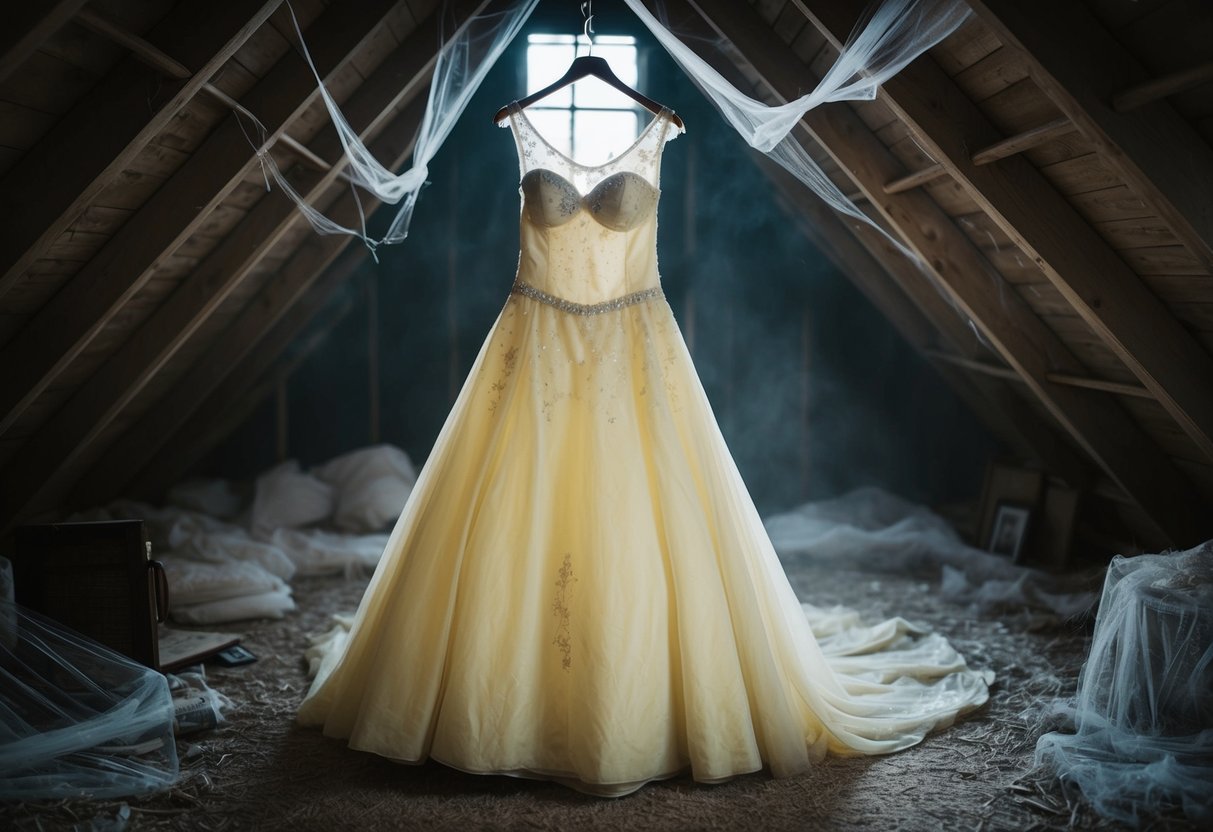
It’s common for dresses to show some wear after years in storage, but that doesn’t mean your cherished gown is beyond saving. With the help of professionals skilled in wedding dress cleaning and preservation, your dress can regain its beauty.
Whether you plan to pass it down or simply want to remember your special day, cleaning your wedding dress can keep those memories alive.
Embrace the opportunity to restore your gown and bring it back to life.
Understanding Wedding Dress Preservation
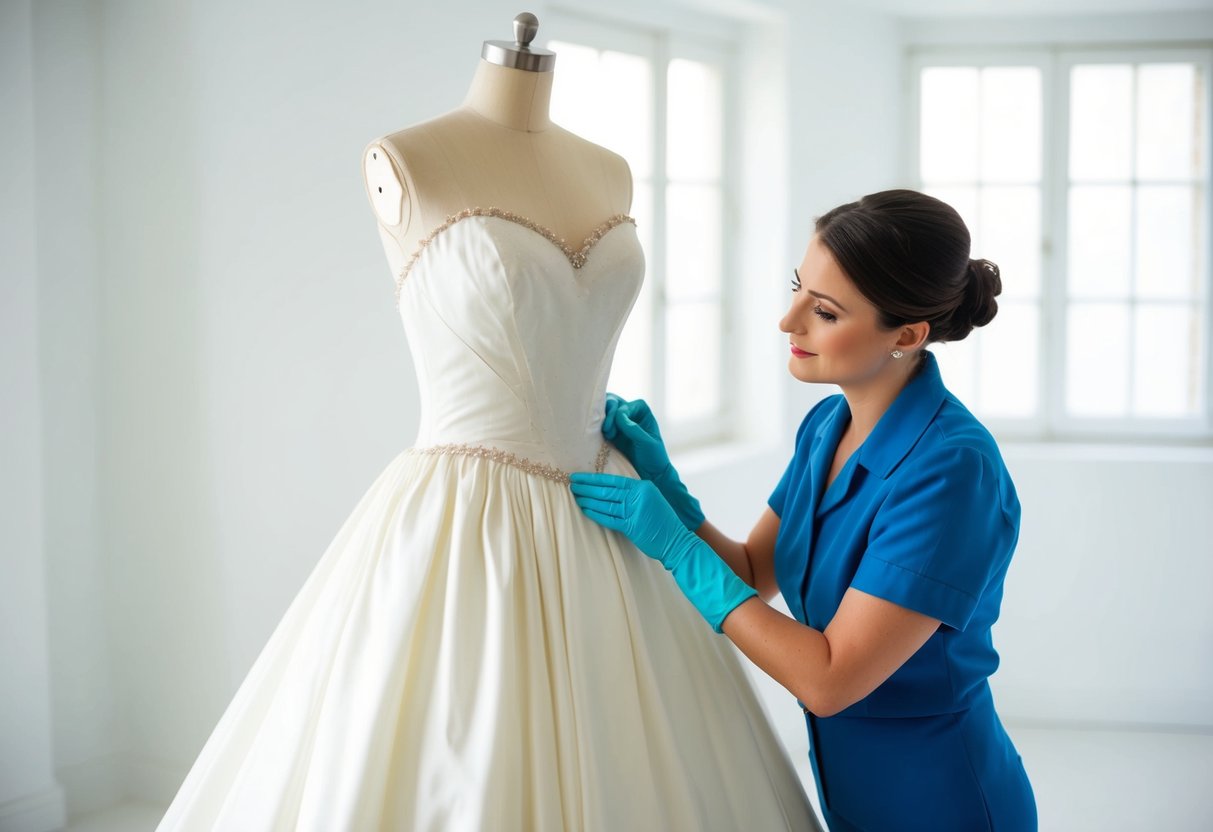
Taking care of your wedding dress is vital to keep it looking beautiful for years. Preservation involves careful cleaning and storage to prevent damage like yellowing and stains. This section covers why preservation matters and the different methods available to maintain your gown’s beauty.
The Importance of Wedding Dress Preservation
Preserving your wedding dress protects it from dust, dirt, and other factors that may cause deterioration. Over time, even the best-kept gowns can develop issues like yellowing or stains if not stored properly.
A wedding dress preservationist can help assess its needs. They understand how to treat delicate fabrics and identify specific concerns. When you choose a professional, you ensure that your dress receives expert care, extending its life.
Think about the memories attached to your dress. Proper preservation keeps those memories safe and allows future generations to appreciate your special day.
Different Methods of Preservation and Cleaning
There are several methods for preserving wedding dresses, each suited to different needs. Here are some common techniques:
-
Dry Cleaning: This is often used for light stains and regular cleaning. It’s essential that the dry cleaning company specializes in wedding dresses to avoid damaging delicate fabrics.
-
Wet Cleaning: A safer option for certain materials, wet cleaning uses water and mild detergent. It effectively removes deeper stains without harsh chemicals.
-
Spot Cleaning: If you notice a specific stain, a preservationist can carefully spot clean using safe products to treat the area without risking damage.
Regardless of the method, ensure to choose a reputable wedding dress preservation company. They will provide a thorough assessment and recommend the best approach for your gown’s fabric and condition.
Tackling Aged Stains and Discoloration
Cleaning a wedding dress after many years poses some challenges. Knowing how to identify different types of stains and address discoloration is key to restoring your gown’s beauty.
Identifying Invisible and Organic Stains
Invisible stains can be tricky. These stains may not be immediately visible, yet they can damage fabric over time. Common invisible stains include sweat, body oils, and food residues.
Organic stains often come from substances like wine, coffee, or dirt. You may notice these stains as discoloration or spots, but at times, they blend in with the fabric. Inspect your dress under proper lighting to find these hidden marks.
If you find stains, it’s best to act quickly. Use a gentle cleaning solution designed for delicate fabrics. Professional cleaners can help as well, especially for organic stains which need special treatment to prevent further damage.
Dealing with a Yellowed Wedding Gown
A yellowed wedding gown is often a result of chemical breakdowns in the fabric over time. This can happen due to exposure to light, air, and even improper storage.
To address yellowing, start by having your dress professionally cleaned. Experts can assess the fabric and use specific treatments to whiten the gown. They may use a gentle bleaching process or specialty whiteners suited for delicate fabrics.
If your dress is still yellowed after cleaning, you might consider restoration options. Some services can significantly improve color and appearance. Be sure to ask about their techniques to ensure they are safe for your gown’s material.
With proper attention, your wedding dress can regain its former glory, preserving memories for years to come.
Professional Wedding Dress Cleaning
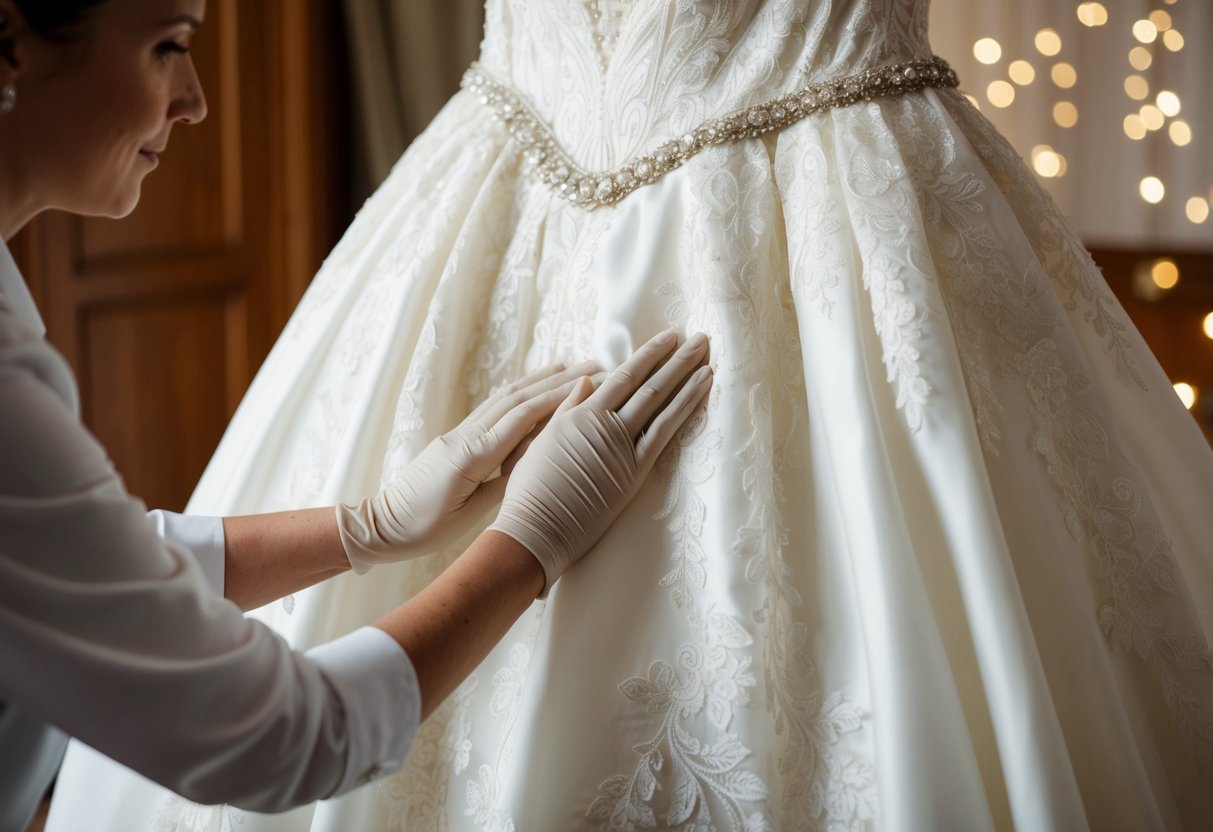
Taking your wedding dress to a professional cleaner is crucial, especially if it has been ten years since the big day. Professional wedding dress cleaning not only ensures that your dress is carefully cared for but also helps preserve its beauty for years to come.
Choosing a Professional Cleaner
When looking for a professional cleaner, it’s important to find one that specializes in wedding dress preservation. A skilled cleaner understands how to handle delicate fabrics like silk, lace, and tulle.
Check for reviews from other clients to ensure quality service. Look for certification from organizations such as the Association of Wedding Gown Specialists. Ask about their cleaning methods, as some use eco-friendly products to avoid damaging your gown.
Make sure they offer restoration services if your dress has stains or damage. A good professional will assess your gown and provide a clear plan for cleaning and preservation.
The Process of Professional Wedding Dress Cleaning
The cleaning process for a wedding dress typically starts with a thorough inspection. The cleaner will identify any visible stains and assess areas that may need special attention.
Next, they will use gentle cleaning methods tailored for delicate fabrics. This may include dry cleaning or a wet cleaning process that is safe for your gown. Stains are treated individually, ensuring they are effectively removed without harming the fabric.
After cleaning, the dress will be carefully pressed and placed in preservation packaging. This packaging is designed to minimize exposure to light and air, preventing yellowing and damage over time. By trusting a professional, you ensure your precious gown remains in pristine condition for future generations.
Caring for Your Wedding Dress At Home
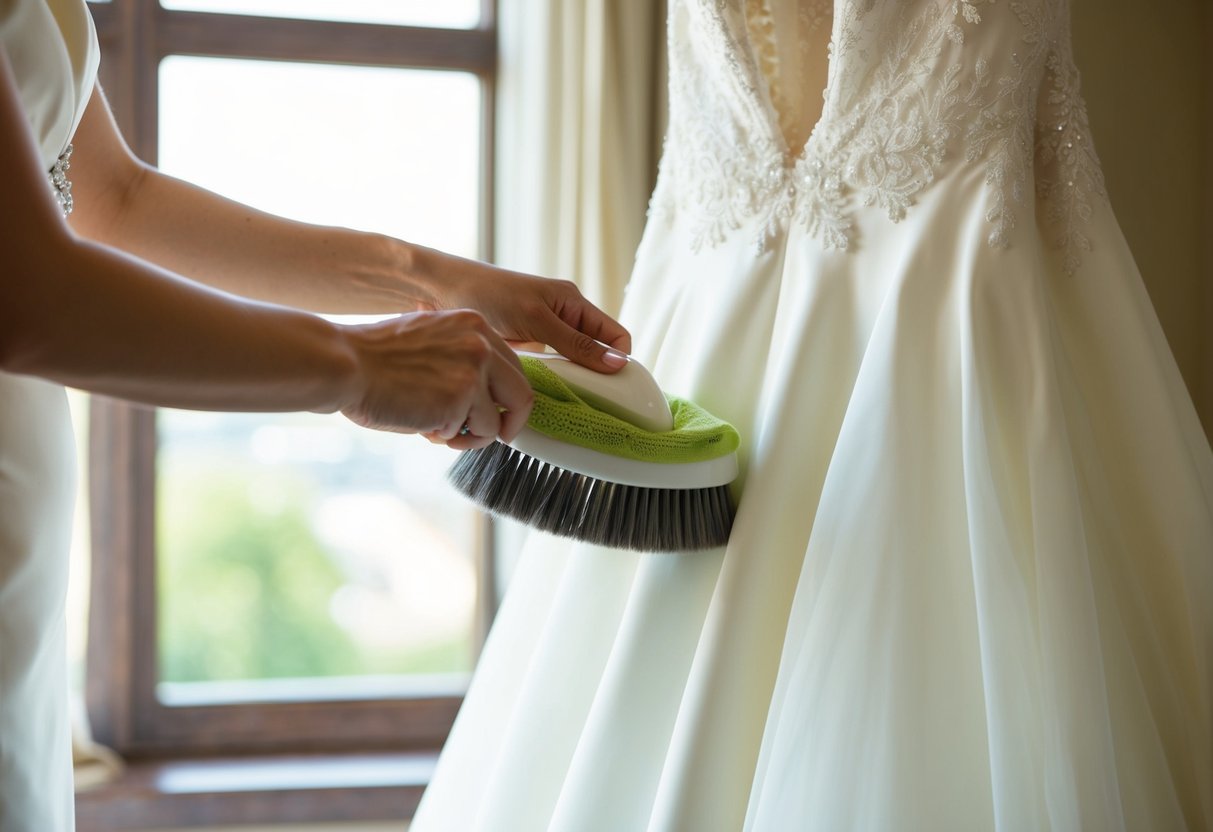
Taking care of your wedding dress at home can help keep it looking beautiful over the years. Simple spot cleaning and proper storage are essential to maintain its quality. Here are some helpful tips for preserving your dress.
Do-It-Yourself Spot Cleaning Tips
If you notice stains on your wedding dress, don’t panic. You can handle small spots with a few easy steps.
Start by gently blotting the stain with a clean, dry cloth. This helps remove any excess dirt or liquid.
Next, create a solution using mild detergent mixed with water. It’s important to test this solution on an inconspicuous area first. If it doesn’t affect the fabric, use a clean cloth to apply the solution to the stain. Dab gently, allowing the fabric to absorb the mixture.
Avoid rubbing, as this can damage the material. Once the stain is out, rinse the area with a damp cloth, then let it air dry. Keeping your dress free from dirt and spots helps in maintaining its beauty and value.
Storing Your Wedding Dress Safely
Proper storage is just as important as cleaning.
To begin, choose a cool, dark place for storing your dress. Light and heat can cause fading or yellowing over time.
Use a breathable garment bag made of cotton or muslin. Avoid plastic bags, which can trap moisture and lead to mold or mildew.
If you want extra protection, you can wrap the dress in acid-free tissue paper before placing it in the bag.
Store the dress flat if possible. If it’s hanging, ensure it’s supported with padded hangers to prevent stretching.
Regularly check on your dress to assess its condition and catch any issues early.