
Can a Woman Be an Admiral? Exploring Women’s Leadership in the Navy
If you’ve ever wondered about the role of women in the military, you might be curious about their path to high-ranking positions. Yes, a woman can absolutely become an admiral. Women have broken significant barriers to achieve this rank, with notable figures like Admiral Michelle J. Howard, who became the first female four-star admiral in 2014.
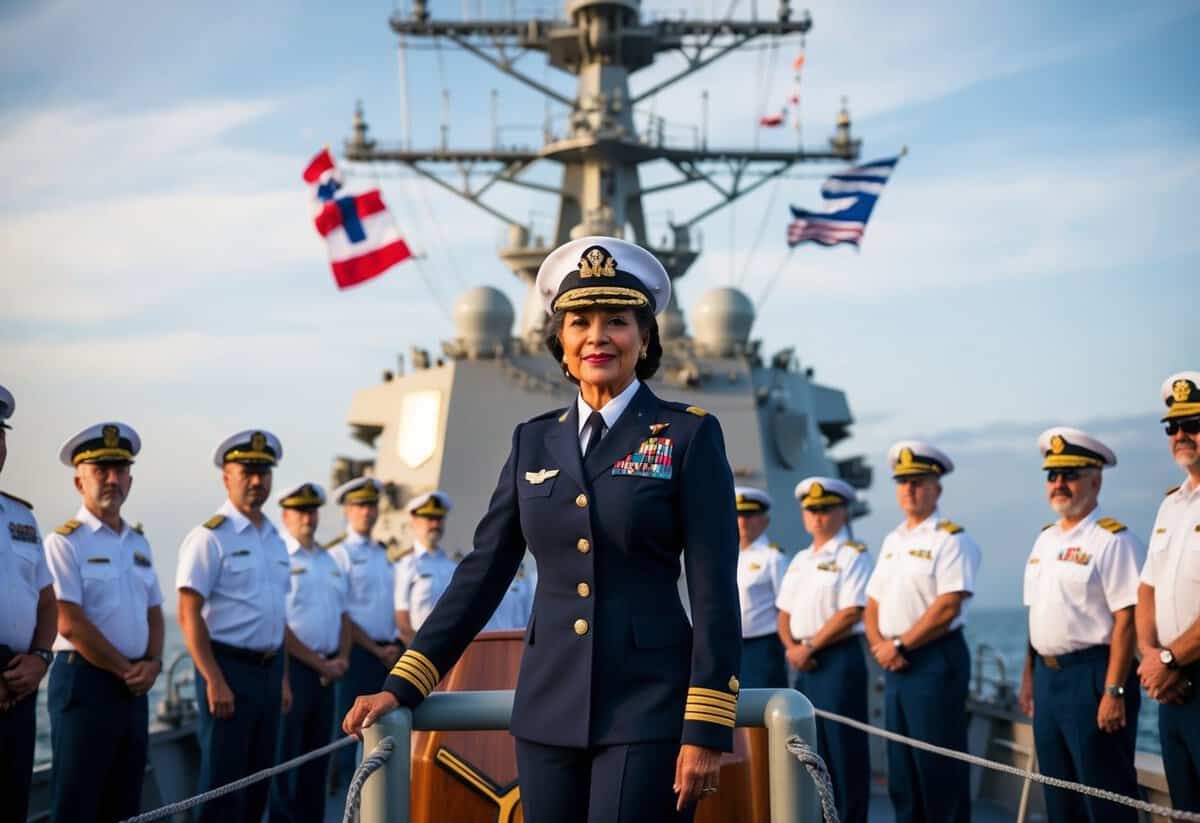
Women have served in the U.S. Navy for more than a century, and today, many are rising through the ranks. The military has seen an increase in female admirals over the years, showcasing the growing opportunities for women in leadership positions.
This journey is inspiring and reflects a shift in perceptions about women’s roles in the armed forces. As you read on, you’ll discover the milestones and achievements that highlight the progress women have made in achieving high ranks like admiral.
Pioneering Women in the Navy
Women have played a crucial role in the U.S. Navy, breaking barriers and making history. Their progress in leadership positions highlights their capabilities and the importance of diversity.
Historical Progress
Women have served in the United States Navy for over a century. In the early years, their roles were limited mainly to support tasks. The real turning point came during World War II when many women joined the Navy. They served in various jobs, paving the way for future generations. Today, women’s contributions continue to expand. The Navy now recognizes women in leadership roles, encouraging others to follow.
Significant Milestones
A major milestone in Navy history was when Admiral Michelle Howard became the first female four-star admiral in 2014. Not only is she a trailblazer for women, but she is also the first African-American woman to achieve this rank. Her leadership has opened doors and inspired many women to pursue careers in the Navy.
Additionally, other women have broken barriers, like when Jan E. Tighe became the first female to command a numbered fleet. These achievements demonstrate the ongoing progress and impact of women in the Navy.
Barriers and Breakthroughs
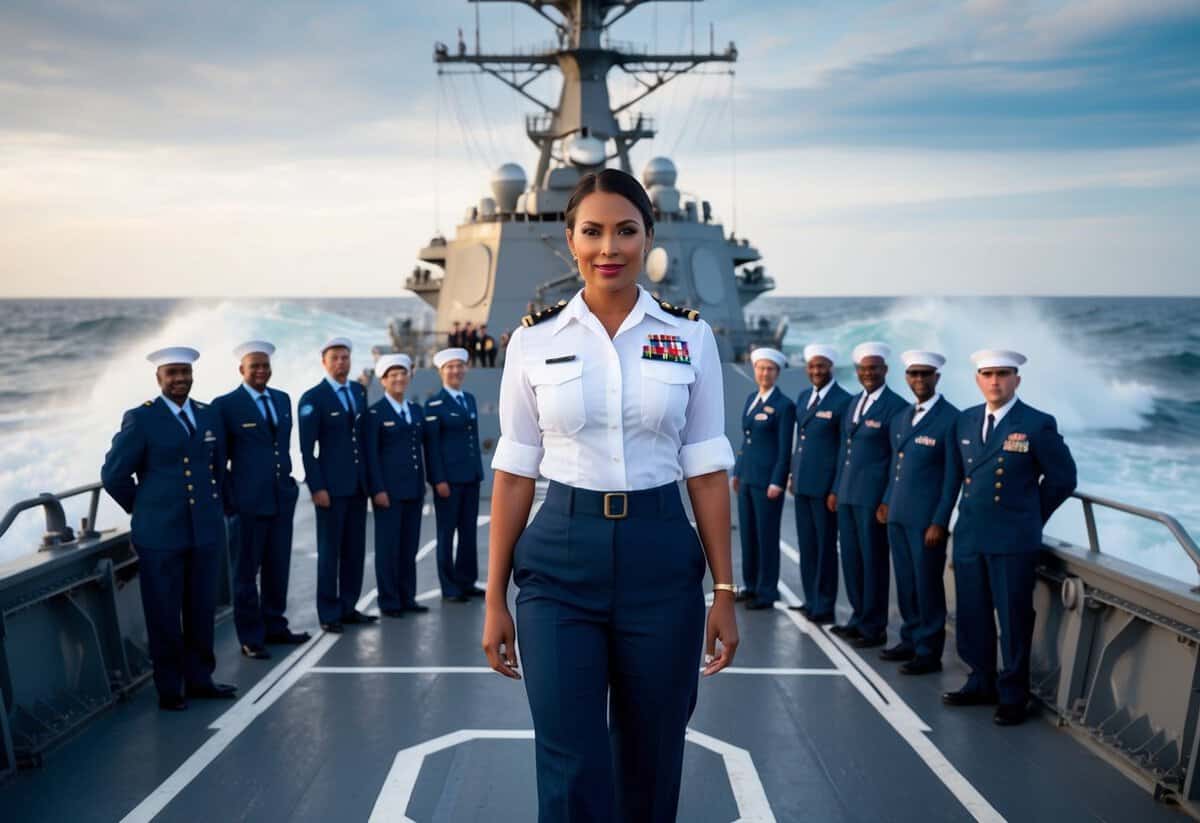
Women in the military have faced significant challenges on their path to leadership roles, especially in achieving positions like admiral. These challenges stem from discrimination, bias, and outdated cultural norms. Important legal changes have emerged to combat these issues and pave the way for women to succeed in the Navy.
Combatting Discrimination and Bias
Discrimination against women in the Navy has long been a barrier. Many women have faced bias based on gender and stereotypes about their capabilities. Sexism often leads to unfair treatment, limiting opportunities for advancement.
Key legislation, like the Women’s Armed Services Integration Act of 1948, opened doors for women to serve in military roles, but it didn’t erase deeply rooted biases. Today, efforts continue to raise awareness and provide training to combat these issues. Mentorship programs aim to support women, connecting them with leaders who can help them navigate their careers. These initiatives are vital in building a more inclusive environment.
Legal and Cultural Shifts
Legal changes have significantly improved opportunities for women in the Navy. Executive Order 9981, signed by President Harry Truman, aimed to end racial segregation in the military. While focused on race, it set a precedent for fighting inequality, including gender discrimination.
Over time, cultural shifts have emerged, recognizing the value of women’s contributions. Women now serve in many critical roles, including as pilots and engineers. Despite progress, challenges remain. Societal views continue to evolve, encouraging gender equality in leadership. As more women achieve ranks like admiral, they inspire future generations and demonstrate that women can lead effectively in the Navy.
Path to Leadership
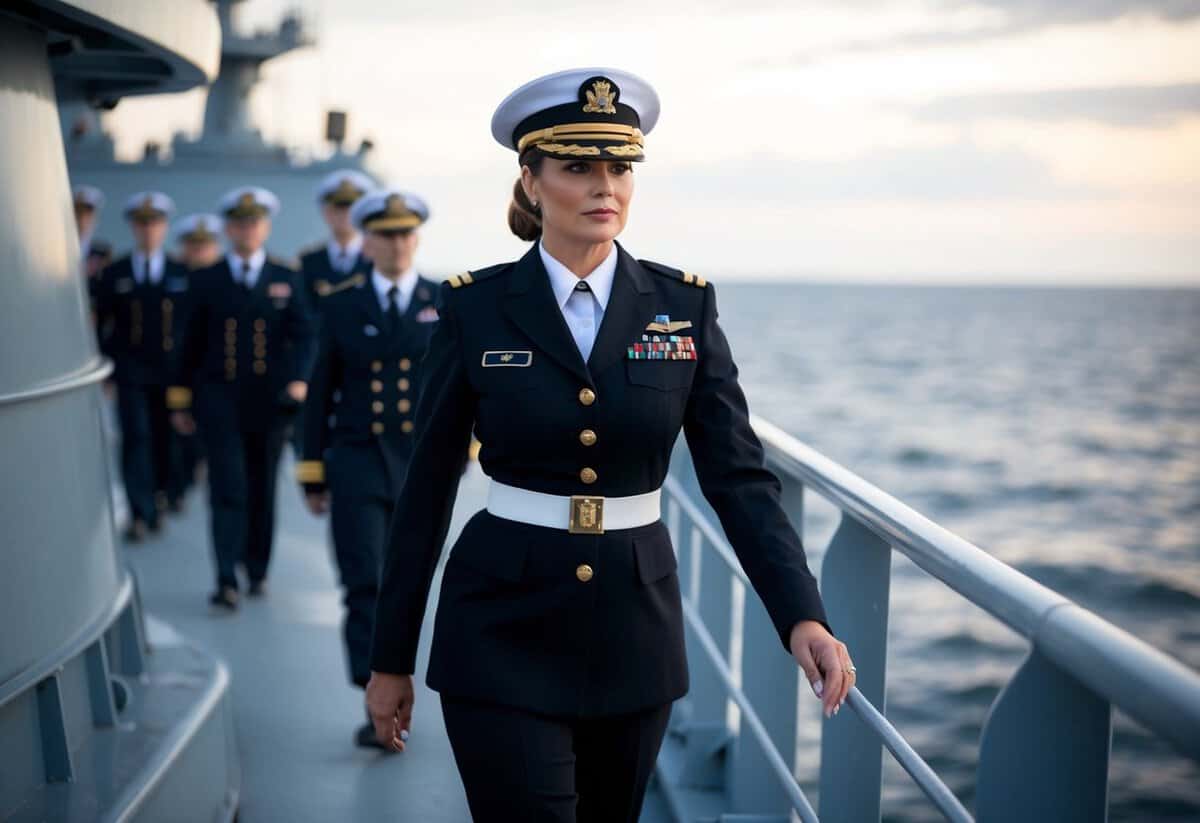
In the journey to becoming an admiral, career development and education play crucial roles. Both aspects pave the way for women’s advancement in military leadership, ensuring they are well-prepared for high-ranking positions.
Career Development
Starting your career in the military is vital. Service academies, like the Naval Academy, provide excellent entry points. Here, you gain valuable skills and training.
After graduating, look for opportunities to take on leadership roles early. These positions can range from leading small teams to managing larger operations.
Networking is also important. Engage with mentors and other leaders who can guide you. Attend conferences and workshops focused on women in leadership. These connections can open doors to advancement and give you insights into navigating a male-dominated field.
Education and Training
Education is foundational to your growth. Military service academies offer rigorous training that combines academics and leadership. You will learn not just tactics but also the importance of ethics and teamwork.
Participating in specialized training programs enhances your skills. Many military branches also support further education, such as advanced degrees, which contribute to your leadership development.
Seek out training focused on inclusion and diversity. As the military evolves, understanding these concepts becomes essential for effective leadership. These educational opportunities, when combined with your experiences, will empower you to excel and aim for higher ranks, including admiral.
Women in High Command
Women have made significant strides in high command positions within the military. Their achievements highlight the evolving role of females in leadership, particularly in the U.S. Navy and beyond.
Admirals and Their Roles
Women can attain high ranks in the military, including admiral. Admiral Michelle Howard made history as the first woman to become a four-star admiral in 2014. This accomplishment marked a new era for women in the military.
Admirals like Howard serve critical roles. You may find them in positions such as:
- Rear Admiral: Often oversees specific fleets or departments.
- Vice Admiral: Assists higher-ranking officers and manages operations.
- Chief of Naval Operations: The top naval officer, guiding naval strategy and policy.
These leaders help shape military readiness and strategy, impacting the operational capabilities of the U.S. Navy.
Impact on the U.S. Military
The presence of women in high command positions strengthens the U.S. military. It offers diverse perspectives that improve decision-making processes.
Women now hold key roles in the Joint Chiefs of Staff and commands like U.S. Southern Command.
Having women in leadership helps recruit and retain more female service members. Their visibility encourages young women to consider military careers.
Additionally, female-led units, such as carrier strike groups, display the effectiveness of inclusion. This shift promotes a culture of equality, enhancing the overall strength of the U.S. military.