
Can Anyone Be a Celebrant for a Wedding? Understanding the Roles and Requirements
Being part of a wedding is a special honor, and many wonder if they can take on the role of a celebrant. The good news is that almost anyone can become a wedding celebrant, provided they meet certain legal requirements in their area. This means you could potentially officiate a friend’s wedding or even your own if you’re so inclined.
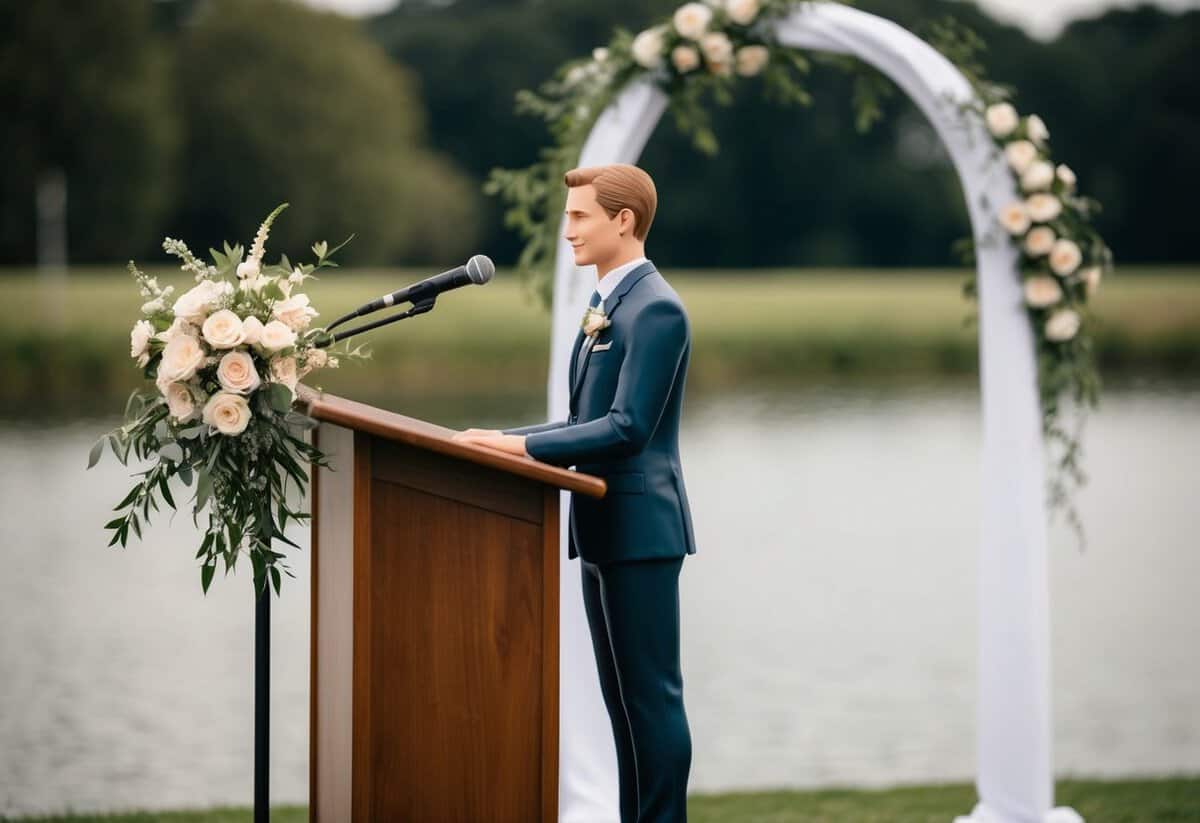
The role of a celebrant goes beyond just signing the marriage license; it involves creating a personalized ceremony that truly reflects the couple’s love and values. Whether you’re looking to create a traditional wedding day or something more unique, your vision can shine through as a celebrant.
If you’re considering stepping into this rewarding position, it’s essential to understand the specific rules in your state or country. Learning about the legal requirements will help ensure that the ceremony goes smoothly and is recognized by law, making the special day memorable for everyone involved.
What Is a Wedding Celebrant?
A wedding celebrant is someone who leads and performs wedding ceremonies. This role brings a personal touch to the occasion, allowing couples to express their unique love stories. The celebrant can work independently, offering flexibility and creativity in the ceremony format.
Differences Between Celebrants and Traditional Officiants
Wedding celebrants differ from traditional officiants like priests, rabbis, or magistrates. While officiants often lead ceremonies based on religious or legal guidelines, celebrants focus on personalizing the experience.
Key Differences:
- Ceremony Style: Celebrants can create custom scripts, while traditional officiants typically follow established rituals.
- Legal Authority: Both can legally marry a couple, but celebrants may not be as recognized in some religious settings.
For example, if you choose a celebrant, your ceremony can reflect your beliefs and personalities instead of existing religious traditions.
Roles and Responsibilities
A wedding celebrant handles several vital tasks. First, they meet with you to discuss your vision and preferences for the ceremony. This meeting helps shape the script and structure to reflect your relationship.
Responsibilities Include:
- Crafting a personalized ceremony script.
- Leading the ceremony on the wedding day.
- Ensuring all legal documents are completed and submitted.
Celebrants aim to create a meaningful atmosphere that involves your family and friends, making the day special and memorable.
Types of Celebrants
There are different types of wedding celebrants based on their training and approach. Some may have specific styles, like secular or spiritual ceremonies.
Common Types:
- Civil Celebrants: Focused on legal marriages, often chosen for secular ceremonies.
- Spiritual Celebrants: May incorporate religious elements without being tied to a specific religion.
- Ordained Ministers or Clergy: Have religious training and can offer a blend of traditional and personalized ceremonies.
Each type of celebrant can work with you to ensure your vision comes to life, no matter your belief system or personal style.
Becoming a Wedding Celebrant
If you’re thinking about becoming a wedding celebrant, certain steps are essential. This includes training, understanding legal requirements, and knowing about various organizations that can help you along the way.
Training and Qualification
To start, you need to undergo appropriate training. Many programs offer wedding celebrant training that teaches you the art of ceremony creation.
For instance, the UK Society of Celebrants provides courses focusing on skills like public speaking, writing vows, and personalizing ceremonies. You might also explore online options like those from organizations such as the Universal Life Church (ULC).
Getting ordained through ULC is usually straightforward and doesn’t require extensive study. After training, you’ll often need to apply for certification to enhance your credibility as a celebrant.
Legalities and Recognition
Legal marriage varies by location, so always check the marriage laws in your area. You may need to register as an ordained officiant to conduct legal ceremonies.
Some places allow specific types of celebrants, while others have broader rules. Understanding these legalities is crucial. In many regions, you might not need extensive paperwork to become recognized, but it’s good to be aware of what’s required.
Your ceremonies can be personalized, but they must still meet the legal standards where you plan to officiate.
Celebrant Wedding Training Organizations
Various organizations specialize in training wedding celebrants. Many offer comprehensive programs that cover everything from writing personalized scripts to handling logistics on the wedding day.
The UK Society of Celebrants, for example, provides detailed training and resources. You can also find online platforms such as Get Ordained, which make the process accessible for many aspiring celebrants.
Exploring these organizations can provide you with tools and support as you grow into your role. Being part of a network means you have a community to lean on for advice and shared experiences.
Planning a Personalized Wedding Ceremony
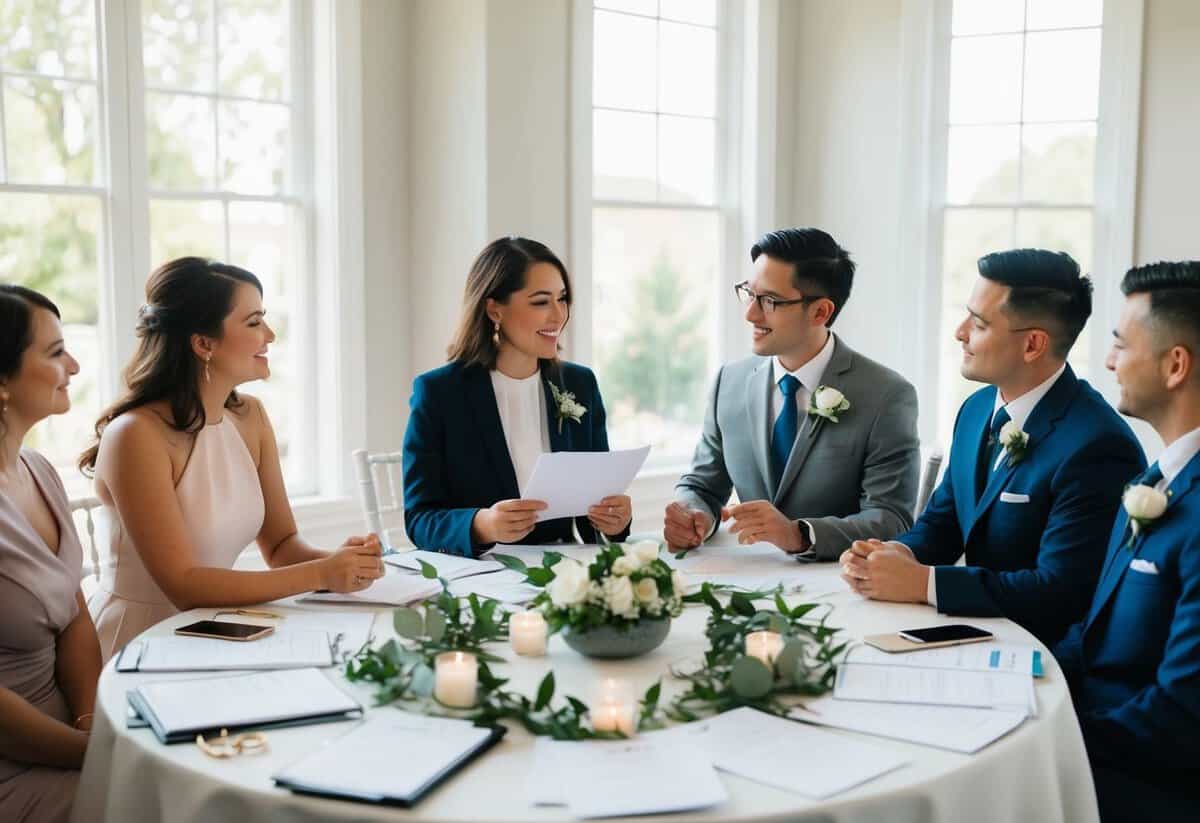
A personalized wedding ceremony is an opportunity to express your love story and values. Collaborating with your celebrant can help you incorporate meaningful elements, including unique rituals and personalized vows. This process will make your ceremony truly special.
Collaborating with the Couple
To create the perfect ceremony, open communication with your celebrant is crucial. Discuss your vision, expectations, and any specific themes that reflect your relationship.
Make a list of the elements you want to include. You might consider personalized vows, readings, or specific music that holds significance for you both.
Don’t hesitate to share your likes and dislikes. Your celebrant can guide you through the planning process and suggest ways to incorporate your ideas.
Creating a Unique Love Story
Every couple has a unique love story to share. This is a great opportunity to tell your journey together, from how you met to your favorite memories. Your celebrant can structure the ceremony to reflect this narrative.
Incorporate personalized vows that express your feelings and commitments. This will resonate with you and your guests, making the ceremony more heartfelt.
Consider including a special element, such as a unity candle or a sand ceremony, to symbolize your joining together. These rituals can enhance the emotional impact of your ceremony and emphasize your unique bond.
Cultural and Personal Rituals
Cultural traditions can add depth and meaning to your ceremony. Discuss with your celebrant any rituals that originate from your backgrounds. These elements honor your heritage and can enrich the ceremony.
You might choose to include personal rituals, like a family blessing or a moment of remembrance for loved ones not present. These gestures show respect and involve your family in the ceremony.
Whatever you decide, ensure it reflects your values and relationship. Each element should feel genuine, making your personalized wedding ceremony memorable for everyone involved.
The Legal Process of Officiating a Marriage
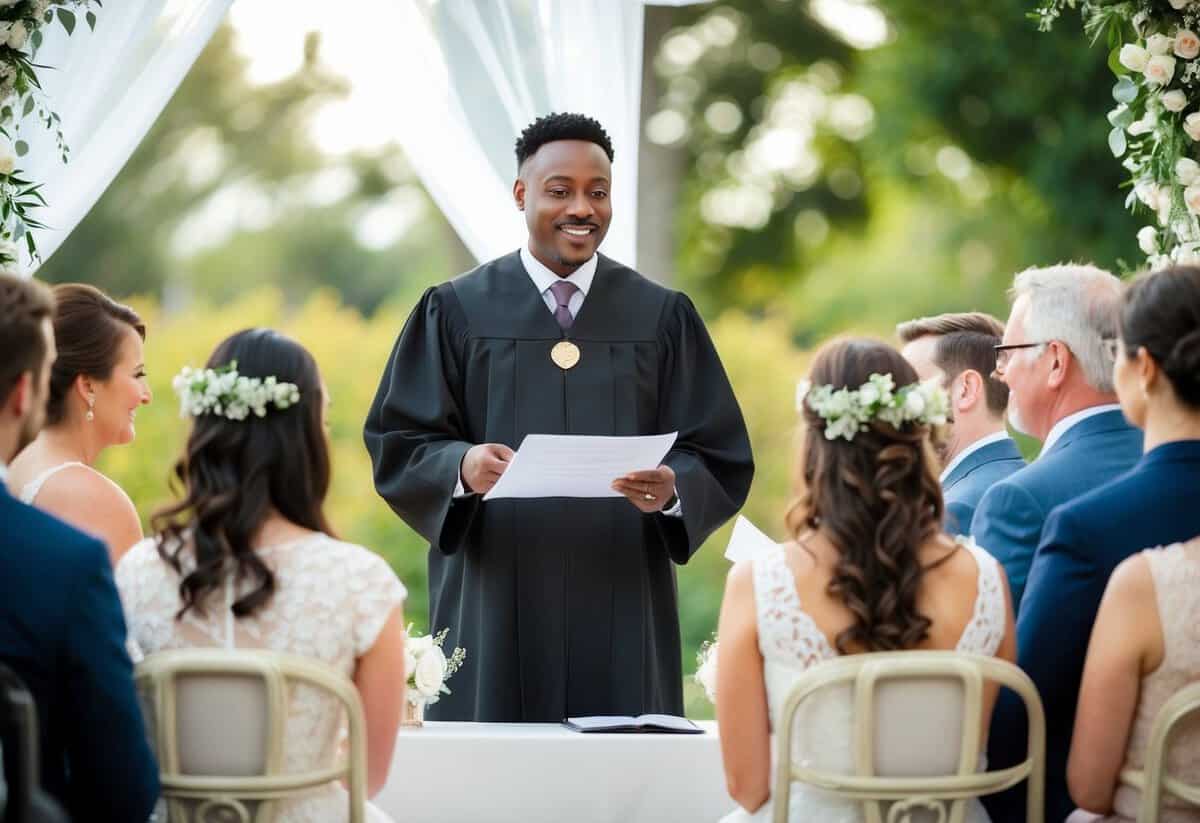
If you’re thinking about officiating a wedding, it’s important to understand the legal steps involved. Different states have various laws and requirements, so knowing these will help ensure that the marriage is recognized.
Understanding State and Country Laws
Laws about who can officiate a wedding vary by state and sometimes even by county. In general, you must be recognized as a civil, religious, or ordained officiant.
To become a legal officiant, you can go through an ordination process, which is often easy to do online. Some states require this if you want to perform marriages legally.
Be sure you check specific local laws to ensure compliance. You wouldn’t want to find out later that the wedding isn’t valid due to a simple oversight.
Obtaining and Filing the Marriage License
Before you officiate a wedding, the couple will need to obtain a marriage license. This document is essential for the wedding to be legally recognized.
Make sure the couple knows to check the license requirements in their state. Different jurisdictions have different rules about waiting periods, fees, and identification needed.
After the ceremony, you are often responsible for completing and filing the marriage license. This usually involves signing the license and sending it back to the appropriate government office. Not doing this step can lead to legal problems for the couple.
Post-Wedding Legalities
After the marriage ceremony, there are a few important legal steps to remember. First, make sure you file the marriage license with the right authority. This confirms that the marriage is official.
You may also want to keep a record of the officiant duties you performed. This could be beneficial in case there are questions about the validity of the marriage later on.
Post-wedding legalities are important to know. This way, you can feel confident in your role as an officiant. This small diligence ensures that the excitement of the wedding doesn’t lead to any future complications.