
Can Anyone Be a Wedding Celebrant? Exploring the Path to Officiating Weddings
If you’ve ever dreamed of officiating a beautiful wedding ceremony, you might wonder about the requirements. Anyone can be a wedding celebrant, as long as they meet specific legal criteria in their area. This means that your friends or family members can step into this meaningful role, allowing for a personal touch during the ceremony.
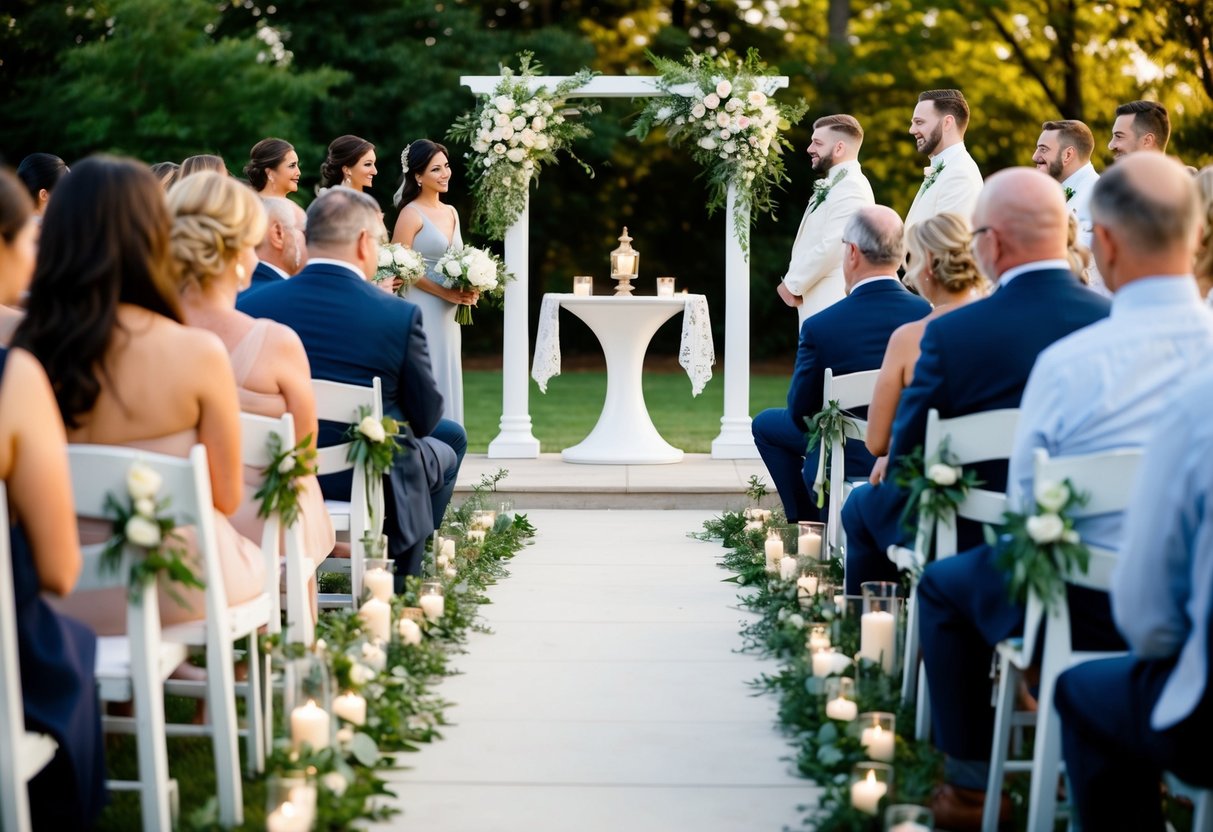
Becoming a wedding celebrant can be a fulfilling experience. It allows you to connect deeply with couples on one of the most important days of their lives. Plus, celebrants have the flexibility to create unique and customized ceremonies that reflect the couple’s personalities and values.
Whether you are motivated by a passion for love stories or wish to help others celebrate their commitment, this path is open to you. Dive deeper into the steps and considerations involved in becoming a wedding celebrant, and discover how you can bring joy to couples and their families.
What Is a Wedding Celebrant?
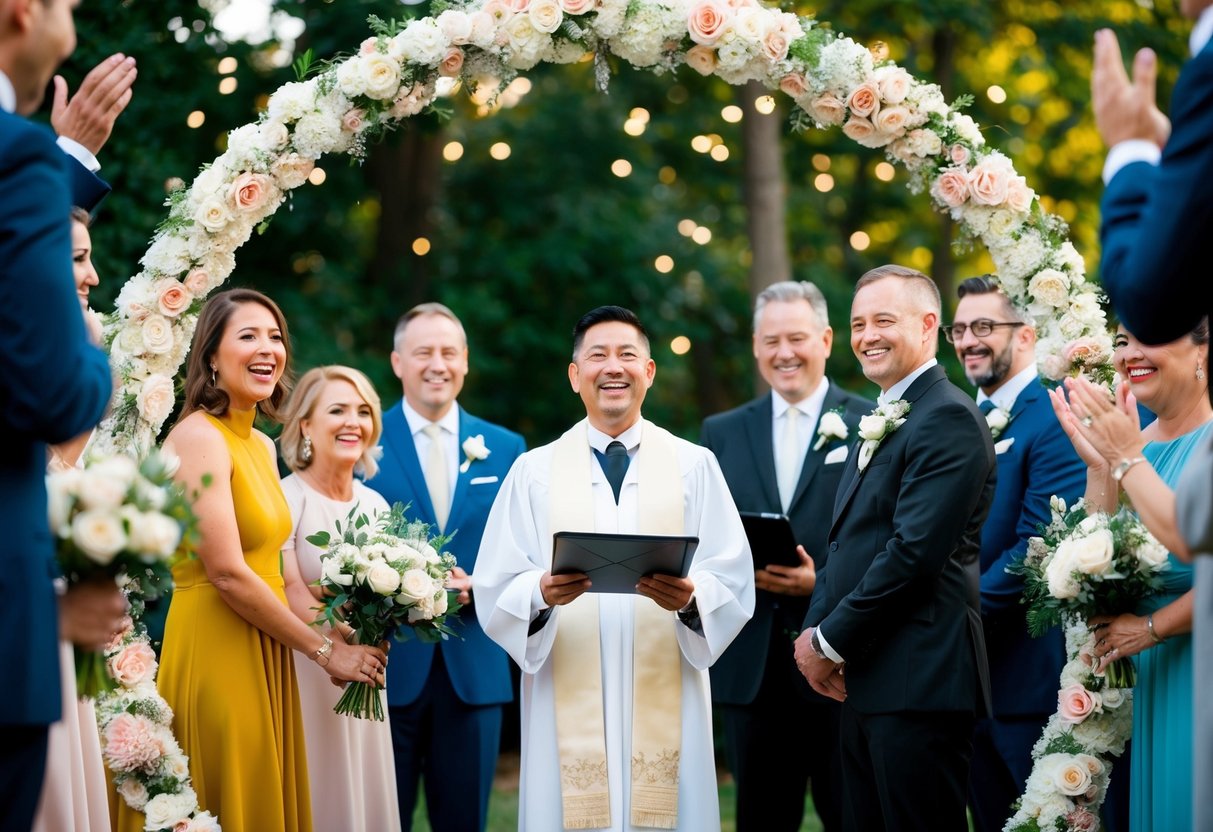
A wedding celebrant is a professional who leads wedding ceremonies, providing a personal touch to your special day. They differ from traditional officiants by offering unique, customized ceremonies that reflect the couple’s story and preferences.
Roles of a Celebrant
As a wedding celebrant, your main role is to create and officiate a ceremony tailored to the couple’s wishes. This can include writing personalized vows and incorporating special rituals that resonate with the couple’s personality.
Celebrants are not bound by religious traditions. This allows you the freedom to choose any location that holds significance to you, from beaches to gardens. While some celebrants are ordained ministers or justice of the peace, many are trained specifically to craft meaningful ceremonies.
They focus on adding heartfelt elements that represent your journey together, making the ceremony a true reflection of your love. A celebrant facilitates an engaging and memorable experience, ensuring that your day is truly special.
Types of Celebrants
There are various types of wedding celebrants to choose from:
-
Civil Celebrants: These celebrants follow secular guidelines, emphasizing a non-religious approach. They can officiate anywhere without any religious restrictions.
-
Religious Celebrants: If you prefer a ceremony that includes spirituality, a celebrant with a religious background can fulfill that role while still offering a personalized touch.
-
Ordained Ministers: Though religious, they often adapt their services to meet your unique needs.
-
Justice of the Peace: These officials typically handle legal aspects and can also perform ceremonies.
When selecting a celebrant, consider their background and approach to ensure they align with your vision for the ceremony.
Becoming a Wedding Celebrant

If you want to become a wedding celebrant, there are some important steps to follow. You need to understand the legal requirements, consider ordination and training options, and think about starting your own celebrant business.
Understanding the Legal Requirements
To perform weddings legally, you must meet specific legal requirements. These often include obtaining a marriage license in your local area. The legal process can vary by state or country, so it’s essential to check your local laws.
You’ll often need to file paperwork and, in many cases, register as an officiant. This ensures that you’re authorized to sign the marriage license after the ceremony. Familiarizing yourself with these details is a key step to becoming a successful celebrant.
Ordination and Training
In many places, you can become a wedding celebrant through online ordination or free ordination programs. These programs often provide you with an ordination certificate, which you might need for legal recognition. It’s crucial to choose a reputable organization that is recognized in your area.
Celebrant training is also vital for building your skills. Look for celebrant training courses that offer practical advice on writing ceremonies, public speaking, and connecting with couples. Quality training can enhance your confidence and effectiveness as an officiant, making each ceremony special.
Starting Your Celebrant Business
After getting your ordination and training, it’s time to start your celebrant business.
First, create a simple business plan. This plan should include your pricing, marketing strategies, and target audience.
You may want to start by offering your services to friends and family to gain experience. As you grow, consider building a website and using social media to reach more couples.
Networking with other professionals in the wedding industry can help you connect with clients. Remember, your unique touch and personality will set you apart as a wedding celebrant.
Crafting a Personalized Wedding Ceremony
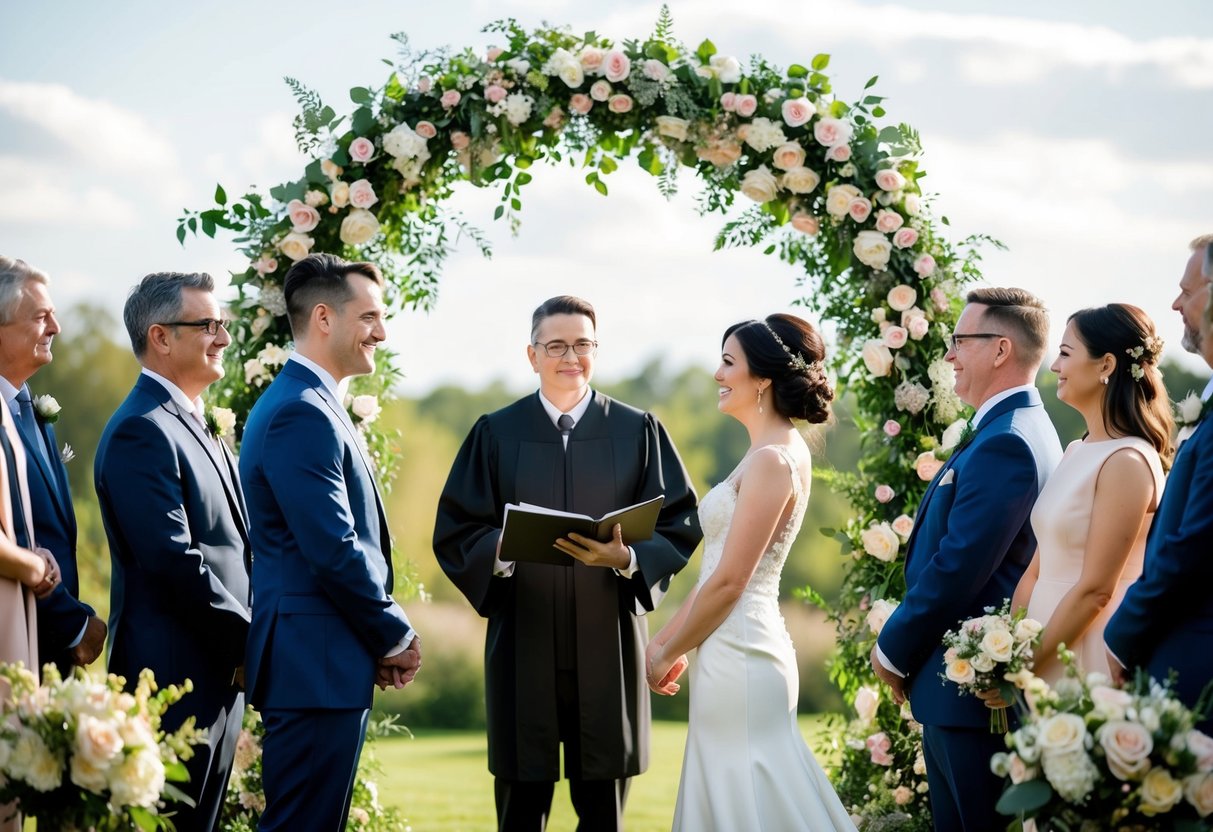
Creating a personalized wedding ceremony involves a deep connection between you and the couple. It’s not just about following a script; it’s about reflecting their unique love story. Here’s how to ensure their special day is truly memorable.
Collaborating with the Couple
Start with open conversations. Get to know the couple’s vision for their big day. Ask about their love story, key moments, and personal values. This will help you craft a ceremony that speaks to their individual journey.
Discuss any specific elements they want to include, like special readings, personal vows, or unique rituals. Encourage them to share their ideas and preferences. This collaboration ensures they feel included in every step.
You might also want to explore how they met or any fun anecdotes. Capturing these moments can add a personal touch that makes the ceremony feel even more special.
Writing the Ceremony Script
Once you have gathered enough information, begin writing the ceremony script. This is where storytelling comes into play. Use their love story to introduce the ceremony, making it relatable and heartfelt.
Include sections for welcome remarks, the exchange of vows, and rings. Keep it well-structured, but don’t hesitate to inject personality. You can add humor or touching anecdotes to make the script engaging.
Be clear about ceremony protocol, especially if there are specific cultural or religious elements involved. Make sure the couple approves the final draft. Their comfort with the script is key to a smooth ceremony.
Incorporating Rituals and Traditions
Rituals can enhance the emotional impact of the ceremony. Discuss with the couple any traditions they want to incorporate. These can be meaningful actions like lighting a unity candle or a sand ceremony. Each ritual can symbolize their commitment in unique ways.
If they are planning vow renewals, consider creating a special moment to reflect on their journey together. This can also include personal touches like writing vows that highlight their growth as a couple.
Don’t forget about wedding supplies. Items like custom vow books or special shared symbols can make the ceremony more personal. Plan ahead to ensure everything is ready for the big day.
Professional Development and Networking

To become a successful wedding celebrant, it’s essential to focus on continued education and join professional organizations. These steps can enhance your skills and expand your network, which are both key to building a successful career.
Continued Education
Continued education is vital for improving your skills. Taking celebrant training courses can help you learn about various aspects of officiating weddings, such as ceremonies, legal requirements, and communication.
Consider courses offered by a local wedding training center. These programs often cover public speaking techniques, helping you communicate effectively with couples and guests. You might explore classes that improve your storytelling skills, which are crucial when crafting personalized ceremonies.
Additionally, many celebrants find value in online resources. Organizations like the Universal Life Church provide access to free training materials that cover various topics related to officiating weddings. Keeping your skills up-to-date helps you stay relevant in the industry.
Joining Professional Organizations
Joining professional organizations can greatly enhance your visibility and connections in the wedding industry. Look for groups that cater specifically to wedding celebrants. These networks often provide access to valuable resources, including workshops and seminars.
Part of a community allows you to share experiences and tips with fellow celebrants. It also opens doors for referrals and collaboration opportunities. For example, participating in events organized by your professional group can lead to connections with other vendors like photographers or florists.
Engage on platforms such as Facebook, where you can find local wedding professional groups. Networking at these gatherings can help you establish important relationships in your area, which is vital for getting more clients.