
Can Anyone Officiate a Wedding in the UK? Understanding the Rules and Options
When you get married in the UK, you might wonder who can officiate a wedding. Only certain individuals can legally officiate a wedding ceremony, so it’s crucial to understand this before your big day. You don’t want to plan a special moment only to find out later that it isn’t legally binding.
If you’re considering having a friend or family member conduct your ceremony, it’s essential to know the rules. While anyone can host a non-legally binding ceremony, the official part must be done by a registered individual, like a registrar or a licensed member of the Church. This means that you can have the personal touch of someone you love at your wedding, but you will still need to complete the legal requirements separately.
Understanding who can officiate your wedding can help you plan an unforgettable day while ensuring everything stays on the right side of the law. Whether you’re dreaming of a grand celebration or an intimate gathering, knowing these details is the first step in making your wedding day everything you’ve wished for.
Legal Requirements to Officiate a Wedding in the UK
To officiate a wedding in the UK, you must meet specific legal requirements. This section details the necessary steps for becoming a registrar, the roles of religious leaders, and how to facilitate non-religious ceremonies.
Becoming a Registrar
To officiate a wedding as a registrar, you first need to be registered by your local authority. This process involves training and completing an application. Once approved, you’ll have the authority to conduct civil ceremonies.
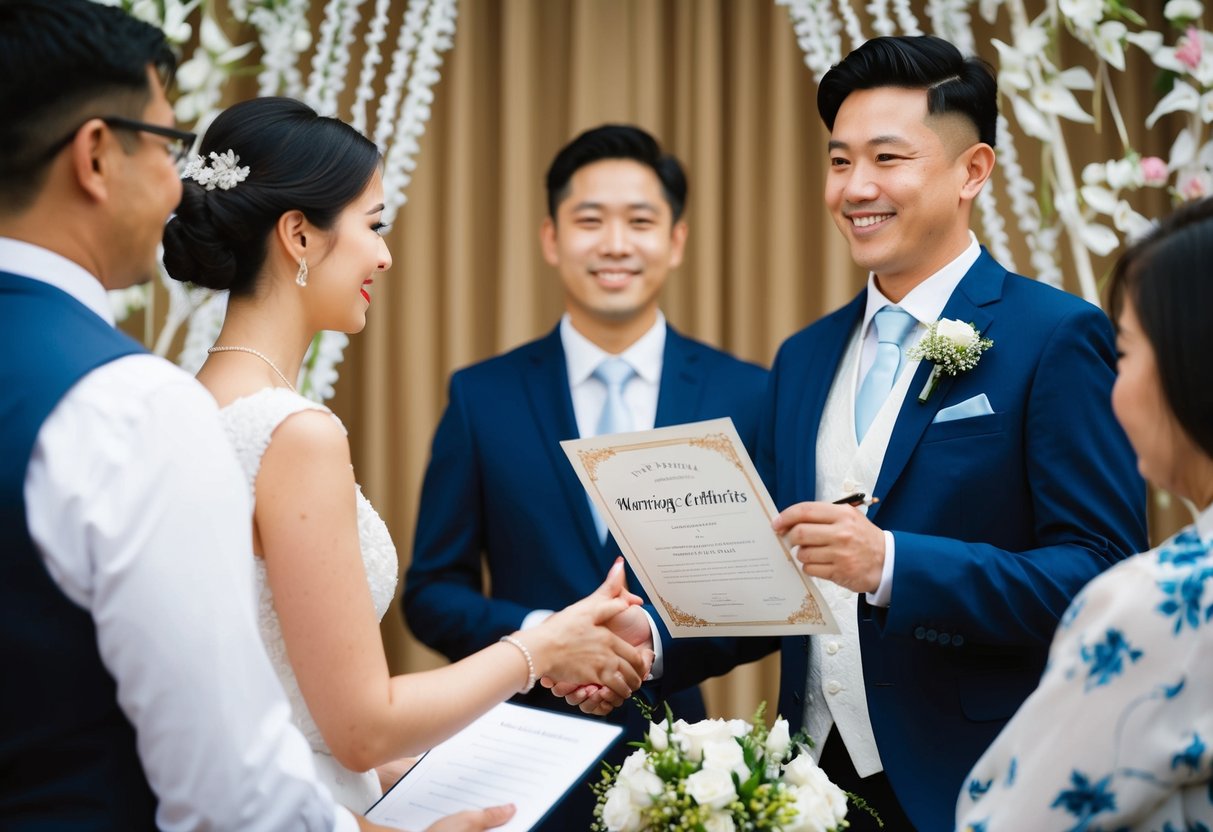
Civil ceremonies can take place in registered venues such as hotels or community centers. The couple must give notice of their intention to marry at least 28 days before the ceremony. After the ceremony, you will provide a marriage certificate, which serves as legal proof of the marriage.
Keep in mind that only individuals registered with the local authority can perform legally binding ceremonies. So, if you wish to have a friend or family member officiate, they will need to be registered first.
Roles of Religious Leaders
Religious leaders play a key role in officiating weddings that take place within their faith traditions. For example, a priest from the Church of England, a Catholic priest, or a Rabbi can perform these ceremonies.
For these weddings to be legally binding, the ceremony must follow the regulations set by the respective religious organization. In the case of the Church of England, the ceremony must be held in a church that’s registered for marriage.
Each religious group has its practices and requirements for marriage. It’s important to check with your religious leader to ensure all necessary paperwork and permissions are in place before the ceremony takes place.
Ordination for Non-Religious Ceremonies
If you prefer a non-religious ceremony, you may be interested in options like humanist weddings. While humanist officiants can lead meaningful ceremonies, they are not legally recognized for marriage in all parts of the UK.
For a legal marriage, couples usually have a civil ceremony first, followed by a personalized non-legally binding ceremony. Some may choose an online ordination option through organizations like the Universal Life Church.
These ordained officiants can perform ceremonies, but keep in mind you must have that legal component secured before celebrating your union in a more personalized way. Always check the legal status of your officiant to ensure your marriage will be validated.
Options for Wedding Ceremonies
You have several choices when it comes to wedding ceremonies in the UK. Each option has unique features that can suit different needs and desires for your special day.
Religious Wedding Ceremonies
If you want a traditional feel, religious wedding ceremonies might be for you. These ceremonies are held in places like churches, synagogues, or mosques. Typically, a recognized religious leader will officiate.
For a legally binding wedding, the religious leader must have the proper license from the local marriage authority. Be prepared for rituals and traditions specific to your faith. Couples often feel a deeper spiritual connection during these ceremonies, making it a meaningful option for many.
Civil Wedding Ceremonies
Civil wedding ceremonies are straightforward and often held in registrars’ offices or approved venues like hotels or stately homes. Here, a registrar officiates the marriage, ensuring it is legally binding.
You’ll need to give notice at your local register office in advance. This process includes presenting valid identification and proof of residency. Civil ceremonies are great for couples who prefer a simple, secular approach without religious elements. Add personal touches with music or readings to make it your own.
Personalised Non-Legally Binding Ceremonies
Maybe you want something unique that reflects your style. For this, consider a personalised non-legally binding ceremony. Friends or family members can officiate, allowing for a deeply personal touch to your event.
Keep in mind that these ceremonies don’t hold legal weight, so many couples opt to have a civil ceremony beforehand. You get to choose the location, rituals, and themes that resonate with you, creating a memorable experience. This option provides flexibility for creative expressions unique to your love story.
Choosing Your Wedding Officiant
Selecting the right officiant for your wedding is a significant decision. The choice can shape the tone and feel of your ceremony, so you need to think carefully about it.
Professional Celebrants and Their Training
Professional celebrants bring a wealth of experience to your ceremony. Many obtain a Diploma in Celebrancy, which ensures they know how to create meaningful ceremonies that reflect your wishes. These trained professionals can make your wedding feel unique and special.
When choosing a celebrant, look for someone whose style resonates with you. They often offer a personalized approach and can help with vows, readings, and rituals. You might also want to check their availability and ask for references or reviews.
In addition to celebrants, there are ministers and deacons who are ordained in the UK. They can conduct religious ceremonies, but it’s essential to discuss your preferences beforehand to ensure your vision aligns with their guidelines.
Friends or Family as Officiants
Having a friend or family member officiate your wedding can add a personal touch. However, if your chosen person is unordained, they cannot legally perform the ceremony.
They may conduct a symbolic or non-legal ceremony while you complete the formalities at a registry office.
If you want your loved one to officiate, consider encouraging them to pursue an ordination package online. Some organizations offer quick ordination that allows them to officiate legally. This route can make your wedding feel even more intimate and memorable.
Be sure to check the legal requirements in your area if you choose this option. This way, you can ensure everything is in place for your special day!