
Can Celebrants Legally Marry You? Understanding Their Role in Weddings
When planning your wedding, you might be wondering if a celebrant can legally marry you. The answer is yes. Under certain conditions, a licensed celebrant can perform legal marriages. This means that you have the option to create a personal and unique ceremony while also ensuring that your marriage is legally binding.
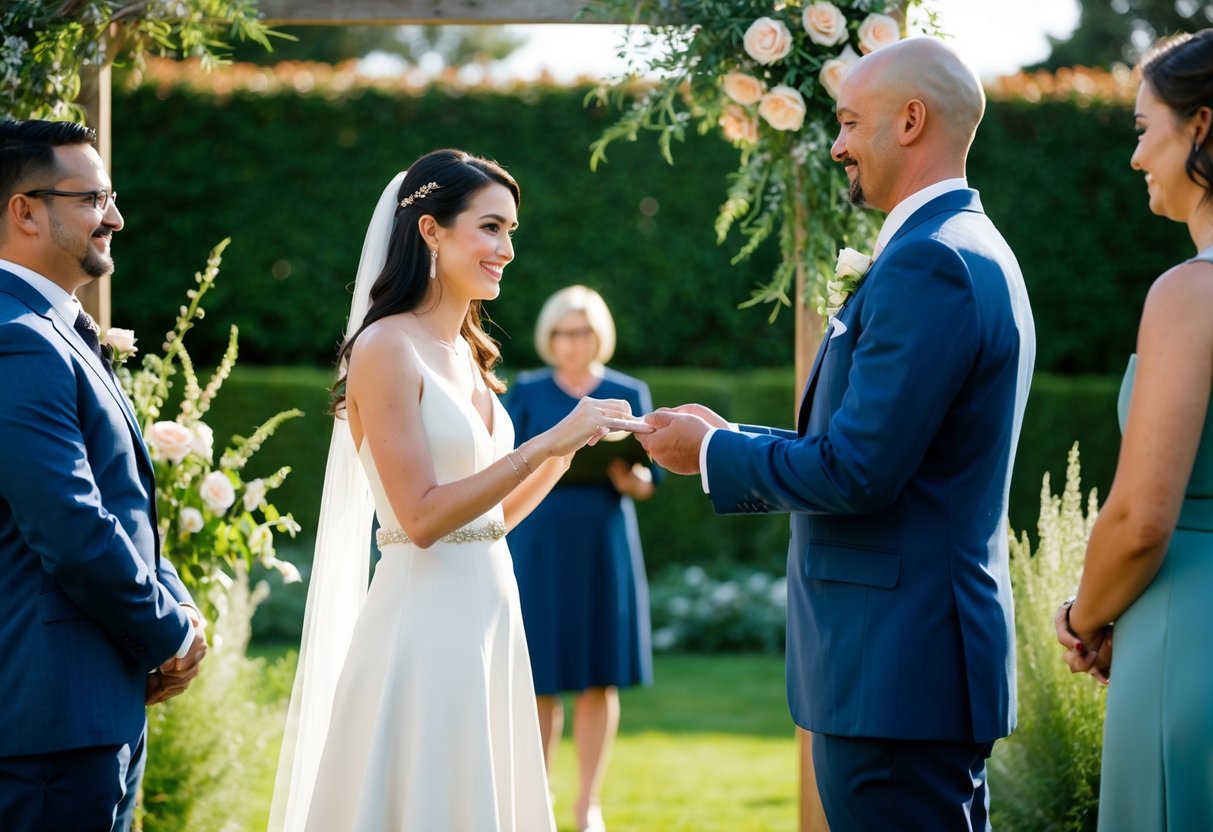
Different states have varying regulations about who can officiate weddings. Some celebrants are fully authorized to handle all aspects of your marriage ceremony. Understanding the requirements in your location can help you make an informed choice that suits your style and needs.
Choosing a celebrant allows you to have a meaningful ceremony tailored to your love story. By finding the right celebrant, you can enjoy both the legal and emotional parts of your big day seamlessly.
Understanding Celebrants and Their Role in Weddings
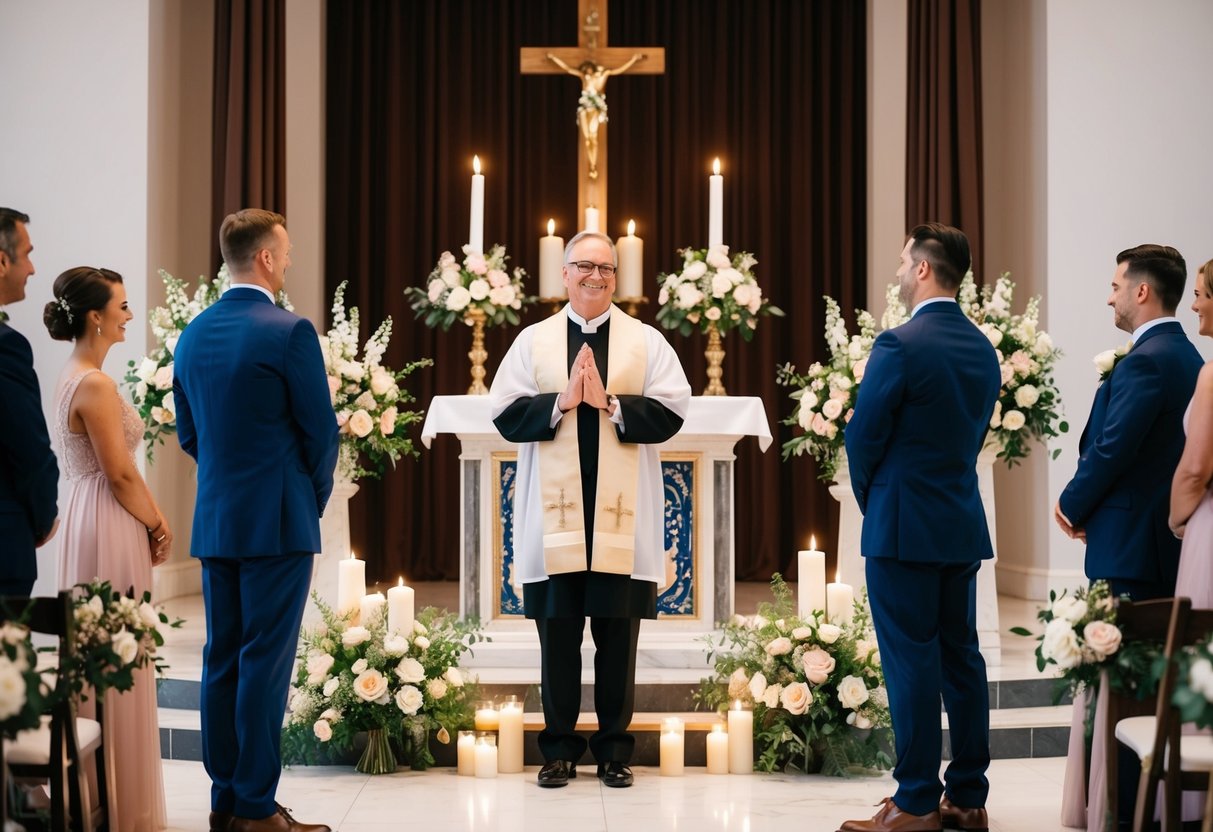
Celebrants play a unique role in weddings, allowing for a more personalized approach to ceremonies. They offer non-denominational and non-religious options, making your big day special in a way that reflects your personality and values. Let’s explore what they do, how they differ from traditional officiants, and the variety of options available.
The Definition and Duties of a Celebrant
A celebrant is a professional officiant who specializes in creating and conducting personalized ceremonies. Their primary duty is to work closely with you to craft a ceremony that reflects your love story and beliefs.
Celebrants often handle the following responsibilities:
- Consultation: Meeting with you to understand your needs and preferences.
- Ceremony Design: Helping you choose readings, music, and rituals that resonate with you.
- Legal Requirements: Ensuring all necessary legal documents are prepared and submitted.
By focusing on your individual story, they create a more intimate and meaningful experience.
Comparing Celebrants to Traditional Officiants
Traditional officiants, such as priests or judges, typically conduct ceremonies that adhere to specific religious or legal formats. In contrast, celebrants have the flexibility to design a ceremony that suits your preferences.
Here are some key differences:
- Ceremony Type: Celebrants can perform non-religious ceremonies that reflect your values.
- Personal Touch: They take the time to understand your relationship, adding unique elements that make the ceremony yours.
- Training: Many celebrants undergo specific training to enhance their skills in delivering personalized ceremonies.
Choosing between a celebrant and a traditional officiant depends on the experience you wish to have on your wedding day.
Types of Celebrants and Their Ceremonial Flexibility
There are various types of celebrants, each offering a distinct approach to wedding ceremonies. You might encounter:
- Civil Celebrants: Focus on legal requirements and secular ceremonies.
- Religious Celebrants: Often have ties to a specific faith but can conduct non-denominational ceremonies.
- Themed Celebrants: Specialize in unique wedding styles, like outdoor, vintage, or cultural ceremonies.
This diversity allows you to find a celebrant whose style resonates with your vision. Whether you want a light-hearted, fun celebration or a heartfelt, serious ceremony, celebrants can adapt to meet your needs. Working with a celebrant increases the chances of creating a day that truly represents you and your journey together.
Legalities of Marrying with a Celebrant

When considering a celebrant for your marriage, it’s crucial to understand the legal aspects involved. This includes their authority, the need for a marriage license, and the state laws that govern the entire process. Knowing these elements can help ensure your wedding ceremony is valid and recognized.
Legal Authority to Solemnize Marriages
Celebrants can legally marry couples if they are authorized to do so under state law. This means they must be licensed by the appropriate government authority. Each state has different requirements for becoming a licensed officiant, which may include training or certification.
Celebrants may be civil officiants or religious leaders. If you opt for a civil ceremony, ensure your celebrant is registered with the state. For instance, in some states, justices of the peace can also perform marriages. Always verify their status to avoid issues on your wedding day.
Marriage License and Marriage Certificate Explained
Before your ceremony, obtaining a marriage license is essential. This license is a legal document issued by your local government, allowing you to marry. Both partners usually need to apply in person, providing identification and sometimes paying a fee.
After the ceremony, the celebrant will complete the marriage certificate. This is a crucial document that proves your legal marriage. You’ll typically need to file this with the county clerk. Be sure to check local rules, as some areas have strict timelines for filing.
State Laws Governing Marriage Ceremonies
State laws play a significant role in marriage ceremonies. These laws dictate who can officiate, the necessary paperwork, and specific requirements for the ceremony. For example, some states require that at least one witness be present during the ceremony.
It’s also crucial to note that some states allow online or remote ceremonies, especially due to changes brought on by the pandemic. Always research your state’s laws to ensure compliance. Understanding these details helps avoid surprises and makes your celebration smooth and joyous.
Choosing the Right Celebrant for Your Wedding

Selecting the right celebrant is an important step for your wedding. You want someone who understands your vision and meets your needs. The right celebrant can make your ceremony feel special and personalized.
Evaluating Different Celebrant Qualifications
When choosing a marriage celebrant, start by checking their qualifications. Look for someone who is licensed to perform weddings. Celebrants can vary from independent celebrants to religious officiants or even a notary public. Each has different levels of training and requirements.
Ask about their experience with non-denominational or secular ceremonies. Make sure they understand the legal aspects in your area, especially if you are planning a civil ceremony. Don’t hesitate to ask for references or reviews from previous couples to gauge their satisfaction.
Understanding the Importance of a Good Fit for Your Ceremony
Finding a celebrant who aligns with your values is crucial. This person will lead a ceremony that reflects your beliefs and style. A good fit could mean having someone who is open to unique traditions like handfasting or more personalized vows.
Take the time to meet your potential celebrant. Discuss your vision and see if their personality matches yours. It’s essential that you feel comfortable and connected to them. A celebrant who listens to you and respects your choices will make your ceremony memorable.
Planning a Personalized Experience with Your Celebrant
A personalized ceremony can bring a special touch to your wedding. Collaborate with your celebrant to create a unique script that reflects your love story.
Share ideas about readings, music, or rituals that are meaningful to you. Discuss potential locations, like a licensed venue or registry office.
Ensure your celebrant is adaptable and can help you navigate the logistics. This partnership will allow for a ceremony that truly represents you both. Your wedding day deserves to be a reflection of your journey together.