
Can Guys Stand on the Bride’s Side? Exploring Wedding Traditions and Roles
At weddings, many traditions guide the ceremony. One common question is whether guys can stand on the bride’s side. The answer is yes—guys can absolutely stand with the bride if that is what you choose. This shift in tradition reflects how personal preferences are now shaping modern weddings.
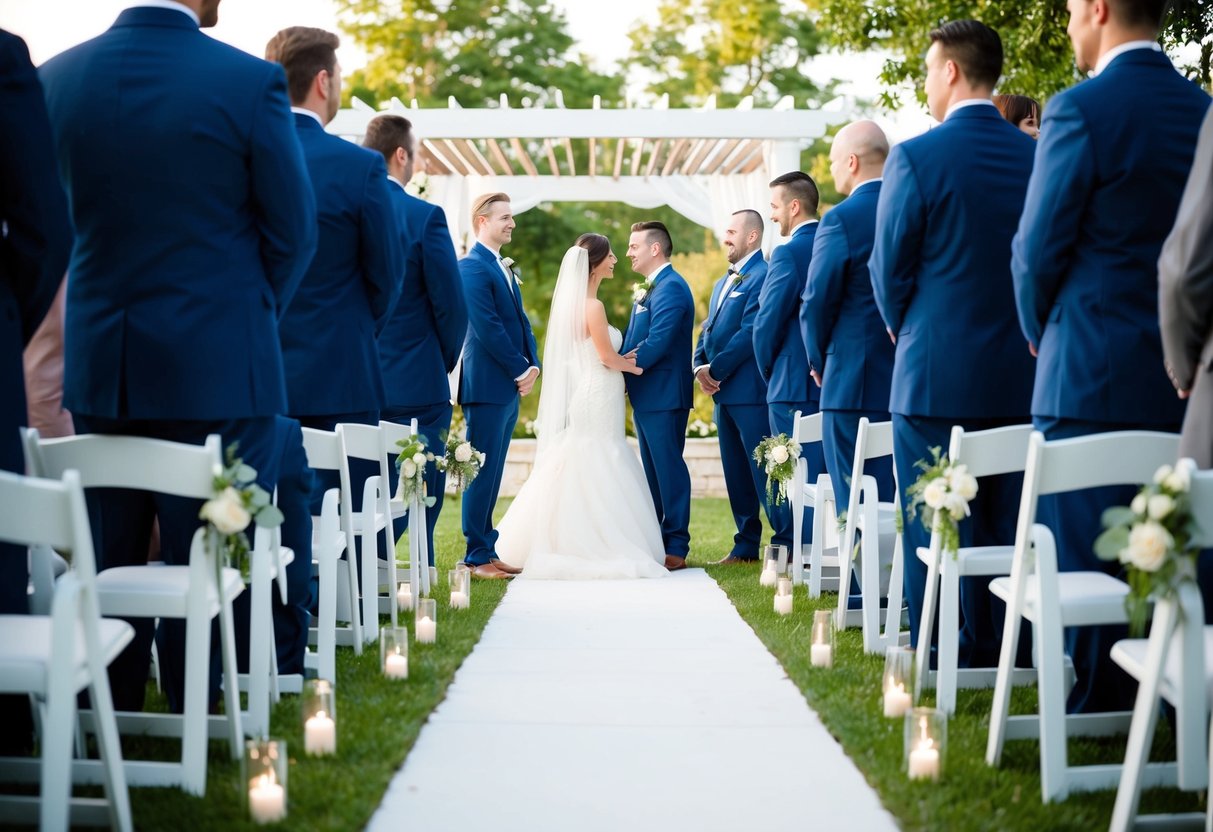
Wedding ceremonies have evolved over time. While the bride typically stands on the left and the groom on the right, more couples are breaking away from these norms. You might have a brother, a close friend, or a family member who you want by your side to celebrate this special moment. Your wedding should represent who you are.
This change highlights the importance of making your ceremony personal. It’s all about what feels right for you and your partner. So, whether it’s a bridesman or a supportive male friend, the choice is yours to make your day uniquely yours.
The Evolution of Wedding Traditions
Wedding traditions have changed a lot over time. These shifts reflect cultural values, gender roles, and personal preferences. You’ll see how historical practices shaped modern ceremonies and how people today choose to adapt these customs.
Historical Significance of the Bride and Groom’s Position
In medieval times, the bride typically stood on the left side while the groom stood on the right. This placement was part of ancient traditions that included notions of chivalry and protection. The groom needed to protect the bride from attackers, which played into the idea of “marriage by capture.”
The practice of having the bride on the left is also linked to the ancient belief in the vena amoris, or the vein of love, which ran from the heart to the left hand. This is one reason why the wedding ring is placed on the left hand. Such traditions symbolize eternal love.
Modern Interpretations and Personal Preferences
Today, many couples are taking a different approach. You may notice that some weddings feature a bridesman or a man of honor standing beside the bride. This reflects a shift away from strict gender roles.
Modern couples often prioritize personal preference over tradition. Some may choose to stand together or mix sides, showcasing equality in their partnership. This flexibility allows for a more personalized wedding experience, making the day more meaningful for you and your partner.
Wedding Party Dynamics and Arrangements
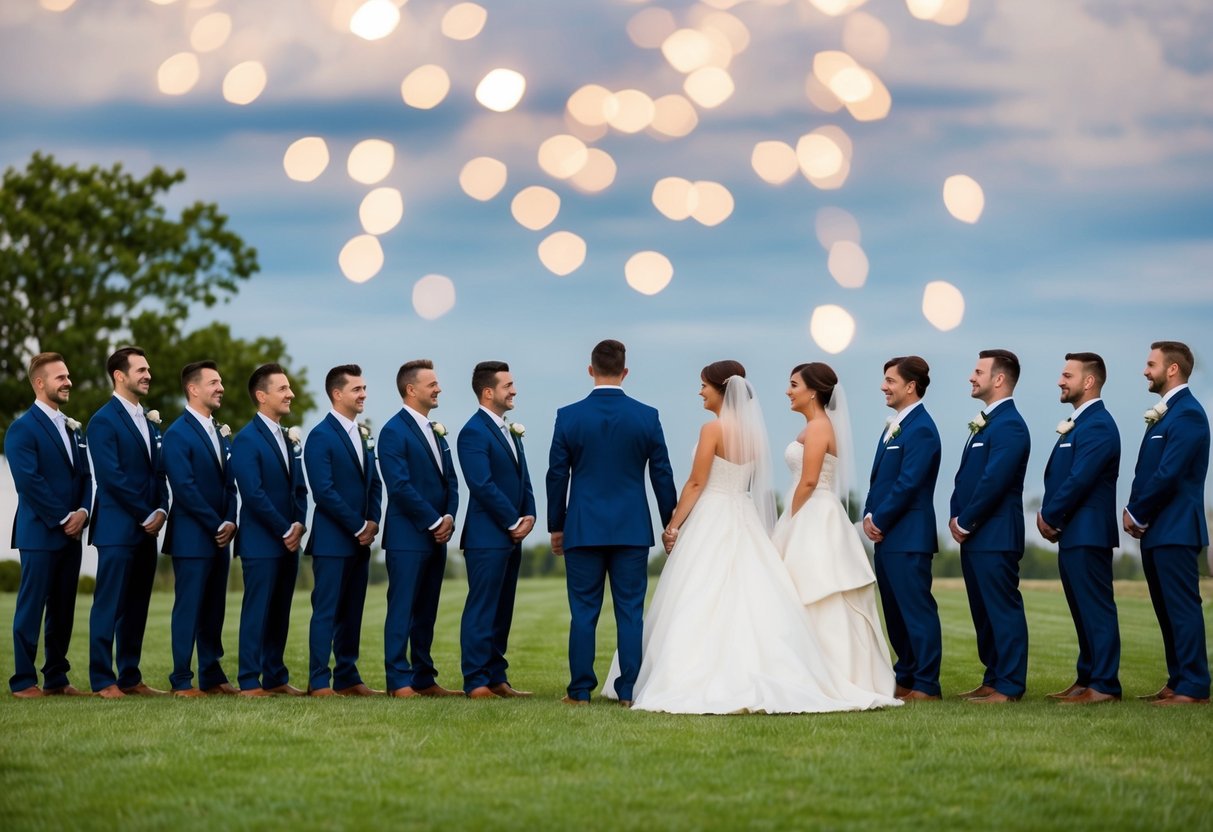
Understanding the roles and placements within the wedding party is key to creating a meaningful ceremony. You’ll want to consider both traditional arrangements and more modern options that reflect your personal style.
Role and Placement of Bridesmaids and Groomsmen
In a typical wedding ceremony, bridesmaids and groomsmen play significant roles. Bridesmaids usually stand on the bride’s side, while groomsmen stand with the groom. This setup is not only traditional but also helps symbolize support for each party.
During the wedding processional, bridesmaids often enter first, followed by the maid of honor, while the groomsmen come in next. The order can vary, especially in an outdoor wedding where space and visibility matter.
Discussing where each person stands also applies to seating arrangements for guests. Traditionally, the bride’s friends and family sit on her side and vice versa. This arrangement supports the community feel of the ceremony.
Alternative Arrangements and Inclusion in Wedding Ceremonies
Modern weddings often embrace flexibility in their wedding party arrangements. For instance, some couples choose to mix genders on both sides. You might have guys standing on the bride’s side, reflecting a more inclusive approach.
This inclusive spirit can also be found in Jewish weddings and Hindu weddings, where customs may allow for different dynamics. Personal preference is essential. If you want a unique setup, discuss it with your partner and wedding planner.
Arrangements like a sweetheart table can also foster closeness between both families. Remember, the most important element is that your ceremony feels right for you!
Cultural Nuances and Religious Customs
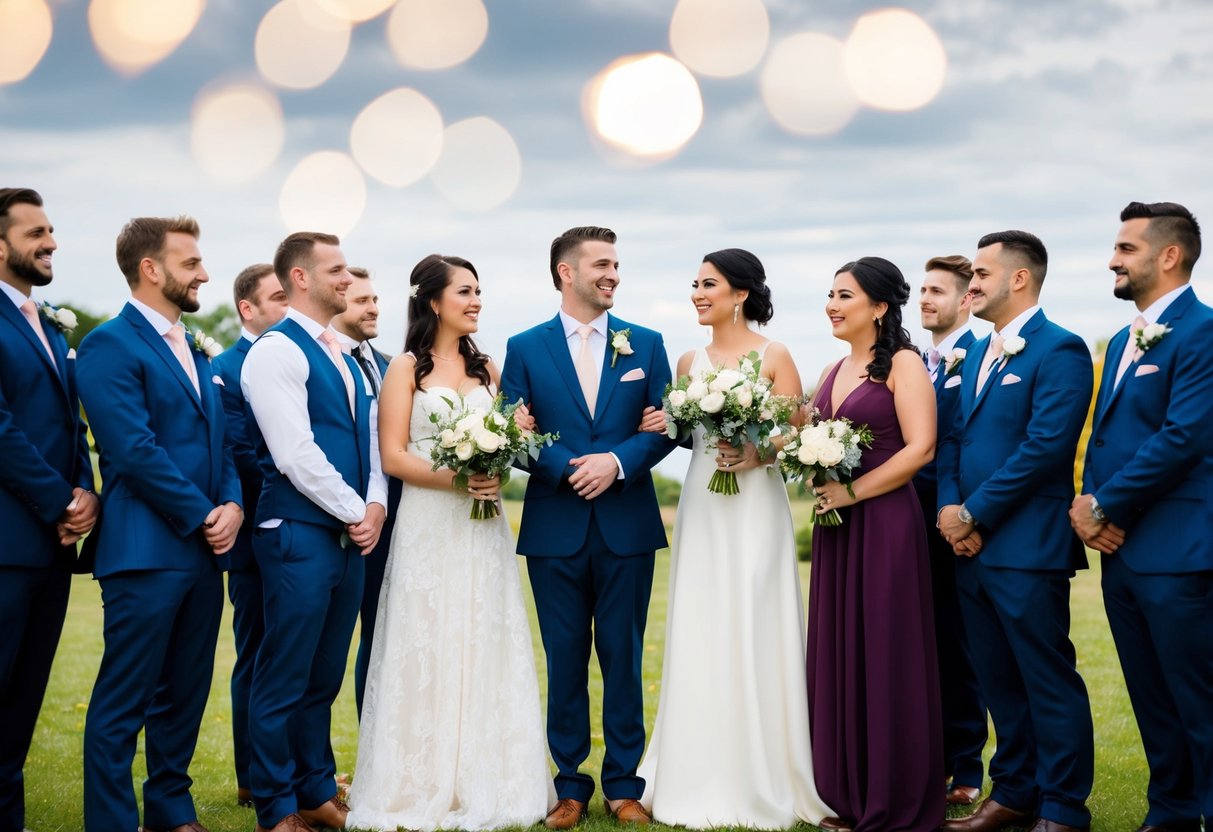
When it comes to wedding customs, different cultures and religions have unique traditions. Understanding these can offer insights into where everyone stands during the ceremony and who can join which side.
Jewish Wedding Traditions and Ceremony Structure
In a Jewish wedding, the ceremony has specific elements that dictate placement. The bride often stands under a chuppah, a canopy symbolizing the home she and her partner will build together. In this setting, family and close friends surround the couple, regardless of gender, reflecting a sense of unity and support.
Traditionally, the groom stands to the right of the bride during the ceremony. This side placement signifies his role as protector. However, it’s becoming common for groomsmen to join the bride’s side. This shift showcases how modern Jewish weddings embrace personal connections over strict customs.
Christian and Hindu Wedding Rituals
Christian wedding ceremonies typically follow the custom of the groom standing on the right side of the altar. This tradition symbolizes his role as the leader in Christian households. Friends and family form distinct sides based on gender in many cases, supporting this traditional view.
In Hindu weddings, the customs can vary widely. The bride usually stands on the left side of the fire altar, known as the ‘Agni.’ Meanwhile, the groom stands to her right, symbolizing unity. During the ceremony, both are surrounded by family, enhancing the sense of community and shared strength. This custom celebrates the joining of two families as much as the couple.
Understanding these traditions can help you appreciate how cultural values shape wedding events and the importance of side placement.