
Can I Bring a Friend as a Plus One to a Wedding? Here’s What You Need to Know!
Attending a wedding can be a delightful experience, but figuring out the plus-one rules can be tricky. The couple’s invitation and their wedding planning choices mostly determine whether you can bring a friend as a plus-one. It’s important to respect their decisions while also understanding your own desire for company on their special day.
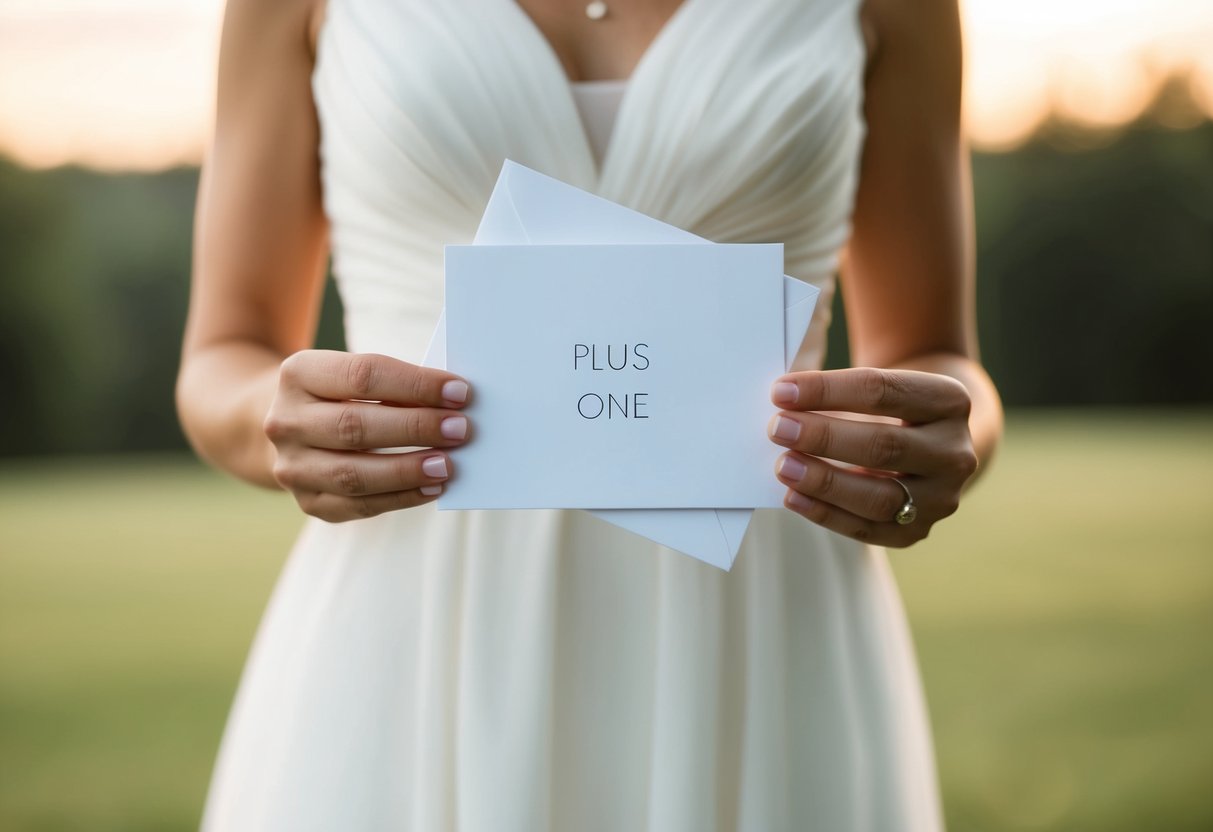
Wedding etiquette can help guide you in this situation. If your invitation mentions “and guest” or includes someone’s name, then you’re likely welcome to bring a friend. However, if it doesn’t specify, it’s best to check with the couple rather than assume you can invite someone along.
Remember that weddings often involve significant costs, and each extra guest can add to the couple’s budget. Being considerate and understanding their perspective can lead to a smoother experience for everyone involved.
Understanding Plus-One Etiquette
Navigating plus-one invitations can be tricky. Knowing how to interpret the details on wedding invitations can help you feel confident when deciding if you can bring a friend.
Deciphering Plus-One Invitations
When you receive a wedding invitation, check for any specific mentions of a plus-one. If the invite includes your name with “and guest,” you can bring a friend. If it only has your name, it’s usually meant for you alone.
Always consider the couple’s wishes. If unsure, it’s polite to ask them directly. Keep in mind that bringing an uninvited guest might not be well-received.
Remember, weddings often have budget constraints. If you have questions about your invite, reach out to the couple or the person who sent it. This helps avoid misunderstandings and keeps everything clear.
Wedding Invitation Wording and Indications
Wedding invitations provide clues about plus-one options. Formal invitations might say “plus one” in the wording if you can bring a guest. Look for phrases like “We invite you to bring a guest” to indicate flexibility.
For less formal invitations, the couple may assume that close friends or family can bring someone. If your relationship is strong, you might have more leeway.
If invitations are sent digitally, information might be available on a website. This could clarify guest options as well as other wedding details. Always read the invite carefully to respect the couple’s wishes and avoid confusion.
Navigating the Guest List and RSVP Process
When attending a wedding, it’s important to understand if you can bring a friend along and how to properly communicate this with the couple. The guest list and RSVP process are key steps to make sure everything runs smoothly.
Identifying if You Can Bring a Plus-One
To know if you can bring a guest, first check your invitation. It should clearly state if you have a plus-one. Look for phrases like “and guest” or “plus one.” If it’s not clear, reach out to the couple.
Consider your relationship with the couple. Generally, close friends and family are more likely to be given a plus-one. Also, if you live far away from the couple, they might offer you this option to make your experience more enjoyable. It’s always best to confirm to avoid misunderstandings.
RSVPing with Your Plus-One Information
Once you’ve confirmed you can bring a guest, it’s time to RSVP. Use the RSVP card if provided, and make sure to note the total number attending, including your plus-one.
If you’re responding online, include your guest’s name in any fields that ask for the number of attendees. This helps the couple finalize their guest list and make arrangements accordingly.
Make sure to respond by the deadline mentioned on the invitation. Timely RSVPs help couples with their planning and ensure you both have a great spot at the celebration.
Factors Influencing Plus-One Privileges
When deciding whether you can bring a friend as a plus-one to a wedding, several important factors come into play. These include your relationship status and the dynamics of your guest group, as well as practical considerations like venue capacity and the size of the wedding party.
Relationship Status and Guest Dynamics
Your relationship status is a key factor in whether you can invite a plus-one. If you’re in a serious relationship or have been dating someone for a while, you’re likely to get a plus-one. This helps avoid any awkwardness during the event.
For unmarried couples, it can depend on how well the couple knows you and your partner. If you’re close to the hosts, they might allow you to bring your significant other even if you haven’t been together long.
Also, the hosts may consider guest dynamics. They want to create a comfortable atmosphere. If you have a friend, such as an out-of-town guest, they might feel better having a plus-one instead of celebrating alone.
Venue Capacity and Wedding Party Size
Venue capacity plays a big role in determining plus-one privileges. If the venue is small, the couple might have to limit invites to keep the guest list manageable. That means fewer options for plus-ones.
The size of the wedding party also influences decisions. A larger wedding often accommodates more guests. If the couple is inviting many friends and family, they might grant more plus-ones to keep everyone comfortable and happy.
If you are invited as a plus-one, remember to be respectful. Confirm with the couple if you can bring someone. Make sure your invite aligns with their wishes to keep the celebration enjoyable for everyone.
Best Practices for Guests with Plus-One Permissions
When you have a plus-one invitation for a wedding, it’s essential to follow some best practices. Whether you’re bringing a friend, partner, or someone special, being respectful and clear can make a difference.
Respecting the Couple’s Intentions
It’s important to understand that the couple might have specific reasons for offering a plus-one. They may want you to share the day with someone significant in your life. Think carefully about who you invite. Try to bring someone who will enjoy the event and fit well into the wedding atmosphere. Avoid inviting someone who could cause tension, such as an ex. Always be mindful of the couple’s wishes, as they have planned carefully for their special day.
Communicating with the Hosts
Clear communication is key when you have a plus-one. If you have questions about bringing a guest, consider asking the couple or the person handling the RSVPs. You could send a polite message or make a quick phone call. This helps avoid misunderstandings about seating arrangements or expectations. If you’re unsure if you can bring someone, it’s better to ask than make assumptions. Remember, the couple wants you to enjoy yourself, so don’t hesitate to reach out.
Offering Gratitude and Understanding
Make the effort to express your gratitude to the engaged couple. A simple thank-you note or message goes a long way.
Recognize that hosting a wedding is a big responsibility and expense. If you are able to bring a date, consider including a small gift or token of appreciation, such as a card or flowers.
Understanding their perspective and showing your appreciation helps maintain a positive relationship. Your thoughtfulness will be remembered long after the wedding day.