
Can I Bring a Friend as My Plus-One? Exploring Guest Options for Events
Weddings can be exciting but also come with a set of rules, especially when it comes to bringing a guest. You might be wondering if you can bring a friend as your plus-one to a wedding. The answer is yes, you can often bring a friend, but it’s essential to check the invitation first.

While most invitations that say “plus-one” allow for bringing a guest of your choice, it’s good practice to consider whether your friend is a good fit for the event. Bringing someone who knows the couple or fits the vibe of the wedding can enhance everyone’s experience.
If you’re uncertain, asking the couple for clarification can go a long way in making sure you’re following proper etiquette. Just remember—weddings are about celebration and making memories, so choose your guest wisely!
Understanding the Plus-One Etiquette
Navigating the rules of plus-one etiquette can be tricky. Knowing who gets a plus-one and how to handle your invitation can make a big difference. Here’s what you should keep in mind.
What Is a Plus-One?
A plus-one is an invitation for you to bring a guest to an event, usually a wedding. It allows you to have someone by your side, whether it’s a partner, friend, or family member.
Often, a plus-one is extended to single guests, but it’s not a free-for-all. Make sure to check your invitation carefully. If it mentions a plus-one, it’s essential to respect the couple’s wishes regarding who you can bring.
In some cases, inviting a friend instead of a date is acceptable, but it’s best to ask the couple if you’re unsure. Communication is key to ensuring everyone is comfortable with your choice.
Essentials of Invitation Etiquette
When you receive a wedding invitation, observe the details regarding your plus-one. Not every guest will receive this option. Couples usually include plus-ones for friends or family who are not in relationships.
If your invitation includes a plus-one, confirm your guest’s attendance early. Couples often need to finalize the guest list and seating arrangements. If you didn’t receive a plus-one but wish to bring someone, it’s polite to ask the couple directly.
Keep in mind that being considerate of the couple’s preferences is vital. It’s their big day, so ensuring everyone is comfortable will lead to a more enjoyable experience for all involved.
Determining Who Gets a Plus-One
Deciding who gets a plus-one at a wedding involves a mix of guest list dynamics and relationship status considerations. It’s important to think about your guests’ feelings and the overall budget for the event.
Guest List Dynamics
When making the guest list, consider the relationships among your invitees. If someone is part of a wedding party, they typically should get a plus-one. This helps ensure that they have support on the big day.
For single guests, it’s a little different. If they are close friends or relatives, you might consider allowing them to bring a friend. However, be cautious about setting expectations. You want your single guests to feel comfortable, not pressured.
Also, think about the balance of your guest list. If most guests are bringing plus-ones, it may be best to extend the same invitation to others to keep things fair.
Relationship Status Considerations
The relationship status of your guests plays a key role in your decision. Engaged couples usually receive an automatic plus-one as they are committing to each other.
For those in long-term or serious relationships, it’s also wise to offer a plus-one. This shows that you recognize their commitment.
However, for casual dating situations, think carefully before extending a plus-one invitation. You may want to invite the person only if you’ve met them before.
By being thoughtful and considerate, you can create an enjoyable atmosphere for all your guests while managing your wedding budget.
Handling Plus-One Invitations
When you’re invited to an event with a plus-one option, knowing how to respond can make things easier. Paying attention to the wording in invitations and managing any extra guests will help ensure a smooth experience.
Wordings for RSVP Cards and Invitations
The wording on RSVP cards is important for you and your guest. For instance, invitations may say:
- “Please respond by [date].”
- “You are invited to bring a plus-one.”
These phrases let you know that you can bring a guest. It’s polite to confirm whether you’ll bring someone. If you choose to include your plus-one, be sure to respond on time. Avoid writing “I’m bringing a friend” on the card unless specified. Instead, reply with your name and mention your guest, like “John and guest.” If you’re uncertain about bringing someone, consider asking the hosts for clarification regarding the plus-one policy.
Managing Extra Guests
Sometimes, you may want to bring along a friend but aren’t sure how to approach it. If your invitation does not explicitly mention a plus-one, it’s best to ask the hosts. You can say, “Is it okay if I bring a friend?” This shows that you respect their decision.
If you are allowed to bring another guest, remember to keep the guest’s behavior in mind. Choose someone who will enjoy themselves and who will mesh well with the event’s guests. If you need to change your RSVP due to unforeseen circumstances, reach out as soon as possible. Clear communication ensures a stress-free experience for both you and the hosts.
Execution of Wedding Day Arrangements
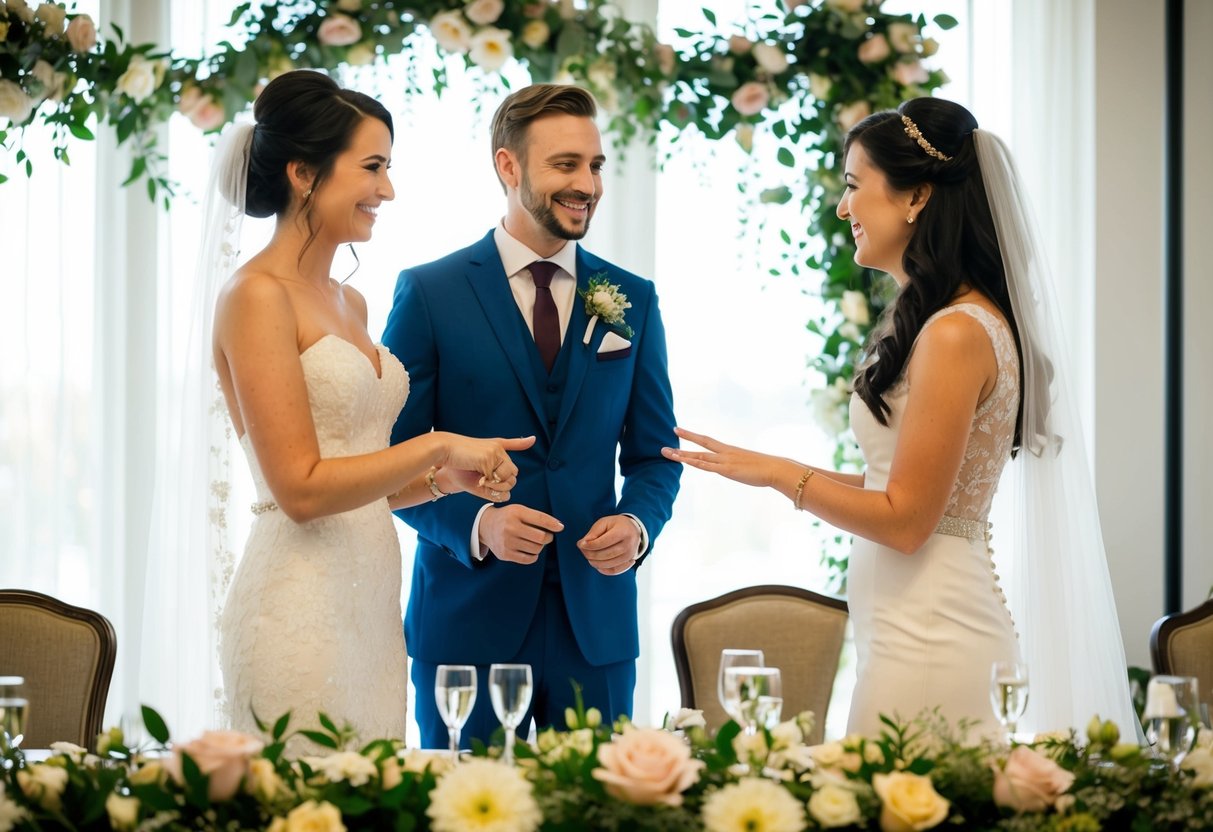
Planning for your big day involves important decisions. You’ll need to consider how to manage seating arrangements and budget for any additional guests, especially if someone asks to bring a friend as their plus-one.
Seating Chart Strategies
Creating a seating chart is a key part of wedding planning. Start by listing all your guests, including those who may bring a plus-one. It’s helpful to group friends and family together to foster connections at the event.
Consider VIPs, like close family members, when deciding their seating. You can use color-coded charts or online tools to visualize arrangements. Be ready to adjust as RSVPs come in.
Remember to check for guest limits set by your venue. Some locations may have strict caps, which can affect how many people you can invite and how many can bring a plus-one.
Budgeting for Additional Guests
Budgeting for a wedding means keeping an eye on costs. When you allow plus-ones, it can increase food costs and bar expenses. Typically, each additional guest means more sandwiches and drinks.
Break down your total budget by categories, like food, venue setup fees, and decorations. Estimate the average cost per guest, usually ranging from $100 to $300 based on your location and choices.
If you’re worried about going over budget, consider setting a clear limit on plus-ones. This will help control costs while still allowing your friends to enjoy the celebration.
Adjusting your guest list thoughtfully ensures everyone has a wonderful time without breaking the bank.