
Can I Call Myself a Captain? Understanding the Rules and Responsibilities
When you find yourself in charge of a boat, you might wonder if you can call yourself a captain. The answer depends on your qualifications and the context in which you operate. Many people use the title in a casual setting, but it’s important to understand the distinctions in maritime terms and licensing.
Some sailors refer to themselves as “skipper” or “master,” especially on private yachts. This is often appropriate and respectful. Depending on your experience, there are different levels of authority and responsibility that come with these titles.
Before claiming the title of captain, consider what it truly means in the world of boating. Exploring this topic further can help you understand the difference between a casual title and one that requires significant training and experience.
Understanding the Title ‘Captain’
The title “Captain” carries significant meaning and varies in use across different contexts. It is important to recognize both its historical roots and how it’s perceived today in various services.
Historical Significance and Usage
Historically, the title “Captain” was reserved for individuals in charge of a ship or military unit. In maritime settings, captains had authority over their vessels and crews, which was crucial for navigation and safety.
In the Navy, for example, the rank of Captain denotes a senior officer responsible for major assignments. The term is also used in the army and air force, where ranks vary. In the Army, a Captain leads a company, while in the Air Force, the title can likewise indicate a rank below Major.
Modern Connotations in Various Services
Today, calling yourself “Captain” can depend on your role and qualifications. In maritime contexts, you can use the title if you hold the proper certifications, like being a Master Mariner.
In military terms, you might also claim the title if you are an officer with a rank one below Major. This practice can lead to informal use among those who don’t hold the title officially.
While you might use “Captain” in casual settings, its formal recognition comes with specific responsibilities and qualifications in professional environments.
Earning the Captaincy
Becoming a captain is a respected achievement in the maritime world. It requires a combination of professional pathways, education, training, and hands-on experience. Here’s what you need to know.
Professional Pathways
To earn the title of captain, you often begin as a deckhand or in similar roles on a vessel. As you work your way up, you gain valuable sea experience.
Many opt for the route of obtaining a Certificate of Competency. This certification shows that you have the skills to operate a vessel safely. You can also pursue becoming a Master Mariner, which is a global standard for ship captains.
Considerations:
- Starting positions often include deckhand or mate.
- Advanced roles require formal credentials and experience.
Education and Training Requirements
Education is vital in your journey. Most captains hold a degree from a maritime university. Programs often cover navigation, ship handling, and maritime laws.
Training programs usually include both classroom learning and practical skills. You may also need to complete safety courses and first aid training.
Typical paths include:
- Associate or bachelor’s degree in marine transportation.
- Certificates from maritime training schools, focusing on skills like navigation and ship operations.
Experience and Tonnage Regulations
Experience plays a crucial role in becoming a captain. Most licensing boards require a certain number of sea hours before you can apply for your captain’s license. For example, the U.S. Coast Guard has specific tonnage regulations that dictate the vessels you can command based on your experience.
You need:
- A minimum number of documented sea hours.
- Experience on vessels of specific sizes and types.
Key points:
- More experience on larger vessels often leads to better opportunities.
- Regulations can vary by country, so it’s essential to check local requirements.
Captaincy in Recreational Boating
In recreational boating, understanding captaincy involves knowing licenses required and the responsibilities you take on. This will help you navigate the waters confidently and legally.
Licenses and Certifications for Hobbyists
To call yourself a captain in recreational boating, you may need specific licenses. A popular option for hobbyists is the “Six Pack License,” which allows you to operate a vessel for hire with up to six passengers.
You don’t necessarily need a formal license to command a cruising boat or a yacht if it’s for personal use. However, a certification like the Yacht Master can enhance your skills and credibility.
Obtaining these credentials usually involves passing exams and demonstrating your skills on the water. Always check local regulations as they can vary significantly.
Rights and Responsibilities
As a recreational mariner, you hold rights and responsibilities when on the water. First and foremost, you must ensure the safety of all passengers on board. This includes having life jackets for everyone and understanding emergency protocols.
You are also responsible for following navigation rules and respecting other boaters. Being aware of local boating laws is crucial to avoid fines or accidents.
If you’re commanding a cruising boat, remember to maintain a steady course and communicate clearly with crew members. These duties help create a safe and enjoyable experience for everyone involved.
Communication and Conduct
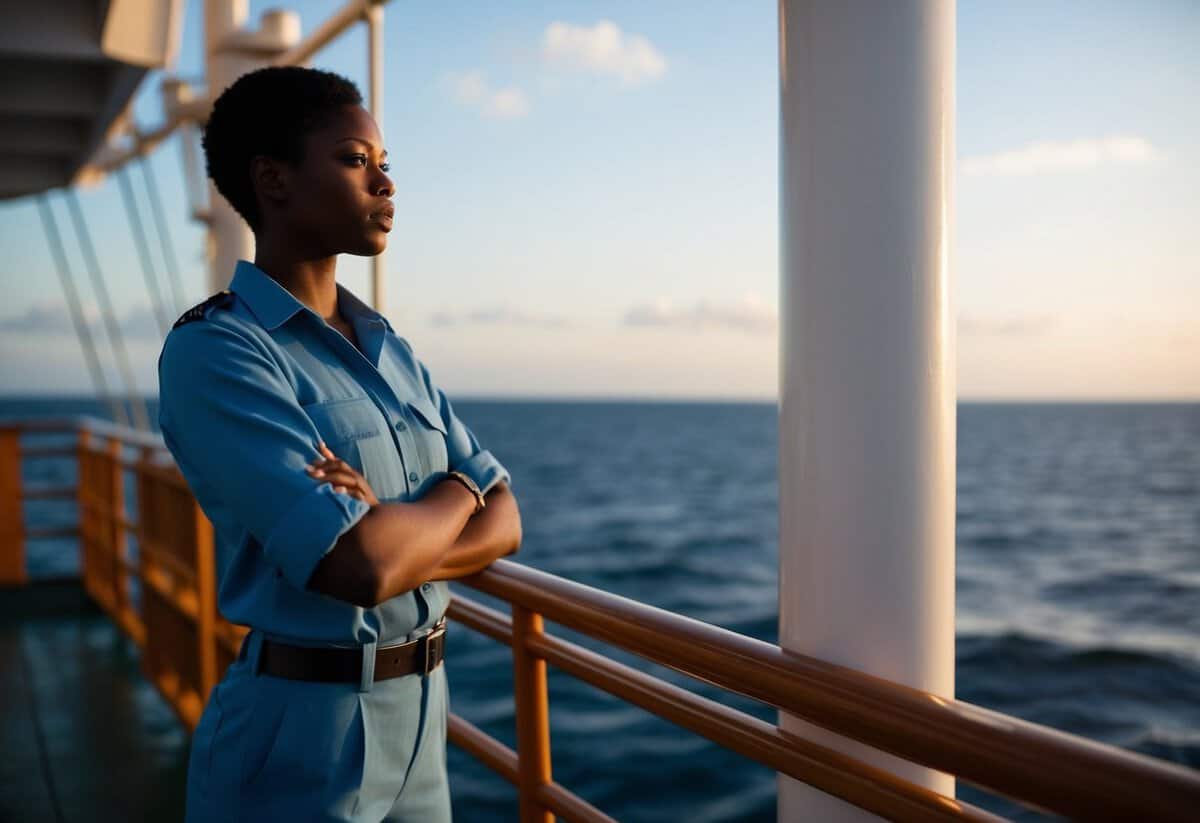
When using the title “Captain,” it’s important to communicate properly and show respect for those who have earned it. Your behavior and language reflect not only on you but also on the maritime community as a whole.
Proper Use of the Title in Communication
Using the title “Captain” should be based on your qualifications and experience. If you are an officer with a governing body license and have served as pilot in command, calling yourself Captain is appropriate.
When communicating via VHF radio, clarity is key. Identify yourself with your proper title, especially in emergency situations. Saying “This is Captain [Your Name]” can help establish authority.
Ensure you use the title in contexts that support your standing. If you lead a crew, using “Captain” shows leadership. Always remember that accuracy in titles promotes safety and respect in navigation.
Avoiding Disrespectful Misuse
Make sure you have the necessary credentials before calling yourself Captain. Misusing the title can appear disrespectful to those who have worked hard for it.
When addressing others, use their proper titles. For example, referencing a licensed Captain as such shows respect for their expertise. Avoid informal or joking references that undermine their achievements, such as using “Captain” as a verbal tic.
Respect in communication strengthens relationships within the maritime community. Misusing titles can damage trust and your reputation.