
Can I Do a Wedding for 20K? A Realistic Plan
Yes, you can plan a complete wedding for $20,000, especially with a guest list of about 50 to 80 people, a flexible date, and clear spending priorities. Your location and guest count will decide whether that budget feels comfortable or tight, since venue and catering costs rise quickly with every additional guest.
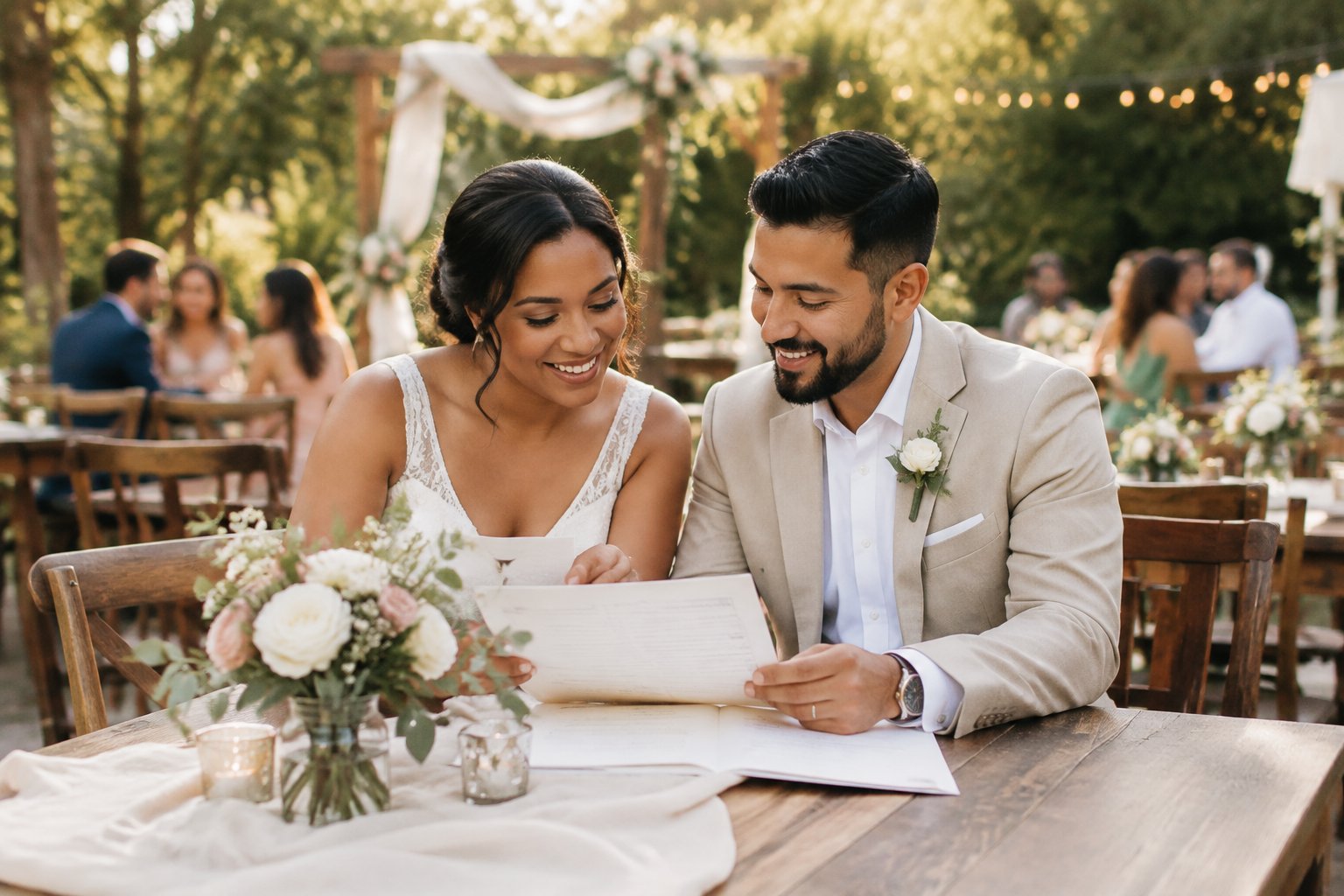
A $20,000 wedding budget gives you room for a polished celebration with food, drinks, photography, attire, music, flowers, and essential fees. Your choices become more limited in a high-cost city or for a large Saturday reception, while a small wedding in an affordable area can feel spacious and relaxed.
Start by setting your guest count and choosing the parts of the day you care about most. If you want help turning your plans into a workable budget, you can compare your numbers with this guide to how to work out a budget for a wedding before booking vendors.
What a $20,000 Budget Can Realistically Buy
A $20,000 wedding budget can cover a complete celebration for about 50 to 80 guests in many U.S. locations, with careful choices around venue, catering, and guest experience. Your budget might support a larger wedding in a low-cost area or a smaller, more refined event in an expensive market.
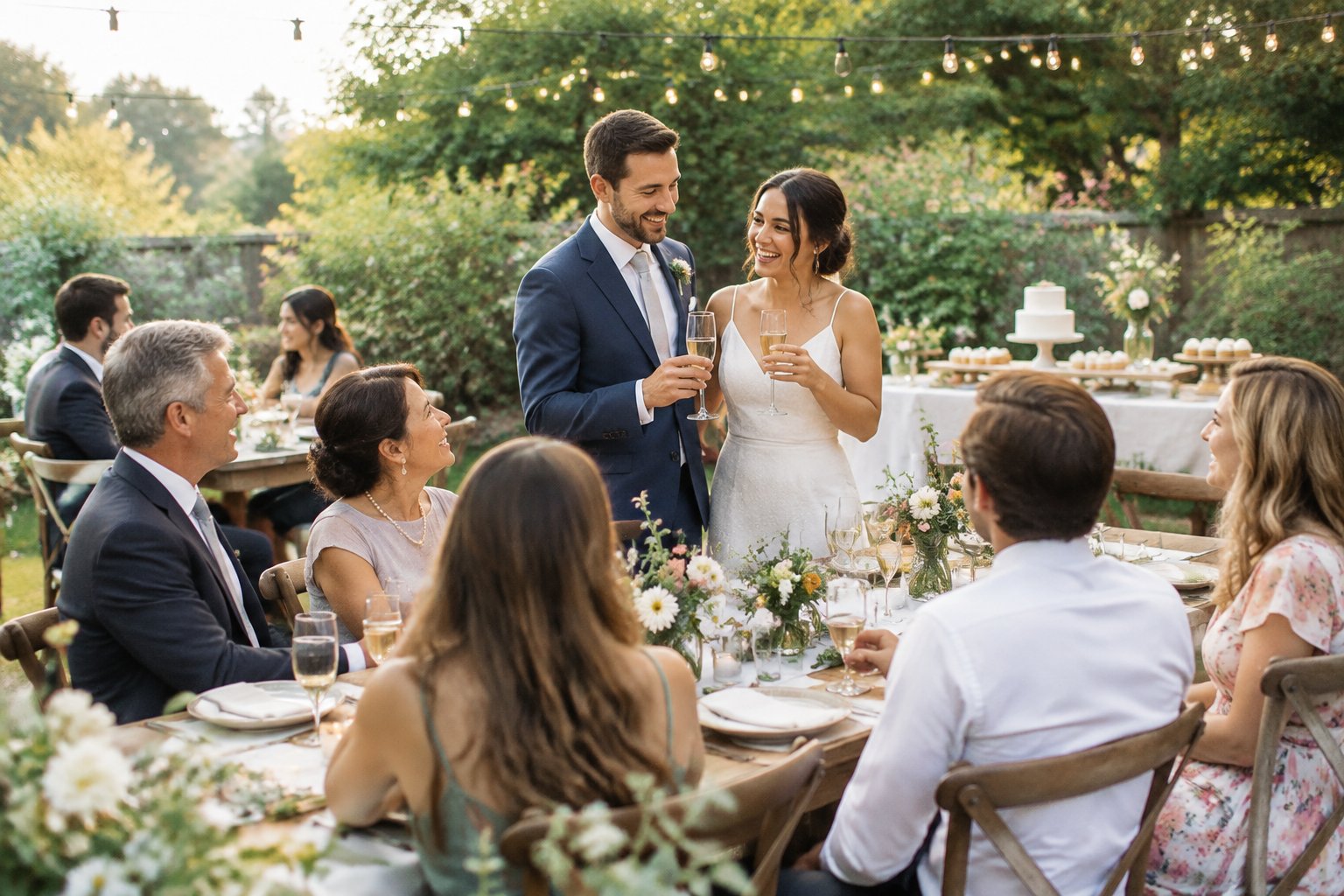
A practical $20k wedding budget can include:
- Ceremony and reception venue
- Food and drinks
- Photographer
- Attire and alterations
- Hair and makeup
- DJ or simple live music
- Flowers and basic decor
- Cake or dessert
- Invitations and guest communication
- Officiant and marriage license
- Transportation and vendor tips
Venue and catering often use half of the available money, especially when meals and drinks are priced per person. A destination wedding may fit the couple’s spending plan while shifting travel and lodging costs to guests, so review the full guest experience before choosing that route.
How Location Changes the Answer
Location changes your wedding costs through venue rates, labor, catering prices, taxes, and service fees. A $20,000 wedding in a rural area may include a larger venue and more food choices, while the same amount in New York City, San Francisco, or another high-cost market may support a smaller guest list.
Look at community halls, restaurants, parks with event permits, private homes, and venues that include tables and chairs. A venue with built-in rentals reduces separate delivery and setup charges. Ask for a full estimate that includes service fees, taxes, staffing, cleanup, and required insurance.
How Guest Count Determines Your Options
Guest count is the strongest cost lever because each person affects food, drinks, rentals, invitations, seating, and favors. Reducing the list by 20 people can free money for better photography, a more comfortable venue, or a fuller bar.
Create your guest list in tiers:
- Immediate family and closest friends
- Important relatives and long-term friends
- Optional guests if the budget allows
Set the maximum before touring venues. A space that looks affordable at first may become expensive once you add a per-person catering minimum, rental charges, and bar service.
When a Microwedding or Small Wedding Makes More Sense
A microwedding with about 20 to 50 guests gives you more flexibility within $20,000. You might choose a restaurant private room, a garden, a small inn, or a backyard and spend more per guest on food, photography, or personal details.
A small wedding also reduces planning work. Fewer guests mean fewer invitations, simpler seating, less transportation, and a shorter list of rental needs. You can use the savings for a stronger photographer, upgraded meal, or comfortable guest accommodations.
Build a $20,000 Wedding Budget That Adds Up
A workable $20,000 wedding budget assigns every dollar before you sign contracts, with venue and catering receiving the largest share and a reserve protecting you from surprise costs. Use a written plan that includes both expected prices and fees that appear later.
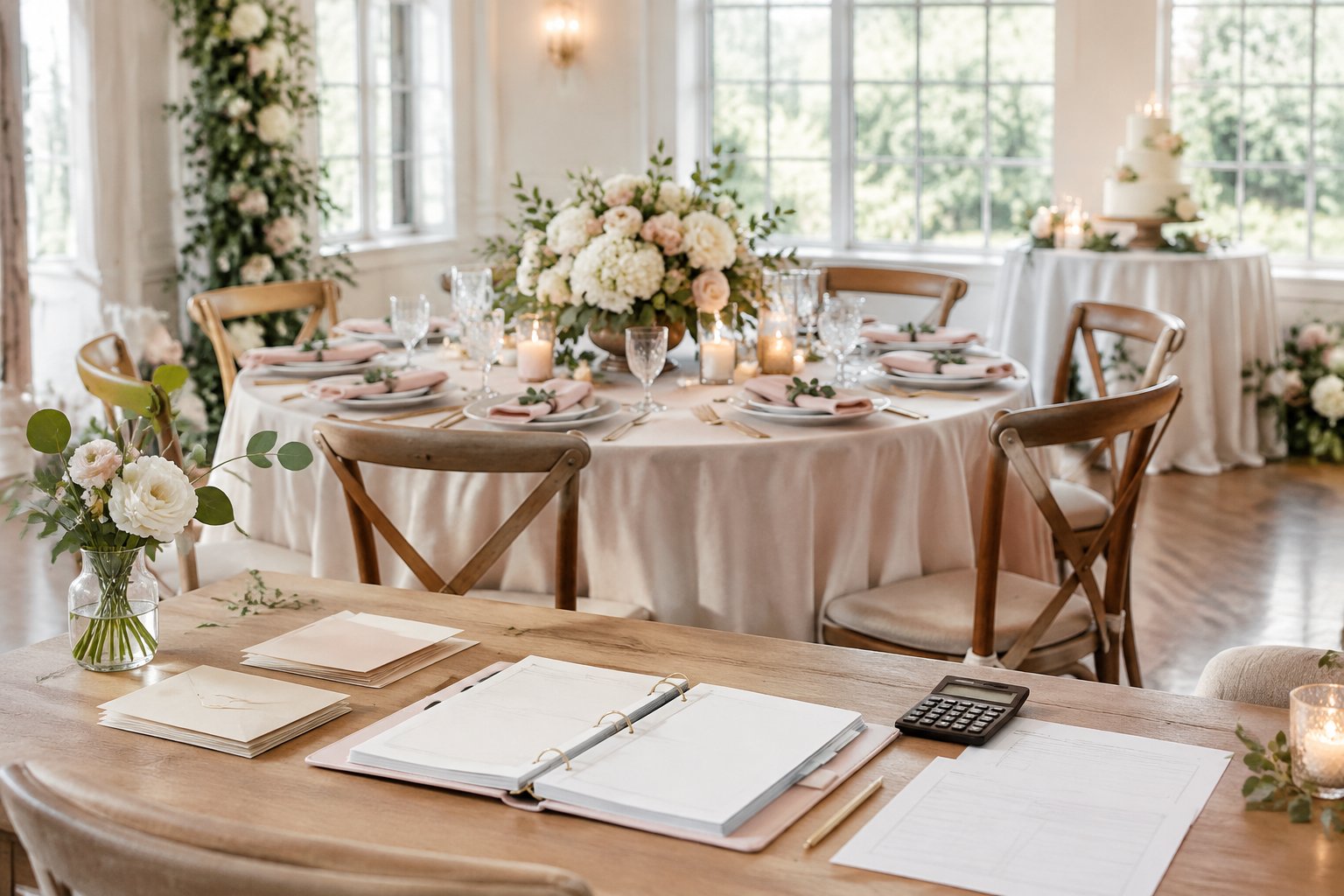
Your first version should include the guest count, estimated price per person, vendor deposits, payment dates, and a cash reserve. Prices will change as you collect quotes, so update the plan after every booking.
A Sample Allocation by Category
This sample allocation works for a 60-person celebration:
| Category | Planned amount |
|---|---|
| Venue and catering | $7,000 |
| Bar and beverages | $2,000 |
| Photography and videography | $2,500 |
| Attire and alterations | $1,800 |
| Hair and makeup | $700 |
| DJ or music | $1,200 |
| Flowers and decor | $1,200 |
| Wedding cake and desserts | $500 |
| Invitations and stationery | $250 |
| Officiant and marriage license | $300 |
| Transportation and rentals | $600 |
| Wedding favors | $150 |
| Tips, taxes, and reserve | $1,800 |
| Total | $20,000 |
You can shift these amounts to match your priorities. A photography-focused couple might reduce decor and videography. A food-focused couple might protect catering while choosing a shorter photography package.
Set Aside Money for Taxes, Tips, and Surprises
Reserve at least $1,000 to $2,000 for costs that do not appear in the first quote. These might include sales tax, service charges, delivery, setup, overtime, alterations, vendor meals, parking, and final gratuities.
Read every contract for payment schedules and cancellation terms. Ask each vendor whether the quote includes tax, travel, staffing, equipment, cleanup, and gratuity. Keep your reserve untouched until the final month whenever possible.
Use a Wedding Budget Spreadsheet to Track Commitments
A wedding budget spreadsheet gives you one place to track the planned amount, quoted amount, deposit, remaining balance, due date, and payment status for every category. Add a column for contract notes so you can record overtime rules, cancellation terms, and included rentals.
Use separate totals for:
- Paid deposits
- Upcoming payments
- Estimated costs
- Money held in reserve
Update the spreadsheet after each quote and contract. A category that goes over budget needs an immediate adjustment elsewhere, before the extra cost becomes part of your fixed commitments.
Choose the Priorities That Matter Most
Your priorities should control the budget, with three to five areas receiving protection before you spend on optional details. Common priorities include photography, food, music, attire, guest comfort, or a relaxed planning process.

Write your priorities down before contacting vendors. This keeps attractive upgrades from taking money away from the parts of the day you value most.
When to Prioritize Photography Over Videography
Photography deserves priority when printed images, family portraits, and a complete record of the day matter most to you. A strong photographer can provide portraits, ceremony coverage, reception moments, and edited digital files within a defined number of hours.
Videography becomes the better use of funds when hearing vows, speeches, music, and movement matters deeply to you. You can also book shorter coverage, a single shooter, or digital delivery to keep photography and videography within the same category.
Review full galleries and complete wedding films before booking. Confirm the number of edited images, delivery timeline, coverage hours, backup plan, and overtime rate.
How to Balance a Wedding Dress, Hair, and Makeup
Set one combined attire and beauty limit before shopping. Include the dress, alterations, shoes, undergarments, accessories, hair trial, makeup trial, and wedding-day services.
A sample plan might reserve:
- Dress and alterations: $1,200
- Shoes and accessories: $250
- Hair and makeup: $700
- Partner’s attire: $650
Sample sales, rentals, secondhand dresses, and simpler alterations can protect the budget. Book a trial early so you know the complete cost before the wedding week.
DJ or Live Band: Which Fits the Budget?
A DJ generally gives you more hours of music and covers announcements, ceremony audio, cocktail hour, and dancing with one booking. A live band creates a distinct atmosphere but requires more musicians, equipment, meals, space, and breaks.
Choose a DJ when you want broad song coverage and a controlled price. Choose a solo musician, duo, or smaller ensemble when live music matters and a full band would use too much of the entertainment budget. Ask about sound equipment, setup time, emcee duties, overtime, and ceremony coverage.
Lower the Biggest Costs Without Lowering the Experience
The largest savings come from your date, venue, guest count, catering format, bar plan, and floral design. These choices affect the full event, so adjust them early while you still have room to compare vendors.
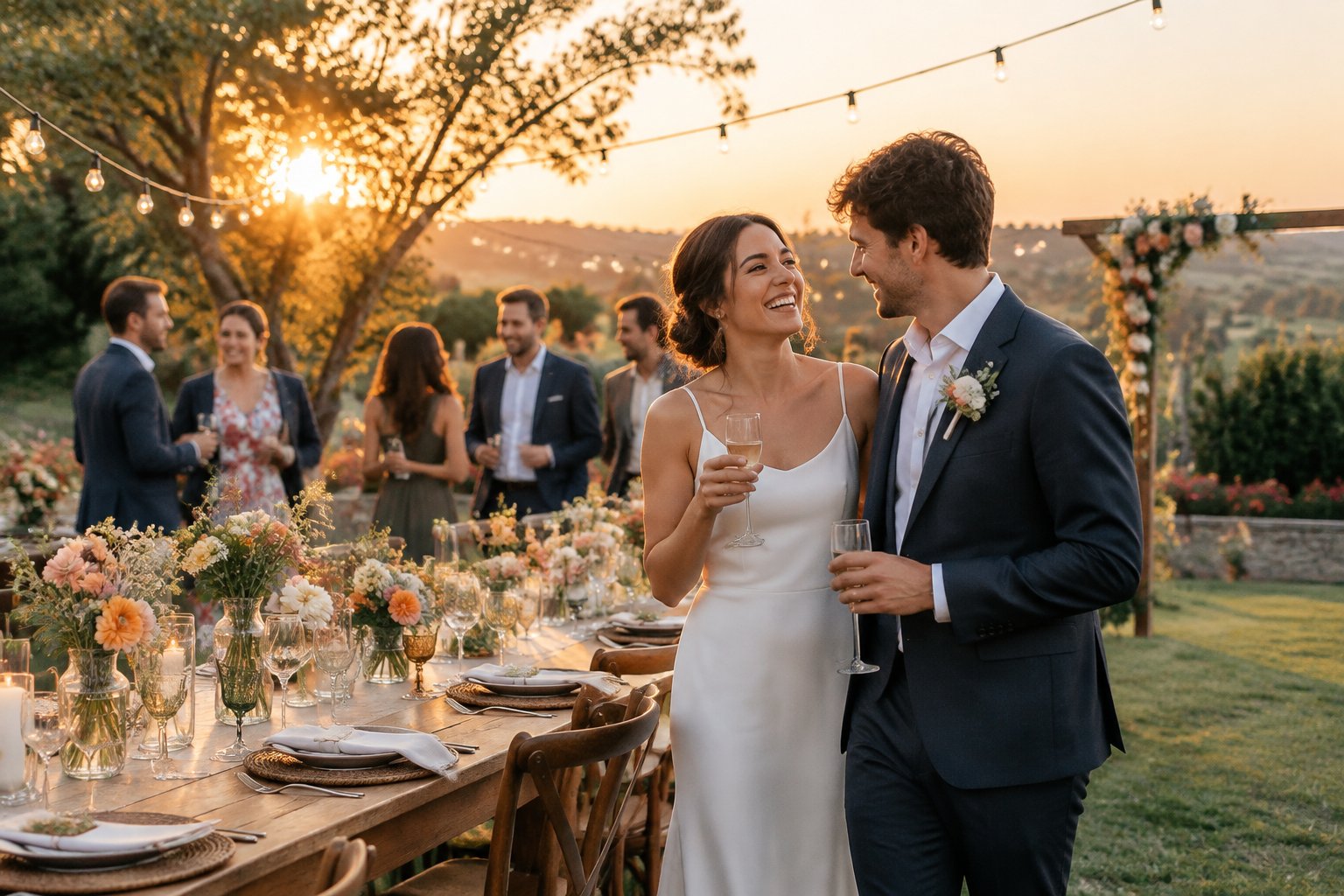
Focus on changes guests notice through comfort and flow. Good food, enough seating, clear sound, pleasant lighting, and a well-timed schedule support the experience without requiring costly decoration.
Find an Affordable Wedding Venue and Date
A weekday wedding, Sunday wedding, or winter wedding can open more venue choices at lower rates. Friday celebrations and brunch events also give you useful alternatives to a peak Saturday evening.
Compare venues by the full package. Include rental hours, tables, chairs, linens, lighting, cleanup, security, insurance, parking, and required catering. A low rental fee can become expensive when the venue requires outside rentals or exclusive vendors.
Choose one location for the ceremony and reception when possible. This reduces transportation, room flips, guest confusion, and extra setup time.
Choose Catering That Costs Less Than a Plated Dinner
Buffet service, family-style meals, brunch, and food trucks can reduce staffing and service costs compared with a plated dinner. Family-style meals also create a warm table experience while keeping the menu easy to manage.
Ask caterers for pricing on:
- Buffet or family-style service
- Limited entrée choices
- Seasonal menus
- Brunch or early dinner
- Food stations
- Drop-off food with hired servers
Check whether the quote includes rentals, staffing, plates, glassware, setup, cleanup, cake cutting, and vendor meals. A lower menu price may not reduce the final bill if extra services appear later.
Control Bar Costs Without Skipping a Cocktail Hour
You can keep a cocktail hour while limiting the bar to beer, wine, soft drinks, and one signature cocktail. This gives guests a clear drink selection and reduces liquor, mixer, and staffing costs.
Compare hosted bar, consumption bar, and limited bar packages. Ask how many bartenders the venue requires and whether you must purchase through its approved provider. Plan for water and nonalcoholic choices throughout the event.
A signature cocktail also gives you a personal detail without stocking a full selection of spirits. Serve it during cocktail hour and move to beer and wine for dinner if your venue permits that structure.
Save on Flowers and Decor With Seasonal Choices
Seasonal flowers cost less when they are available from local growers and wholesalers. Choose a small set of floral colors and reuse arrangements from the ceremony at the reception.
Prioritize the bouquet, ceremony focal point, and guest tables. Greenery, candles, potted plants, bud vases, and rented decor can fill space with fewer stems. Ask your florist for seasonal substitutions that keep the shape and color of your preferred design.
Create one strong focal area for photos and use lighter details elsewhere. Confirm delivery, setup, teardown, rental returns, and substitution policies in the floral proposal.
Make Smart Vendor and Detail Decisions
Smart vendor decisions protect your $20,000 budget by revealing hidden charges, reducing low-value extras, and keeping every commitment visible. Review contracts carefully and give each detail a job before paying for it.
Begin with vendors that affect your date and guest experience, then add optional details after the major contracts fit the plan.
What to Ask Before Signing a Vendor Contract
Ask for the complete price, payment schedule, cancellation terms, overtime rate, delivery charge, setup fee, taxes, gratuity guidance, and insurance requirements. Confirm the exact services, hours, staff count, equipment, finished products, and backup plan.
For every vendor, ask:
- What is included in this quote?
- Which costs could be added later?
- When are deposits and final payments due?
- What happens if the event date changes?
- Who will work on the wedding day?
- What happens during illness, equipment failure, or severe weather?
Record the answers in your wedding budget spreadsheet. Do not rely on a verbal promise for an important service or product.
Where Digital Invitations and Simple Desserts Help
Digital invitations reduce printing, postage, envelope, and assembly costs. They also make RSVP updates easier when your guest count or event details change.
A simple wedding cake with sheet cake for serving can reduce the dessert bill while preserving a decorated cutting cake. Other practical options include a small display cake, cupcakes, cookies, pies, or a dessert table from a local bakery.
Confirm venue rules before ordering food from a home baker or outside dessert provider. Ask about delivery, refrigeration, cutting fees, serving pieces, and allergy labels.
Which Extras to Skip or Scale Back
Wedding favors, printed programs, elaborate signage, specialty linens, large escort displays, and a photo booth are easy categories to reduce. Guests receive more value from comfortable seating, good lighting, clear music, and food served on time.
A rehearsal dinner can be a casual family meal, backyard gathering, or restaurant dinner with a limited menu. A wedding planner can be replaced with a day-of coordinator or a trusted logistics lead when full planning services exceed your limit.
Keep your marriage license and officiant costs in the budget from the beginning. Add wedding favors only after essential contracts, taxes, tips, and your reserve are covered.