
Can I Get a Friend to Officiate My Wedding? Everything You Need to Know!
If you’re planning your wedding and want a personal touch, you might wonder if you can have a friend officiate your ceremony. The good news is that in many states, you can legally have a friend officiate your wedding as long as they meet certain requirements. This can make your big day feel even more special, as it adds a familiar face to a meaningful role.

To get started, your friend may need to get ordained online or through a local church or nonprofit organization. Each state has its own rules, so it’s important to check the specific legal requirements where you live. This option can not only save money but also create lasting memories for you and your guests.
Having a friend as your wedding officiant can make the experience more personal and enjoyable. Imagine the joy of exchanging vows with someone you trust leading the ceremony! As you plan your special day, consider the benefits of involving a friend in this unique way.
Understanding Wedding Officiation
When planning your wedding, it’s important to know who can officiate your ceremony and the different types of officiants available. This information can help you choose someone who meets the legal requirements while also fitting your personal style.
Who Can Officiate a Wedding?
In many places, the person officiating your wedding must meet certain legal criteria. You can usually choose from various officiants, including:
-
Religious Officiant: This might be a priest, rabbi, or minister from a recognized faith. They often preside over religious ceremonies.
-
Civil Officiant: This could include judges, magistrates, or justices of the peace. They handle weddings outside of a religious context.
-
Professional Officiant: These are individuals who specialize in conducting weddings. They can create personalized ceremonies to suit your preferences.
-
Friends or Family: With proper ordination, friends or family can officiate. They often do this through online platforms that allow them to gain the required status.
Make sure to check your local laws, as they can change based on the state or country.
Types of Wedding Officiants
Different types of wedding officiants can bring unique flavors to your ceremony. Here’s a quick overview:
-
Religious Officials: If you seek a traditional wedding, a religious officiant may be the best choice. They often incorporate faith-based elements.
-
Civil Officials: For a more straightforward, legal ceremony, consider a civil officiant. This option is ideal for couples who want a no-frills approach.
-
Celebrants: These officiants often focus on the couple’s story and can blend various themes and traditions into the ceremony. They balance the personal and legal aspects of the wedding.
-
Notaries: In some jurisdictions, notaries can also officiate weddings. They often focus on the legalities.
Choosing the right officiant for your wedding can make a big difference. Each type brings distinct advantages to your special day.
Legal Considerations and Getting Ordained

Understanding the legal side of having a friend officiate your wedding is essential. You need to ensure your chosen officiant meets legal requirements and knows how to get ordained if necessary. Here’s what you need to consider.
Legal Requirements for Officiants
To legally officiate a wedding, your friend must meet specific requirements. These vary by state, so it’s important to check your local marriage laws. Generally, the officiant might need to be a licensed minister, judge, or an ordained officiant.
In some states, you may even find that friends can officiate after applying for a special one-time license. This usually involves submitting an ordination application through a recognized organization or church, like the Universal Life Church. Additionally, your officiant must ensure the marriage license is correctly signed and returned to the local county clerk.
How to Become an Ordained Officiant
Getting ordained can be a straightforward process. Many people choose to go online to complete this step quickly. Websites like the Universal Life Church allow you to become ordained for free in just a few minutes.
Once you fill out the ordination application, you’ll receive an official document that you should keep safe. Some states require you to register your ordination with the local county office. Always verify if your state has this requirement, as it can help prevent delays on your wedding day.
Preparing for the Ceremony
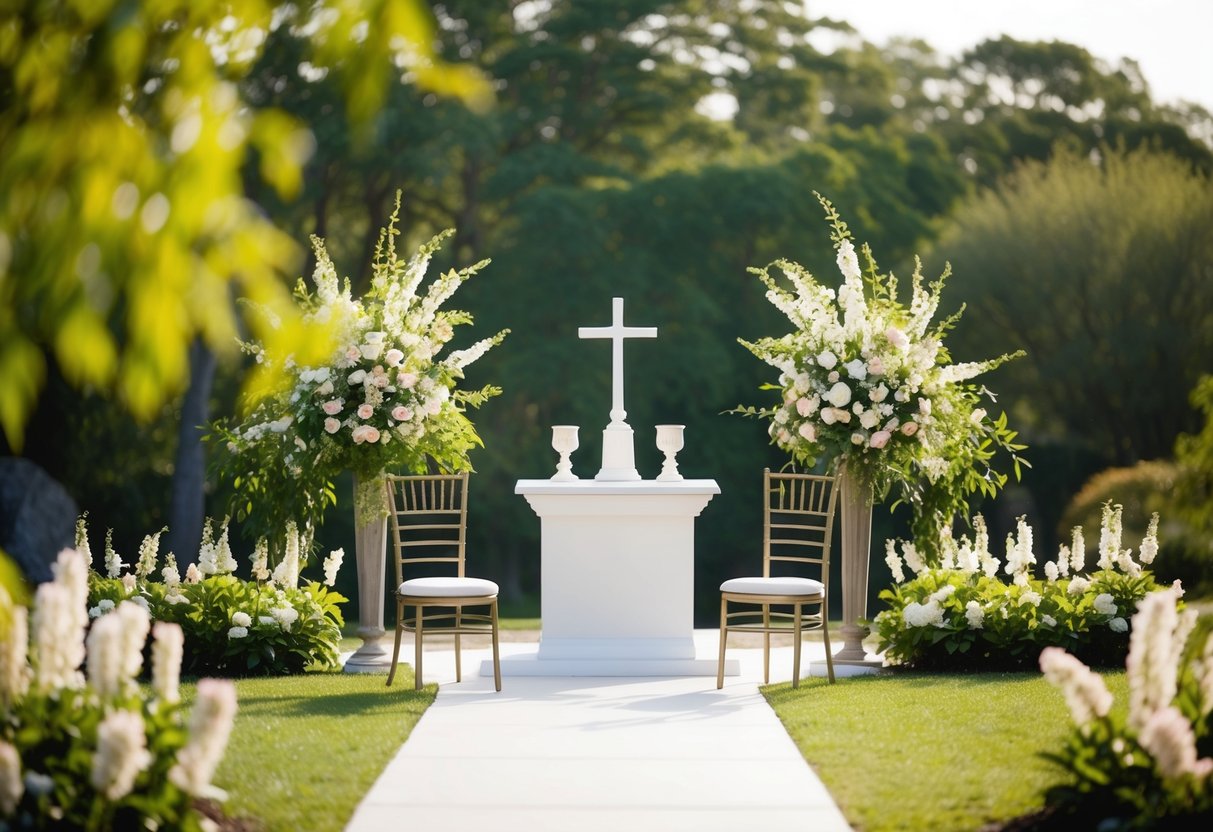
Getting ready for your wedding ceremony can be exciting and a bit overwhelming. Your friend is stepping into an important role, so preparation is key. Focus on creating a meaningful script, gaining confidence in public speaking, and ensuring they are ready for the rehearsal dinner.
Creating the Ceremony Script
Start by having a chat with your friend about the ceremony’s feel. Decide if you want something traditional, casual, or personalized.
Include important elements, such as:
- Opening Remarks: A warm welcome to guests.
- Vows: Personal vows can add a special touch.
- Rings Exchange: Include a few words about the significance of the rings.
- Closing: End with a strong and heartfelt declaration.
Make sure to review the script together several times. This will help your friend feel comfortable. You can also add personal stories or quotes that reflect your relationship. This will make the ceremony unique and heartfelt.
Public Speaking Tips for Officiants
Public speaking can be nerve-wracking for many. Help your friend gain confidence by sharing these tips:
- Practice: Encourage them to read the script out loud multiple times. This helps with pacing and clarity.
- Pace Yourself: Remind them to speak slowly and clearly, which helps the audience stay engaged.
- Eye Contact: Connecting with the audience can make the ceremony feel warmer.
- Breathe: Taking deep breaths can calm nerves before speaking.
Suggest they practice in front of a small audience, like family or friends. This adds to their on-stage confidence, and they can receive constructive feedback.
Rehearsal Dinner Participation
The rehearsal dinner is a great chance for your friend to practice their role in a relaxed environment. It’s typically held the night before the wedding and offers a perfect opportunity to review the ceremony flow.
During the dinner, your friend should:
- Run Through the Script: Go through key parts of the ceremony with you and the wedding party.
- Get Comfortable with the Setting: Familiarize themselves with the venue to manage nerves.
- Engage with Guests: This will help them feel more at ease while managing a crowd.
Remember, the rehearsal is about having fun and creating excitement for the ceremony. Everyone can share laughter and anecdotes, making it a memorable experience for all involved.